


We may earn a commission when you buy through links on this page, at no extra cost to you. Learn more.
Cockburns wine is the port made by Cockburn’s, a Portuguese house set up in 1815, and it covers fortified red and white styles that are served after dinner or mixed into a long drink. The lineup includes Special Reserve, Fine Ruby, Fine Tawny and Fine White. Port is sweeter and richer than table wine because a grape spirit is added during fermentation, so most people choose a bottle by how much fruit or nut flavor they want.
This guide covers the brand’s history, the styles you will see on the shelf, how to serve them and how to pick the right bottle for the occasion. It is written for buyers who are new to port and want a clear starting point before they choose a style.
Who Makes Cockburns and Where It Started
Cockburn’s traces its start to 1815, when Robert Cockburn, a Scotsman who had first come to Portugal as a soldier in the Napoleonic Wars, set up the company as a port shipper. The house’s own website refers to “200 years of doing things differently,” which places the business in the early nineteenth century.
Ownership has changed several times since then. The founding family sold the company to Harvey’s of Bristol in 1962, and it later passed through the Allied Domecq and Pernod Ricard groups before moving to the Fortune Brands holding company. In 2010, Symington Family Estates bought Cockburn’s. The company now describes itself as a family-owned business with more than 1,000 hectares of vineyards in the Douro Valley, the region where port grapes are grown.
The Main Styles in the Cockburns Lineup
The Cockburns range is built around a few core styles, and each one reads differently on the label. The names are simple, but the styles are not interchangeable, so it helps to know what you are buying before you open the bottle.
| Style | Main character | Typical use |
|---|---|---|
| Fine Ruby | Bright, young red fruit with a direct sweetness | Everyday sipping and mixing |
| Fine Tawny | Nutty and dried-fruit notes from time spent in wood | After dinner, with cheese or dessert |
| Special Reserve | A fuller, more structured blend in the house’s premium tier | Gifts and longer evenings |
| Fine White | Lighter and fresher, with a floral edge | Aperitif or warm-weather drinks |
| Tails of the Unexpected | A range the producer calls “ports without limitations” | Trying something new |
The producer’s marketing gives each style a short line, such as “the port that changed the game” for Special Reserve and “the port that never says no” for Fine Ruby. Those phrases show how the house positions its range, but the style words on the label are the more reliable guide when you compare bottles.
How the Styles Differ in the Glass
Ruby styles are usually made to taste young and fruity. They spend less time in wood, so the red fruit and sweetness come through directly. Tawny styles are aged longer in barrel, which lightens the color and adds nutty, caramel and dried-fruit flavors. Fine White is made from white grapes and is generally lighter than the red styles, with a fresher profile that suits chilled service.
Special Reserve sits between these two approaches. It is meant to show more body and depth than a basic ruby, which is why the house positions it for gifts and for slower evenings when people want something to sip. Because port is fortified, even the lighter styles feel rich compared with table wine, so a small pour goes a long way.
How to Serve Cockburns Port
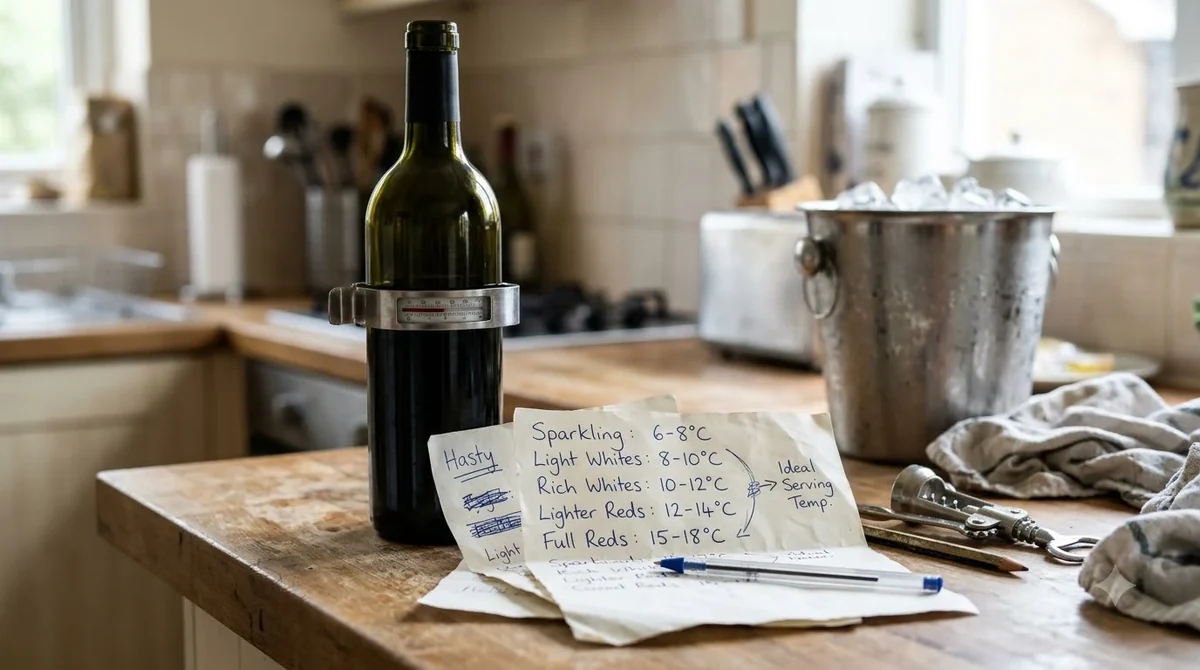
Port is traditionally poured after a meal in a small glass, but the house takes a relaxed view of glassware. Its site says that “any receptacle is acceptable” for a straight serve, so a regular wine glass works well at home. Ruby and tawny styles are generally enjoyed slightly cool rather than warm, and Fine White is best served chilled.
Cockburn’s also promotes the P&T, a port and tonic. The site presents it as an alternative to a gin and tonic, with the line “step aside gin.” A good mixer and a little ice are all it takes. For a longer drink, use Fine Ruby or Fine White, since the fresher flavors hold up better against tonic than a long-aged tawny.
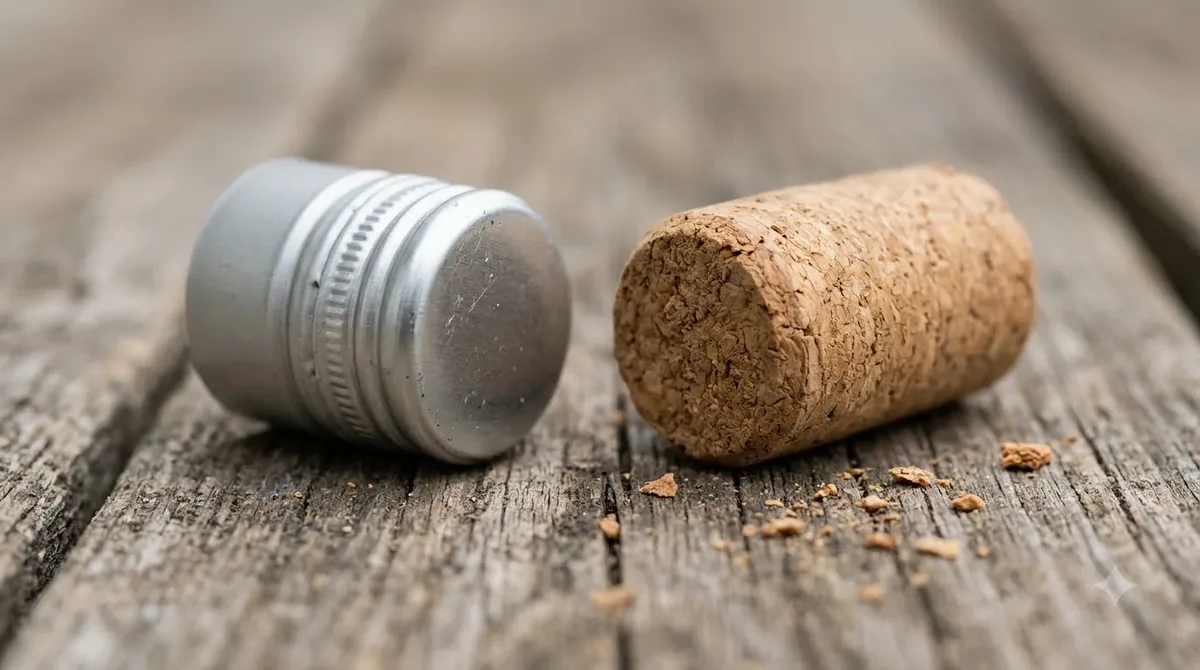
An opened bottle of port keeps much longer than table wine. Store it upright with the cork or stopper back in place, out of direct light and away from heat. Tawny styles generally hold their character for longer after opening than ruby styles do.
Food Pairings That Work With Cockburns
Tawny is the most versatile choice for food. Its nutty and caramel notes pair well with hard cheeses, walnuts, dried fruit and desserts built on caramel or toffee. Ruby works best with simple desserts that feature dark berries or chocolate, where the bright fruit can match the sweetness of the dish.
When you plan a menu around port, think about the order of the meal. A light style served early can open the evening, and a richer tawny can close it. Sharing a plate of hard cheese, figs and nuts alongside a tawny lets the wine and the food play off each other, which is why port is often the centerpiece of a cheese course rather than an afterthought.
Fine White is a better fit for lighter foods and appetizers than for heavy courses. A small glass before a meal is a simple way to introduce it, and it can take the place of a sweet vermouth in a cocktail. Special Reserve pairs with richer dessert courses when you want the bottle to hold its own.
How to Choose the Right Cockburns Bottle
Start with the occasion. For a casual pour, Fine Ruby is the most straightforward option, and it works well for people who are new to port. For a dinner party or a dessert course, Fine Tawny gives a more complex result. For a gift, Special Reserve feels more considered than a basic bottle, and the house markets it that way.
If you want to explore beyond the core range, the Tails of the Unexpected line is the place to look. The producer’s description suggests a more experimental approach, so it can be a good choice when you already know the basic styles and want to try something different. The wine brands guide on this site is a useful next step if you want to compare Cockburns with other producers, and if you prefer a dry table wine, Antinori red wine is a different style to look at.
A common mistake is to treat all port as a single product and buy the cheapest bottle without checking the style. Ruby and tawny are different drinks, and a buyer who expects a nutty tawny from a bottle labeled as ruby will be disappointed. Reading the style word first avoids that. It also helps to think about how many people you will be serving, because a port is poured in small amounts and a single bottle can last through several evenings.
Another habit worth building is to match the port to the course rather than to the price. A tawny that works well with a cheese plate can feel heavy with a rich chocolate dessert, while a ruby can feel thin next to a nutty tart. Trying two styles side by side is a practical way to learn which flavors you prefer, and it costs far less than building a cellar before you know your taste.
Frequently Asked Questions
Is Cockburns wine a dry wine?
No. Cockburns port is a fortified wine, and the styles in the range are generally sweet or medium sweet, with the sweetness varying by style. Buyers who prefer dry wine usually find a basic dry red or white more suitable for everyday meals.
What is the difference between Fine Ruby and Fine Tawny?
Fine Ruby is made to taste young, with bright red fruit. Fine Tawny is aged longer in wood, which gives nutty, caramel and dried-fruit flavors. Ruby suits casual drinking, while tawny suits slower sipping and dessert.
Should I chill Cockburns port before serving?
Fine White is best served chilled. Ruby and tawny styles are generally enjoyed slightly cool rather than warm. A short time in the refrigerator is enough for most bottles, and the producer’s own notes do not call for a specific temperature.
Which Cockburns style is best for a gift?
Special Reserve is the house’s premium tier, and its marketing positions it for a richer, more considered bottle. Fine Tawny is also a common choice for gifting when the recipient enjoys dessert wines.
Cockburns offers a clear entry point into port, with a range that moves from fresh ruby to richer tawny and a white style for lighter occasions. Start with the style that matches the evening, serve it at a suitable temperature, and use the wine brands guide to compare it with other producers. You can read the producer’s own description on the Cockburn’s website for the latest range details.
More in Wine Brands
 Underwood Wine Price: Compare Bottles, Cans, and Pack SizesUpdated Nov 21, 2026
 Zenato Wine Price: Compare Styles and Choose the Right BottleUpdated Nov 21, 2026
 Zuccardi Wine Price: Compare Bottles and Find the Right RangeUpdated Nov 21, 2026
 Yellow Tail Moscato Review: Taste, Sweetness and Serving TipsUpdated Nov 21, 2026
 Wolf Blass Yellow Label Review: Choose Your Best StyleUpdated Nov 21, 2026
 Wolffer Estate Rose Review: Choose the Right Bottle for Your TableUpdated Nov 21, 2026