

We may earn a commission when you buy through links on this page, at no extra cost to you. Learn more.
Cloudy bay red wine is best known for Te Wāhi, a premium Pinot Noir made by Cloudy Bay in Central Otago, New Zealand. This red combines dark berry fruit, fragrant spices, fresh acidity, and finely textured tannins. Its character comes from contrasting Central Otago vineyard sites, while French oak ageing adds depth and structure. It is particularly appealing alongside roasted lamb, game meats, and richly flavored dishes.
Cloudy Bay is widely associated with Marlborough Sauvignon Blanc, but its red wine deserves attention in its own right. Te Wāhi offers a different expression of New Zealand wine, drawing on the cooler southern region of Central Otago rather than the winery’s better-known Marlborough origins. Understanding the grape, vineyards, winemaking, and serving style helps explain what makes this bottle distinctive and how to enjoy it.
What Is Cloudy Bay Red Wine?
Cloudy Bay’s best-known premium red is Te Wāhi Pinot Noir, a wine from Central Otago rather than Marlborough. It combines the variety’s natural freshness with concentrated dark fruit, savory complexity, and a more structured profile than many lighter Pinot Noirs.
Te Wāhi is the name to look for when exploring Cloudy Bay’s red wine range. The name means “the place” in te reo Māori, a reference to the importance of vineyard location and the character that individual sites contribute to wine. It reflects the producer’s attention to the relationship between grape variety, soil, climate, and winemaking.
Pinot Noir is a particularly important grape in Central Otago. Unlike Cabernet Sauvignon, which typically produces more assertive tannins and a firmer structure, Pinot Noir generally offers lower to medium tannins, lively acidity, and expressive fruit. These characteristics make it versatile at the dinner table and approachable for drinkers who prefer red wine without an excessively heavy finish.
However, Te Wāhi is not simply a light, delicate red. Cloudy Bay describes it as powerful, with an opulent core of dark berry fruit and structured tannins. The combination of concentrated fruit, freshness, and oak influence gives the wine enough presence for substantial dishes.
It is also important to distinguish Te Wāhi from Cloudy Bay’s Marlborough Pinot Noir. The producer makes Pinot Noir in Marlborough as well, but Te Wāhi comes from Central Otago and represents a separate regional expression. The two wines should not be treated as interchangeable simply because they share the same grape variety and producer.
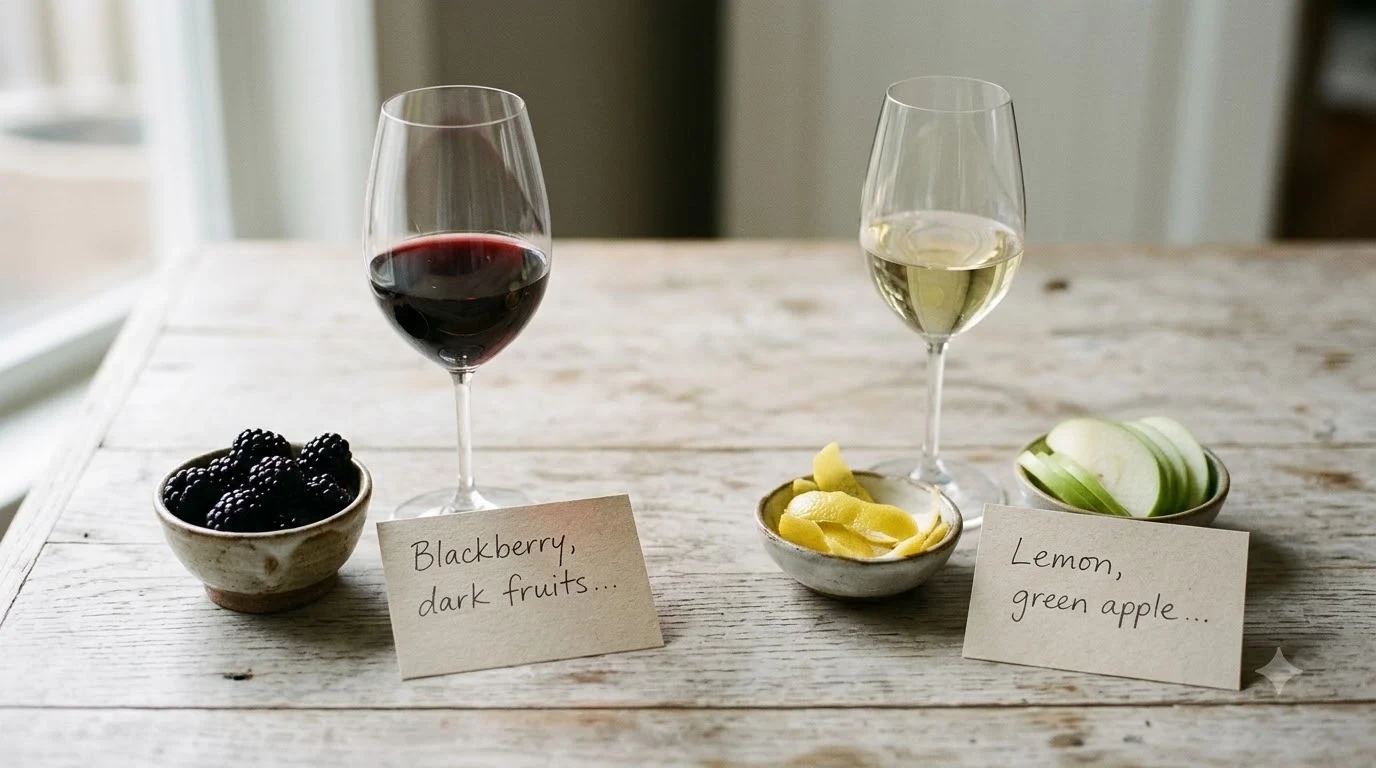
For readers already familiar with the winery’s white wines, the differences are substantial. Sauvignon Blanc emphasizes bright acidity, citrus, and herbaceous aromas, whereas Te Wāhi focuses on dark fruit, earthy details, and a more developed tannin structure. Articles covering Cloudy Bay Sauvignon Blanc tasting notes provide a useful comparison of the winery’s better-known white wine style.
Central Otago Origins and Vineyard Character
Central Otago is one of New Zealand’s most distinctive Pinot Noir regions. Its high-altitude vineyards, rocky soils, warm daytime conditions, and cool nights help produce wines with ripe fruit, fresh acidity, and a recognizable sense of place.
The region is in the southern part of New Zealand’s South Island. Its landscape includes mountain ranges, lakes, valleys, and vineyards established across different elevations and soil types. Central Otago Winegrowers identifies Pinot Noir as the region’s defining variety, noting the importance of warm sunny days and cool nights in shaping its wines. Its Central Otago Pinot Noir overview explains how altitude, rocky soils, and contrasting temperatures contribute to the regional style.
These contrasting conditions matter during grape development. Sunlight and daytime warmth support ripening and flavor concentration. Cooler nights help retain acidity and aromatic freshness. The resulting grapes can develop ripe fruit character without necessarily losing the freshness that makes Pinot Noir particularly attractive.
Cloudy Bay draws on two complementary vineyard sites for Te Wāhi: Northburn and Calvert. Their different growing conditions help explain why the finished wine can combine structure with aromatic richness.
Northburn: Structure and Intensity
Northburn sits on the steep eastern bank of Lake Dunstan. Its terraces contain rocky, glacial soils, creating a demanding growing environment for vines. Cloudy Bay associates this vineyard with fruit that contributes structure, intensity, and depth to Te Wāhi.
The site’s landscape and soil conditions help create a different expression from more fertile or sheltered vineyard locations. Northburn’s contribution is particularly important in providing the wine with a firm underlying structure rather than allowing the ripe fruit to dominate completely.
Calvert: Fragrance and Elegance
Calvert is located in Bannockburn. Its silty, loamy soils are associated with an ancient lake bed, and its gently rolling terrain produces a contrasting style of Pinot Noir.
Cloudy Bay describes Calvert’s contribution as opulent and fragrant. Its fruit helps add aromatic complexity and a smoother, more generous impression to the finished wine. The combination of Calvert and Northburn allows the winemaker to balance different vineyard characteristics in a single bottle.
These two sites illustrate why regional origin alone does not tell the entire story of a wine. Individual vineyards can contribute different textures, aromas, and structural elements even when they grow the same grape variety in the same broader region.
For additional background, Cloudy Bay’s Central Otago vineyard description explains the contrast between the rocky Northburn slopes and the gentler, loamy Calvert site. This distinction helps explain the balance between power and elegance in Te Wāhi.
Flavor Profile, Aroma, and Tannin Structure
Cloudy Bay Te Wāhi typically offers concentrated berry fruit, savory details, gentle spice, and fresh acidity. Its tannins provide structure without overwhelming the fruit, making it a fuller and more substantial interpretation of Pinot Noir.
The exact profile changes between vintages, so it is useful to consider individual releases rather than assuming every bottle tastes identical. The 2022 and 2021 vintages provide two good examples of the wine’s different aromatic expressions.
Fruit and Aromatic Character
Cloudy Bay describes its 2022 Te Wāhi as initially reserved on the nose, gradually revealing aromas of damson, raw cacao, and star anise. Damson contributes a dark plum-like fruit character, while cacao and star anise introduce more savory and spice-driven dimensions.
On the palate, the 2022 vintage features blackberry, plum, and sweet sloe. Fragrant spice, subtle vanilla, and a graphite-like freshness add complexity. The combination makes the wine more layered than a straightforward fruit-forward Pinot Noir.
The 2021 vintage offers another interpretation. Its producer tasting description includes dark chocolate, cherry liqueur, damson jelly, cold-brew coffee, and crushed mint. These details suggest a wine with ripe fruit concentration and savory accents, supported by lively acidity.
What Independent Reviews Say
Wine Enthusiast awarded the 2021 Cloudy Bay Te Wāhi Pinot Noir 93 points. Its reviewer highlighted blueberry and blackberry fruit, supported by dried herbs, cedar, and licorice. The review also described a rounded, concentrated palate with tangy acidity and fine-grained tannins.
That combination of observations helps explain the wine’s appeal. The dark berry flavors provide immediate recognition, while cedar, herbs, and licorice add dimensions that become more apparent with time in the glass.
The tannins are an important part of the overall experience. Pinot Noir usually has lower to medium tannin compared with Cabernet Sauvignon or Syrah, and Te Wāhi maintains this general varietal character while offering enough structure to complement richer food.
Fresh acidity also prevents the concentrated fruit from feeling excessively heavy. Rather than producing a soft, sweet impression, the wine balances ripe flavors with a dry finish and a savory edge.
How Cloudy Bay Te Wāhi Is Made
Cloudy Bay uses a combination of open-top fermentation, partial whole-bunch inclusion, extended maceration, and French oak ageing to develop Te Wāhi’s texture and complexity. These steps help retain the character of the Pinot Noir fruit while building a more structured wine.
The grapes are predominantly destemmed before fermentation. Removing stems helps control the influence of green or woody characteristics, although Cloudy Bay also includes some whole bunches to introduce additional aromatic and structural elements.
Open-top fermentation tanks allow the winemaking team to manage contact between grape skins and juice. This contact is important for extracting color, flavor, and tannins from Pinot Noir grapes. The approach provides flexibility when working with different vineyard parcels and ripeness levels.
Maceration and Fermentation
After alcoholic fermentation, Te Wāhi undergoes extended maceration. This process allows additional time for the wine to interact with grape skins, helping develop texture and structural complexity. The length and handling of this stage influence how much tannin and flavor are extracted.
Cloudy Bay also uses spontaneous malolactic fermentation. During this process, naturally occurring or selected lactic acid bacteria convert sharper malic acid into softer lactic acid. This is a common stage in red wine production and contributes to the final texture and balance.
French Oak Ageing
After fermentation and maceration, the wine spends a year or more ageing in French oak barrels before bottling. Oak can contribute subtle spice, vanilla, and additional textural complexity, depending on the barrels and the length of maturation.
The purpose is not simply to make the wine taste like wood. Oak ageing gives the different components time to integrate, helping the fruit, acidity, and tannins develop a more unified character.
Cloudy Bay’s approach is particularly relevant for Pinot Noir because the variety can lose its delicate aromatic character if oak becomes too dominant. A successful balance allows the wine’s berry fruit and floral qualities to remain recognizable while the barrel contributes depth.
Tip: If you want to understand the oak influence in Te Wāhi, allow the wine a little time in the glass before judging its aroma. Dark fruit and floral details may become more apparent as the initial aromas open up.
Food Pairings That Work Particularly Well
Cloudy Bay Te Wāhi pairs particularly well with roasted meats, game, duck, and earthy vegetable dishes. Its fresh acidity cuts through richer textures, while its dark fruit and savory notes complement browned meat, herbs, and roasted ingredients.
Cloudy Bay specifically recommends game meats and roasted vegetables. It also suggests slow-roasted lamb shoulder with grilled root vegetables and beef Wellington with parsnip purée. These combinations work because the wine has enough flavor concentration to stand alongside substantial food without overwhelming it.
Lamb and Beef
Slow-roasted lamb shoulder is a particularly natural match. Lamb has a rich texture and savory flavor that works well with Pinot Noir’s fruit and acidity. Roasted carrots, parsnips, onions, and potatoes provide additional sweetness and earthy notes that complement the wine.
Beef Wellington is another strong option. The beef supplies richness, while the mushroom filling introduces earthy flavors that suit Pinot Noir. The pastry and parsnip purée contribute texture and a slightly sweet element, creating a balanced combination with the wine’s acidity.
Duck and Game
Roast duck with a cherry or plum-based sauce is another pairing worth considering. Duck has enough richness to match Te Wāhi’s concentration, and its savory skin provides a satisfying contrast to the wine’s fruit character.
Venison and other game meats are also suitable choices. Their pronounced savory flavors work with the wine’s dark berry profile, herbs, and structured finish. A preparation involving rosemary, thyme, mushrooms, or roasted root vegetables can strengthen the connection between the food and wine.
Vegetarian Dishes
Meat is not essential for a successful pairing. Roasted mushrooms, grilled eggplant, lentil dishes, and vegetable preparations with herbs can provide enough savory depth to match the wine.
For example, roasted portobello mushrooms with thyme and garlic offer earthy flavors that complement the wine’s forest-floor and spice characteristics. A mushroom risotto can also work, particularly when its richness is balanced by fresh herbs and moderate seasoning.
Highly acidic sauces deserve some care. Acidic food can make a wine seem softer and less lively, so dishes featuring generous vinegar or citrus should be balanced with sufficient acidity in the wine. Pinot Noir’s natural freshness makes it more adaptable than many heavier reds, but very sharp dressings can still dominate its flavor.
For a lighter alternative, grilled salmon can sometimes work with a fresher, less tannic Pinot Noir. However, strongly oily fish and heavily tannic reds are generally a difficult combination. Te Wāhi’s Pinot Noir structure is more naturally suited to poultry, mushrooms, and meat dishes than to intensely oily seafood.
Serving Temperature, Decanting, and Storage
Cloudy Bay Te Wāhi is best served slightly cool, around 54–59°F according to the producer’s recommendation for the 2022 vintage. Proper temperature helps preserve Pinot Noir’s aromatic freshness while allowing its fruit, spice, and tannins to show clearly.
Although some people serve red wine at ordinary room temperature, a warm room can make alcohol seem more prominent and reduce the wine’s sense of freshness. This is particularly relevant for concentrated Pinot Noir with noticeable oak influence.
Recommended Serving Details
| Serving detail | Recommendation | Reason |
|---|---|---|
| Serving temperature | 54–59°F | Preserves freshness and aroma |
| Glass size | About 5 oz per pour | Allows room for swirling |
| Standard bottle | 750 ml | Approximately five standard glasses |
| Decanting | 30–60 minutes for a young, full red when needed | Allows the wine to open |
| Storage temperature | Near 55°F | Helps maintain consistent storage conditions |
| Storage position | On its side for cork closures | Keeps the cork in contact with wine |
For the best results, chill the bottle briefly if it has been stored in a warm room. Avoid serving it directly from an excessively cold refrigerator, as very low temperatures can mute aromatic details and make the tannins seem more prominent.
Does Te Wāhi Need Decanting?
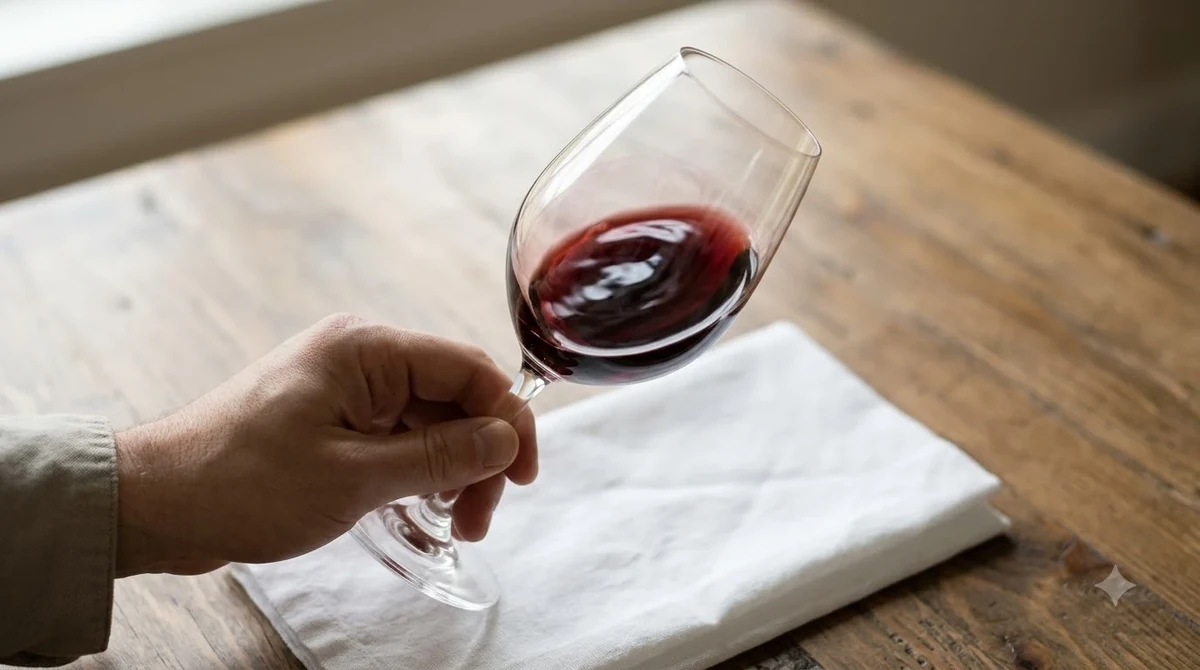
Decanting is optional rather than essential. A young bottle may benefit from 30–60 minutes of aeration if its aromas seem restrained immediately after opening. This gives the wine an opportunity to develop and can make its fruit and spice characteristics easier to recognize.
Older bottles require more caution. Extended exposure to air can diminish delicate aromas, especially in mature Pinot Noir. If you have an older vintage, pour a small amount first and assess its condition before deciding whether decanting is necessary.
Storing an Open Bottle
Once opened, recork the bottle and place it in the refrigerator. Most opened still wines retain their best qualities for approximately three to five days, although the actual period depends on the wine’s age, storage conditions, and exposure to oxygen.
Bring the wine back toward its recommended serving temperature before pouring another glass. Keeping an opened bottle cool slows oxidation and helps preserve its fruit character.
For unopened bottles, a cool, dark storage area near 55°F is a useful target. Avoid prolonged exposure to sunlight, strong temperature fluctuations, and excessive heat. Bottles with natural cork closures are generally stored horizontally.
Vintage Differences and Choosing the Right Bottle
Te Wāhi changes with each growing season, so vintage selection matters when comparing its flavor, structure, and development potential. The 2021 and 2022 releases demonstrate how the same producer and region can produce different expressions of Pinot Noir.
The 2021 vintage offers dark chocolate, cherry liqueur, mint, damson, and coffee-like details in the producer’s description. Wine Enthusiast also highlights blueberry, blackberry, dried herbs, cedar, and licorice. Together, these observations suggest a concentrated style with a lively underlying acidity and fine tannins.
The 2022 vintage has a different aromatic emphasis. Its opening aromas include damson, raw cacao, and star anise, while blackberry, plum, sweet sloe, and fragrant spice appear on the palate. The overall profile retains the dark fruit character associated with the wine but introduces a more reserved opening and a distinctive graphite-like freshness.
Understanding Vintage Variation
Weather during flowering, summer, and harvest influences the development of Pinot Noir grapes. Warm growing conditions can encourage ripe fruit flavors, while cooler nights help retain acidity. Rainfall and harvest timing also affect grape concentration and the balance of ripeness.
Central Otago’s combination of warm days and cool nights makes it possible to achieve both flavor development and freshness. Nevertheless, differences between individual seasons mean that two vintages should not be expected to taste exactly alike.
Vineyard selection can also change. For example, Cloudy Bay’s 2022 Te Wāhi tasting material identifies Northburn as the source of that vintage’s fruit, whereas the producer’s general description of Te Wāhi discusses the complementary characteristics of Northburn and Calvert. This illustrates why vintage-specific information is important when comparing bottles.
Is It Suitable for Cellaring?
Te Wāhi has the fruit concentration, acidity, and tannin structure associated with a Pinot Noir that can develop in the bottle. Cloudy Bay recommends drinking its 2022 vintage now or allowing it to age for approximately 5–10 years. That recommendation applies to the specific release and should not automatically be transferred to every vintage.
For collectors, storage conditions matter as much as the original wine style. A bottle kept in a consistently cool environment is more likely to develop as intended than one exposed to repeated temperature changes. Near 55°F, with minimal light and vibration, is a sensible storage target.
For everyday enjoyment, there is no need to wait for a specific age. A young Te Wāhi can be enjoyed for its dark fruit, freshness, and fine tannins. Bottle ageing is an option for those who prefer more developed savory and earthy characteristics.
When comparing vintages, consider the producer’s tasting notes alongside independent reviews. The Wine Brands section also provides a starting point for understanding how different producers express their regions and grape varieties.
Frequently Asked Questions
Does Cloudy Bay make Cabernet Sauvignon or Merlot?
Te Wāhi is the signature premium red discussed in this article, and it is made from Pinot Noir rather than Cabernet Sauvignon or Merlot. The grape choice is significant because Pinot Noir generally produces a more aromatic style with lower to medium tannins. Cabernet Sauvignon typically has considerably firmer tannins and a different flavor structure.
Is Te Wāhi named after a vineyard?
No. Te Wāhi means “the place” in te reo Māori. The name reflects the importance of terroir and the relationship between the wine and its Central Otago origins rather than identifying a single vineyard parcel.
Is Cloudy Bay Te Wāhi suitable for a vegetarian dinner?
Yes. Pinot Noir can pair successfully with vegetarian dishes that have savory depth. Roasted mushrooms, lentil preparations, and grilled eggplant are useful choices. For a more specific match, mushroom Wellington provides earthy flavors and a rich pastry texture that complement the wine.
Does Te Wāhi contain oak-aged flavors?
Yes. Cloudy Bay matures Te Wāhi in French oak barrels for a year or more before bottling. The wine’s tasting descriptions include subtle vanilla and spice characteristics, while some vintage descriptions also mention cedar and chocolate-like notes. Oak is part of the wine’s structure rather than its only defining flavor.
What is the difference between Northburn and Calvert soil?
Northburn has rocky, glacial soils on the eastern bank of Lake Dunstan, while Calvert has silty, loamy soils associated with an ancient lake bed in Bannockburn. These contrasting geological conditions contribute to different fruit characteristics. Northburn is associated with structure and intensity, whereas Calvert contributes aromatic richness and elegance.
Cloudy Bay Te Wāhi is a distinctive New Zealand Pinot Noir that brings together Central Otago fruit, contrasting vineyard characteristics, and careful French oak ageing. Its combination of dark berries, fresh acidity, savory complexity, and silky tannins makes it a particularly appealing choice for roasted lamb, duck, game, and mushroom-based dishes. For anyone familiar with Cloudy Bay Sauvignon Blanc, Te Wāhi offers an opportunity to explore a more structured and concentrated side of the producer.
More in Wine Brands
 Underwood Wine Price: Compare Bottles, Cans, and Pack SizesUpdated Nov 21, 2026
 Zenato Wine Price: Compare Styles and Choose the Right BottleUpdated Nov 21, 2026
 Zuccardi Wine Price: Compare Bottles and Find the Right RangeUpdated Nov 21, 2026
 Yellow Tail Moscato Review: Taste, Sweetness and Serving TipsUpdated Nov 21, 2026
 Wolf Blass Yellow Label Review: Choose Your Best StyleUpdated Nov 21, 2026
 Wolffer Estate Rose Review: Choose the Right Bottle for Your TableUpdated Nov 21, 2026