

We may earn a commission when you buy through links on this page, at no extra cost to you. Learn more.
The clos du bois wine price typically ranges from about $9 to $13 for standard 750 ml bottles, while selected reserve and Alexander Valley wines can cost more. Chardonnay, Merlot, Cabernet Sauvignon, Sauvignon Blanc, and Pinot Grigio are among the varieties shoppers can find. The exact amount depends on the wine, collection, retailer, location, vintage, and bottle size, so comparing the specific label is more useful than relying on one brand-wide figure.
Clos du Bois occupies an accessible part of the California wine market, with a selection that includes familiar everyday varieties and more distinctive reserve bottlings. Its Chardonnay is particularly prominent, but shoppers looking for red wine have several alternatives. Understanding the differences between the collections and grape varieties makes it easier to choose a bottle that fits both a meal and a shopping budget.
Who This Is For: Clos du Bois Shoppers and Everyday Wine Drinkers
Clos du Bois is worth considering for shoppers who want recognizable California varietals without automatically moving into premium-priced wine territory. Its range includes approachable whites, fruit-forward reds, and selected regional bottlings for people who want something with a little more distinction.
The brand was founded in 1974 by Frank Woods, who envisioned combining French winemaking traditions with California grapes. The winery describes its philosophy as producing balanced wines with recognizable varietal character. Its portfolio includes California Collection and Sonoma Reserve wines, giving shoppers more than one level to consider.
For everyday drinking, the standard Chardonnay, Merlot, and Cabernet Sauvignon are useful starting points. They offer familiar grape varieties that work with ordinary meals, casual dinners, and informal gatherings. Chardonnay is a practical choice for someone who prefers a medium-bodied white with pear, apple, vanilla, and buttery characteristics. Merlot is worth considering for someone who wants a softer red, while Cabernet Sauvignon is more suitable for drinkers who prefer firmer tannins and darker fruit flavors.
The brand also suits shoppers who want to compare different expressions of the same grape. Its California Chardonnay, Buttery Chardonnay, and Tropical Chardonnay have distinct flavor descriptions, even though all three are based on Chardonnay. That makes the range particularly interesting for someone who has already decided on the grape but is still choosing a preferred style.
Clos du Bois is not necessarily the right choice for every wine enthusiast. Someone seeking a highly collectible bottle, a rare vineyard designation, or a complex wine for long-term cellaring may prefer to explore other producers and regions. However, people who prioritize familiar grape varieties, accessible styles, and practical everyday drinking can find plenty to compare.
Shoppers who are new to the brand can begin with our overview of Clos du Bois wine, which explains the broader selection and helps distinguish the principal bottlings.
Key Factors That Affect Clos du Bois Wine Price
The most useful comparison starts with the grape variety and collection rather than the brand name alone. A standard California bottling and a regional reserve wine can occupy different retail categories, even when they come from the same producer.
Grape variety and wine style: Standard Chardonnay, Merlot, and Cabernet Sauvignon are generally positioned as accessible selections. Sauvignon Blanc and Pinot Grigio provide additional white-wine choices, while Pinot Noir gives red-wine drinkers an alternative to Cabernet and Merlot.
Collection and origin: The California Collection and Sonoma Reserve wines should be considered separately. A regional designation such as Alexander Valley can also distinguish a particular Cabernet Sauvignon from a standard California bottling. More specific regional sourcing and a different collection position can affect what retailers charge.
Bottle size: The standard 750 ml bottle is the most useful reference for comparing like-for-like purchases. Larger formats can offer more wine per bottle, but the total amount paid will be higher. Smaller formats may be convenient for individual servings or occasions when opening a full bottle is unnecessary.
Vintage and availability: Retailers may carry different vintages at the same time. Older stock, a limited local selection, and differences in distribution can all affect what is available. Total Wine explicitly notes that its listed wine prices, vintages, and availability can vary by store.
Retailer and location: State alcohol regulations, local distribution, inventory, and retailer pricing policies all influence the amount shoppers encounter. A bottle listed at one national chain may have a different shelf price at an independent wine shop. Shipping and applicable taxes can also change the final purchase total.
| Clos du Bois category | Typical US retail range | What to expect |
|---|---|---|
| Standard Chardonnay | About $9–$13 | Medium-bodied, pear, apple, oak |
| Buttery Chardonnay | About $9–$13 | Vanilla, caramel, richer texture |
| Pinot Grigio | About $9–$13 | Peach, melon, citrus |
| Sauvignon Blanc | About $9–$13 | Lime, lemongrass, fresh fruit |
| Merlot | About $10–$15 | Plum, cherry, mocha |
| Standard Cabernet Sauvignon | About $9–$15 | Black currant, blackberry, oak |
| Selected regional or reserve wines | About $18–$30 | More specific regional or collection positioning |
These are approximate shopping ranges rather than guaranteed manufacturer prices. The standard Chardonnay range is supported by listings from Total Wine, which shows the 750 ml bottling around the lower end, and Warehouse Wines & Spirits, which lists it toward the upper end. The same Warehouse Wines & Spirits retailer lists Merlot and Cabernet Sauvignon at different amounts within the broader standard-red category. Selected Alexander Valley and Sonoma Reserve Cabernet bottlings appear in higher retail brackets at Target and Divino, supporting the separate regional and reserve category. Prices vary by state and retailer.
For a more detailed look at the white-wine selection, compare the available styles in our Clos du Bois Chardonnay overview. The producer’s official Clos du Bois wine collection also provides descriptions of the individual bottlings and their tasting profiles.
Step-by-Step: How to Compare Clos du Bois Bottles Before Buying
A straightforward comparison can prevent shoppers from paying more for a wine style they do not actually prefer. Start with the intended occasion, compare the grape and collection, and then assess the retailer’s complete offer.
-
Decide whether you want red or white wine.
Begin with the meal or occasion. Chardonnay and Sauvignon Blanc are useful options for white-wine drinkers, while Merlot and Cabernet Sauvignon offer contrasting red-wine styles. Pinot Noir is another option if you prefer a lighter red.
-
Choose a grape variety.
For a richer white, consider Chardonnay. For a fresher, more citrus-driven profile, consider Sauvignon Blanc. Merlot generally has softer tannins than Cabernet Sauvignon, making it a useful option for people who do not enjoy a firm, structured red.
-
Compare the specific wine descriptions.
Clos du Bois lists ripe pear, citrus, creamy butter, and toasted oak for its California Chardonnay. Its Buttery Chardonnay emphasizes vanilla and caramelized pineapple, while the Tropical Chardonnay highlights pineapple, mango, and Meyer lemon. These descriptions help distinguish the styles before making a selection.
-
Identify the collection and regional designation.
Do not assume that every bottle carrying the Clos du Bois name belongs to the same category. Compare California Collection wines with Sonoma Reserve bottlings and note whether the bottle identifies a more specific growing region, such as Alexander Valley.
-
Compare the same bottle size across retailers.
Use 750 ml as the standard comparison size. A larger format should not be compared directly with a standard bottle without accounting for the extra volume. Look at the total cost and the amount of wine included.
-
Check the vintage and availability.
Two listings for the same wine may not refer to the same vintage. Confirm the wine’s identity, bottle size, and vintage before comparing the retailer’s offer. Availability can differ between stores, even within the same retail chain.
-
Make the final selection based on value and suitability.
A lower-priced bottle is not automatically the better purchase if its flavor profile does not suit your preferences. Consider whether you will serve the wine with food, drink it casually, or bring it to a gathering. Choose the style that best matches the occasion.
Tip: Compare two bottles of the same grape, collection, and size before making a decision. Comparing a standard California Chardonnay with a Sonoma Reserve Cabernet Sauvignon does not reveal which retailer offers better value because the wines occupy different categories.
Types and Styles Explained: What Your Money Gets
Clos du Bois offers several familiar grape varieties, but the wines differ considerably in fruit character, body, acidity, and tannin. Understanding those distinctions is more useful than choosing a bottle solely because it is the least expensive option on the shelf.
Chardonnay: A versatile California white
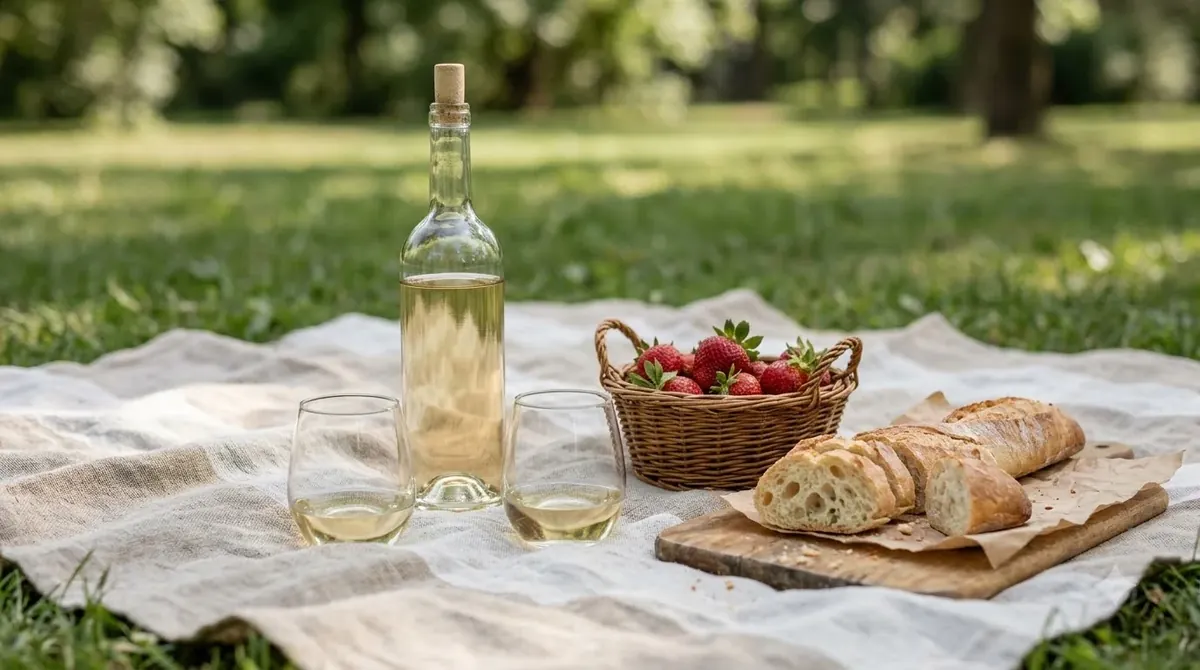
Chardonnay is one of the central styles in the Clos du Bois selection. The California Chardonnay is described by the producer with ripe pear, citrus, creamy butter, and toasted oak. Total Wine provides additional technical detail, describing a medium-bodied wine with pear, crisp green apple, vanilla, and toasted caramel.
According to Total Wine’s product information, approximately 70% of the Chardonnay is barrel-fermented, while partial malolactic fermentation contributes richness and a buttery component. This provides useful context for shoppers who prefer a rounded white wine rather than a particularly lean, sharply acidic style.
The Buttery Chardonnay is another option for drinkers who enjoy vanilla and caramel characteristics. The Tropical Chardonnay takes a fruitier direction, emphasizing pineapple, ripe mango, and Meyer lemon. For a more detailed comparison of the available expressions, see the brand’s Chardonnay selection.
Sauvignon Blanc: A fresher white-wine alternative
Sauvignon Blanc is a practical alternative for someone who finds oak-driven Chardonnay too rich. Clos du Bois describes its Sauvignon Blanc with lemongrass, lime zest, melon, and white peach. These flavors suggest a brighter, more citrus-oriented direction.
Sauvignon Blanc generally has high acidity, making it particularly useful alongside salads, seafood, goat cheese, and dishes with lemon-based sauces. It can also work with herb-driven foods that might overwhelm a richer, buttery Chardonnay.
Pinot Grigio: Light and approachable
Pinot Grigio is another white-wine option in the collection. The producer describes white peach, ripe melon, and pink grapefruit as its principal flavor characteristics. This style is a natural starting point for drinkers who want a lighter white wine without the noticeable oak and buttery texture associated with some Chardonnay bottlings.
Serve light white wines around 45–50 degrees Fahrenheit. This temperature helps preserve freshness without making the wine excessively cold and suppressing its aromas.
Merlot: A softer red-wine choice
The 2022 Clos du Bois Merlot is described with black plum, boysenberry, cherry, mocha, and vanilla. Its fruit-centered profile makes it a useful choice for people who enjoy dark fruit flavors but do not necessarily want the firmer structure of Cabernet Sauvignon.
Merlot typically has medium tannins and a softer texture than Cabernet Sauvignon. It works well with roasted chicken, grilled pork, mushroom dishes, and moderately seasoned beef. Serve it around 60–65 degrees Fahrenheit if it is a fuller-bodied red, allowing its aromas to develop without excessive warmth.
Cabernet Sauvignon: A firmer red with darker fruit
The producer describes its 2023 Cabernet Sauvignon with black currant, ripe blackberry, and toasted oak. Cabernet Sauvignon generally has high tannin, which creates a more structured impression than Merlot. This makes it a natural match for grilled beef, lamb, and dishes with enough fat to soften the wine’s tannic sensation.
Shoppers can also encounter regional Cabernet bottlings, including Alexander Valley selections. These should be considered separately from the standard Cabernet because the designation identifies a more specific regional expression and can place the wine in a different retail category.
Pinot Noir: A lighter red alternative
The 2024 Clos du Bois Pinot Noir is described with Bing cherry, cranberry, and spice. Pinot Noir typically has lower-to-medium tannin and relatively high acidity compared with Cabernet Sauvignon. That combination makes it a useful choice for roasted poultry, salmon, mushroom dishes, and meals where a heavy red would dominate.
Light reds are generally best served around 55–60 degrees Fahrenheit. A slight chill can make Pinot Noir particularly enjoyable with lighter meals.
Common Mistakes When Comparing Clos du Bois Wine
Several shopping mistakes can make a reasonable bottle seem overpriced or lead to a disappointing selection. The most common problems involve comparing different wine categories, ignoring bottle sizes, and overlooking the style of wine inside the bottle.
Comparing different collections as if they were identical: A standard California Chardonnay and a Sonoma Reserve Chardonnay should not automatically be treated as equivalent products. Their positioning, regional sourcing, and retail availability can differ. The same principle applies to standard Cabernet Sauvignon and a specifically designated Alexander Valley Cabernet.
Assuming all Chardonnay tastes the same: Clos du Bois offers California, Buttery, and Tropical Chardonnay expressions. One emphasizes pear, citrus, and toasted oak; another highlights vanilla and caramelized pineapple; the third focuses on tropical fruit. Choosing solely by the grape name overlooks these meaningful stylistic differences.
Choosing Cabernet when a softer red would suit the meal better: Cabernet Sauvignon generally has higher tannin than Merlot. If the meal involves lean poultry, delicate vegetables, or lightly seasoned food, a softer red may be more suitable. Merlot and Pinot Noir are useful alternatives depending on the desired body and acidity.
Ignoring food interactions: Highly acidic dishes need wine with equal or greater acidity, while salt and fat can soften the perception of tannin. Chili heat can feel stronger alongside alcoholic, tannic wines. Oily fish can also clash with tannic reds, making a fresh white or lighter Pinot Noir a more suitable pairing.
Assuming the largest bottle offers the best value: A 1.5-liter bottle contains twice the volume of a 750 ml bottle, but the total amount paid is usually higher. Calculate the cost per milliliter if the goal is to compare volume rather than convenience.
Ignoring the serving temperature: Warm white wine can seem heavy, while very cold red wine can appear harder and more tannic. A Chardonnay served around 50–55 degrees Fahrenheit will generally show its texture more clearly than one served straight from a very cold refrigerator.
Judging a bottle from one retailer listing: Retailer inventories change, and stores may carry different vintages or formats. A listing in one state does not establish a nationwide retail standard. Check the complete bottle description before making a purchase.
Care and Storage Tips for Better Wine Value
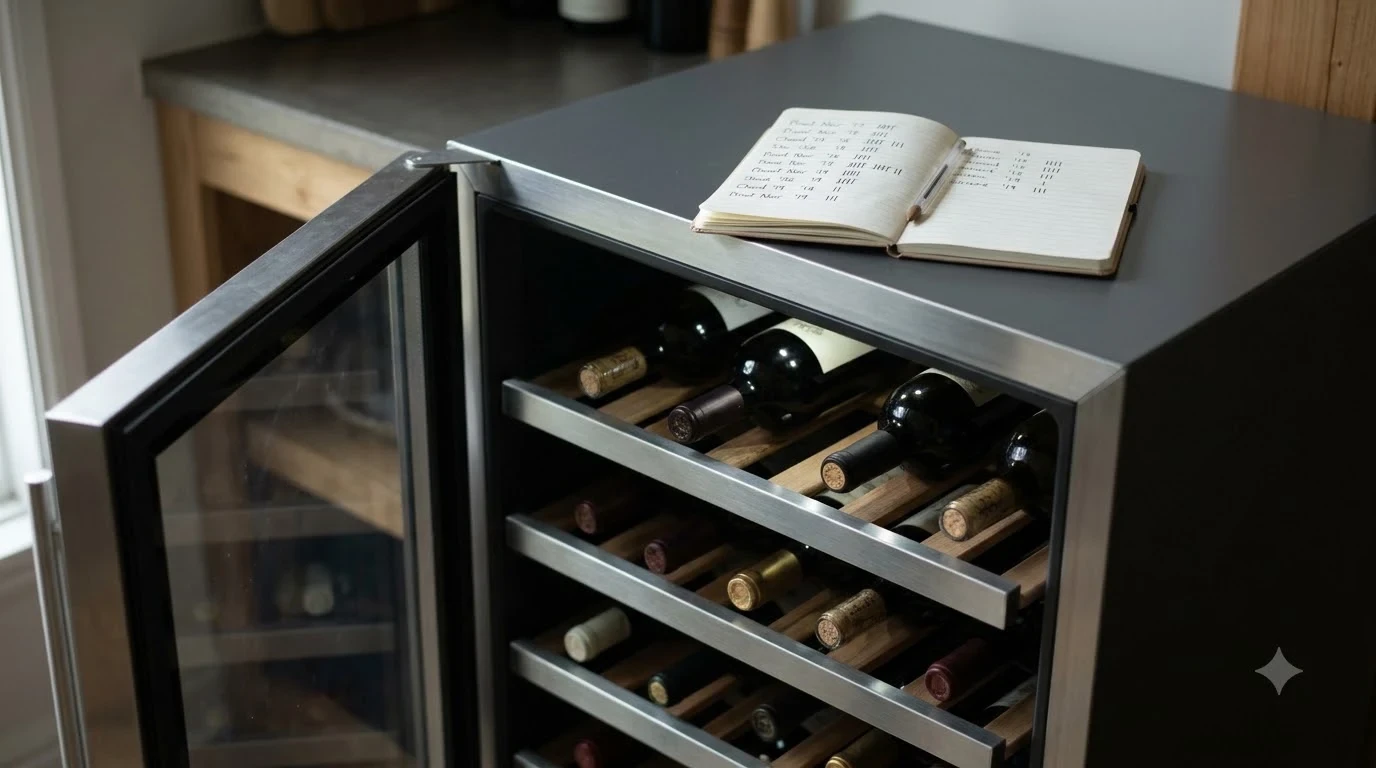
Proper storage helps preserve the wine after purchase, especially if you do not plan to open the bottle immediately. Consistent temperature, limited light exposure, and sensible serving conditions matter more than elaborate equipment for most everyday bottles.
Store unopened bottles at a stable temperature. A temperature near 55 degrees Fahrenheit is a useful general target for wine storage. Avoid placing bottles beside ovens, radiators, or windows where temperatures fluctuate significantly. Heat can accelerate wine deterioration, while direct sunlight can damage the wine’s aromas and overall character.
Position cork-finished bottles horizontally. Storing cork-sealed bottles on their sides helps maintain contact between the wine and the cork. This is particularly useful for bottles intended to remain unopened for an extended period. Screw-cap bottles do not require horizontal storage for cork-moistening purposes, although horizontal racks can still be convenient.
Serve each style at an appropriate temperature. The recommended general ranges are:
- Light whites such as Pinot Grigio and Sauvignon Blanc: 45–50 degrees Fahrenheit.
- Fuller-bodied Chardonnay: 50–55 degrees Fahrenheit.
- Light reds such as Pinot Noir: 55–60 degrees Fahrenheit.
- Fuller reds such as Cabernet Sauvignon and Merlot: 60–65 degrees Fahrenheit.
Serving temperature can make a noticeable difference. A Chardonnay that is too cold may seem muted, while a warm Cabernet can emphasize alcohol and make its structure feel heavier.
Use appropriate glassware and serving sizes. A standard wine pour is approximately 5 ounces. A 750 ml bottle contains approximately five such servings, making it a convenient reference when planning a dinner for several people. White wines benefit from glasses that help preserve their freshness, while larger bowls can provide more room for the aromas of red wines to develop.
Refrigerate opened wine. Once opened, reseal the bottle and store it in the refrigerator. Most opened still wines remain in reasonable drinking condition for approximately three to five days, although freshness varies with the wine, storage conditions, and amount of air in the bottle. A vacuum stopper can help slow oxidation.
Do not automatically decant every red wine. Young, full-bodied reds can benefit from approximately 30–60 minutes of aeration. A standard Merlot or Pinot Noir may need less time, depending on its structure and age. Pour a small amount first and assess whether the wine would benefit from additional exposure to air.
Good storage and serving habits help shoppers get more enjoyment from a bottle without spending more on specialized accessories. For everyday Clos du Bois wines, a cool storage area, a reliable refrigerator, and suitable glasses are generally sufficient.
Frequently Asked Questions
Is Clos du Bois an American wine brand?
Yes. Clos du Bois is a California wine brand founded in 1974 by Frank Woods. The name reflects a French influence in the brand’s original winemaking vision, but its wines are made from California grapes. The winery’s official website identifies Modesto, California, in its copyright information.
What does the name Clos du Bois mean?
The French expression can be translated as an enclosed woodland or a small enclosed area of woods. It reflects the French inspiration behind the brand’s identity. The name does not mean that the wines are produced in France; Clos du Bois is a California wine producer.
Does Clos du Bois make wine in large bottle formats?
Yes. Retail listings have included Chardonnay in a 1.5-liter format in addition to the standard 750 ml bottle. A 1.5-liter bottle is commonly called a magnum and holds approximately ten standard 5-ounce servings. Availability of larger formats depends on the retailer and local distribution.
Can Clos du Bois wines be used for cooking?
Yes. Dry Chardonnay can work in cream sauces, seafood preparations, and chicken dishes, while Cabernet Sauvignon and Merlot can be used in red-wine reductions and braised dishes. Choose a wine whose flavor profile complements the recipe, and avoid using a sweet or heavily flavored wine when the recipe calls for a dry style.
How many bottles should be purchased for a dinner party?
A standard 750 ml bottle provides approximately five 5-ounce servings. For eight adults having two glasses each, four bottles provide approximately twenty servings. Consider offering both a white and a red option if the menu includes seafood, poultry, and red meat.
Clos du Bois offers a practical selection of California wines, from approachable Chardonnay and Pinot Grigio to Merlot, Cabernet Sauvignon, and regional reserve bottlings. The smartest purchase is the bottle that matches your preferred grape, collection, and occasion rather than simply the lowest shelf price. Compare equivalent bottle sizes and vintages across retailers before choosing; Total Wine’s Clos du Bois Chardonnay listing provides one example of the product details and retailer-specific availability shoppers can compare.
More in Wine Brands
 Underwood Wine Price: Compare Bottles, Cans, and Pack SizesUpdated Nov 21, 2026
 Zenato Wine Price: Compare Styles and Choose the Right BottleUpdated Nov 21, 2026
 Zuccardi Wine Price: Compare Bottles and Find the Right RangeUpdated Nov 21, 2026
 Yellow Tail Moscato Review: Taste, Sweetness and Serving TipsUpdated Nov 21, 2026
 Wolf Blass Yellow Label Review: Choose Your Best StyleUpdated Nov 21, 2026
 Wolffer Estate Rose Review: Choose the Right Bottle for Your TableUpdated Nov 21, 2026