

We may earn a commission when you buy through links on this page, at no extra cost to you. Learn more.
Clos du Bois chardonnay is a California white from a winery founded in 1974 that offers several bottlings, from a classic everyday style to richer buttery and tropical versions. The current range listed on the brand’s website includes a 2024 California Chardonnay, a Buttery Chardonnay, a Tropical Chardonnay and a 2022 Reserve Chardonnay. The brand describes its approach as blending French winemaking techniques with the character of California vineyards.
Clos du Bois is one of the chardonnays that many American shoppers meet first at a grocery store or restaurant. The name appears on bottles that range from crisp and fruit-driven to rich and creamy, so it helps to know what each style means before you choose. This guide covers the main bottlings, the winemaking choices that shape them, and how to serve and pair them at home.
About the Clos Du Bois Brand
The brand’s website says Clos du Bois was founded in 1974 by Frank Woods, with a vision of bringing together French winemaking tradition and California’s finest grapes. The company cites more than 45 years of experience and says its wines are recognized by critics and enjoyed by wine lovers. That history gives the brand a long track record in the California market, which is one reason its chardonnays are easy to find.
The website describes the portfolio as having an accessible yet refined winemaking style. In practice, that means the wines aim to be approachable for everyday meals while still showing varietal character. Each vintage, the brand says, is meant to be well balanced and true to its grape, so you can expect a consistent approach across the range.
The Chardonnay Lineup
The brand’s current chardonnays are easiest to understand as a set of styles. The 2024 California Chardonnay is the core bottling, and it is the one most shoppers will see first. The Buttery Chardonnay and Tropical Chardonnay take the same grape in a more expressive direction, and the 2022 Reserve Chardonnay sits above them in the range. The names themselves suggest the difference, though the brand’s page does not spell out the exact winemaking for each one.
| Bottling on the brand site | Vintage listed | What the name suggests |
|---|---|---|
| California Chardonnay | 2024 | The everyday style, a balanced entry point |
| Buttery Chardonnay | 2024 | A richer, creamier texture with buttered or toasty notes |
| Tropical Chardonnay | 2024 | Ripe fruit flavors such as pineapple and mango |
| Reserve Chardonnay | 2022 | A more structured wine meant for more time in the bottle |
Because the website does not give tasting notes for each bottling, treat the names as a guide to the direction of the style rather than a promise of exact flavor. When you try a new vintage, note how the wine tastes against the one before it, and you will learn quickly which style you prefer. Keep a short note on your phone with the bottling, the vintage and two or three words about the taste, so the next time you shop you can pick with more confidence.
How Oak and Malolactic Fermentation Shape the Taste
Most of the difference between a lean chardonnay and a buttery one comes from two winemaking steps: malolactic fermentation and oak aging. Malolactic fermentation converts sharp malic acid into softer lactic acid, which gives the wine a creamier mouthfeel. It also produces diacetyl, a compound that contributes buttery aromas. Winemakers can allow it, limit it, or skip it, and that choice changes the wine noticeably.
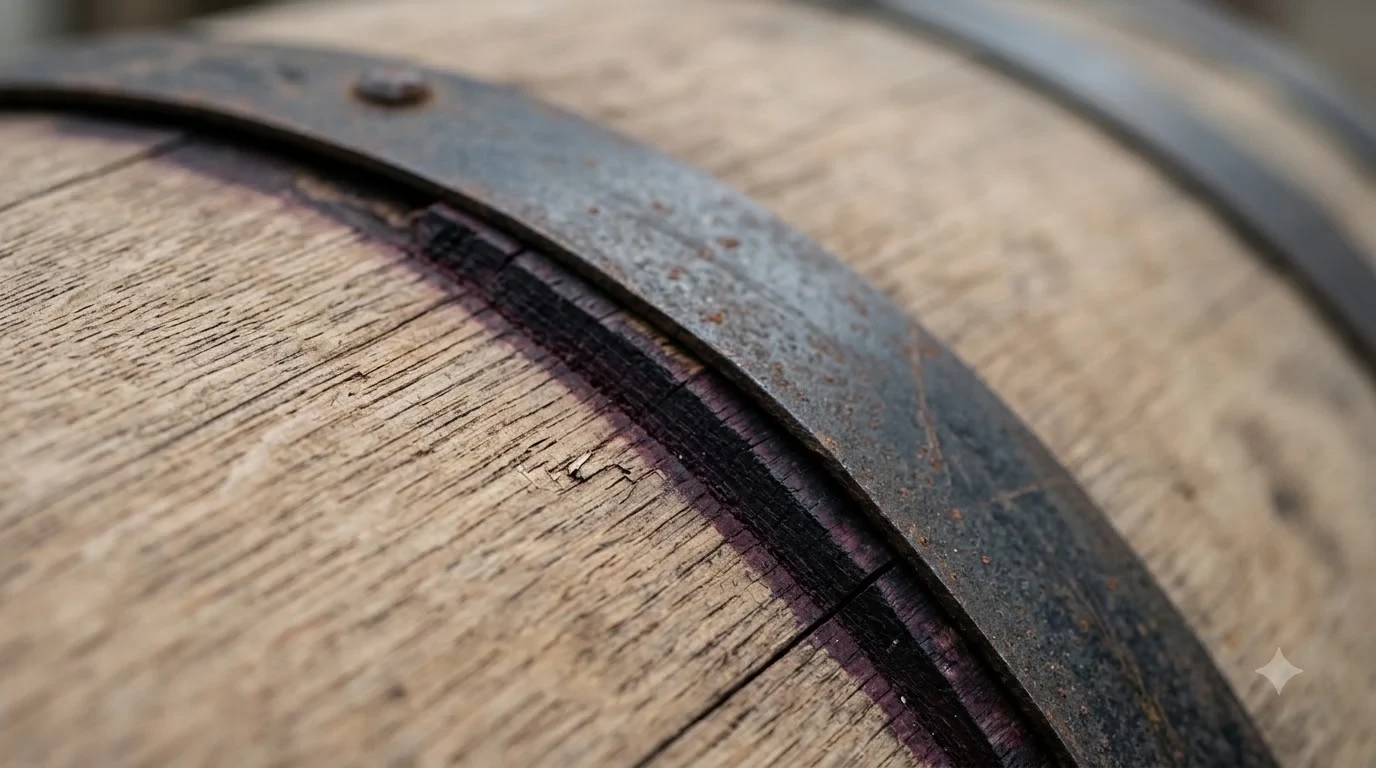
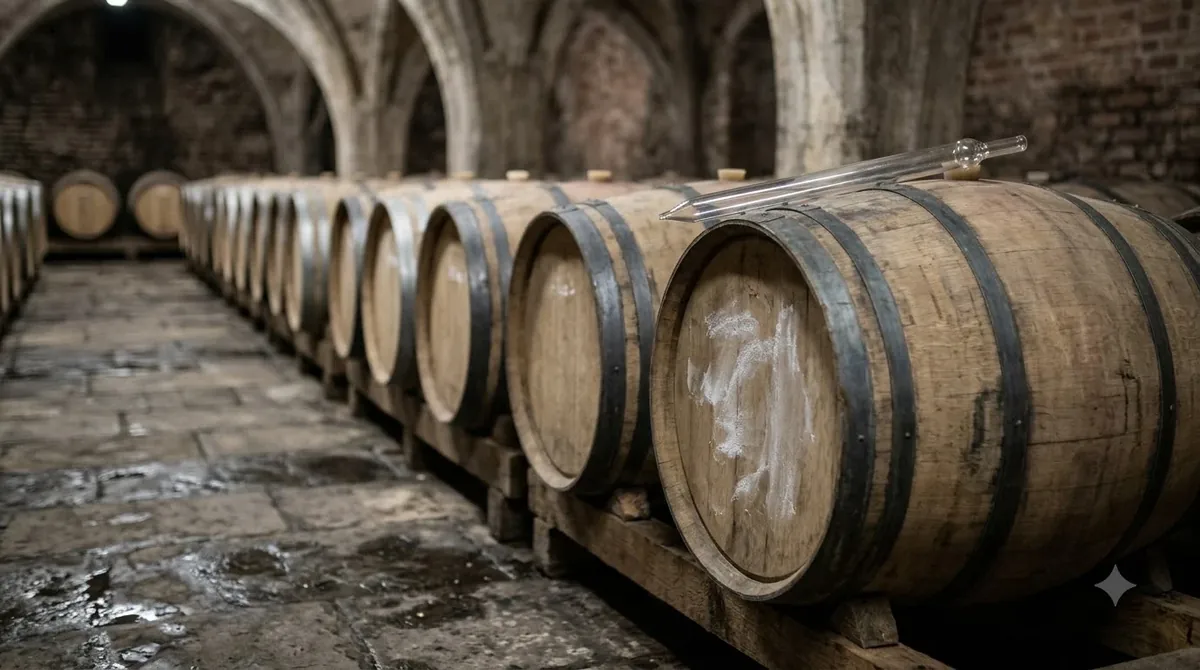
Oak adds its own layer. Barrel aging can bring vanilla, spice and a creamy quality, and the effect depends on the barrel size, the type of oak, the toast level and how long the wine stays in the barrel. Some producers also stir the lees during aging, which can add notes of brioche or biscuit and a silkier texture. The Buttery style in the Clos du Bois range most likely reflects these choices, while the lighter California bottling leans toward fresher fruit.
If you prefer a crisp chardonnay, look for a bottle that sounds less oaky and more fruit-led. If you like a round, rich white, a buttery or reserve bottling will suit you better. Neither style is better in general, and both have a place on the table.
Serving Temperature and Glassware
Serving temperature has a large effect on how a chardonnay tastes. Oaked styles show more texture and aroma when they are a little warmer than a refrigerator, while lean, unoaked wines taste crisper when they are cooler. A general target for most California chardonnays falls between the middle of the cool range and a slightly warmer point, so take the bottle out of the fridge for a few minutes before you pour.
A standard white wine glass with a moderate bowl works well. It concentrates the aromas without trapping too much heat from your hand. Pour a modest amount, which leaves room to swirl and lets the wine warm gently as you drink it. If the bottle is very cold when you open it, you will notice the fruit and oak less, so give it a few minutes before you judge the wine.
Tip: Chill a buttery chardonnay for about half an hour before serving, then let it sit on the table for five minutes. That brings out the richness without making it taste flat.
Food Pairing for Clos Du Bois Chardonnay
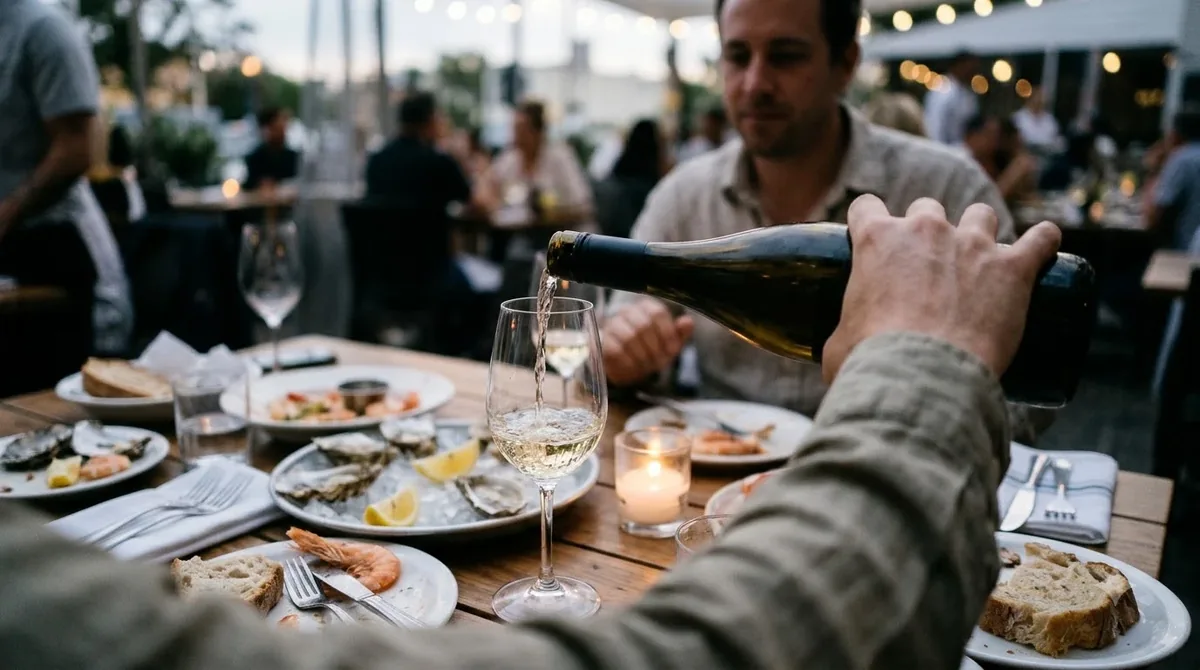
Pairing works best when you match the richness of the wine with the richness of the dish. A lean, fruit-forward chardonnay goes well with grilled chicken, shellfish, goat cheese and light pasta with lemon or herbs. A buttery bottling suits creamy sauces, roast chicken, pork loin and seafood cooked in butter. Reserve-style wines have enough structure to handle roasted vegetables, mushrooms and richer main courses.
Tropical styles are particularly good with spicy or sweet-savory food. The fruit can balance heat from curries and sweet glazes, so try a tropical bottling with a dish that has a little sweetness, such as a teriyaki-style chicken or a fruit salsa. Keep the spice level moderate, because very hot food tends to overpower any white wine.
Frequently Asked Questions
What is Clos du Bois chardonnay known for?
The brand is known for approachable California chardonnays in several styles. Its range includes a core 2024 California Chardonnay, a Buttery bottling, a Tropical bottling and a 2022 Reserve, so shoppers can choose between lean and rich versions.
Is Clos du Bois chardonnay buttery?
Only one bottling in the lineup carries the buttery name. The Buttery Chardonnay is the richest style in the range, while the California Chardonnay is the lighter, more everyday choice. Check the label before you buy if you have a preference.
Should I chill Clos du Bois chardonnay?
Yes, but not to the very cold temperature of a fridge straight out. A short time in the fridge followed by a few minutes on the table lets the fruit and oak show more clearly.
What food goes with Clos du Bois chardonnay?
Lean styles suit grilled chicken, shellfish and light pasta, while buttery and reserve styles handle creamy sauces, roast poultry and mushroom dishes. A tropical bottling works with mildly sweet or spiced food.
Clos du Bois chardonnay is a practical place to start if you want to learn how oak and malolactic fermentation change a white wine. Try the lean bottling first, then move to the buttery or reserve style to compare. For more ideas on comparing chardonnay styles, see our guides on Rombauer chardonnay and Kendall-Jackson chardonnay, and browse our wine brands guide for more producers.
For a general overview of how chardonnay styles differ between cool and warm climates, read the Wine Folly chardonnay guide. The Clos du Bois website has the current lineup and brand story.
More in Wine Brands
 Underwood Wine Price: Compare Bottles, Cans, and Pack SizesUpdated Nov 21, 2026
 Zenato Wine Price: Compare Styles and Choose the Right BottleUpdated Nov 21, 2026
 Zuccardi Wine Price: Compare Bottles and Find the Right RangeUpdated Nov 21, 2026
 Yellow Tail Moscato Review: Taste, Sweetness and Serving TipsUpdated Nov 21, 2026
 Wolf Blass Yellow Label Review: Choose Your Best StyleUpdated Nov 21, 2026
 Wolffer Estate Rose Review: Choose the Right Bottle for Your TableUpdated Nov 21, 2026