

We may earn a commission when you buy through links on this page, at no extra cost to you. Learn more.
The chinon wine region in France’s Loire Valley is best known for its Cabernet Franc red wines, along with smaller quantities of rosé and dry Chenin Blanc whites. Located in Touraine, west of Tours, Chinon produces everything from fresh, berry-driven reds to concentrated, structured bottles with significant aging potential. Its gravelly river terraces, limestone slopes, and clay-rich plateaus help explain these differences. Understanding the local geography makes it easier to recognize the styles and choose a bottle for the right meal.
Chinon is an appealing appellation for anyone interested in Cabernet Franc beyond the familiar examples from Bordeaux blends. Its wines combine lively fruit, refreshing acidity, and a range of textures that reflect their vineyard origins. Although red wine dominates production, the rosé and white wines deserve attention, too. This guide covers the region’s location, grape varieties, soils, wine styles, food pairings, and practical serving advice.
Where the Chinon Wine Region Is Located
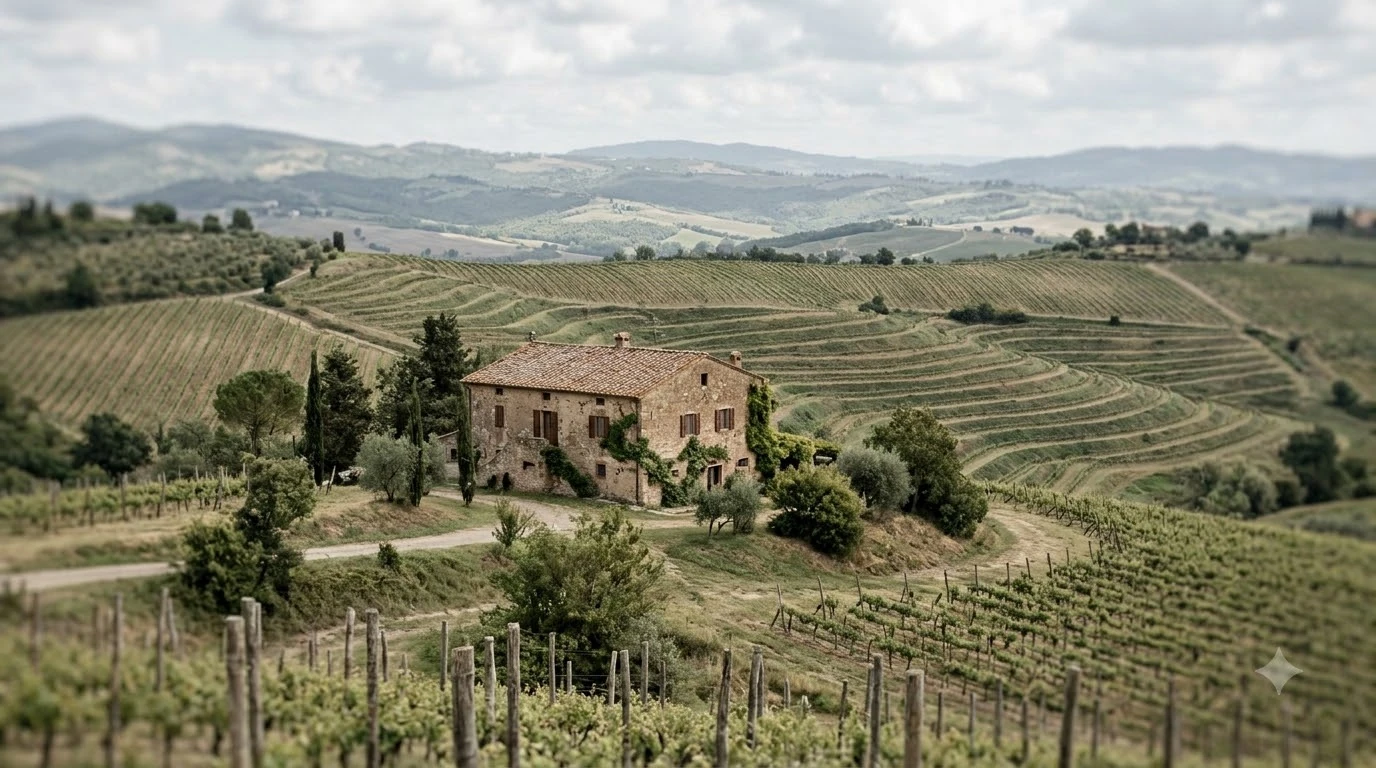
The Chinon wine region lies in Touraine, in the western part of France’s Loire Valley, near the town of Chinon and west of Tours. Its vineyards follow the Vienne River and reach toward the Loire, making the local river system an important influence on both vineyard geography and wine style.
Chinon belongs to the broader Loire wine landscape, but its identity is strongly associated with Cabernet Franc. The official appellation territory extends across 26 communes, according to the municipal information published for the Syndicat des Vins de Chinon. Vineyards occupy different elevations and exposures around the Vienne, creating a patchwork of growing conditions rather than one uniform vineyard landscape. The river valleys, slopes, and plateaus each contribute distinct conditions for vine growth and grape ripening.
The appellation has a long-established reputation. Chinon received recognition as an appellation of origin in 1937, placing it among the Loire’s historic wine-designated areas. Its location benefits from Atlantic weather influences moving inland through the Loire and Vienne valleys. This influence helps moderate temperatures, while the Chinon area is relatively warmer and drier than other parts of the Loire. That difference matters for Cabernet Franc, a grape that needs sufficient growing-season warmth to reach suitable ripeness. The combination of river influence and relatively favorable local conditions has helped establish Chinon as one of France’s important sources of Cabernet Franc.
Chinon is also connected with French literary and cultural history through François Rabelais, who was born near the town. The name Breton, traditionally associated with Cabernet Franc in the Loire, appears in this local history. Wine, food, and regional identity have long been connected in the area, and the vineyards remain part of a wider landscape of historic towns, villages, river crossings, and limestone architecture. For readers exploring French wine geography more broadly, the Wine Regions section provides useful context for understanding how appellations fit into larger wine-producing areas.
How Chinon’s Soil Types Shape Its Wines
Chinon’s soil differences are central to understanding why Cabernet Franc from one producer can taste noticeably different from another. Three broad groups stand out: sandy and gravelly river terraces, limestone slopes, and clay-rich plateaus with flint and sand.
The river terraces along the Vienne contain alluvial deposits of sand and gravel. These lighter soils are often associated with fresher, fruit-forward red wines. A young Cabernet Franc from this type of site may show cherry, raspberry, red currant, and lively herbal notes, supported by moderate tannin and bright acidity. These wines can be approachable without extended cellaring and are useful choices for everyday meals. The western Savigny-en-Véron area is particularly associated with sandy vineyard soils and lighter expressions of Chinon.
The limestone slopes tell a different story. Yellow tuffeau, a local form of Turonian limestone, appears along parts of the river corridors and surrounding hills. Wines from these sites can have greater concentration, firmer structure, and more pronounced aging potential. Their fruit may move toward black cherry, plum, and darker berry flavors, while the texture can feel denser and more persistent. Clay-limestone soils help contribute to this more substantial profile. These are often the bottles to consider when pairing Cabernet Franc with a richer meal or planning to hold a wine for several years.
The third broad group consists of plateau and hilltop soils containing flinty clay and sand. These sites add another layer of variation to the appellation. Clay affects water retention, while the stony and sandy components create different drainage conditions. Exposure and slope also influence how quickly the vines warm and how much sunlight the grapes receive. As a result, the soil description alone cannot predict every detail of a wine. Vine age, harvest decisions, ripeness, fermentation, and maturation also affect the finished bottle.
This diversity explains why it is misleading to describe every Chinon red as light and fruity. Some wines emphasize freshness and red fruit, while others carry darker flavors, more substantial tannins, and a longer finish. The official Chinon appellation overview from the Syndicat des Vins de Chinon highlights the relationship between its varied soils and the different expressions of Cabernet Franc. Learning to connect a vineyard location with its soil is one of the most useful ways to approach the region.
Cabernet Franc and the Other Grapes of Chinon
Cabernet Franc is the defining grape of Chinon, accounting for the identity of most of its red and rosé wines. Chenin Blanc is the essential white variety, giving the appellation a second style that is less common but well worth seeking out.
Cabernet Franc is an early-ripening red grape that can produce wines with fresh acidity, moderate to substantial tannin, and distinctive aromatic character. In Chinon, common aromas include raspberry, red cherry, blackcurrant, violet, and subtle herbal notes. Riper examples can develop darker fruit characteristics, including plum and blackberry. Some wines also show earthy, leafy, or peppery impressions, especially when the fruit is less overtly ripe or when the wine has developed with age. The combination of fruit, freshness, and structure is what makes Chinon Cabernet Franc so versatile at the table.
The grape is also associated with the local name Breton. This traditional name appears in the region’s history and in the literary references connected with François Rabelais. Cabernet Franc is grown across several Loire appellations, including Bourgueil and Saumur-Champigny, but Chinon’s distinctive mixture of valley terraces and limestone hillsides gives its wines a recognizable range. It is useful to think of Cabernet Franc as the common thread rather than a guarantee of one specific flavor profile. Two bottles from different Chinon vineyard sites can show considerably different levels of weight, tannin, and fruit concentration.
Chenin Blanc produces Chinon’s dry white wines. The variety is widely associated with the Loire and can offer crisp acidity, floral aromas, orchard fruit, and a textured finish. In Chinon, whites are a smaller part of production than reds, but they provide an alternative to the dominant Cabernet Franc style. A young example may suggest apple, pear, citrus, or fresh flowers, while more mature bottles can develop honeyed, dried-fruit, and richer aromatic notes. This combination of acidity and fruit makes the whites suitable for dishes that might be overwhelmed by a tannic red.
The rosé wines also rely principally on Cabernet Franc. They bring a lighter presentation of the grape, with red-fruit freshness and characteristic peppery and citrus notes. Rosé is a useful option for meals where a white wine would feel too delicate but a full-bodied red would be too substantial. The region’s three wine colors therefore offer different ways to experience its main grape varieties without losing their connection to local vineyard conditions.
Chinon Red, White, and Rosé Wine Styles
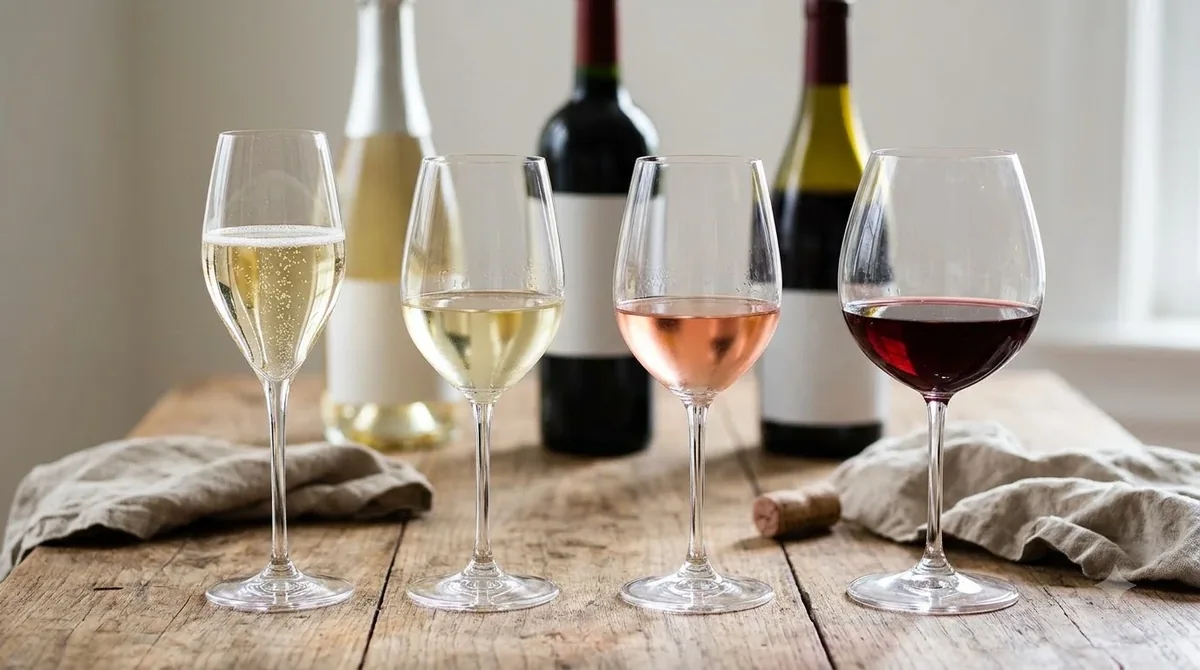
Chinon is overwhelmingly associated with red wine, but the appellation also produces dry rosé and white wines. Each style has a distinct role, and the differences between lighter and more structured reds are particularly important when choosing a bottle.
Red Chinon ranges from pale, vibrant wines with red-berry aromas to deep, concentrated examples with darker fruit and firmer tannins. Lighter versions often emphasize raspberry, red cherry, currant, and fresh herbs. Their lively character makes them enjoyable with relatively simple foods and allows them to work with dishes that might not suit a heavily oaked or very tannic red. A fresh red Chinon can be an especially good match for roast chicken, grilled vegetables, or a relaxed charcuterie spread. The fruit remains central, and the acidity helps keep the finish refreshing.
More substantial red examples may feature black plum, black cherry, earth, spice, and a greater sense of structure. According to Wine Enthusiast’s overview of Loire wines, Chinon can retain freshness while developing concentrated notes such as black plum, pencil shavings, and freshly turned earth. The tuffeau and clay-limestone sites are particularly associated with fuller-bodied and more age-worthy wines. Their firmer tannins and more concentrated fruit make them suitable for dishes with richer sauces, roasted meats, and slow-cooked preparations.
Dry white Chinon offers a different experience. Chenin Blanc brings natural acidity and a range of citrus, floral, and orchard-fruit aromas. Depending on the producer and vineyard location, the wine may feel delicate and direct or more textured and substantial. Its freshness is particularly useful with seafood, river fish, poultry, and vegetable dishes. As bottles develop, floral notes can become more complex, and honeyed or dried-fruit characteristics may emerge without necessarily making the wine sweet.
Rosé Chinon is generally dry and offers a combination of red-fruit, citrus, and peppery character. It can be served with salads, picnic foods, grilled poultry, and charcuterie. Its acidity makes it useful alongside dishes with vinaigrette or fresh herbs. It is also a sensible choice for a meal that moves from appetizers to lighter main courses, where a full red might not be the best fit.
The relative production of these colors reflects red wine’s importance. Wine Enthusiast reports a regional production breakdown of 86% red, 9% rosé, and 5% white. These figures help explain why Cabernet Franc receives most of the attention, but they should not make the smaller categories seem unimportant. White Chinon is a distinctive way to explore Chenin Blanc, while rosé demonstrates the versatility of Cabernet Franc. Together, the three styles provide a broader picture of the appellation than red wine alone.
Food Pairings for Chinon Cabernet Franc and Other Styles
Chinon is especially useful with food because its wines combine fresh acidity, moderate alcohol, and a range of tannin levels. The best pairing depends on whether the bottle is a light red, a more structured Cabernet Franc, a dry white, or a rosé.
Light-bodied red Chinon works well with roast chicken, turkey, pork tenderloin, grilled sausages, and mushroom dishes. Its red-fruit character complements the savory flavors of poultry and pork without overpowering them. For a simple dinner, serve a lightly chilled bottle with roast chicken, roasted root vegetables, and herbs. A vegetable dish based on mushrooms, lentils, or grilled eggplant can also be a good match. These foods have enough savory depth to complement Cabernet Franc while allowing its fruit and acidity to remain noticeable.
More concentrated Chinon is a natural partner for lamb, beef, duck, and slow-cooked meat dishes. A clay-limestone hillside wine with firm tannins can handle grilled steak, roasted lamb shoulder, or beef braised with herbs. Salt and fat soften the perception of tannin, making richer meat preparations especially suitable. Charcuterie, pâté, and aged cheeses can provide similar balance. For a particularly structured bottle, dishes with browned surfaces, roasted flavors, and savory sauces generally work better than lightly seasoned foods.
Acidic foods deserve some attention. Cabernet Franc has refreshing acidity, but a dish with strong vinegar or citrus can make a wine seem less balanced if its acidity is considerably lower. Choose a Chinon with comparable freshness for tomato-based preparations, vinaigrette-dressed vegetables, and dishes served with sharp herb sauces. Grilled vegetables with olive oil and herbs are a useful option because the oil softens tannin while the vegetables contribute savory and lightly sweet flavors.
Rosé Chinon suits charcuterie, quiche, grilled chicken, salads, and picnic dishes. Its red-fruit character can connect with cured meats, while its freshness helps with salty appetizers and lighter vegetable dishes. Dry white Chinon is particularly good with fish, shellfish, goat cheese, and poultry served with a light sauce. Chenin Blanc’s acidity can work well with dishes featuring lemon, fresh herbs, or creamy textures. The wine should have enough body to match the dish without allowing its flavor to disappear.
Chili heat requires more care with red Chinon. Alcohol and tannin can amplify the sensation of heat, so a high-alcohol, structured red is generally not the easiest match for very spicy food. A fresh rosé or dry white may be more comfortable alongside moderately spiced dishes. Similarly, oily fish such as salmon or mackerel is usually better with white Chinon than a tannic red, because oily fish and substantial red-wine tannins can clash. Matching the weight and acidity of the wine to the dish is more useful than relying on the grape name alone.
How to Serve, Store, and Age Chinon Wine
Serving temperature has a noticeable effect on Chinon, especially its Cabernet Franc reds. A modest chill preserves freshness in lighter wines, while more structured reds benefit from a slightly warmer serving temperature that lets their aromas develop.
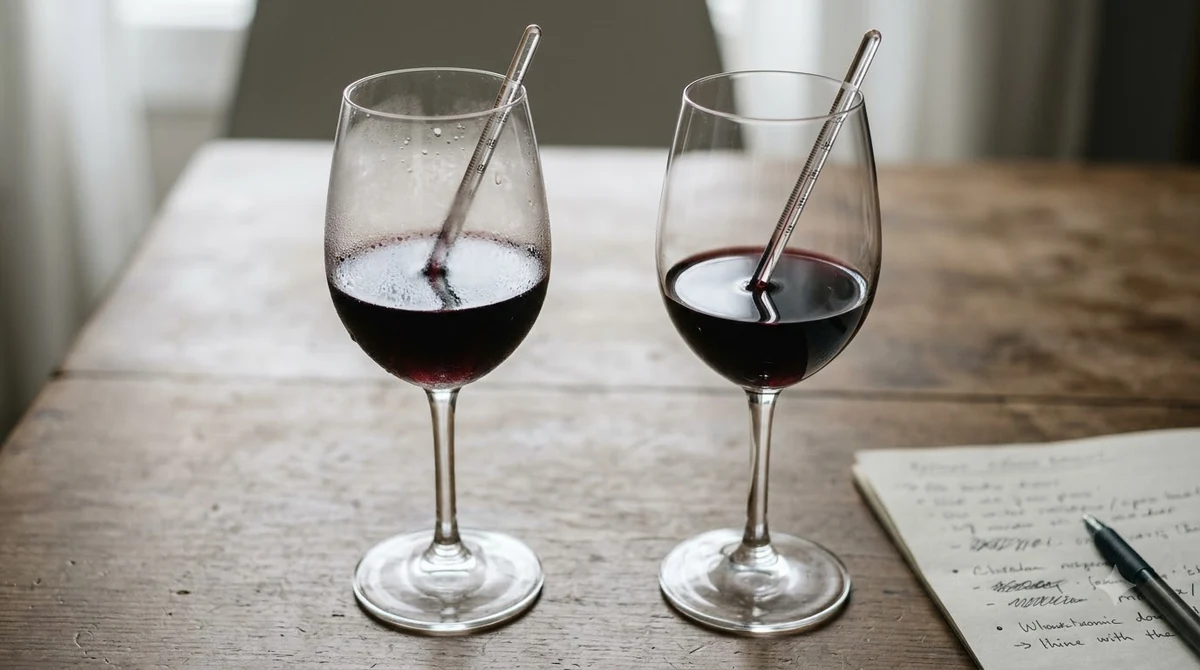
For lighter red Chinon, aim for 55–60°F. This temperature range helps emphasize cherry, raspberry, and fresh herbal aromas without making the wine feel too cold. Full-bodied and structured examples are generally better at 60–65°F, where their fruit and texture have more room to express themselves. Rosé is best served at 45–50°F, while dry white Chinon can be treated like a full-bodied white and served around 50–55°F. Avoid serving red wine too warm: a hot room can make alcohol seem more prominent and reduce the impression of freshness.
Decanting depends on the wine’s age and structure. Young, concentrated red Chinon can benefit from 30–60 minutes in a decanter, giving the wine time to open and allowing its aromatic components to become more expressive. A lighter, fruit-forward red usually needs less intervention. Older bottles require more caution because prolonged exposure to air can make delicate aromas fade. For a mature bottle, opening it and assessing its condition before deciding whether to decant is a sensible approach.
Ageability varies with vineyard site, vintage, producer, and winemaking choices. Fresh, approachable reds are often intended for enjoyment while their primary fruit remains prominent. More structured limestone-grown Cabernet Franc can develop for years, gaining complexity as fruit aromas become more integrated with earthy and savory notes. Exceptional wines from suitable vintages can have considerably longer cellaring potential than everyday examples. White Chinon can also gain complexity, particularly through the development of honeyed and dried-fruit notes described by the appellation authority.
| Wine or reference | Serving temperature | Practical guidance |
|---|---|---|
| Light red Chinon | 55–60°F | Highlight fresh red fruit and acidity |
| Full-bodied red Chinon | 60–65°F | Allow structured fruit and tannin to open |
| Rosé Chinon | 45–50°F | Serve chilled with lighter meals |
| Dry white Chinon | 50–55°F | Preserve freshness while allowing texture to show |
| Young, concentrated red | Serving temperature for its style | Consider 30–60 minutes of decanting |
| Unopened bottle | Near 55°F for storage | Keep away from light and major temperature changes |
Storage conditions are as important as the wine’s age. Keep unopened bottles in a cool, stable environment near 55°F, away from direct sunlight, vibration, and repeated temperature changes. Bottles with natural corks should generally be stored on their sides to help keep the cork from drying out. A dedicated wine refrigerator is useful if the household does not have a naturally cool storage space. After opening, recork the wine and refrigerate it. Most still wines retain their best qualities for approximately three to five days, although the exact period varies with the wine and storage conditions.
Tip: Choose Chinon by style rather than assuming every bottle will taste the same. For an easy-drinking dinner red, look for a fresh, fruit-forward Cabernet Franc. For a richer meal or longer cellaring, explore structured examples from limestone and clay-rich hillside sites. A dry Chenin Blanc or rosé is a useful alternative when the menu calls for a different wine style.
When comparing bottles, pay attention to the producer’s description, vineyard location, and intended drinking window. A wine described as supple, fresh, or fruit-forward is likely to suit earlier drinking, while a cuvée described as concentrated or structured may benefit from time in the cellar. The vintage also matters because the Loire’s growing conditions can vary considerably from year to year. A good producer explanation can help distinguish a lighter river-terrace wine from a more serious hillside selection.
Readers exploring other cool-climate wine areas can also compare Chinon’s continental and ocean-influenced growing conditions with the Savoie wine region and the Tasmania wine region. Their grape varieties and vineyard environments differ, but the comparison illustrates how growing conditions influence wine style across regions.
Frequently Asked Questions
These common questions cover additional details about Chinon’s history, appellation identity, and local wine traditions. They can help clarify the meaning of the name and the place of Chinon within the wider French wine landscape.
Why is Cabernet Franc called Breton in Chinon?
Breton is a traditional local name for Cabernet Franc in the Loire Valley. The name appears in the historical and literary references associated with François Rabelais and his writing about the Chinon area. It does not mean the grape originated in Brittany.
Is Chinon the same appellation as Bourgueil?
No. Chinon and Bourgueil are separate appellations in Touraine, although they are neighboring sources of Loire Cabernet Franc. Saumur-Champigny is another important Cabernet Franc appellation in the wider area. Their geographic proximity makes comparisons interesting, but each has its own designated vineyard territory.
What does the French word tuffeau mean?
Tuffeau refers to a soft, pale limestone found widely in the Loire Valley. Beyond its role in vineyards, it has historically been used for buildings and underground spaces in the region. Its relationship with local architecture is one reason limestone is such a recognizable part of the landscape around Chinon.
Where is the Syndicat des Vins de Chinon based?
The local wine organization is based in Chinon at Impasse des Caves Painctes, 37500 Chinon, France. Its premises are connected with the area’s historic network of wine caves. The organization represents the appellation and provides information about its vineyard territory and winegrowers.
Does Chinon have a connection with François Rabelais?
Yes. François Rabelais was born at La Devinière, close to Chinon, in 1494. His literary work includes references to the local landscape and its wine traditions, making him an important cultural figure in the region’s identity.
The Chinon wine region offers much more than a single style of Loire red. Cabernet Franc remains its signature, but the relationship between vineyard soils, local climate, and winemaking creates a wide range of experiences, from lively everyday bottles to structured wines suited to aging. Explore its red, rosé, and white wines with food and a sense of their vineyard origins, and Chinon’s place among France’s important wine appellations becomes clear.
More in Wine Regions
 Willcox Wine Trail: Discover Arizona’s High-Elevation Wine CountryUpdated Nov 20, 2026
 Yakima Valley Wine Region: Find the Best Styles to TryUpdated Nov 20, 2026
 Vosne Romanee Wine Tasting: Identify Aromas and Choose Better PairingsUpdated Nov 20, 2026
 Yakima Valley Wine Festival: Find the Best Seasonal Wine EventsUpdated Nov 20, 2026
 Wales Vineyards: Discover Cool-Climate Wines and Where to VisitUpdated Nov 20, 2026
 Yountville Wine Festival: Discover Napa Wines and Local FoodUpdated Nov 20, 2026