

We may earn a commission when you buy through links on this page, at no extra cost to you. Learn more.
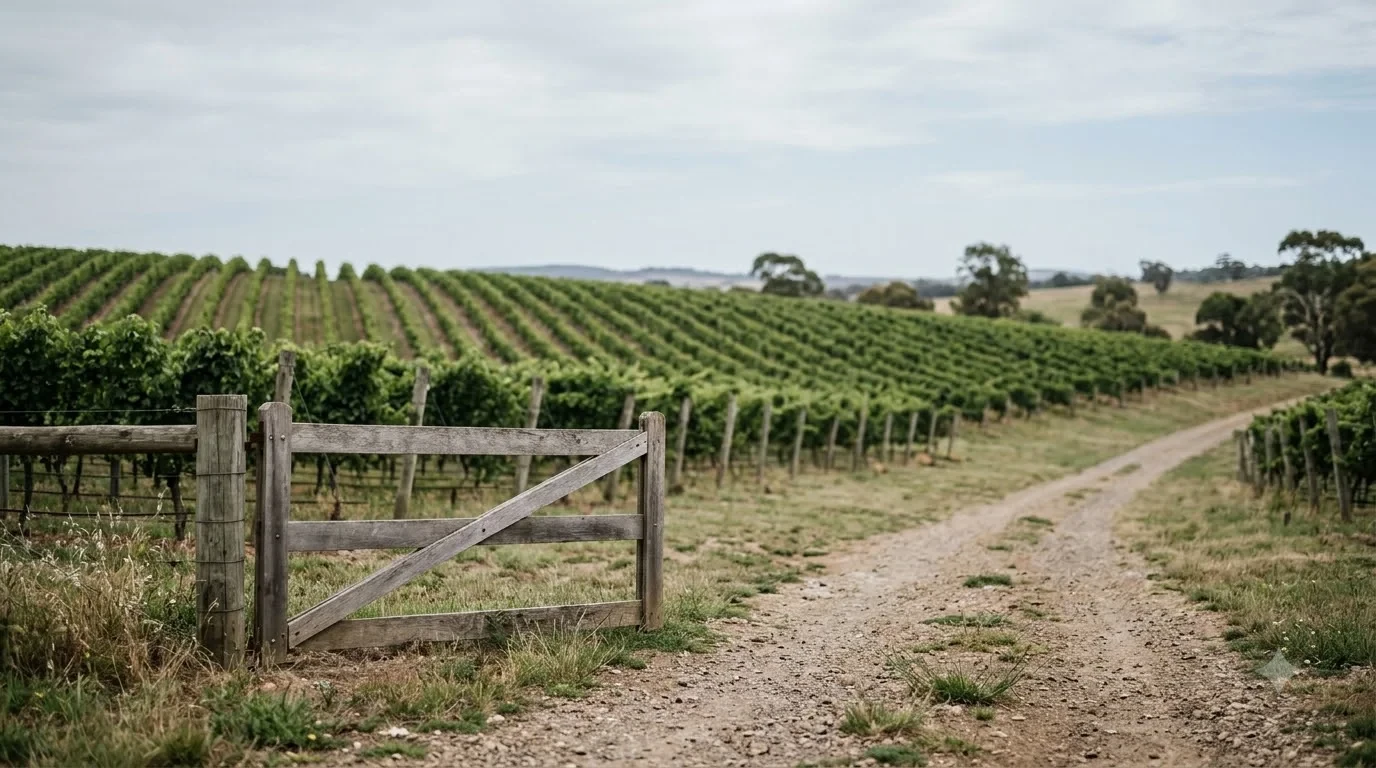
Chinon vineyards are located in France’s central Loire Valley, where Cabernet Franc grows across river terraces, limestone hillsides and clay-and-flint plateaus to produce distinctive red, rosé and white wines. Centered on the historic town of Chinon in the Touraine wine region, the appellation follows the Vienne River and extends toward its meeting point with the Loire. Its varied soils and relatively warm local climate create noticeably different expressions of Cabernet Franc, from fresh, approachable reds to concentrated wines suitable for aging. Understanding the vineyard landscape is the key to understanding what makes Chinon special.
Chinon offers a particularly interesting introduction to Loire Valley wine because its vineyards are not defined by a single landscape or wine style. Some vines grow on sandy, gravelly ground close to the river, while others occupy limestone slopes or higher plateaus with clay and flint. These differences influence ripening, structure, freshness and the character of the finished wine. Although Cabernet Franc dominates the appellation, Chenin Blanc also contributes to its identity through a smaller production of white wines. For wine enthusiasts, exploring Chinon means discovering how geography, grape variety and generations of vineyard knowledge work together.
Where Are the Chinon Vineyards Located?
The Chinon vineyards occupy the western part of Touraine in the Loire Valley, primarily around the town of Chinon and along the Vienne River. The appellation covers 26 communes, creating a diverse collection of vineyard landscapes rather than one continuous expanse of vines.
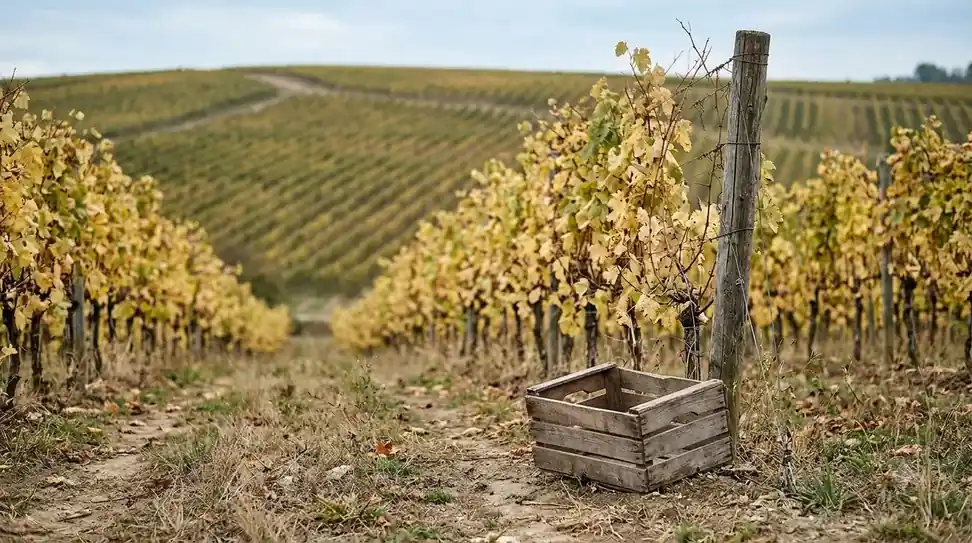
Chinon sits in the Indre-et-Loire department, southwest of Tours. Its geographical position is important because the Loire and Vienne rivers shape the surrounding valleys, hillsides and terraces. The Vienne flows through the vineyard area before joining the Loire near Candes-Saint-Martin. This river network has influenced both the physical development of the landscape and the historical movement of wine through the region.
The appellation’s vineyards extend through several recognizable localities, including Chinon, Beaumont-en-Véron, Savigny-en-Véron, Cravant-les-Côteaux and Ligré. Each contributes to the geographical diversity of the wine region. Cravant-les-Côteaux is particularly useful to recognize when studying Chinon because it is one of the established wine-growing localities associated with the appellation.
According to Touraine Val de Loire tourism information, the vineyard covers approximately 2,300 hectares and produces around 13 million bottles annually. These figures illustrate the scale of an appellation that remains closely connected to its surrounding towns and villages. Rather than forming a single uninterrupted vineyard, the landscape consists of individual properties, small vineyard enclosures, terraces and hillside parcels.
The location also provides an interesting combination of cultural and agricultural attractions. The medieval town of Chinon contains historic streets, wine establishments and the royal fortress overlooking the Vienne. Visitors can combine vineyard exploration with local history, regional food and visits to traditional wine cellars.
The neighboring landscape includes forests, agricultural fields and river corridors. This mixture gives Chinon a different visual character from wine regions dominated by uninterrupted rows of vines. The proximity of the rivers also explains why some of the most important vineyard parcels occupy relatively low terraces while others climb toward higher ground.
For readers exploring other geographically distinctive wine regions, comparisons with Tasmania vineyards can be useful. Both demonstrate how regional geography and local climate influence the identity of wines, although their grape varieties, growing conditions and wine traditions differ considerably.
The Three Main Soil Types and Their Influence
Chinon has three principal vineyard soil environments: alluvial gravel and sand, Turonian tuffeau limestone, and Senonian clay with flint. These formations create different growing conditions and help explain why Cabernet Franc can produce both light, fragrant wines and deeper, more structured examples within the same appellation.
River terraces: gravel and sand
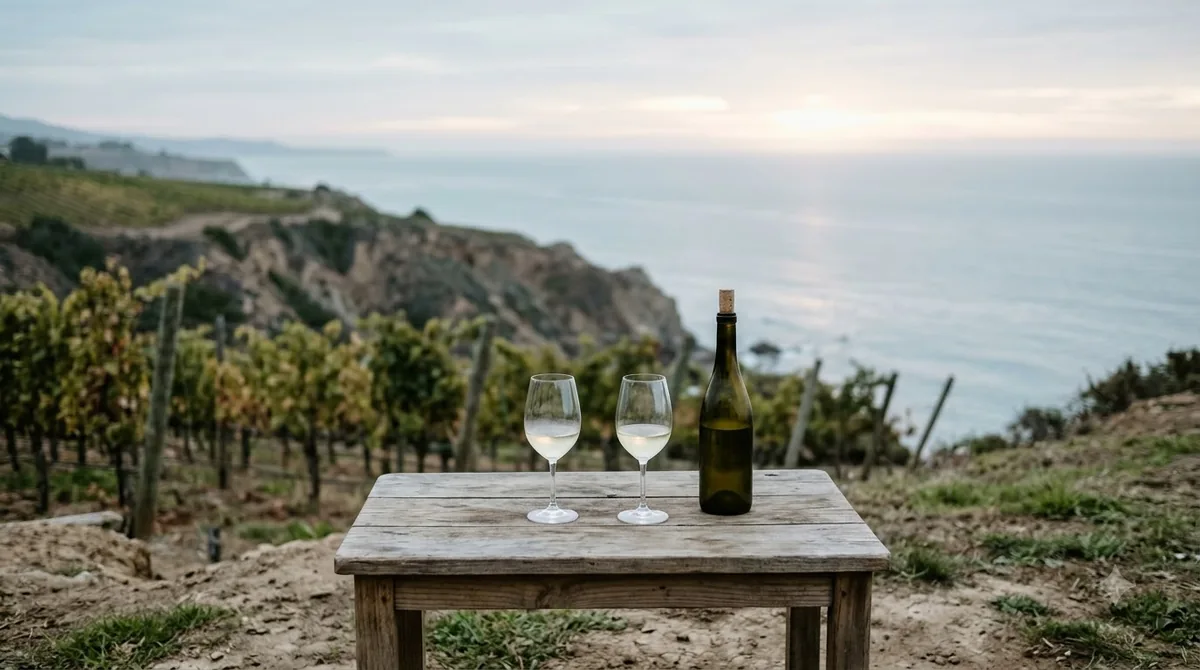
The first major environment consists of relatively flat terraces beside the Vienne and other waterways. These soils contain sand, gravel and other alluvial deposits left by rivers over geological time. Their relatively free-draining structure allows excess water to move through the soil, making them particularly suitable for producing fruit-forward Cabernet Franc.
Wines from these sites commonly emphasize red berries, freshness and an accessible texture. Raspberry, red cherry and currant are useful flavor associations when describing younger examples. Their lighter structure makes them attractive for drinking without lengthy cellaring, although the precise character still depends on vineyard management and winemaking.
Limestone hillsides: tuffeau
The second environment consists of limestone slopes and hillocks associated with Turonian geological formations. Local tuffeau is a distinctive chalky limestone that has also been used extensively in the construction of buildings throughout the Loire Valley.
Vineyards planted on these slopes can produce wines with greater concentration, firmer structure and more pronounced aging potential. Their Cabernet Franc may show dark cherry, blackcurrant, violet and savory herbal characteristics. These wines can have a more substantial texture than examples from the sandy river terraces.
The local limestone geology is also important beyond the vineyard. Historic stone extraction created underground spaces that later became useful wine cellars. Some of these caves provide naturally cool, stable environments for storing and aging bottles.
Plateaus: clay and flint
The third major environment consists of higher plateaus and hill formations with clay-rich soils containing flint. These Senonian formations offer a different balance of drainage, water retention and soil composition from the alluvial terraces.
Clay can retain moisture, while flint contributes to the distinctive geological composition of these sites. Cabernet Franc grown in these conditions can produce structured wines with concentrated fruit and firm tannins. Their flavor profiles may include black fruit, herbs, spice and earthy characteristics as the wines develop.
These three broad categories are useful starting points, but they should not be treated as rigid formulas. Two parcels with similar geological descriptions can produce different wines because of differences in exposure, vine age, planting density, harvest decisions and cellar practices.
The Chinon vineyard association also highlights the complexity of local vineyard conditions. Its geological descriptions distinguish multiple individual soil environments, illustrating why a simple three-category description cannot explain every individual site.
| Vineyard environment | Typical soil | Common wine character | General aging potential |
|---|---|---|---|
| Vienne river terraces | Sand and alluvial gravel | Fresh red fruit, lighter body | Often best enjoyed young |
| Tuffeau hillsides | Turonian limestone | Concentrated fruit, structure and tannin | Several years or longer |
| Higher plateaus | Clay and flint | Dense fruit, savory notes and structure | Often suitable for aging |
These descriptions are general tendencies rather than guaranteed tasting outcomes. A producer’s decisions can be just as important as the underlying soil, particularly when comparing wines from different harvests.
Cabernet Franc: The Defining Grape of Chinon
Cabernet Franc is the principal grape behind Chinon’s reputation, providing the foundation for its red and rosé wines. Locally known as Breton, this Loire variety is capable of expressing different levels of concentration and structure depending on the vineyard site and winemaking approach.
Cabernet Franc has a long history in the Loire Valley. The variety became central to several Loire appellations, including Chinon, Bourgueil and Saumur-Champigny. Its historical movement along the Loire also explains the traditional local name Breton.
In Chinon, Cabernet Franc is valued for its combination of fruit, freshness and savory complexity. Typical red-fruit aromas include raspberry, red currant and cherry. Depending on the vineyard and wine’s development, additional notes can include violet, blackcurrant, green herbs, pepper and earthy nuances.
Its acidity gives the wines freshness, while its tannins contribute structure. Compared with Cabernet Sauvignon, Cabernet Franc generally has less powerful tannic weight, making it especially versatile at the dinner table. Young examples can be bright and approachable, while more concentrated wines may develop additional complexity with bottle age.
Site selection plays an important role in determining the expression of the grape. Gravelly parcels often emphasize fresh fruit and a lighter structure. Limestone hillsides can produce more concentrated wines, while clay-and-flint plateaus may deliver firm tannins and deeper fruit characteristics.
Cabernet Franc also responds to harvest timing. Grapes harvested with appropriate ripeness can balance fruit concentration, acidity and tannin. If ripening conditions are challenging, the wines may show more prominent green herbal characteristics. This is one reason vintage conditions matter when comparing different Chinon bottles.
Cabernet Sauvignon in the appellation
Cabernet Sauvignon is permitted as a secondary variety in Chinon’s red and rosé production, although Cabernet Franc remains the dominant grape. The appellation regulations limit Cabernet Sauvignon to 10% of the total vineyard planting. Its potential contribution includes additional color, tannin and structural weight.
However, the essential identity of Chinon remains closely associated with Cabernet Franc. A bottle from this appellation should generally be approached as a Loire Cabernet Franc rather than as a Cabernet Sauvignon-based blend.
Chenin Blanc and white Chinon
Chenin Blanc provides the foundation for white Chinon. Also known locally as Pineau de Loire, this grape has a long association with the Loire Valley and can produce a wide range of styles depending on ripeness, harvest timing and winemaking.
White Chinon is less common than its red counterpart, but it offers a useful alternative for drinkers interested in the appellation’s limestone and clay-influenced terroirs. Dry versions can show citrus, orchard fruit and mineral characteristics, with refreshing acidity providing structure.
The presence of Chenin Blanc demonstrates that Chinon is not exclusively a red wine destination. Its white wines deserve attention, particularly from enthusiasts interested in exploring the wider diversity of Loire Valley Chenin.
Vineyard Villages, Hillsides and Recognizable Sites
The appellation’s identity comes from a network of villages, vineyard parcels and distinctive geographical features. Chinon, Beaumont-en-Véron, Savigny-en-Véron, Cravant-les-Côteaux and the Puys du Chinonais are useful reference points when studying the region’s vineyard geography.
Chinon town and its surrounding vineyards
The historic town of Chinon provides the central reference point for the appellation. Its vineyards extend around the settlement, with parcels occupying different elevations and soil environments. The town’s relationship with the Vienne is especially important because the river has influenced the development of both the vineyard landscape and local commerce.
Wine enthusiasts can also explore the relationship between the town’s medieval architecture and its winemaking traditions. The royal fortress overlooks the surrounding countryside, while historic underground spaces reveal how local stone extraction and wine storage became connected.
Beaumont-en-Véron and Savigny-en-Véron
These villages belong to the wider Chinon vineyard area and help illustrate its dispersed geographical structure. Beaumont-en-Véron is particularly relevant when discussing the Puys, several of which lie within its territory.
Savigny-en-Véron is another useful name to recognize on wine labels and regional maps. Its position within the Véron landscape provides an additional reference point for understanding how the appellation extends beyond the immediate surroundings of Chinon town.
Cravant-les-Côteaux
Cravant-les-Côteaux is one of the notable vineyard localities associated with Chinon. Its name is especially useful for wine enthusiasts who want to look beyond the appellation name and pay attention to more specific geographical indications.
The growing interest in named vineyard sites has encouraged producers to identify individual parcels and localities on their bottles. These names can help consumers compare wines from different parts of the appellation and understand the influence of individual vineyard environments.
The Puys du Chinonais
The Puys are a particularly distinctive feature of the Chinon landscape. These limestone hills rise above the surrounding terrain and create localized growing conditions that differ from the lower river terraces.
The Chinon wine association identifies eight principal Puys: six in Chinon and two in Beaumont-en-Véron. The highest hill reaches 88 meters, making these formations recognizable features of the surrounding countryside.
The association describes the Puys as a distinctive local environment with structured wines that can age well. Their combination of elevation, limestone geology and local microclimate makes them especially interesting for enthusiasts studying vineyard differences.
Climate, Rivers and the Natural Growing Environment
Chinon’s climate combines oceanic conditions with semi-continental influences, creating a relatively warm and dry environment within Touraine. The Loire, Vienne, surrounding forests and variations in elevation all contribute to the local growing conditions.
The Chinon wine association describes the appellation as having a climate warmer and drier than much of Touraine. Its location toward the western edge of the region contributes to a particular balance of Atlantic influence and more continental weather patterns.
The Loire and Vienne are more than geographical landmarks. Their valleys influence local air movement and help moderate temperatures. The river corridors can also create differences between low-lying terraces, exposed slopes and elevated vineyard parcels.
According to the Chinon wine association, the area receives more than 2,100 hours of sunshine annually on average. This sunlight contributes to grape ripening, although the final quality of a harvest still depends on rainfall, temperature patterns and conditions during the growing season.
Another important feature is the forest surrounding the vineyard landscape. The association identifies approximately 5,140 hectares of forest that help protect the region from northern winds and cold air. Forests therefore play an important role in the local environmental balance.
Vineyard exposure also matters. South-facing slopes can receive substantial sunlight, helping Cabernet Franc reach suitable ripeness. Differences in elevation and orientation influence how quickly individual parcels warm up and how they respond to changing weather conditions.
These factors explain why Chinon’s wines can vary considerably between harvests. A warm, sunny growing season may encourage fuller fruit expression, while cooler conditions can preserve a particularly fresh profile and make ripeness management more demanding.
The rivers and their tributaries also contributed to Chinon’s historical commercial success. Before modern transportation networks, waterways provided important routes for moving wine beyond the immediate region. This helped establish Chinon’s reputation in wider French and European markets.
Tip: When comparing two Chinon bottles, begin with the vineyard locality and soil environment before comparing the vintage. A gravel-grown Cabernet Franc and a limestone-slope Cabernet Franc can taste noticeably different even when both come from the same appellation and grape variety.
Wine Styles, Aging Potential and Food Pairings
Chinon produces three wine colors, although red Cabernet Franc is by far the most recognizable style. Red wines range from fresh, fruit-driven examples to more structured bottles, while rosé and white wines offer additional expressions of the appellation’s grapes and growing conditions.
Red Chinon
Red Chinon is primarily made from Cabernet Franc. Younger wines commonly emphasize raspberry, cherry, red currant and violet, with a fresh, sometimes herbal character. Their acidity and moderate tannic structure make them versatile food wines.
More concentrated versions may show blackcurrant, darker cherry, pepper and earthy characteristics. Wines from suitable limestone or clay-and-flint sites can develop greater depth with bottle age. Their tannins and fruit concentration can make them appropriate companions for richer dishes.
There is no single aging schedule that applies to every Chinon wine. A lighter red from a gravel terrace may be most enjoyable within a few years, whereas a more structured bottle from a suitable hillside site can benefit from several additional years of development.
Rosé Chinon
Rosé Chinon is also based principally on Cabernet Franc. These wines generally offer a fresh, fruit-oriented style with red berry and citrus characteristics.
Their refreshing acidity makes them suitable for salads, grilled vegetables, seafood and lighter summer meals. Dry rosé is especially useful when a dish contains a mixture of ingredients that would be difficult to match with a more tannic red wine.
White Chinon
White Chinon is made from Chenin Blanc and represents a smaller part of appellation production. Its flavor profile can include apple, pear, citrus and mineral notes, with acidity providing freshness.
Dry white Chinon can work particularly well with freshwater fish, poultry, seafood and regional goat cheese. Its acidity provides a useful counterbalance to creamy sauces and richer textures.
Food pairings for Chinon wines
Cabernet Franc is naturally versatile with food because its acidity and moderate tannic structure can complement a wide range of savory dishes. The key is to match the intensity of the wine to the richness and seasoning of the meal.
- Grilled lamb: A structured red Chinon can complement the savory character of grilled lamb, especially when herbs and roasted vegetables are included.
- Roast chicken: A lighter red Chinon offers enough fruit and freshness without overwhelming the relatively delicate flavor of poultry.
- Duck breast: The red-fruit character and acidity of Cabernet Franc work well with duck, particularly when served with mushrooms or berry-based sauces.
- Charcuterie: Fresh, approachable Chinon is a natural companion for pâté, cured meats and other savory appetizers.
- Goat cheese: Chenin Blanc and lighter Cabernet Franc can complement the tangy character of Loire goat cheese.
- Grilled vegetables: Rosé Chinon is a useful pairing for peppers, zucchini, tomatoes and herb-seasoned vegetables.
- Mushroom dishes: More developed Cabernet Franc can complement earthy mushroom preparations and dishes containing roasted root vegetables.
Serving temperature makes a difference. Lighter red Chinon is generally best served around 55 to 60 degrees Fahrenheit, while fuller-bodied versions can be served around 60 to 65 degrees. White Chinon is generally more refreshing around 45 to 50 degrees, depending on its style and weight.
For a broader perspective on how regional geography influences wine character, compare Chinon with Chianti Classico vineyards. The Italian region relies on a different principal grape and a different landscape, but both demonstrate the importance of vineyard location in understanding regional wine styles.
Exploring Chinon Vineyards, Producers and Historic Cellars
Visiting Chinon offers an opportunity to experience the relationship between vineyards, traditional wine production and local history. The most rewarding approach combines visits to winegrowers with exploration of the historic town, its underground cellars and the surrounding countryside.
Start in the town of Chinon
The town provides a convenient starting point because it brings together wine-related attractions, historic architecture and access to surrounding vineyard villages. Its royal fortress offers views across the Vienne and the surrounding landscape, making it easier to appreciate the geographical setting of the appellation.
Visitors can also explore the historic streets and look for local wine establishments where producers and regional bottles are represented. This is a useful opportunity to become familiar with Cabernet Franc styles before visiting individual vineyards.
Explore traditional underground cellars
One of Chinon’s distinctive features is its network of underground caves carved into tuffeau limestone. These spaces originally resulted from stone extraction for local construction. Over time, some became useful wine storage environments because their underground position helps maintain relatively stable conditions.
The Caves Painctes beneath Chinon Fortress are a particularly important example. The Chinon wine association describes their temperature stability, humidity and darkness as favorable conditions for wine conservation.
These historic cellars illustrate how the region’s geology influences more than the character of its grapes. The same limestone that contributes to vineyard terroir also provides the physical spaces used to preserve the finished wines.
Visit winegrowers and compare vineyard sites
Visiting individual producers is one of the best ways to understand differences between Chinon wines. A tasting that includes a lighter river-terrace wine and a structured hillside bottling can reveal how much the growing environment influences Cabernet Franc.
Touraine Val de Loire highlights several visitor experiences and wine destinations, including Cave de la Sibylle and Maison des Vins du Véron. Its regional tourism information also identifies numerous producers and cellar experiences around the appellation. The Touraine Val de Loire Chinon wine and vineyard visitor guide provides additional details about tasting opportunities and local attractions.
When arranging visits, it is useful to ask whether the producer offers vineyard tours, guided tastings or comparisons between individual parcels. Some properties concentrate on explaining their cellar practices, while others place more emphasis on vineyard management and soil differences.
Look beyond the appellation name
One increasingly interesting aspect of Chinon is the attention paid to individual vineyard localities. The wine association began a collective initiative in 2014 to highlight distinctive named sites, or lieux-dits.
A lieu-dit is a small geographical location identified by a specific name in local land records. Such names can appear on wine labels and provide a more precise reference than the broad appellation designation.
These names can help consumers compare wines from different parts of the appellation and understand the influence of individual vineyard environments. Importantly, the collective initiative does not establish a formal classification or ranking of these locations. Consumers should therefore view a named site as useful geographical information rather than an automatic guarantee of superior quality.
Understand the region’s environmental initiatives
Environmental practices are another interesting subject to explore when visiting Chinon producers. The wine association reports substantial participation in environmental certification and organic viticulture across the appellation.
When speaking with individual growers, visitors can ask about organic certification, vineyard cover crops, soil management and approaches to reducing chemical inputs. These questions provide a practical way to understand how different estates approach environmental stewardship.
For travelers interested in comparing wine regions across different continents, the Uruguay vineyards offer another perspective on how grape varieties, local climates and regional wine identities develop. Chinon and Uruguay differ considerably in geography, but both reward visitors who pay attention to individual producers and growing conditions.
Finally, visitors interested in exploring more destinations can use the broader Wine Regions resource to compare appellations and understand the relationship between geography and wine production.
Frequently Asked Questions
What does the name Breton mean on a Chinon wine label?
Breton is a traditional local name for Cabernet Franc. The term has historical associations with the Loire Valley and is mentioned in François Rabelais’s writing. It does not indicate that the wine was produced in Brittany.
Why are some Chinon wine cellars underground?
Many underground cellars originated as quarries where tuffeau limestone was extracted for construction. After stone extraction, these spaces became useful for storing wine because their underground environment offers relatively stable temperature, humidity and light conditions.
Did Chinon historically produce more white wine?
White Chenin-based wines were historically important in the region. Touraine Val de Loire describes how Dutch merchants helped develop demand for Chinon white wines several centuries ago. The appellation’s modern identity, however, is predominantly associated with red Cabernet Franc.
Is there an official Grand Cru classification in Chinon?
Chinon does not use a formal Grand Cru hierarchy comparable to the classification systems associated with certain other French wine regions. Named vineyard localities help identify specific geographical origins, but the collective promotion of lieux-dits does not establish an official quality ranking.
What is the significance of Candes-Saint-Martin to Chinon wine?
Candes-Saint-Martin is located near the confluence of the Loire and Vienne rivers. This meeting of waterways is a defining geographical feature of the wider vineyard landscape. The river network also historically provided transportation routes for wine merchants moving regional wines to other markets.
Chinon is a Loire Valley appellation whose identity is inseparable from Cabernet Franc, the Vienne River and its varied limestone, gravel and clay-rich vineyard environments. Exploring the differences between its river terraces, hillsides and plateaus provides a much clearer understanding of why wines from the same appellation can have such distinct personalities. Whether discovering its historic cellars, visiting individual growers or comparing bottles from different villages, Chinon offers a rewarding introduction to the geographical character of French Loire wine.
More in Wine Regions
 Willcox Wine Trail: Discover Arizona’s High-Elevation Wine CountryUpdated Nov 20, 2026
 Yakima Valley Wine Region: Find the Best Styles to TryUpdated Nov 20, 2026
 Vosne Romanee Wine Tasting: Identify Aromas and Choose Better PairingsUpdated Nov 20, 2026
 Yakima Valley Wine Festival: Find the Best Seasonal Wine EventsUpdated Nov 20, 2026
 Wales Vineyards: Discover Cool-Climate Wines and Where to VisitUpdated Nov 20, 2026
 Yountville Wine Festival: Discover Napa Wines and Local FoodUpdated Nov 20, 2026