

We may earn a commission when you buy through links on this page, at no extra cost to you. Learn more.
Chianti tasting notes typically center on sour cherry, red plum, dried herbs, and a savory finish of leather and tobacco, all held together by high acidity and firm tannin. The wine is made mainly from Sangiovese, a thin-skinned Tuscan grape that gives Chianti a lighter color than many reds. Basic Chianti tends to be bright and simple, while Chianti Classico and its Riserva and Gran Selezione versions show more depth and age well. Learning these markers lets you predict the style of a bottle before you pour it.
If you have ever stood in front of a wall of Italian reds and wondered why one bottle tastes like sour cherry and another like a cured meat shop, you are not alone. Chianti is one of the most widely recognized wines in the world, and its flavor follows closely from where the grapes grow and how long the wine is aged. That link between place, grape, and time is what makes chianti tasting notes so useful. Once you know what to look for, you can judge a bottle’s style, choose the right one for a meal, and understand why two Chiantis from the same region can taste so different.
This guide walks through the core aromas and flavors, the acidity and tannin that give Chianti its structure, the way ageing changes the wine, the difference between Chianti and Chianti Classico, a simple method for tasting, and the foods that bring out its best side.
The Core Flavors You Will Typically Find in Chianti
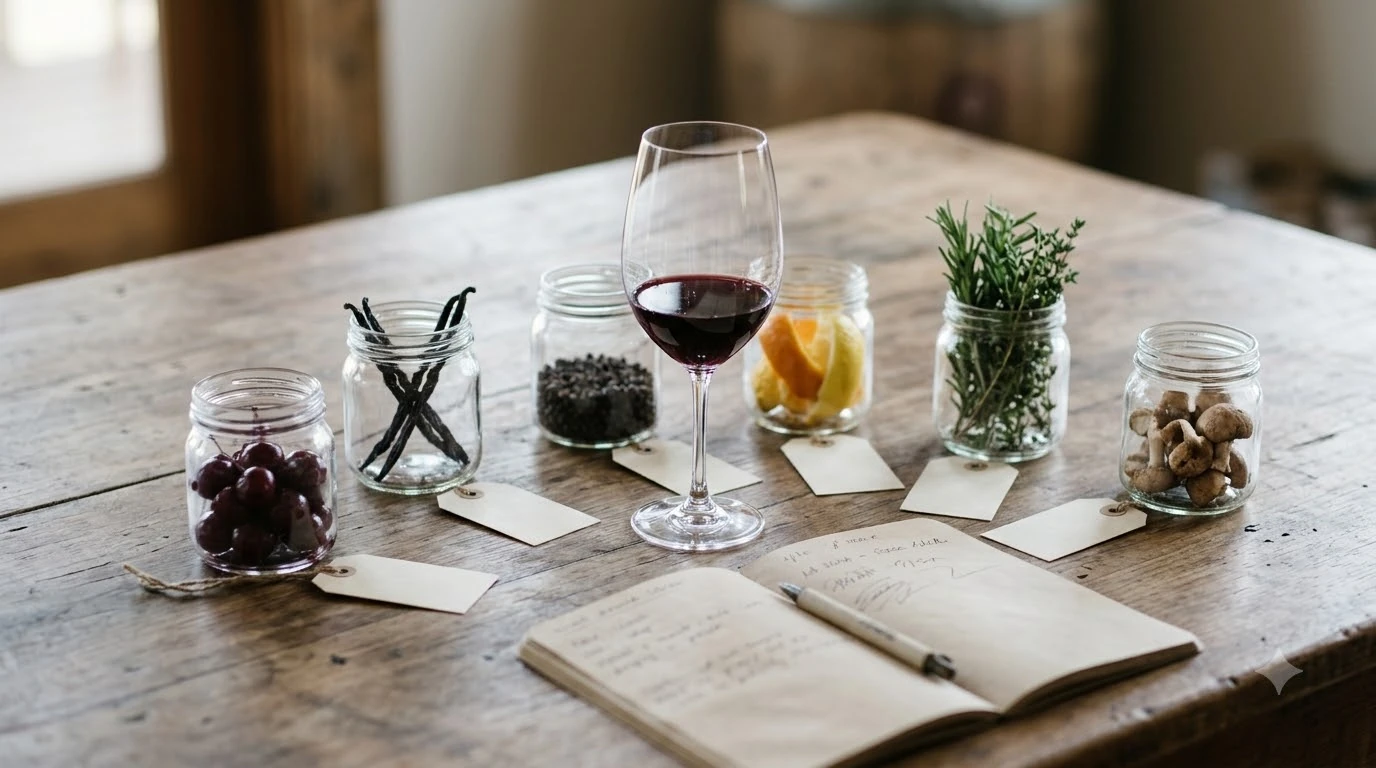
Most Chianti shows red fruit first, followed by herbs and a savory character that sets it apart from many other red wines. Those three layers make the best starting point for describing any bottle.
Red fruit is the foundation. According to Wine Folly, common tasting notes include red fruits, dried herbs, balsamic vinegar, smoke, and game. The fruit is usually tart rather than jammy. Sangiovese commonly shows sour cherry and red plum, and a wine editorial on Chianti also lists wild strawberry, raspberry, cranberry, pomegranate, and blood orange among the fruit notes tasters identify. If you are used to riper, sweeter reds, the grenache tasting notes describe a fruit profile that leans toward richer, more ripe berry character, which makes the difference easy to notice side by side.
Herbs, Violets, and Earth
Herbal notes form the second layer. Dried oregano and thyme are classic markers, and a fresh young Chianti can show tomato leaf, which is one reason the wine feels so at home next to tomato dishes. Violet is an especially useful clue. Visit Tuscany notes that the regulations for Chianti Classico treat the scent of violets as one of the key characteristics of the wine, so a floral lift in the glass is a good sign of Sangiovese character, particularly in a Chianti Classico.
Earthy and savory notes complete the picture. Some bottles show a hint of black tea or a touch of earth, and the dried herbs can feel closer to a spice rack than to a garden. Taken together, these herbal and savory notes are what separate Chianti from fruit-forward reds that rely mainly on sweet berry flavors.
Acidity and Tannin: The Structure Behind Chianti
Acidity and tannin do most of the structural work in Chianti, and they explain why the wine feels lively and grippy rather than soft and round. Both are measurable features, and both shape how the wine pairs with food.
Sangiovese has naturally high acidity. One wine reference describes the grape as capable of tasting mouth-watering when it does not ripen fully, although that is rarely a problem in Chianti Classico. Acidity keeps the wine fresh and gives it the drive to stand up to food. Chianti’s tannin is firm and can feel slightly drying at first, but it softens with time in the bottle. Compared with a grape like Petit Verdot, which you can explore in petit verdot tasting notes, Chianti’s tannin is usually less dense, so the wine tastes more of acid and savory lift than of heavy grip.
A white comparison helps too. Sancerre, the Sauvignon Blanc from the Loire, is built on high acidity as well, but it has no tannin, so the structure you feel in a Chianti comes from the red wine’s tannin working alongside its acid. If you want to taste that acid on its own, the sancerre tasting notes are a useful place to start.
Color is the last structural clue. Because Sangiovese has thin skins, young Chianti tends to be ruby red, and as it ages the rim takes on flashes of burnt orange. A paler color is not a sign of weakness. It reflects the grape itself, and experienced tasters read the rim as a rough guide to age. Alcohol adds weight to the wine, and Visit Tuscany notes that Chianti Classico must reach at least 12%, rising to 12.5% for Riserva, which is why these wines feel fuller than their color suggests.
Savory Notes That Develop With Age
Time changes Chianti more than almost any other factor, moving the wine from fresh fruit toward savory, earthy, and spiced flavors. A young Chianti and an aged one from the same producer can seem like different wines.
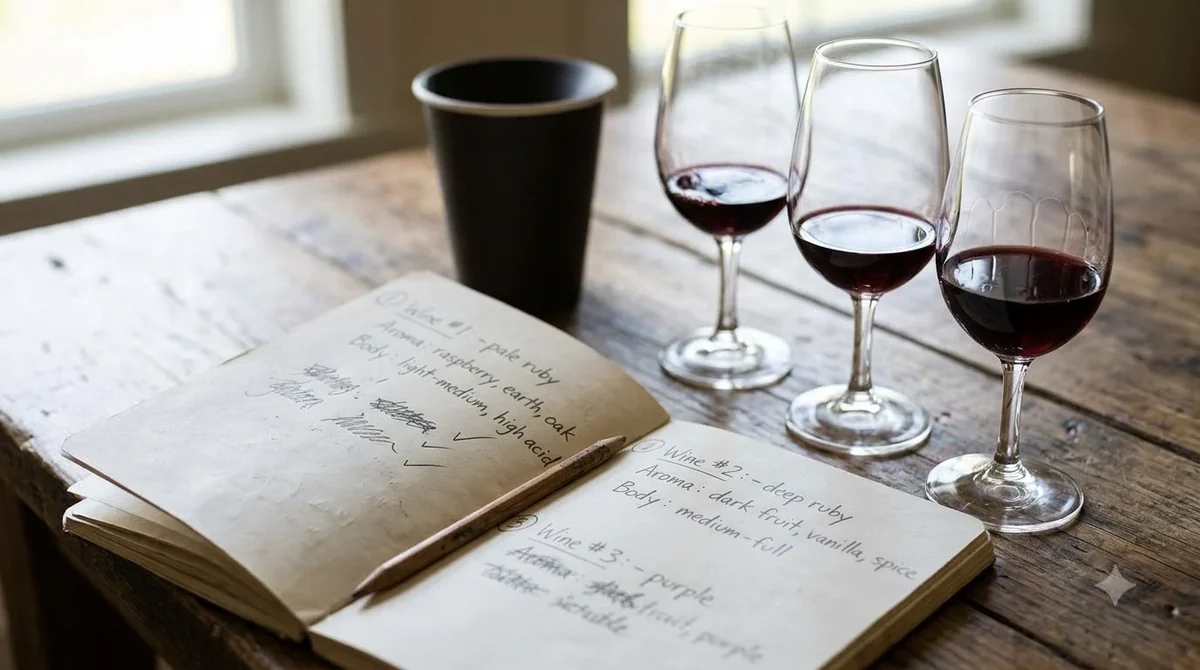
As Sangiovese ages, it becomes savory, loses color, and softens its tannins, according to Wine Folly. Young bottles stay fruit-led, with sour cherry and fresh herbs at the center, while a few years in the bottle bring out leather, dried roses, and tobacco. Balsamic and dry salami notes appear in more developed wines, and the high end of the style can offer preserved sour cherries, dried oregano, and sweet tobacco.
Oak adds another layer. Riserva wines must be aged at least 24 months, including three months in bottle, and they usually show oak aromas such as vanilla or spice. Those requirements matter because they define how far a wine has developed before it reaches your glass, and they explain why a Riserva often tastes rounder and more layered than a basic bottle.
The most complex wines are Chianti Classico Gran Selezione. Wine Folly describes them as showing dried cherry, smoke, balsamic, and leather aromas, with intense tannins and flavor. According to WSET, they must be aged at least 30 months, including three months in bottle, and must be made from estate-grown grapes. When you taste one, expect the widest range of all, from fresh fruit at the start to leather and balsamic at the finish.
Chianti Versus Chianti Classico: How the Style Changes
Chianti Classico is the historic core of the region, and its stricter rules tend to produce wines that are more concentrated, structured, and age-worthy than basic Chianti. Understanding the difference helps you read a label before you buy.
The two denominations cover different terrain. The Chianti DOCG covers about 15,500 hectares of vineyards spread across Tuscany, with roughly 3,000 producers, and it includes sub-zones such as Colli Senesi, Colli Fiorentini, and Rufina. The Chianti Classico DOCG covers about 6,800 hectares with around 350 producers, sitting between Florence and Siena at typically 250 to 600 meters above sea level. Within the broader DOCG, Colli Senesi wines tend to be fruit-forward with softer tannins because of a warm climate and clay soils, while Chianti Rufina, grown at higher altitude on rocky soils, produces more structured wines with greater acidity. Those differences show up clearly in the glass.
Blending and ageing rules also differ. A Chianti DOCG wine must contain at least 70% Sangiovese, while a Chianti Classico must contain at least 80%. Chianti Classico permits no white grapes, whereas basic Chianti may include up to 10% Malvasia and Trebbiano. The table below summarizes the main tiers, using the minimum figures set out in WSET’s classification guide.
| Designation | Minimum Sangiovese | Minimum ageing | Typical taste profile |
|---|---|---|---|
| Chianti DOCG | 70% | Released from 1 March after harvest | Fresh, tart, simple red fruit |
| Chianti Superiore | 70% | 9 months, including 3 in bottle | Slightly bolder with smoother tannin |
| Chianti Riserva | 70% | 24 months, including 3 in bottle | Oak spice and more complexity |
| Chianti Classico Annata | 80% | 12 months | Sour cherry, violet, herbs, firm acidity |
| Chianti Classico Riserva | 80% | 24 months, including 3 in bottle | Deeper fruit with vanilla and spice |
| Chianti Classico Gran Selezione | 80% | 30 months, including 3 in bottle, estate-grown grapes | Dried cherry, leather, balsamic, intense tannin |
The table shows that ageing is the main dividing line between tiers. Basic Chianti can be released from 1 March in the year after harvest, which is why many bottles are meant for early drinking. Chianti Classico Annata needs at least 12 months, and the Riserva and Gran Selezione levels add the longer ageing that gives their flavors more depth. The Chianti Classico Consortium, founded in 1924 by 33 wine growers in Radda, was the first wine producers’ consortium in Italy, and the consortium’s own history of Chianti Classico describes how the black rooster became the symbol of the wines.
Tip: Check the bottle for the black rooster (Gallo Nero). It must appear on every Chianti Classico, so it is the fastest way to confirm you are holding a Classico. Basic Chianti usually carries a numbered DOCG seal at the neck instead.
How to Taste Chianti Step by Step
A simple three-step routine of looking, smelling, and tasting reveals more about a Chianti than memorizing a list of flavors. Work through each step in order, and jot down what you notice so you can compare bottles later.
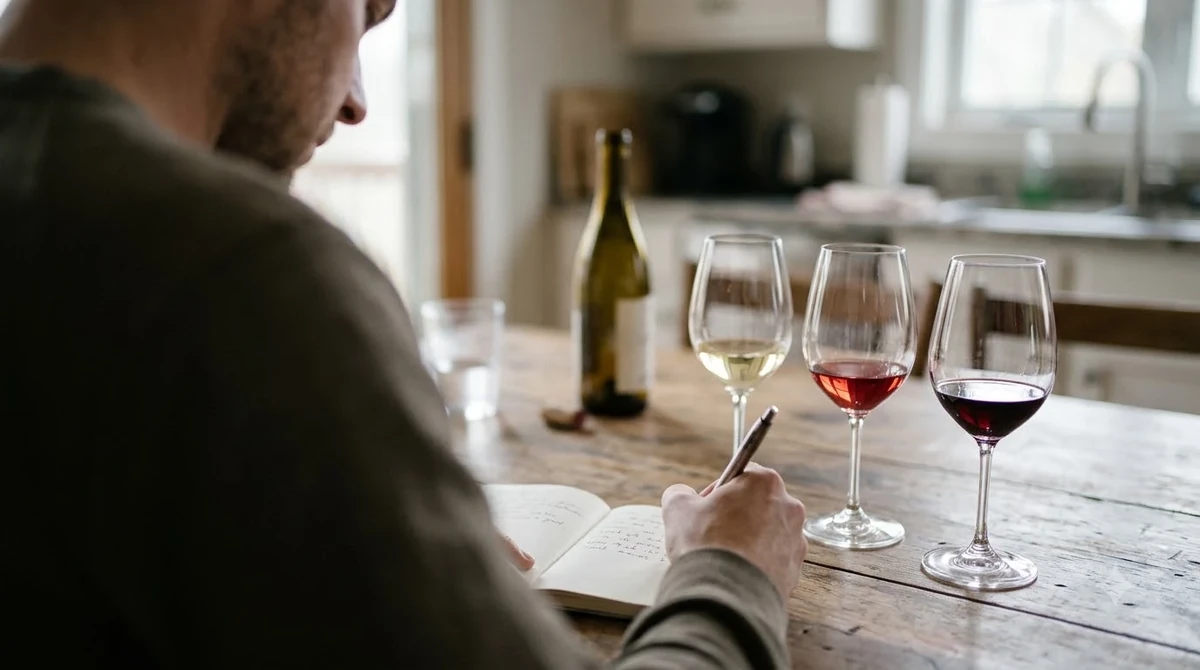
Start with the color. Hold the glass against a white background and tilt it. A ruby center with a lighter rim suggests a young wine, while an orange-brown edge points to more age. Then swirl the glass and smell it twice. On the first sniff, name the fresh fruit, such as sour cherry or red plum. On the second, look for the dried notes, such as dried oregano, tobacco, or leather. The gap between those two sets of aromas tells you how far the wine has developed.
When you taste, focus on three things: acidity, tannin, and length. Acidity should make the sides of your mouth water, and tannin should feel dry and grippy, which is normal for Chianti. Length is how long the flavor lingers after you swallow. A good Chianti finishes with savory or herbal notes rather than dropping off suddenly. Serve basic Chianti around 55 to 60 F, and Riserva or Gran Selezione around 60 to 65 F, so the wine shows its full range of flavor.
Young full reds also benefit from air. Decanting a young Riserva or Gran Selezione for 30 to 60 minutes softens the tannin and opens the aromas before you pour. Older bottles with more developed flavors need less time, so pour them directly and taste the wine as it is.
Food Pairings That Bring Out Chianti’s Best Side
Chianti pairs best with tomato-based dishes, grilled and roasted meats, and food built on olive oil, because its acidity and tannin match those flavors. The wine rarely fights a dish when the two come from the same kitchen tradition.
Acid matches acid in tomato sauces. Wine Folly notes that Chianti’s high acid cuts through richer, fatty dishes and stands up to tomato sauces such as pizza, and it works well with pasta al pomodoro too. Pizza is a favorite match across the whole range of Sangiovese styles, from light Chianti to richer Brunello di Montalcino. As a rule of thumb, the wine should be at least as acidic as the food it accompanies, so a bright tomato dish needs a wine with enough acid to keep pace.
Tannin softens with fat and salt, which is why Chianti works so well with roasts and grilled meat. Wine Folly points to Bistecca alla Fiorentina, a dry-aged porterhouse from Chianina cattle, as a classic match, with the wine’s powdery tannin cutting through the richness. The same logic applies to salty cheeses and cured salami, and Chianti’s savory notes often echo the flavors on the plate, which makes the match feel natural.
A few pairings to avoid. Oily fish such as mackerel clashes with tannic reds, so save Chianti for meat, tomato, or mushroom dishes. Spicy food needs care as well, because alcohol and tannin amplify chili heat, and a very hot arrabbiata can feel fiery next to the wine. Sweet desserts also work poorly, since the wine should be at least as sweet as the dessert, and a dry red will taste thin beside chocolate or fruit tart.
Frequently Asked Questions
Is Chianti sweet or dry?
Chianti is dry. Sangiovese is made dry, and the vanilla and chocolate notes some bottles show come from barrel ageing rather than leftover sugar. The ripe fruit you may notice in a Chianti comes from the grape itself, not from residual sweetness.
Why does some Chianti taste harsh or overly sour?
Sangiovese can taste harsh and overly acidic on its own, especially when the grapes have not ripened fully. Chianti Classico can range from 80% to 100% Sangiovese, which gives producers room to adjust the balance in the blend. Time in the bottle also softens that edge as the tannin mellows.
How long does opened Chianti keep?
Opened still wine generally keeps for three to five days when stored in the fridge. Recork it tightly and keep it cold between pours. Taste it again before serving, since the wine will have changed a little with each day of air exposure.
How should I store an unopened bottle of Chianti?
Store bottles on their side in a cool place near 55 F, away from heat and light. Most basic Chianti is meant for drinking within a few years of release, so it does not need a long cellar stay. Bottles at the Riserva and Gran Selezione levels reward patient storage, and their longer ageing has already been done before they leave the cellar.
How many glasses are in a bottle of Chianti?
A standard 750 ml bottle holds about five glasses at a 5-ounce pour. For a dinner with four guests who each pour two glasses, plan on about two bottles. Opening an extra bottle is a sensible choice when the meal includes a long, rich main course.
Chianti rewards a patient taster. Start with the core markers of red cherry, herbs, and savory tannin, then move up to Riserva or Gran Selezione to see how time reshapes the wine. For more on how Chianti compares with other reds and whites, browse Wine by Type.
More in Wine Types & Grapes
 Zinfandel Sugar Content: Dry Red vs. White Zinfandel GramsUpdated Nov 21, 2026
 Best Zinfandel Substitute Options for Sipping and CookingUpdated Nov 21, 2026
 Zweigelt Food Pairing: Best Dishes, Cheeses, and Serving TipsUpdated Nov 21, 2026
 Zinfandel Tannins Explained: How Structure Shapes Every BottleUpdated Nov 21, 2026
 Zinfandel Sweetness Level: Dry Red vs. Sweet White Zin ExplainedUpdated Nov 21, 2026
 Xinomavro Food Pairing: Best Dishes, Styles, and Serving TipsUpdated Nov 21, 2026