

We may earn a commission when you buy through links on this page, at no extra cost to you. Learn more.
Cheap sweet white wine is easiest to find by looking for Moscato, sweet Riesling, and approachable off-dry white wines. These styles offer fruity flavors and noticeable sweetness without requiring a premium wine budget. The key is understanding how much sweetness you want, recognizing useful label terms, and choosing a bottle that suits the occasion. A good inexpensive white wine should taste balanced and refreshing rather than simply sugary.
Sweet white wine covers a much wider range than many shoppers expect. One bottle might have a gentle hint of sweetness and crisp citrus flavors, while another tastes distinctly like ripe peaches, honey, and tropical fruit. Moscato, Riesling, Chenin Blanc, and certain Muscat blends are useful starting points when shopping for an affordable bottle. Understanding their differences makes it easier to spend wisely and find a wine you will enjoy drinking.
Who Should Buy Cheap Sweet White Wine
Affordable sweet white wine is a practical choice for drinkers who prefer fruit-forward flavors, softer acidity, and a noticeable touch of sweetness. It is particularly suitable for casual gatherings, uncomplicated meals, weekend celebrations, and people who are still discovering their wine preferences.

New wine drinkers often find sweet whites approachable because their flavors can resemble familiar fruits such as peaches, apples, pears, and citrus. Moscato is particularly recognizable for its floral and fruity character, while sweet Riesling provides a more refreshing combination of sweetness and acidity. Neither style requires extensive wine knowledge to appreciate.
Budget-conscious shoppers can also benefit from choosing a familiar grape rather than selecting a bottle simply because its label looks attractive. Moscato, for example, provides a recognizable sweetness profile. Riesling offers more flexibility, ranging from nearly dry to dessert-sweet. These differences make it easier to find a bottle that matches an established preference.
Sweet white wine can also be useful when serving guests with different levels of wine experience. A moderately sweet Riesling can accompany a meal, while a sweeter Moscato can work as an after-dinner drink. Having two distinct sweetness levels available provides more flexibility than purchasing several bottles with nearly identical flavors.
However, sweetness preference is personal. Someone who enjoys crisp Sauvignon Blanc or dry Chardonnay might find an intensely sweet Muscat overwhelming. Similarly, someone who enjoys dessert wines might consider a lightly off-dry Riesling insufficiently sweet. Identifying the preferred level before shopping is more useful than relying on general descriptions such as fruity, smooth, or refreshing.
For additional background, the sweet white wine for beginners guide can help new drinkers understand the main styles and their differences.
Key Factors to Compare When Buying Affordable Sweet White Wine
The most useful comparisons are sweetness, acidity, grape variety, alcohol content, and bottle size. These characteristics reveal more about the likely drinking experience than decorative packaging or unfamiliar marketing language.
Start with residual sugar, commonly abbreviated as RS. This measurement describes the sugar remaining after fermentation and is expressed in grams per liter. According to Wine Field Guide, off-dry wines generally contain approximately 10–30 g/L, medium-sweet wines contain 30–45 g/L, and sweet wines exceed 45 g/L. These categories provide a practical reference rather than a universal guarantee of perceived sweetness.
Acidity is equally important. Riesling naturally has high acidity, which balances its residual sugar and helps the wine taste refreshing. Moscato generally emphasizes aromatic fruit and floral character, creating a softer, more immediately sweet impression. A bottle with more residual sugar is not automatically more enjoyable if its sweetness overwhelms the rest of the flavor.
Alcohol content offers another useful clue. Many approachable off-dry Rieslings fall around 8–11% ABV, while Moscato d’Asti is often approximately 5–5.5% ABV. Lower alcohol does not independently establish sweetness, but it can help distinguish lighter styles from fuller-bodied whites.
The following table compares common styles and their typical characteristics. Actual sweetness varies with producer, fermentation decisions, and individual bottling.
| Wine style | Typical sweetness | Alcohol reference | Common flavors | Best use |
|---|---|---|---|---|
| Moscato d’Asti | Sweet | Approximately 5–5.5% ABV | Peach, apricot, flowers | Dessert and casual sipping |
| Off-dry Riesling | Light sweetness | Approximately 8–11% ABV | Green apple, peach, lime | Spicy meals and everyday drinking |
| Semi-sweet Riesling | Noticeably sweet | Approximately 7.5–10% ABV | Apricot, honey, ripe peach | Cheese and fruit desserts |
| Sweet Muscat | Medium-sweet to sweet | Varies by producer | Grapes, flowers, citrus | Light desserts and aperitifs |
| Sweet Chenin Blanc | Off-dry to sweet | Varies by producer | Apple, pear, honey | Food pairing and relaxed sipping |
These are style references, not guaranteed laboratory specifications for every bottle. The dry sweet white wine comparison is also useful if you are trying to understand why two fruity whites can taste completely different despite sharing similar aromas.
Finally, consider the bottle format. A standard 750 ml bottle provides approximately five servings when poured at 5 oz each. A smaller bottle can be a sensible choice when buying a particularly sweet wine that will only be served occasionally. A larger format makes more sense for a gathering where several people share the same style.
Step-by-Step: How to Choose a Sweet White Wine on a Budget
A simple shopping process prevents unnecessary purchases and helps identify a wine that matches your preferred flavor. Start with the sweetness level, narrow the grape choices, and then compare the information provided by the producer.
- Decide how sweet you want the wine. Choose off-dry if you prefer a gentle sweetness with refreshing acidity. Choose semi-sweet for noticeable fruit and sugar. Select a distinctly sweet style if you enjoy dessert-like flavors. These distinctions are more useful than simply searching for a wine described as fruity.
- Choose a grape variety. Moscato is a natural starting point for floral, sweet wines. Riesling is better if you want sweetness balanced by pronounced acidity. Chenin Blanc is another option because it can be produced in several sweetness styles.
- Look for recognizable label descriptions. Terms such as sweet, semi-sweet, and off-dry can provide useful information. On German Riesling, Feinherb and Halbtrocken generally indicate off-dry character, while Trocken means dry.
- Compare alcohol percentages. A Moscato d’Asti around 5% ABV will generally feel lighter than an off-dry Riesling around 9% ABV. Alcohol is not a direct sweetness measurement, but it helps distinguish different wine styles.
- Check the producer’s technical information. When available, residual sugar and acidity figures provide a clearer picture than vague tasting descriptions. Comparing both measurements helps explain why one sweet wine tastes fresher than another.
- Consider the food and occasion. A sweet Moscato can suit fruit pastries and desserts, while off-dry Riesling works particularly well with spicy Asian-inspired dishes. Choose according to what will be served rather than selecting the sweetest bottle automatically.
- Buy a manageable quantity first. If you are unfamiliar with a producer or grape variety, start with one bottle. Once you know the sweetness and flavor profile you enjoy, purchasing additional bottles becomes easier.
This process is particularly useful in a large wine shop, where bottles from Germany, Italy, California, Washington State, and other regions may be displayed together without much explanation. Knowing the grape and sweetness level makes the selection more straightforward.
Tip: If you like sweet wine but dislike a syrupy finish, start with an off-dry Riesling. Its naturally high acidity can balance residual sugar and make the wine feel fresher than a softer, sweeter alternative.
For broader shopping advice, explore the Wine Buying Guides for more information about comparing wine labels, grape varieties, and everyday bottles.
Types of Affordable Sweet White Wine Explained
Moscato, Riesling, Chenin Blanc, and Muscat-based wines are useful starting points because they offer different combinations of sweetness, acidity, aroma, and body. Choosing between them depends on whether you prefer floral sweetness, crisp fruit, or a richer dessert-style finish.
Moscato and Moscato d’Asti
Moscato is one of the most recognizable choices for drinkers who enjoy sweet white wine. Its aromatic character commonly includes peach, apricot, orange blossom, and floral notes. The flavors are expressive, making it approachable even for someone who has little experience with wine.
Moscato d’Asti is a particularly useful style to recognize. The Asti DOCG consortium identifies Moscato Bianco as its grape variety and explains that fermentation is stopped at approximately 5% alcohol by volume. This preserves natural sweetness while producing gentle carbonation. It is not made in the same way as fully sparkling Asti Spumante.
A technical sheet from Italian producer Abbazia lists its Moscato d’Asti at 5.5% ABV, with 95–115 g/L residual sugar and a recommended serving temperature of 8–10°C. Its tasting description emphasizes peach, apricot, freshness, and sweetness. This illustrates how a wine can be distinctly sweet while remaining light in alcohol.
Sweet and Off-Dry Riesling
Riesling is one of the most versatile white grapes because its sweetness can range from completely dry to intensely sweet. For shoppers who want an inexpensive everyday bottle, off-dry and semi-sweet versions are particularly useful starting points.
Off-dry Riesling generally offers green apple, white peach, lime, and floral aromas. Its acidity helps keep the wine refreshing, even when some residual sugar remains. Semi-sweet versions move toward ripe peach, apricot, honey, and a rounder texture.
German labels can provide valuable clues. Trocken means dry, Feinherb and Halbtrocken generally suggest off-dry wine, and Kabinett can indicate a lighter style that may have some sweetness. Spätlese and Auslese often indicate riper, richer wines, but the final sweetness still depends on winemaking. Wine.com’s Sweet Riesling buying guide explains these distinctions and provides examples of the different sweetness levels.
Chenin Blanc
Chenin Blanc is another grape worth exploring if you want something different from Moscato and Riesling. It can produce dry, off-dry, semi-sweet, and dessert-style wines. Its flavor profile often includes apple, pear, honey, and citrus, with acidity helping to balance sweeter versions.
Vouvray in France is an important region to recognize. Its wines can range from Sec, meaning dry, through Demi-Sec and Moelleux to sweeter expressions. This variety makes Chenin Blanc interesting for shoppers who want to explore different sweetness levels without changing grape varieties.
Other Muscat-Based Whites
Muscat refers to a family of grapes used for aromatic white wines in different regions. Depending on the variety and production method, these wines can taste floral, grapey, citrusy, or intensely sweet.
Some Muscat wines are lightly sweet and easy to drink with appetizers, while others are designed for dessert. Their recognizable aromatic character makes them worth considering when you enjoy the smell of fresh grapes, orange blossom, and ripe fruit.
For a first purchase, Moscato and off-dry Riesling remain the simplest comparison. They provide two noticeably different approaches to sweetness: one emphasizes fragrant fruit and softness, while the other combines fruit, acidity, and a more structured finish.
Common Mistakes When Shopping for Cheap Sweet White Wine
The biggest mistake is assuming that inexpensive wine must taste excessively sweet or that every bottle labeled Riesling or Moscato will have the same flavor. Reading the style description and understanding the grape variety can prevent disappointing purchases.
Confusing fruity aromas with sweetness. A dry white wine can smell strongly of peach, apple, or tropical fruit without containing much residual sugar. Aroma and sweetness are separate characteristics. Someone looking for genuinely sweet wine should pay attention to sweetness terminology rather than selecting a bottle solely because its tasting notes mention ripe fruit.
Assuming all Riesling is sweet. Riesling is made in styles ranging from dry to dessert-sweet. A German bottle labeled Trocken is dry, even if it has pronounced citrus or peach aromas. Conversely, an off-dry or semi-sweet Riesling can provide the gentle sweetness that some shoppers prefer.
Choosing a wine only because it has a low alcohol percentage. Lower alcohol can be associated with certain naturally sweet styles, but it does not guarantee a particular residual-sugar level. Fermentation choices, grape ripeness, and production methods all influence the final result. Look at sweetness information alongside alcohol content.
Ignoring acidity. Two wines with similar sugar levels can taste substantially different. Riesling’s high acidity provides freshness and helps balance its sweetness. A wine with softer acidity may taste rounder and more sugary. This difference is especially important if you plan to drink a glass without food.
Expecting inexpensive dessert wine to taste like dry table wine. Sweet wines can have a richer texture and more concentrated fruit character. They may be better suited to smaller pours and desserts than to drinking throughout a meal. Matching the wine to the occasion makes the experience more enjoyable.
Serving sweet wine too warm. Warm temperatures can make alcohol and sweetness feel more prominent. Proper chilling helps preserve freshness and makes aromatic white wines more refreshing. Sweet white wine is generally more enjoyable when served chilled rather than at ordinary room temperature.
Pairing sweet wine with an even sweeter dessert. A dessert that is substantially sweeter than the wine can make the wine taste sharp or sour. Ideally, the wine should be at least as sweet as the dessert. Moscato with fruit pastries or sweet Riesling with a fruit tart can provide a better balance.
Another mistake is buying several unfamiliar bottles at once. Start with a familiar Moscato or Riesling, learn which characteristics you enjoy, and expand from there. This approach makes future purchases more predictable and reduces the chance of ending up with wine that does not suit your taste.
Care, Serving, and Storage Tips for Sweet White Wine
Sweet white wine is generally best served chilled and stored away from heat, direct sunlight, and large temperature changes. Correct handling protects its fruit aromas and helps preserve its freshness after opening.
For sweet whites, a serving temperature of approximately 43–50°F is a useful starting range. Moscato d’Asti is often served toward the colder end of this range, while aromatic Riesling can benefit from slightly warmer temperatures that allow its fruit and floral aromas to emerge. The Abbazia producer’s recommendation of 8–10°C provides a practical reference for its Moscato d’Asti.
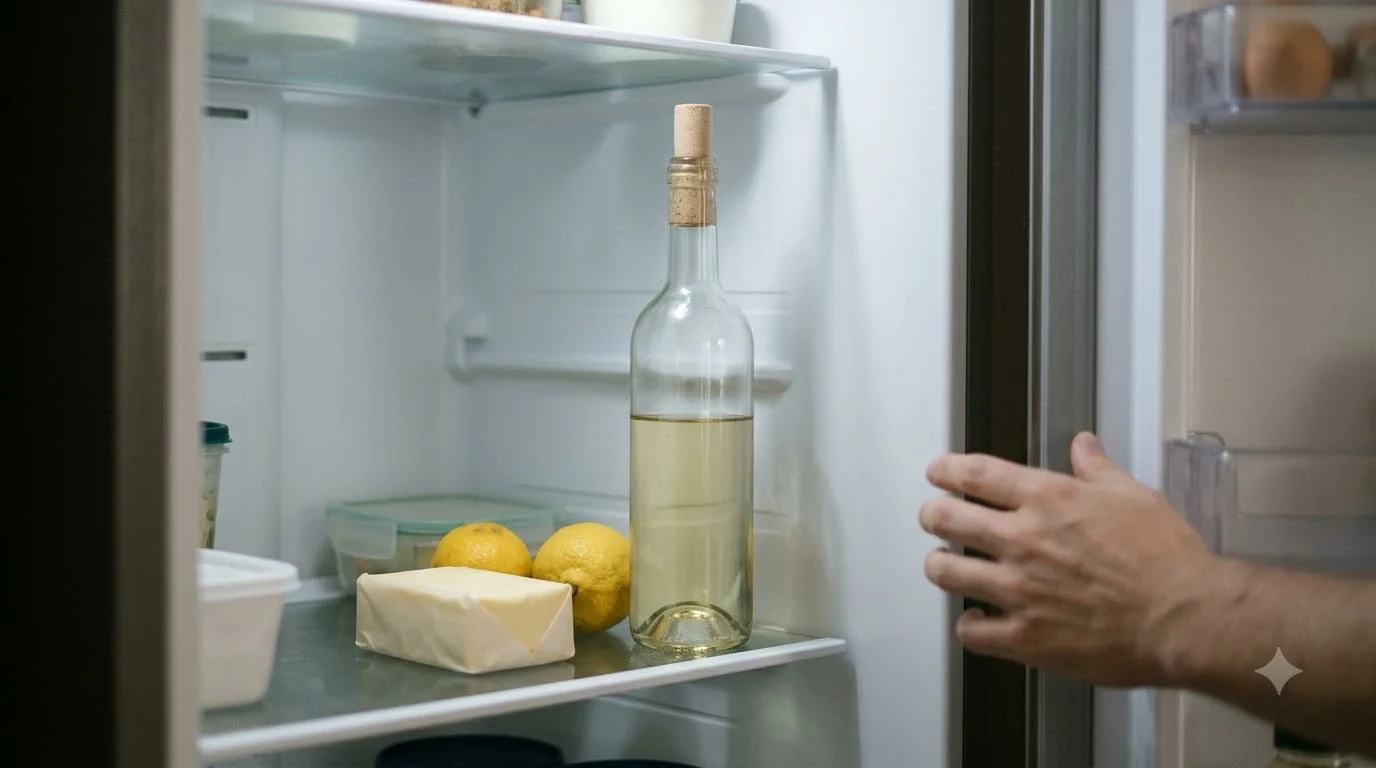
Refrigeration before serving is straightforward. Place the bottle in the refrigerator ahead of time rather than relying on a quick cooling method. If the wine becomes too cold, allow it to sit briefly before pouring. Extremely cold temperatures can make delicate aromas harder to perceive.
Once opened, still white wines generally retain their best drinking quality for approximately 3–5 days in the refrigerator when properly resealed. Sparkling wines usually have a shorter window of approximately 1–3 days, depending on the closure and storage conditions. Moscato d’Asti with gentle carbonation should be handled carefully to preserve its freshness.
Use an appropriate sparkling-wine stopper if the bottle contains carbonation. A regular wine stopper may not maintain pressure as effectively. Keep the bottle upright in the refrigerator and avoid repeatedly leaving it at room temperature for extended periods.
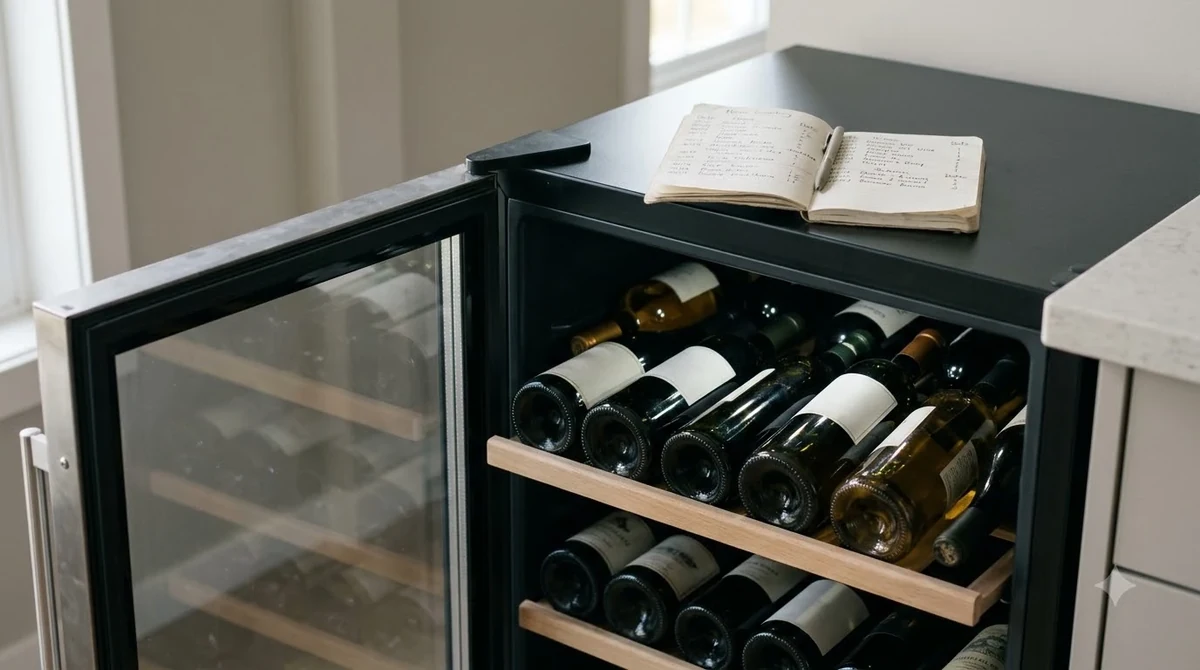
Unopened bottles should be kept in a cool, dark location. A consistent storage temperature near 55°F is a useful general target for wine. Avoid leaving bottles in a sunny kitchen, near an oven, or inside a vehicle where temperatures can fluctuate considerably.
Not every inexpensive sweet white wine needs long-term cellaring. Many everyday Moscato and approachable sweet Riesling bottlings are intended to be enjoyed relatively young, when their primary fruit aromas remain prominent. Purchasing them for near-term enjoyment is generally more practical than keeping them for many years.
Food pairing is another important part of serving. Sweet Riesling works well with spicy Thai or Indian food because its sweetness can soften chili heat, while its acidity refreshes the palate. Moscato suits fruit desserts, pastries, and lighter sweet dishes. Creamy cheeses can also work well with semi-sweet Riesling.
Remember that a wine should be at least as sweet as the dessert it accompanies. A dry white served with a very sweet cake may taste unexpectedly tart, whereas a suitably sweet Moscato can create a more balanced finish to the meal.
Frequently Asked Questions
What is the easiest sweet white wine to find for beginners?
Moscato is often the simplest starting point because its grape and floral aromas are easy to recognize. Moscato d’Asti is a particularly approachable example, with some bottlings containing approximately 5–5.5% alcohol. Its gentle carbonation also gives it a different texture from still white wine.
Does sweet white wine contain more sugar than dry white wine?
Generally, yes, because sweet wines retain more residual grape sugar after fermentation. However, sweetness perception also depends on acidity and other characteristics. Two bottles with similar residual-sugar measurements can taste different because one has greater acidity.
Can sweet white wine be used for cooking?
Yes. Sweet white wine can be useful in fruit sauces, dessert reductions, and certain marinades. However, its residual sugar becomes more concentrated as liquid evaporates, so it is generally better to use it in recipes specifically designed for a sweet wine rather than substituting it automatically for dry white wine.
Is Moscato d’Asti the same as regular Moscato?
No. Moscato is a broad name associated with several aromatic grape varieties and wine styles. Moscato d’Asti is a specific Italian DOCG wine from Piedmont made from Moscato Bianco, with controlled production requirements and gentle carbonation. Its fermentation is stopped early, preserving natural sweetness and keeping actual alcohol relatively low.
Can sweet white wine be enjoyed without food?
Yes. Moscato and sweet Riesling are both suitable for sipping on their own. A smaller 3–4 oz pour can be particularly enjoyable with a distinctly sweet wine because it allows you to appreciate its aromas without overwhelming the palate. Chilling the wine properly also helps preserve its freshness.
Choosing a satisfying sweet white wine does not require an expensive bottle or extensive wine knowledge. Start with Moscato if you enjoy fragrant, noticeably sweet fruit, or try Riesling if you prefer sweetness balanced by refreshing acidity. Compare the grape, sweetness description, and alcohol content, then choose a style that suits your food and occasion. With a little attention to these details, finding an enjoyable everyday white becomes much easier.
More in Wine Buying Guides
 Cheap Red Blend: How to Find a Flavorful Bottle for LessUpdated Nov 20, 2026
 Pinot Grigio Gift: How to Choose a Bottle They’ll EnjoyUpdated Nov 20, 2026
 Best White Wine at Total Wine for Every MealUpdated Nov 20, 2026
 Wine Fridge Replacement Shelves: Find the Right FitUpdated Nov 20, 2026
 Best Sparkling Wine Under 20: Find Bubbles Worth BuyingUpdated Nov 20, 2026
 Best Wine For Birthday Celebrations With Perfect Party PairingsUpdated Nov 20, 2026