


We may earn a commission when you buy through links on this page, at no extra cost to you. Learn more.
Sweet white wine for beginners is a white wine with noticeable residual sugar, so it tastes fruity and smooth rather than dry and tart. Good starting choices include moscato, off-dry riesling and some Sauternes-style dessert wines. The sweetness comes from grape sugar left in the wine or from grapes that were picked very ripe, and the acidity in a good bottle keeps the sweetness from tasting heavy.
If you have ever ordered a glass of white and found it too dry, a sweet white may be the style you are looking for. Many beginners assume that all white wine is sweet, or that all sweet wine is cheap and sugary. Neither is true. This guide explains how sweetness works in white wine, how to read a label for clues, which bottles are easy to start with and how to serve and pair them. For a broader look at white styles, the Wine Buying Guides hub is a good next stop.
What makes a white wine sweet
Wine is made when yeast turns grape sugar into alcohol. A winemaker who lets the yeast finish the job gets a dry wine, with almost no sugar left. A winemaker who stops fermentation early, or who starts with very ripe grapes, can leave sugar behind. That leftover sugar is called residual sugar, and it is the main reason a wine tastes sweet.
Sweetness does not work alone. Acidity is the counterweight that keeps a sweet wine fresh. A wine with high sugar and low acidity tastes flat or syrupy, while a wine with good acidity can taste bright even when it has a lot of sugar. Riesling is the classic example: VinePair notes that its natural high acidity keeps the palate fresh even in sweeter styles, and that residual sugar helps soften strong spice.
Sweetness levels you will see on the shelf
Most white wines fall into one of a few broad sweetness levels, and the words on a label help you find them. Dry means almost no sugar. Off-dry means a light touch of sweetness, which many beginners enjoy. Sweet or dessert wines are clearly sweet and often served in small glasses after a meal.
German riesling labels use useful terms. According to VinePair, trocken means dry, halbtrocken means off-dry and süss means sweet. Prädikatswein labels add a ripeness level on top of that. Kabinett and Spätlese are usually dry to medium-sweet, while Auslese can be dry but is often semi-sweet or sweet. Beerenauslese and the rarer Trockenbeerenauslese are very sweet, and Eiswein is made from grapes frozen on the vine.
| Sweetness level | What it tastes like | Common examples |
|---|---|---|
| Dry | Crisp, tart, little or no sugar | Many sauvignon blancs, pinot grigio |
| Off-dry | Light sweetness with bright acidity | Many German rieslings (halbtrocken) |
| Sweet | Clearly sweet, fruity and smooth | Moscato, late-harvest riesling |
| Dessert sweet | Rich, honeyed, served in small pours | Sauternes, Beerenauslese, Eiswein |
Easy sweet white wines to try first
Moscato is the most common starting point. It is made from the Muscat grape, and VinePair’s moscato guide describes it as a sweet, low-alcohol white with peach, nectarine and orange notes and a light effervescence. Its sweetness is easy to enjoy on its own, and the wine has a gentle, playful character that suits casual drinking.
Off-dry riesling is the next step for people who want a bit more structure. Riesling can range from bone dry to very sweet, and most rieslings made around the world are dry or off-dry, according to VinePair. Look for a bottle labeled halbtrocken or off-dry if you want sweetness with a clean finish. Late-harvest and dessert-style wines are the next level, and they are best treated as a treat rather than an everyday glass.
Sauternes and dessert whites
Sauternes is a famous sweet white from the Sauternais district of Bordeaux, made mainly from Sémillon with some Sauvignon Blanc and Muscadelle. Its sweetness comes from noble rot, a fungus that concentrates the sugar in the grapes under the right autumn conditions. VinePair describes the wine as very sweet, balanced by a touch of acidity, with flavors of peach and apricot, honey and nuts. To qualify as Sauternes, a wine must have an alcohol level of at least 13% and taste sweet.
Dessert whites like Sauternes are rich and intense, so beginners often prefer a small pour. They make a good first sweet wine if you enjoy fruit tarts or creamy desserts, but they can feel heavy on a warm afternoon. If you want something lighter, moscato or off-dry riesling is a better place to start.
Tip: Start with a small taste rather than a full glass. Sweetness is easy to enjoy in small amounts, and you can work up to bigger pours once you know which styles you like.
How to serve sweet white wine
Serve sweet white wines well chilled. Coolness makes the wine feel crisp and keeps the sugar from tasting cloying, so it is a good idea to chill the bottle in the refrigerator for a while before opening. Dessert wines are usually served in smaller glasses, since a little goes a long way. A standard white wine glass works well for moscato and riesling, and a smaller glass suits Sauternes.
Once opened, keep sweet whites in the refrigerator with the cork or cap back on. Fresh, light styles like moscato are best enjoyed within a few days, and most dessert wines keep longer in a cool place.
Food pairings for beginners
Sweet white wines work well with food that has some heat or saltiness, because the sweetness softens the spice. VinePair gives General Tso’s-style dishes as an example for moscato, and Riesling pairs well with herb-forward salads and richly spiced Indian and Thai dishes. Off-dry styles also soften the heat of chili and curry.
Sauternes pairs best with soft cheeses such as brie and with rich, tender meats, according to VinePair. Fruit desserts, cheesecake and lightly salted nuts are also good matches for dessert whites. If you want a dry white for a meal with lighter dishes, an organic pinot grigio is a more crisp option to compare with the sweeter styles.
How to choose a sweet white wine
Read the label first. A term like off-dry, halbtrocken or late harvest tells you more about the style than the grape name alone. Next, look at the producer’s description, which often mentions residual sugar or sweetness. If the bottle says demi-sec in French, it usually means sweet, and dolce or moscato on an Italian label usually points to a sweet style too.
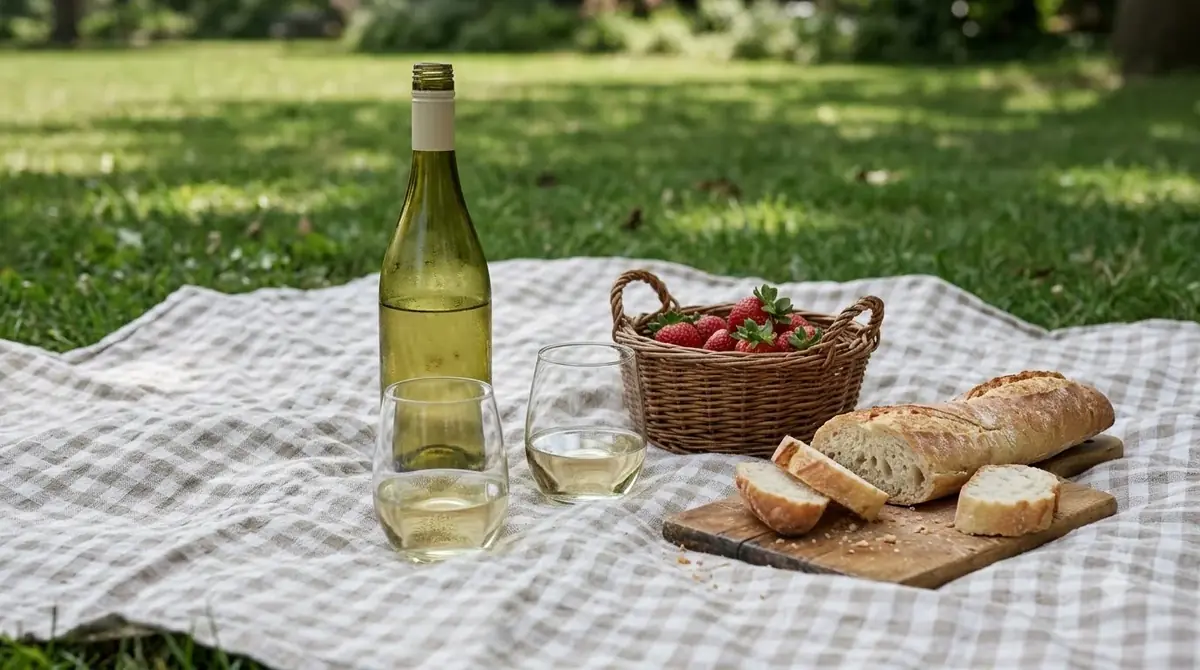
Then think about the occasion. A light moscato suits a casual brunch or a picnic, an off-dry riesling pairs well with spicy takeout, and a dessert wine works after a rich meal. Matching the wine to the meal is usually more useful than trying to predict how sweet a bottle will be.
Frequently Asked Questions
Is sweet white wine always cheap?
No. Sweet whites range from simple, everyday bottles to expensive dessert wines such as Sauternes. Price depends on the grape, the region and how much work went into the wine, so sweetness alone does not tell you how much a bottle costs.
What is the easiest sweet white wine to start with?
Moscato is the usual first choice because it is light, low in alcohol and clearly fruity. An off-dry riesling is a good second step if you want more structure and a cleaner finish.
How do I know if a white wine is sweet before I buy it?
Check the label for words like off-dry, halbtrocken, sweet or late harvest, and read the producer’s description. Grape and region help too: moscato and many German rieslings are often sweeter than a crisp sauvignon blanc.
Does sweet white wine go with dessert?
Yes, many sweet whites pair well with fruit desserts, creamy desserts and lightly salted nuts. Make sure the wine is at least as sweet as the dessert, because a dry wine with a sweet dish can taste sour.
Sweet white wine is a friendly place to start if you find dry whites too sharp. Learn the sweetness levels on the label, begin with moscato or off-dry riesling, and keep the pours small until you know your taste. Then explore dessert styles when you want something richer.
More in Wine Buying Guides
 Riesling Gift: Choose a Bottle They’ll LoveUpdated Nov 21, 2026
 Sweet Red Wine Gift: Choose a Bottle They’ll LoveUpdated Nov 21, 2026
 Malbec Gift: How to Choose a Memorable Bottle for Any OccasionUpdated Nov 21, 2026
 Sherry Gift Ideas That Match Every Wine LoverUpdated Nov 21, 2026
 Moscato Gift: How to Choose a Sweet Wine They’ll LoveUpdated Nov 21, 2026
 Merlot Gift: How to Choose a Bottle They’ll AppreciateUpdated Nov 21, 2026