

We may earn a commission when you buy through links on this page, at no extra cost to you. Learn more.
Cheap pinot noir can deliver fresh cherry, raspberry, and earthy flavors without the expense of prestigious Burgundy wines. The best values often come from California, Oregon, Chile, and New Zealand, where larger production areas and favorable growing conditions help keep bottles accessible. Focus on the region, vintage, producer, and balance of fruit and acidity rather than assuming a higher price guarantees a better wine.
Pinot Noir has a reputation as one of the more expensive red wines because the grape is difficult to grow and particularly sensitive to weather, disease, and vineyard conditions. Its thin skins, relatively small clusters, and preference for cooler growing areas make consistent production challenging. However, wine drinkers do not need to pay premium Burgundy prices to enjoy the grape’s defining qualities. Affordable examples can offer recognizable red-fruit aromas, refreshing acidity, and gentle tannins that work well with everyday meals. The key is knowing which growing regions offer value, understanding the differences between regional styles, and recognizing the signs of a balanced bottle.
Who This Is For
Affordable Pinot Noir is a good choice for drinkers who enjoy lighter red wines with fresh fruit, noticeable acidity, and softer tannins. It is particularly useful for casual dinners, weeknight meals, and gatherings where a heavier red might overpower the food.
Pinot Noir typically falls between light and medium body. Its relatively low tannin level makes it feel softer than Cabernet Sauvignon, while its natural acidity gives it enough freshness to accompany food. Typical aromas include cherry, raspberry, strawberry, cranberry, and sometimes mushroom, tea, or forest-floor notes. Wine Enthusiast describes the grape as medium-bodied, aromatic, and less tannic than varieties such as Cabernet Sauvignon and Syrah. Its Pinot Noir grape guide also identifies California, Oregon, Burgundy, and New Zealand among its important growing regions.
Budget-conscious shoppers should understand what inexpensive Pinot Noir can and cannot deliver. A broadly sourced bottle may provide attractive fruit and straightforward balance without showing the complexity of a carefully cultivated single-vineyard wine. That is not necessarily a weakness. A wine intended for pizza night or roast chicken does not need the concentration, aging potential, or detailed regional expression of a collectible bottle.
This guide is especially useful for three types of buyers:
- New Pinot Noir drinkers: People who want to discover the grape’s cherry and raspberry flavors before spending more on premium regions.
- Everyday red-wine drinkers: Shoppers who want a versatile bottle for pasta, poultry, pork, mushrooms, and salmon.
- Value-focused wine enthusiasts: Buyers interested in comparing California, Oregon, Chilean, and New Zealand wines without paying for prestigious vineyard names.
If you prefer a distinctly sweet red rather than a dry wine with ripe fruit flavors, explore the differences between regular Pinot Noir and sweet pinot noir before choosing a bottle. Fruitiness and actual residual sugar are different characteristics, and confusing them can lead to an unsuitable purchase.
Key Factors to Compare
The most useful buying clues are the growing region, label specificity, fruit profile, and balance of acidity and tannin. Comparing these characteristics gives you a better idea of what is inside the bottle than relying on packaging or an unfamiliar premium-sounding designation.
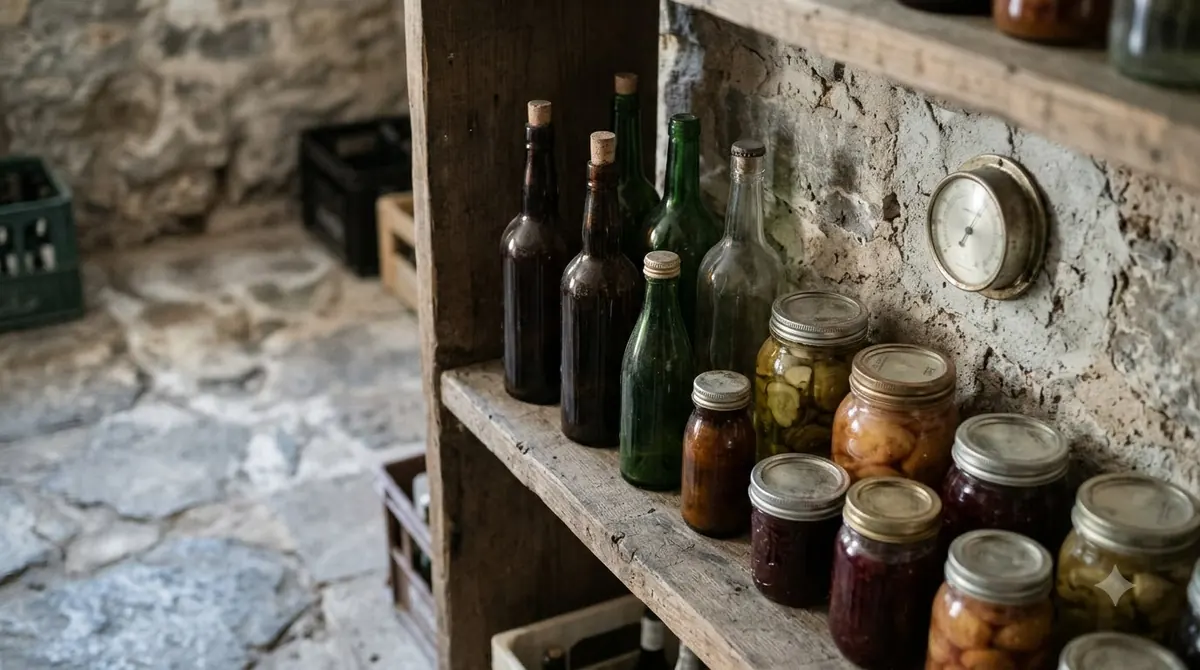
Start with the region. California offers approachable, ripe-fruited styles, while Oregon often produces brighter, more structured wines. Chile provides another useful source of lighter, fresh-tasting Pinot Noir, particularly from coastal growing areas. New Zealand is also worth considering, especially Marlborough, where cool growing conditions help preserve aromatic freshness.
Next, consider the appellation. A broad California designation generally indicates fruit sourced from a larger geographical area. A more specific reference such as Willamette Valley, Sonoma Coast, or Casablanca Valley provides additional information about where the grapes were grown. More specific sourcing does not automatically guarantee superior wine, but it can help you predict the style.
Compare these characteristics when examining bottles:
| Buying factor | What to look for | What it suggests |
|---|---|---|
| Growing region | California, Oregon, Chile, New Zealand | Different expressions of climate and fruit character |
| Acidity | Fresh, lively character | Better freshness and food compatibility |
| Tannin | Low to medium | Softer texture and less drying grip |
| Fruit profile | Cherry, raspberry, cranberry | Recognizable Pinot Noir character |
| Oak influence | Subtle vanilla or spice | Additional texture and aromatic complexity |
| Alcohol | Approximately 12% to 14% ABV | A common range for Pinot Noir |
| Production description | Regional blend or estate bottling | Clues about sourcing and production scale |
Production scale is another important consideration. Wine.com’s guide to affordable Pinot Noir explains that broader vineyard sourcing and larger production volumes can spread farming and production expenses across more bottles. This is one reason an approachable regional blend can offer a more accessible introduction to Pinot Noir than a wine from a famous individual vineyard.
Oak treatment also affects the result. New French oak is expensive, and extensive barrel aging adds production costs. Producers can instead use older barrels, stainless steel, or shorter aging periods. These methods can preserve the grape’s fruit character while avoiding some of the expense associated with elaborate oak programs.
Tip: Look for fresh cherry or cranberry character, balanced acidity, and restrained oak. A simple regional Pinot Noir with these qualities can be more satisfying than a heavily flavored bottle that relies on sweetness or strong vanilla notes.
Finally, think about how you plan to drink the wine. A straightforward, fruit-forward bottle is suitable for casual entertaining, while a more structured Oregon or New Zealand example may be preferable for a dinner centered on duck, pork, or mushrooms.
Step-by-Step: How to Choose a Bottle
A reliable buying process begins with your preferred flavor profile and narrows the options through the region, label, and wine characteristics. Following these steps helps reduce the chance of choosing an inexpensive bottle that is too sweet, too heavy, or too simple for your preferences.
-
Decide whether you prefer bright or ripe fruit.
Choose a cooler-climate style if you enjoy cranberry, tart cherry, raspberry, and herbal notes. If you prefer softer, fuller fruit, look toward California Pinot Noir, which often emphasizes ripe cherry, strawberry, and gentle vanilla.
-
Choose a promising growing region.
Begin with California, Oregon, Chile, or New Zealand. These regions offer different expressions of Pinot Noir, so your choice should reflect your taste rather than an assumption that one country always produces better value.
-
Read the geographical designation.
Look for information such as Central Coast, Sonoma Coast, Willamette Valley, Marlborough, or Casablanca Valley. A named region can help distinguish a wine with a more specific origin from a broadly sourced bottling.
-
Identify the intended style.
Descriptions such as light-bodied, bright, fresh, earthy, or fruit-forward help you anticipate the wine’s character. Terms such as vanilla, toasted oak, and baking spice suggest additional winemaking influences rather than a different grape variety.
-
Check the producer and vintage.
Look for a producer with a recognizable range of wines and a consistent regional identity. The vintage matters because seasonal conditions influence ripeness, acidity, and the overall character of Pinot Noir.
-
Consider the meal.
For grilled salmon or roast chicken, favor bright acidity and restrained tannins. For duck, pork, or mushroom risotto, a more earthy or structured Pinot Noir can provide a particularly satisfying match.
-
Compare independent descriptions.
Look for reviews that discuss acidity, tannin, fruit character, and balance rather than relying entirely on promotional descriptions. If a review discusses a different vintage, remember that its observations may not apply perfectly to the bottle available in the store.
-
Buy one bottle before committing to a case.
Try a bottle with an appropriate meal and decide whether its body, acidity, and fruit profile suit your preferences. Once you identify a region and producer you enjoy, repeat purchases become much easier.
This approach is particularly useful for shoppers who are still learning their preferences. Rather than buying several similar California wines, for example, compare one California bottle with an Oregon or Chilean example. The contrast will help identify whether you prefer ripe fruit, earthy character, or brighter acidity.
Types and Regional Styles Explained
Affordable Pinot Noir is not one uniform style. California, Oregon, Chile, and New Zealand each offer different combinations of fruit ripeness, acidity, and savory character, allowing shoppers to choose according to their preferences.
California: Ripe and Approachable
California is a useful starting point for buyers who prefer generous fruit flavors and a rounder texture. Depending on the growing area and winemaking approach, the wine may show ripe cherry, strawberry, plum, vanilla, or baking spice.
Coastal growing areas deserve particular attention. Sonoma Coast, Russian River Valley, Monterey, and Santa Barbara County offer different expressions of Pinot Noir, with cooler areas generally preserving more freshness. Broadly sourced California bottlings can provide an accessible everyday style, while more specific appellations may offer additional regional detail.
California Pinot Noir is particularly suitable for people transitioning from Merlot or other approachable red wines. Its softer tannins and generous fruit make it easy to serve with roast chicken, pork, tomato-based pasta, and grilled vegetables.
Oregon: Bright and Earthy
Oregon’s Willamette Valley is one of the most recognizable American Pinot Noir regions. Its cooler growing conditions support fresh acidity and flavors such as red cherry, cranberry, herbs, and subtle forest-floor notes.
Oregon Pinot Noir often has a more restrained fruit profile than warmer California examples. Some wines show tea-like or earthy nuances, while others emphasize tart red fruit and a firm but gentle structure. The differences between producers and growing areas can be considerable.
For value-focused shoppers, broadly sourced Willamette Valley bottlings are a sensible place to begin. More specific areas, including Dundee Hills and Eola-Amity Hills, provide additional geographical detail but may come with higher production costs.
Chile: Fresh Coastal Character
Chile is particularly interesting for people who want to explore lighter Pinot Noir styles. Coastal areas such as Casablanca Valley and San Antonio benefit from Pacific Ocean influences that help moderate vineyard temperatures.
Casablanca Valley Pinot Noir often emphasizes fresh red fruit, tart cherry, herbal notes, and lively acidity. These wines can be appealing with charcuterie, roasted vegetables, lighter meat dishes, and casual lunches.
Chilean Pinot Noir is also a useful alternative for shoppers who find premium Burgundy or Oregon bottlings outside their preferred spending range. Its coastal growing areas provide a recognizable cool-climate expression without requiring a famous appellation.
New Zealand: Aromatic and Fresh
New Zealand produces Pinot Noir in several regions, including Marlborough and Central Otago. Marlborough is particularly worth investigating for shoppers interested in aromatic, fruit-focused wines with fresh acidity.
Expect combinations of cherry, raspberry, herbs, and subtle spice. Central Otago can offer a more concentrated expression, while Marlborough wines often provide an approachable introduction to the country’s Pinot Noir production.
New Zealand Pinot Noir works well with roast poultry, pork, and mushroom-based dishes. Its aromatic character can also make it a good option for people who usually prefer white wine but want to explore a lighter red.
France: Burgundy Alternatives
Burgundy is Pinot Noir’s historic home, but its most famous appellations are not always the most practical starting point for budget shoppers. Regional French Pinot Noir and broader Bourgogne Rouge bottlings can provide a way to explore the country’s traditional style.
Look for red cherry, earthy notes, mushroom, and mineral character. These wines can be particularly appealing to drinkers who prefer savory complexity over ripe, jammy fruit.
French Pinot Noir is not automatically inexpensive, and the reputation of Burgundy can influence bottle prices substantially. Comparing regional designations rather than focusing exclusively on famous villages is a more useful strategy for value shopping.
Common Mistakes When Buying Cheap Pinot Noir
The most common mistakes involve confusing ripe fruit with sweetness, assuming every inexpensive bottle is poor quality, and choosing wines based on attractive packaging rather than their actual style. A few basic checks can help avoid these problems.
Confusing Fruitiness With Sweetness
Most Pinot Noir is dry. However, ripe cherry, strawberry, and raspberry flavors can create an impression of sweetness even when the wine contains little residual sugar.
Some producers also make particularly fruit-forward styles that emphasize softness and ripe flavors. If you prefer a crisp, dry red, seek descriptions that mention fresh acidity, tart cherry, cranberry, and restrained oak rather than jammy fruit or a sweet finish.
Assuming Darker Color Means Better Quality
Pinot Noir naturally has relatively thin skins and generally produces lighter-colored red wine than Cabernet Sauvignon or Syrah. A translucent ruby appearance is not a warning sign.
Concentrate instead on the wine’s aromas, freshness, and balance. A lighter-colored wine with clean cherry aromas and refreshing acidity can be a more representative Pinot Noir than a very dark bottle with excessive extraction.
Buying Only From Famous Regions
Burgundy has a strong reputation, but a famous geographical name does not automatically mean a bottle will suit your preferences. Some less prominent regions produce enjoyable wines with recognizable Pinot Noir characteristics.
Explore Chile’s Casablanca Valley, Marlborough in New Zealand, and broader California or Oregon bottlings. These alternatives can provide an excellent introduction to regional differences without requiring a premium appellation.
Expecting Every Bottle to Improve With Age
Many inexpensive Pinot Noirs are made for relatively early enjoyment. Their appeal lies in fresh fruit, approachable tannins, and lively aromas rather than extended cellar development.
Do not assume that keeping an everyday bottle for several years will make it more complex. Some wines may lose their fresh fruit character without developing the additional savory complexity associated with carefully made age-worthy examples.
Ignoring the Food Pairing
Pinot Noir is versatile, but it is not equally suitable for every dish. Its relatively gentle tannins and bright acidity make it a natural partner for poultry, pork, mushrooms, and salmon.
Very spicy foods can make the alcohol and tannin in red wine feel more pronounced. Similarly, highly tannic red wines are generally less suitable for oily fish. Pinot Noir’s softer structure makes it a better option for salmon than Cabernet Sauvignon in many traditional pairings.
Another useful consideration is sweetness in food. A wine should generally be at least as sweet as the dessert being served. A dry Pinot Noir will usually taste less satisfying beside a very sweet dessert than a wine with matching sweetness.
Serving, Care, and Storage Tips
Proper serving temperature and storage help preserve the fresh aromas that make affordable Pinot Noir enjoyable. A few practical habits can make an ordinary bottle taste more balanced without requiring specialized equipment.
Serve Slightly Chilled
Light-bodied reds are generally best served between 55°F and 60°F. Pinot Noir benefits from this cooler range because excessive warmth can make alcohol feel more noticeable and reduce the impression of freshness.
If the bottle has been stored at typical room temperature, place it in the refrigerator for approximately 20 to 30 minutes before serving. If it has been refrigerated for an extended period, allow it to warm slightly before pouring.
Choose the Right Glass
A medium-to-large bowl with a slightly narrower opening is useful for Pinot Noir. The wider bowl provides room for aromas to develop, while the narrower rim directs those aromas toward the nose.
There is no requirement to purchase expensive specialized glassware for inexpensive wine. A clean standard red-wine glass with enough room to swirl a small pour is perfectly adequate.
Decant When Appropriate
Young, particularly aromatic Pinot Noir can benefit from a short period of aeration. Approximately 30 minutes in a decanter can help some wines reveal their fruit and savory aromas.
However, decanting is not mandatory. Many straightforward everyday Pinot Noirs are enjoyable immediately after opening. If a bottle seems muted, pour a small glass and allow it to develop for 10 to 15 minutes before deciding whether additional aeration would help.
Store Bottles Correctly
For longer storage, keep unopened bottles in a cool, dark location near 55°F. Avoid direct sunlight, repeated temperature fluctuations, and areas close to ovens or heating equipment.
Traditional cork-sealed bottles are generally stored on their sides to keep the cork in contact with the wine. This helps prevent the cork from drying out during extended storage. Everyday Pinot Noir does not need a specialized cellar, but a stable, cool environment is preferable to a warm kitchen shelf.
Preserve Opened Wine
After opening, replace the cork or use a suitable wine stopper and refrigerate the remaining wine. Most opened still wines, including Pinot Noir, are best consumed within approximately three to five days.
Cold storage slows oxidation, although the wine’s aromas and fruit character will gradually change. Before serving the next glass, allow a small pour to warm slightly so that its aromas become easier to recognize.
For more help comparing producers, regional styles, and buying decisions, explore our best pinot noir brands overview and the wider collection of Wine Buying Guides.
Frequently Asked Questions
Does inexpensive Pinot Noir contain fewer grapes or lower-quality grape varieties?
No. A bottle labeled Pinot Noir is made primarily from that grape, subject to the applicable regional labeling rules. Differences in price generally reflect vineyard sourcing, farming costs, production scale, aging choices, and the reputation of the producer or appellation rather than a completely different grape variety.
Can inexpensive Pinot Noir be used for cooking?
Yes. Dry Pinot Noir can work in mushroom sauces, chicken braises, and pan sauces for pork. Its acidity and relatively moderate tannins make it useful in recipes where a very powerful red wine might dominate the other ingredients. Avoid cooking with a bottle that has developed unpleasant oxidation or other faults.
Is Pinot Noir the same grape as Spätburgunder?
Yes. Spätburgunder is the German name for Pinot Noir, while Pinot Nero is the Italian name. These wines can differ in style according to regional climate, vineyard conditions, and winemaking, but they come from the same grape variety.
Why can two inexpensive Pinot Noirs have noticeably different colors?
Color depends on grape ripeness, skin contact during fermentation, extraction techniques, and the characteristics of the growing season. Pinot Noir naturally tends toward lighter pigmentation than many other red grapes. A pale ruby wine and a deeper garnet example can both be legitimate expressions of the variety.
Can Pinot Noir be made into sparkling wine?
Yes. Pinot Noir is one of the principal grapes used in Champagne, where it may be blended with Chardonnay and Pinot Meunier. It contributes structure, body, and red-fruit characteristics to sparkling wines, including rosé Champagne. Sparkling Pinot Noir is a different buying category from inexpensive still red Pinot Noir.
Finding an enjoyable inexpensive Pinot Noir is largely a matter of choosing the right growing region and understanding the style you prefer. California, Oregon, Chile, and New Zealand all offer useful starting points, whether you enjoy ripe cherry fruit, tart cranberry, or earthy complexity. Compare a few regional examples, serve them slightly chilled, and let your own preferences guide your next bottle.
More in Wine Buying Guides
 Cheap Red Blend: How to Find a Flavorful Bottle for LessUpdated Nov 20, 2026
 Pinot Grigio Gift: How to Choose a Bottle They’ll EnjoyUpdated Nov 20, 2026
 Best White Wine at Total Wine for Every MealUpdated Nov 20, 2026
 Wine Fridge Replacement Shelves: Find the Right FitUpdated Nov 20, 2026
 Best Sparkling Wine Under 20: Find Bubbles Worth BuyingUpdated Nov 20, 2026
 Best Wine For Birthday Celebrations With Perfect Party PairingsUpdated Nov 20, 2026