

We may earn a commission when you buy through links on this page, at no extra cost to you. Learn more.
Sweet pinot noir is a Pinot Noir that tastes fruitier and softer than the usual dry style, with ripe raspberry and cherry flavors that can read as sweet even though the grape is normally made dry. Pinot Noir is classed as a dry red with light body, low tannin, and medium-high acidity. A bottle that tastes sweet is usually fruit-forward or lightly oaked rather than sugared, and understanding that difference helps you choose well.
Pinot Noir is one of the most approachable red grapes, which is why many people reach for it when they want a red that does not taste heavy or dry. Some of those people are really looking for a fruitier, rounder bottle. This guide explains what makes Pinot Noir taste sweet, how to read labels for fruit-forward styles, which regions tend to produce them, and how to serve and pair them.
Why Pinot Noir is normally dry
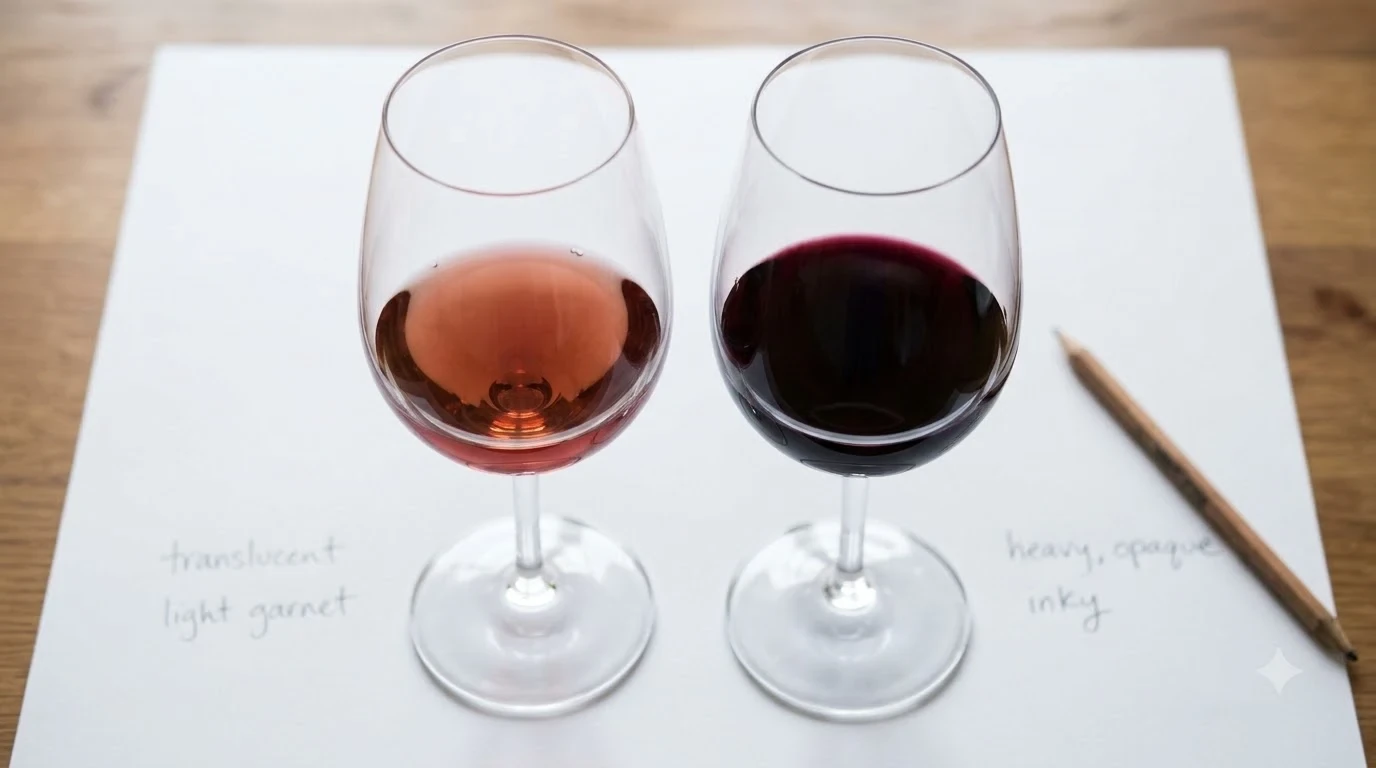
Wine Folly describes Pinot Noir as a dry wine with medium body, low tannins, and medium-high acidity, typically around 12 to 14 percent alcohol. Its primary flavors are raspberry, cherry, mushroom, vanilla, and hibiscus. The grape has thin skins, so its wines are usually pale to medium in color, and the flavor is delicate rather than dense.
Because the wine is dry, the sweet impression comes from style choices. A winemaker can emphasize ripe fruit, add a touch of oak, or pick the grapes at a riper point. Each of those decisions changes how sweet the bottle tastes, even though no residual sugar has been added.
What makes a Pinot Noir taste sweet
Ripe fruit is the biggest factor. Raspberry and cherry flavors that come across as jammy or plush make a Pinot Noir feel sweeter. Wine Folly notes that aromas of ripe cherry and raspberry are typical, with undertones of forest floor and tea leaves in more classic styles. The fruit-forward bottles lean toward the first set of aromas and taste rounder on the palate.
Oak plays a role too. Oak aging adds vanilla and smoke, and vanilla in particular is easily read as sweetness. Silky texture also helps. Pinot Noir is naturally light and smooth, but a well-made bottle with ripe fruit and gentle tannin can taste soft and sweet without any sugar at all.
Where sweeter-style Pinot Noir comes from
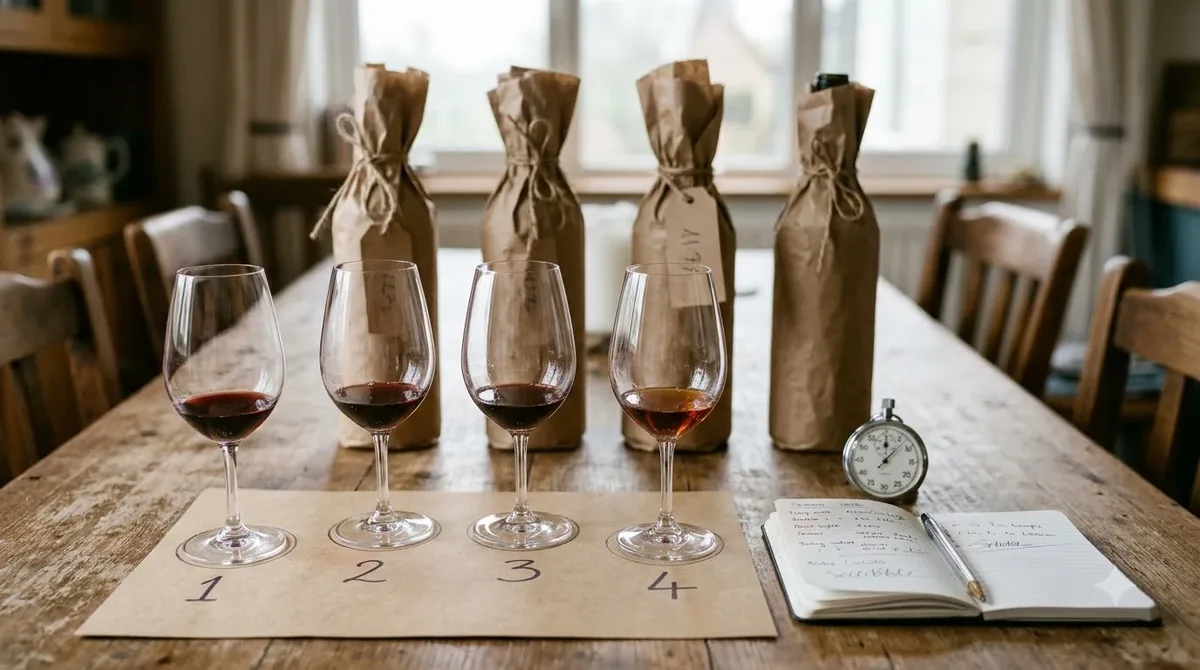
Regional style is one of the best clues on the label. Burgundy, in France, is the traditional home of Pinot Noir, and its most prized vines grow on a narrow, east-facing slope south of Dijon. Burgundy bottles tend to be earthy and restrained, so they are usually not the first choice for a sweet taste. Oregon’s Pinot Noir is often described as closest to Burgundy in style, with bright fruit and a balanced structure.
California produces fuller, more fruit-forward Pinot Noir, and many bottles from warm pockets of the state show ripe cherry and vanilla. In Germany, Baden and the Ahr produce Pinot Noir, which is known locally as Spatburgunder. New Zealand’s Central Otago, Marlborough, and Martinborough also make bright, fruity wines with a clean finish. If you want a softer taste, look at California and New Zealand before you choose a traditional Burgundy.
How to serve sweet-style Pinot Noir
Pinot Noir shows best when it is served slightly cooler than room temperature. Wine Folly recommends 55 to 60 degrees Fahrenheit, which lets the fruit come through without making the wine taste flat or harsh. A wide aroma glass helps lift the cherry and raspberry notes. Many young bottles also benefit from about 30 minutes of decanting, which softens the fruit and lets the aromas open.
If you are opening a fruitier bottle, pour a small amount first and taste it again after 15 or 20 minutes. Pinot Noir often changes noticeably as it opens. Keep the bottle in a cool place between glasses, and avoid leaving it near a heat source, because warmth makes fruit taste jammy and alcohol more pronounced.
| Style cue | What it usually means | Best way to serve |
|---|---|---|
| Ripe raspberry, cherry | Fruit-forward, rounder mouthfeel | 55 to 60 degrees Fahrenheit, aroma glass |
| Vanilla, light smoke | Oak-aged, can read as sweeter | Decant about 30 minutes |
| Forest floor, tea leaves | Classic, earthy, drier style | Serve with mushroom or savory dishes |
| California or New Zealand | Fuller, brighter fruit | Good with duck or richer dishes |
Tip: If a fruitier Pinot Noir seems too rich with dinner, chill it for about 10 minutes before pouring. The cooler temperature firms up the acidity and brings the balance back.
Food pairing for fruit-forward Pinot Noir
Wine Folly calls Pinot Noir a versatile, catch-all food wine. It suits light dishes such as salmon and richer ones such as duck, where the wine’s acidity cuts through the fat. Earthy, mushroom-based dishes also pair well, which is why Pinot Noir is a common choice for roasted vegetables and mushroom risotto.
A fruit-forward bottle is especially good with dishes that have some sweetness or smoke, such as glazed pork, grilled salmon, or roast chicken with herbs. The wine’s ripe fruit matches the sweetness in the sauce, and its low tannin keeps the pairing light.
How to choose a sweet-style Pinot Noir
Read the tasting notes first. Words such as ripe, plush, jammy, or silky usually point to a softer, fruit-driven bottle. Words like earthy, mineral, or savory suggest a drier style. Check the region as well, since California and New Zealand bottles often taste fuller and fruitier than Burgundy. If the producer notes mention oak, vanilla is a sign of a rounder bottle, though it may also feel richer.
When you shop, the producer often tells you more than the region does. Two bottles from the same region can taste very different if one maker focuses on fresh fruit and the other on earthy structure. Keep a short note of the bottles you enjoy, including the producer name and the words used in the tasting notes, and bring it with you on your next visit. Over a few purchases, that list becomes a reliable guide to the sweeter, fruit-forward Pinot Noir styles you like.
If you also enjoy full reds, a guide to sweet cabernet sauvignon offers a different kind of fruit-forward red, with more structure and tannin. Comparing the two helps you decide which style suits your meal.
Frequently Asked Questions
Is Pinot Noir a sweet wine?
Pinot Noir is classed as a dry red. Some bottles taste sweet because they are very fruit-forward or lightly oaked, not because they contain much leftover sugar.
What makes Pinot Noir taste sweeter?
Ripe raspberry and cherry flavors, vanilla from oak, and a silky texture with low tannin are the most common causes. Warmer regions often produce fruitier bottles.
What temperature should I serve Pinot Noir at?
Wine Folly recommends 55 to 60 degrees Fahrenheit, which is slightly cooler than room temperature. Chilling a fruit-forward bottle for about 10 minutes can help balance it.
What food goes with a fruit-forward Pinot Noir?
Salmon, duck, roast chicken with herbs, and mushroom dishes all pair well. The wine’s acidity suits fatty foods, and its low tannin keeps it light.
Sweet pinot noir is really a fruit-forward style of a dry wine. Look for ripe and silky tasting notes, consider California or New Zealand if you want a softer taste, and serve the wine at 55 to 60 degrees Fahrenheit. For more help reading labels and choosing styles, the Wine Buying Guides section covers the essentials, and dry pinot grigio is a good option if you want a lighter white alongside a red. The grape profile is on Wine Folly’s Pinot Noir guide.
More in Wine Buying Guides
 Riesling Gift: Choose a Bottle They’ll LoveUpdated Nov 21, 2026
 Sweet Red Wine Gift: Choose a Bottle They’ll LoveUpdated Nov 21, 2026
 Malbec Gift: How to Choose a Memorable Bottle for Any OccasionUpdated Nov 21, 2026
 Sherry Gift Ideas That Match Every Wine LoverUpdated Nov 21, 2026
 Moscato Gift: How to Choose a Sweet Wine They’ll LoveUpdated Nov 21, 2026
 Merlot Gift: How to Choose a Bottle They’ll AppreciateUpdated Nov 21, 2026