

We may earn a commission when you buy through links on this page, at no extra cost to you. Learn more.
The Best Chardonnay Under 20 is a fresh, balanced bottle that matches your preferred style, whether that means crisp green apple and citrus or creamy peach, vanilla, and toasted oak. Look for unoaked wines if you prefer brighter fruit and refreshing acidity, or choose lightly oaked California Chardonnay for a rounder texture. Bottles from California, France, Australia, and Chile can all deliver enjoyable everyday Chardonnay without requiring a premium budget.
Chardonnay is one of the most versatile white wines to shop for because the same grape can produce dramatically different experiences. A bottle might taste like lemon, pear, and green apple, while another offers baked apple, butter, vanilla, and toasted nuts. The difference often comes down to grape ripeness, growing climate, fermentation, and aging choices rather than the grape variety itself.
For shoppers working within a modest budget, the smartest approach is to choose a flavor profile before choosing a producer. That makes it easier to recognize good options on crowded retail shelves, compare bottles from different countries, and avoid wines that are technically well made but unsuitable for your preferences.
Who Should Buy Chardonnay Under 20
Affordable Chardonnay is particularly useful for everyday meals, casual entertaining, and shoppers who want a versatile white wine without committing to an expensive bottle. The category includes crisp, refreshing options for seafood lovers and fuller wines for people who enjoy creamy textures and richer flavors.
Start with your existing wine preferences. If you normally drink Sauvignon Blanc or Pinot Grigio, try an unoaked Chardonnay with green apple, lemon, and pear flavors. It offers a little more body while retaining the fresh character that makes those wines appealing. Chardonnay from Chablis, the Mâconnais, or cooler parts of California can be useful starting points.
People who enjoy richer white wines may prefer California Chardonnay with some oak influence. These wines can show ripe peach, yellow apple, vanilla, toast, and a softer mouthfeel. They are particularly suitable for roast chicken, creamy pasta, grilled pork, and dishes prepared with butter-based sauces.
Chardonnay is also a practical choice for households that serve different foods throughout the week. A medium-bodied bottle can work with grilled chicken on one evening, shrimp on another, and a cheese board at the weekend. Its versatility makes it a useful addition to a regular wine selection.
However, Chardonnay is not automatically the right choice for every white-wine drinker. Someone who wants extremely light, aromatic wine may prefer Pinot Grigio, while drinkers seeking pronounced floral aromas and noticeable sweetness may prefer Riesling or Moscato. The grape’s range is broad, but understanding those differences helps prevent an unsuitable purchase.
Readers comparing different wine categories can also explore the wine-buying basics for a wider understanding of labels, grape varieties, and regional terminology.
Key Factors to Compare When Shopping
The most important comparison points are oak influence, acidity, body, fruit character, and regional origin. These characteristics provide more useful information than choosing a bottle simply because its label looks attractive or its country of origin is familiar.
Oak is often the first decision. Unoaked Chardonnay emphasizes fruit and freshness, while barrel-aged Chardonnay can introduce vanilla, toast, baking spice, and a fuller impression. Some affordable wines also achieve oak-like flavors through oak alternatives, so a buttery or vanilla-scented wine does not necessarily mean extensive barrel aging.
Acidity is another important consideration. Chardonnay generally has medium acidity, although cooler growing conditions and restrained winemaking can produce a brighter, more refreshing style. Higher acidity helps a wine complement dishes containing lemon, fresh herbs, and seafood. A softer Chardonnay can be more comfortable alongside roasted poultry, mushrooms, and cream sauces.
Body describes how substantial a wine feels in the mouth. Light-to-medium-bodied Chardonnay is usually easier to serve with delicate fish and vegetable dishes. Fuller-bodied examples are better suited to richer foods, including roast chicken, lobster with butter, and creamy pasta.
| Factor | What to Look For | Typical Characteristics | Best Use |
|---|---|---|---|
| Oak influence | Unoaked or barrel-aged | Citrus versus vanilla and toast | Choose according to flavor preference |
| Acidity | Fresh or softer finish | Medium, sometimes brighter in cool climates | Seafood or creamy dishes |
| Body | Light, medium, or full | Delicate to rounded texture | Fish, poultry, or richer sauces |
| Fruit profile | Green apple or tropical fruit | Lemon, pear, peach, pineapple | Fresh or fruit-forward preferences |
| Origin | California, France, Chile, Australia | Different climate and winemaking influences | Regional style exploration |
| Bottle size | Standard 750 ml | About five 5 oz servings | Small dinners and casual gatherings |
Regional labeling can also improve your selection. Wine Enthusiast recommends paying attention to specific California appellations instead of relying only on broad geographical descriptions. SLO Coast, Sta. Rita Hills, and Santa Lucia Highlands are examples of more specific place names that can help shoppers investigate wines from particular growing areas.
For an independent overview of Chardonnay’s flavor range, climate influences, and oak characteristics, consult the Wine Folly Chardonnay wine guide. Its distinction between creamy oak-aged wines and leaner unoaked expressions provides a useful starting point for comparing bottles.
Tip: Choose your preferred texture before shopping. If you enjoy butter, vanilla, and toast, start with lightly oaked Chardonnay. If you prefer lemon, green apple, and a cleaner finish, look for unoaked, unwooded, stainless steel, or inox on the label.
Step-by-Step: How to Choose a Good Bottle
A simple shopping process helps narrow down the options without requiring specialist wine knowledge. Follow these steps to identify a Chardonnay that suits your taste, meal, and budget.
- Decide whether you prefer oak. Choose unoaked Chardonnay for citrus, apple, and refreshing acidity. Choose oaked Chardonnay for vanilla, toast, buttery texture, and fuller fruit. If you are unsure, start with a lightly oaked example.
- Identify your preferred fruit profile. Green apple, lemon, and pear generally suggest a fresher expression. Peach, pineapple, melon, and ripe yellow apple suggest a fruitier, potentially warmer-climate style.
- Consider the wine’s region. Look at Chablis and Mâcon in France, Sonoma Coast in California, Oregon, or Casablanca Valley in Chile when seeking freshness. Consider warmer California regions or other ripe-fruited producers if you prefer a richer profile.
- Read the producer description. Look for specific tasting terms such as crisp, citrus, mineral, creamy, toasted, and vanilla. These words help establish whether the wine is likely to suit your preferences.
- Match the bottle to your meal. Pair bright Chardonnay with oysters, shrimp, and grilled fish. Select a fuller style for roast chicken, creamy pasta, or lobster with butter.
- Compare the available bottles. Consider the producer, origin, vintage, and style together. A well-established winery or a second label from a respected producer can be a useful starting point.
- Plan the serving temperature. Chill the wine before serving and avoid pouring it directly from an extremely cold refrigerator if you want to appreciate its aromas and texture.
For additional inspiration, Wine Enthusiast’s affordable Chardonnay selections illustrate how different regions and producers can offer very different expressions of the grape. Its under-20-dollar recommendations include Xanadu Circa 77 from Western Australia, Nine North Chasing Lions from California, and Le Jade from France.
These examples demonstrate why choosing a bottle by flavor profile is more useful than assuming every Chardonnay in the same category will taste alike. A bright, citrus-driven wine can be just as appropriate for a dinner party as a rounder, oak-influenced California example.
When shopping, keep your selection process simple: identify the flavor you want, compare the region, and choose a producer whose description matches that expectation. This approach makes repeat purchases easier because you can remember which characteristics worked well rather than relying only on a bottle’s appearance.
Chardonnay Styles and Regions Explained
Chardonnay’s regional differences provide an effective shortcut when choosing between bottles. Climate, harvest ripeness, fermentation, and oak treatment influence whether the finished wine tastes crisp, fruity, creamy, or richly textured.
Unoaked Chardonnay
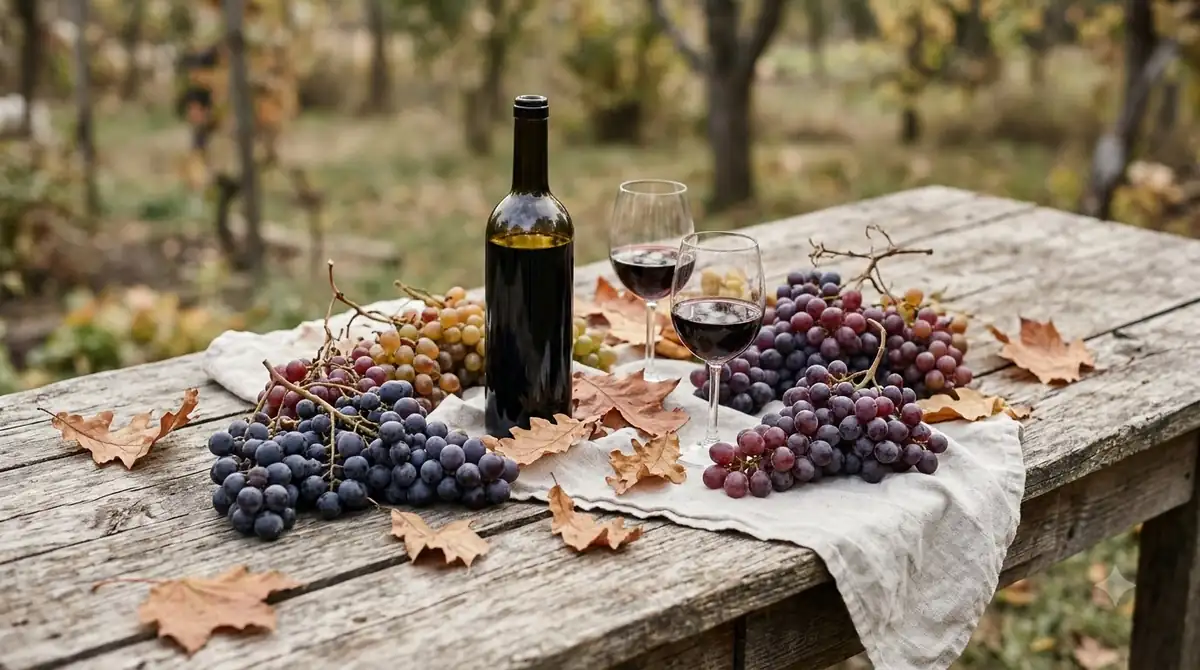
Unoaked Chardonnay is the natural starting point for shoppers who prefer fresh, straightforward white wines. Without noticeable new-oak influence, the grape’s fruit characteristics take center stage. Common flavors include green apple, pear, lemon, white peach, and sometimes melon.
Stainless steel fermentation and aging are common ways to preserve this style. Some producers also use older barrels that contribute little additional oak flavor. The resulting wine can feel lighter and more energetic than heavily oaked Chardonnay.
France’s Chablis and Mâcon regions are useful starting points. In the United States, look at Sonoma Coast and Oregon. Wine Folly also identifies Western Australia and Chile’s Casablanca Valley as regions associated with fresher Chardonnay expressions.
Lightly Oaked Chardonnay
Lightly oaked Chardonnay provides a middle ground for drinkers who want some richness without overwhelming the fruit. Expect a combination of apple, peach, citrus, and gentle vanilla or toast. The texture is often rounded but still sufficiently fresh for everyday meals.
This style can be particularly versatile at the dinner table. It works with roast chicken, grilled shrimp, mild cheeses, and pasta dishes that contain moderate amounts of butter or cream. Its balance between fruit and texture makes it an excellent choice for guests with different wine preferences.
Buttery and Full-Bodied Chardonnay
Fuller Chardonnay is designed for people who enjoy a richer white wine. Oak aging can introduce vanilla, toasted wood, coconut, and baking spice, while malolactic fermentation can soften the acidity and create a creamy impression.
California is a familiar source of this style, particularly from warmer growing areas. Napa Valley, Paso Robles, and Lake County are among the regions associated with oaked Chardonnay in Wine Folly’s regional overview.
Fuller Chardonnay works especially well with roast chicken, pork loin, lobster, and creamy mushroom pasta. It can also complement soft and semi-soft cheeses, particularly when the food contains enough richness to match the wine’s texture.
Cool-Climate and International Chardonnay
Cooler growing conditions can help preserve acidity and encourage flavors such as lemon, green apple, and fresh pear. These wines may feel leaner than warmer-climate examples, even when both are made from the same grape.
Chablis is a recognizable French example, while Oregon and parts of coastal California offer American alternatives. Western Australia also deserves attention. Wine Enthusiast highlighted Xanadu 2022 Circa 77 Chardonnay for its combination of lemongrass, key lime, white peach, mineral character, and bright acidity.
France’s Côtes de Thau provides another direction. Wine Enthusiast described the 2023 Le Jade Chardonnay from Les Costières de Pomerols through apple, pear, baking spice, and a lively streak of acidity. These regional examples show that affordable Chardonnay does not have to follow one predictable California flavor profile.
Common Mistakes When Buying Affordable Chardonnay
The most frequent shopping mistake is assuming that price, color, or a familiar label automatically predicts quality. A more reliable decision considers the wine’s balance, fruit character, acidity, and intended style.
Confusing buttery flavor with sweetness is one common problem. A Chardonnay can taste creamy because of oak influence or malolactic fermentation while remaining dry. Vanilla and ripe peach aromas can also create an impression of sweetness without meaning that the wine contains significant residual sugar.
Drinkers who prefer dry wine should explore dry Chardonnay for a closer look at this style. Those who specifically enjoy noticeable sweetness can compare it with sweet Chardonnay instead of assuming that a buttery bottle will taste sugary.
Choosing heavily oaked wine for every occasion is another mistake. A full-bodied Chardonnay can be enjoyable with cream sauces and roast poultry, but its richness may overwhelm delicate seafood or a simple green salad. A leaner bottle often works better when the meal relies on fresh herbs, lemon, and light seasoning.
Ignoring acidity can also produce disappointing food pairings. Acidic dishes generally work better with wines that have equal or higher acidity. A fresh Chardonnay can complement lemon-seasoned fish, while a softer wine may feel less lively alongside strongly acidic sauces.
Assuming all California Chardonnay tastes the same limits your choices unnecessarily. California contains different climates and growing regions, producing everything from crisp coastal wines to rich, ripe expressions. A specific appellation can provide more useful information than a broad geographical designation.
Buying based only on oak terminology can also lead to confusion. A bottle described as creamy may owe much of its texture to malolactic fermentation rather than extensive barrel aging. Similarly, oak flavor can come from different winemaking techniques, including oak alternatives.
Finally, avoid expecting an affordable Chardonnay to reproduce the exact characteristics of an expensive white Burgundy or a prestigious California estate wine. The better objective is to find a balanced, enjoyable bottle that delivers the style you want. Good everyday wine does not need to imitate a luxury category to be worthwhile.
Serving, Care, and Storage Tips
Correct serving temperature makes a noticeable difference to Chardonnay’s aromas, texture, and acidity. Chilling helps preserve freshness, but excessive cold can suppress the fruit and make a fuller wine seem less expressive.
For a typical light or unoaked Chardonnay, aim for approximately 45–50°F. Fuller white wines can be served slightly warmer, around 50–55°F. These temperatures allow the wine to remain refreshing while showing its fruit and texture.
Use the following practical serving measurements as a reference:
| Serving Detail | Recommended Amount or Temperature | Practical Purpose |
|---|---|---|
| Standard bottle | 750 ml | Typical retail bottle size |
| Individual serving | 5 oz | Standard wine pour |
| Servings per bottle | About 5 | Useful for meal planning |
| Light, unoaked Chardonnay | 45–50°F | Preserves freshness |
| Fuller Chardonnay | 50–55°F | Allows richer aromas to show |
| Opened still wine | 3–5 days refrigerated | Typical storage window |
For serving, chill the bottle in the refrigerator and pour a modest amount into a white wine glass. A 5 oz pour gives the wine enough room for its aromas to develop without filling the glass excessively. A standard 750 ml bottle provides approximately five such servings.
Food pairing should reflect both the wine’s acidity and its body. Unoaked Chardonnay is particularly suitable for oysters, shrimp, grilled white fish, asparagus, and salads. Fuller Chardonnay can accompany roast chicken, turkey, pork, lobster, and creamy pasta.
When preparing seafood, consider the sauce as well as the main ingredient. Grilled cod with lemon and herbs is often better with fresh, higher-acidity Chardonnay, while shrimp served in a butter sauce can work with a fuller expression. Mild goat cheese and semi-soft cow’s milk cheeses are also useful companions.
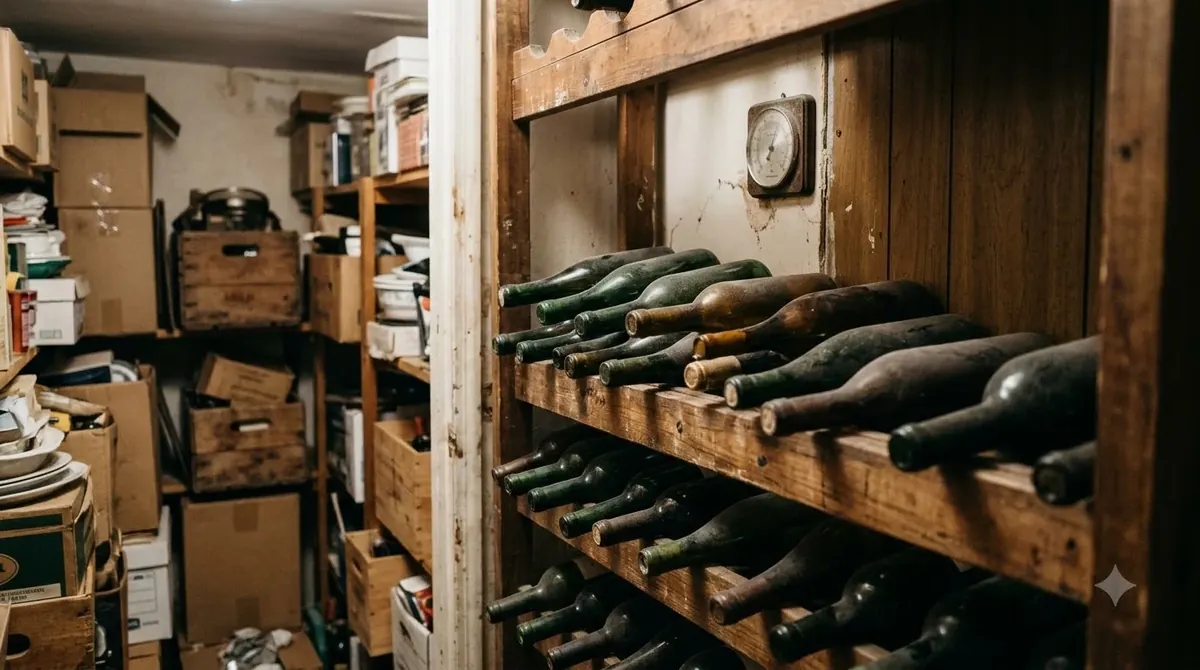
Storage is equally important. Keep unopened bottles in a cool, dark location away from direct sunlight, temperature fluctuations, and heat-producing appliances. A storage temperature near 55°F is a useful target for wine, and bottles with natural corks are generally stored horizontally to help keep the cork from drying out.
Once opened, reseal the bottle and refrigerate it. Most opened still wines are best consumed within approximately three to five days, although freshness depends on the wine’s condition, storage, and exposure to air. A proper wine stopper can help reduce unnecessary oxidation.
Do not leave Chardonnay sitting on a warm kitchen counter for several hours. Heat can damage wine quality, while repeated temperature changes can affect its freshness. If you plan to serve a bottle at dinner, chill it ahead of time and return any remaining wine to the refrigerator after pouring.
For additional information on matching serving temperatures with wine styles, remember that lighter whites benefit from cooler service, while fuller whites generally show more character at slightly warmer temperatures.
Frequently Asked Questions
Can Chardonnay under 20 be suitable for a dinner party?
Yes. Chardonnay is versatile enough for a range of dinner-party menus, especially when you choose a style that suits the food. A medium-bodied bottle is a useful option for gatherings featuring chicken, seafood, vegetables, and mild cheeses.
Does Chardonnay contain more oak flavor as it ages in the bottle?
Not necessarily. Oak-related flavors are primarily developed during winemaking and barrel aging rather than being added simply through bottle aging. Over time, wine aromas and textures can evolve, but additional bottle age does not automatically create stronger vanilla or toast characteristics.
Is Chardonnay suitable for cooking as well as drinking?
Yes. Chardonnay can be used to deglaze a pan, prepare a sauce for chicken, or steam mussels. Unoaked styles are particularly useful when a recipe benefits from fresh acidity without pronounced vanilla or toasted-oak flavors.
What does Chardonnay’s alcohol percentage tell you?
Alcohol percentage provides information about the wine’s alcoholic strength, not whether it is oaked, buttery, or sweet. Grapes harvested at greater ripeness can produce more alcohol during fermentation, while oak treatment does not directly increase the wine’s alcohol content.
Can Chardonnay be used in sparkling wine?
Yes. Chardonnay is an important grape in traditional-method sparkling wines, including Blanc de Blancs Champagne. In this style, the wine undergoes a second fermentation in the bottle, producing its characteristic bubbles and a different texture from ordinary still Chardonnay.
The smartest way to choose the Best Chardonnay Under 20 is to focus on the style you enjoy, then compare its region, fruit profile, acidity, and oak influence. Whether you prefer crisp French Chardonnay, bright coastal American expressions, or richer California bottles, there are plenty of approachable options for everyday drinking. Start with one bottle that matches your preferred style, then use its flavor profile as a guide for your next purchase.
More in Wine Buying Guides
 Cheap Red Blend: How to Find a Flavorful Bottle for LessUpdated Nov 20, 2026
 Pinot Grigio Gift: How to Choose a Bottle They’ll EnjoyUpdated Nov 20, 2026
 Best White Wine at Total Wine for Every MealUpdated Nov 20, 2026
 Wine Fridge Replacement Shelves: Find the Right FitUpdated Nov 20, 2026
 Best Sparkling Wine Under 20: Find Bubbles Worth BuyingUpdated Nov 20, 2026
 Best Wine For Birthday Celebrations With Perfect Party PairingsUpdated Nov 20, 2026