

We may earn a commission when you buy through links on this page, at no extra cost to you. Learn more.
The chardonel grape is a cold-hardy white wine hybrid created in New York by crossing Chardonnay with Seyval Blanc. Bred at Cornell University in 1953 and released in 1990, it produces medium- to full-bodied dry white wines that mirror Chardonnay’s plush texture and oak affinity while keeping crisp, high acidity. Today, it thrives across the American Midwest and East Coast—especially in Missouri, Michigan, Arkansas, and New York—offering wine drinkers a versatile white made in unoaked, barrel-aged, and sparkling styles.
For decades, winemakers across the eastern half of the United States faced a frustrating dilemma: classic European Vitis vinifera vines like Chardonnay struggled to survive subzero winters and humid summers, yet drinkers still craved a dry white wine with generous body and familiar orchard-fruit character. Plant breeders solved that problem in the Finger Lakes, giving regional vineyards a dependable workhorse that satisfies fans of both crisp, steel-fermented whites and rich, barrel-aged bottles.
What Is the Chardonel Grape?
Chardonel (pronounced shar-doe-NELL) is an American white hybrid wine grape developed at Cornell University’s New York State Agricultural Experiment Station in Geneva, New York. Grape breeders crossed Seyval Blanc and Chardonnay in 1953, spent nearly four decades testing the vines for winter survival and fruit quality, and officially released the variety in 1990.
In the vineyard, the vine inherits the best practical traits of both parents. From Seyval Blanc, it gains cold hardiness down to roughly minus ten degrees Fahrenheit, strong disease resistance, and reliable yields; from Chardonnay, it inherits concentrated sugars, vibrant natural acidity, and the structural backbone needed for serious winemaking. According to Wine Enthusiast, growers appreciate how airy and spaced out the clusters grow, which improves airflow and helps prevent rot in humid climates.
Because it ripens late in the season, Chardonel requires a reasonably long frost-free autumn to reach full flavor maturity. When harvested at peak ripeness, the amber-tinted berries deliver balanced chemistry that avoids the foxy or overly herbaceous aromas sometimes associated with older North American hybrids, placing it alongside other standout regional varieties featured in our Wine by Type guide.
Flavor Profile and Winemaking Styles
Chardonel offers a bright core of green and yellow apple, Anjou pear, lemon zest, and ripe apricot, wrapped in a silky, medium-to-full body with brisk acidity. Because the grape shares Chardonnay’s relatively neutral aromatic canvas, cellar choices dramatically shape what ends up in your glass.
Winemakers typically vinify Chardonel in three distinct expressions, each highlighting a different facet of the fruit:
- Unoaked (Stainless Steel): Fermented and aged exclusively in temperature-controlled stainless steel tanks, this style locks in primary orchard fruit, citrus snap, and tropical hints of pineapple. It drinks clean, energetic, and refreshing, appealing to fans of crisp whites like the colombard grape or Pinot Grigio.
- Barrel-Fermented and Oaked: Many producers ferment part or all of the juice in French, American, or Hungarian oak barrels and age the wine sur lie (on its spent yeast cells) with regular stirring. Malolactic fermentation and oak contact add creamy weight alongside notes of toasted vanilla, hazelnut, buttered biscuit, and butterscotch.
- Sparkling and Late Harvest: High natural acidity makes Chardonel an ideal base for traditional-method sparkling wines, yielding crisp bubbles with subtle brioche character. In warm autumns, a few wineries also leave clusters on the vine to craft sweet, honeyed late-harvest dessert bottlings.
| Style | Fermentation & Aging | Primary Aromas & Flavors | Body & Texture |
|---|---|---|---|
| Unoaked Chardonel | Stainless steel tanks; no oak contact | Green apple, pear, lemon zest, pineapple | Medium-bodied, crisp, bright acidity |
| Oaked / Reserve Chardonel | French, American, or Hungarian oak; lees stirring | Baked apple, apricot, vanilla, hazelnut, toast | Full-bodied, creamy, silky, structured |
| Sparkling Chardonel | Secondary fermentation in bottle or tank | Crisp apple, citrus blossom, light brioche | Light- to medium-bodied, lively mousse |
Where Chardonel Grows Best
Although born in New York’s Finger Lakes, Chardonel found its largest commercial home in the American Midwest and upland South. Warm summer days paired with long autumn ripening windows allow the late-maturing fruit to build rich flavor without losing its signature acid spine.
Missouri has embraced Chardonel as one of its flagship white grapes. According to the Missouri Wine and Grape Board, the state dedicates roughly 195.5 acres—about 7.2 percent of its total vineyard plantings—to the variety, with standout bottlings coming from historic wine districts around Hermann and Augusta. Producers like Stone Hill Winery and Augusta Winery showcase both lush barrel-fermented reserves and bright stainless-steel expressions.
Beyond Missouri, significant plantings flourish in Arkansas—especially around Altus—as well as Michigan, Illinois, Indiana, Ohio, Kentucky, Virginia, North Carolina, and New York. In Michigan’s cooler lakeside AVAs, winemakers frequently lean on Chardonel’s high acidity for sparkling cuvées and crisp still whites, while mid-Atlantic growers in Virginia and North Carolina value its resilience against late-spring frosts and summer humidity.
How to Serve Chardonel
Chardonel should be served chilled between 44°F and 55°F, adjusting the exact temperature based on how much oak and body the wine carries. Serving it too cold mutes the nuanced orchard fruit and toasted barrel aromatics, while letting it warm past room temperature makes the alcohol and richness feel heavy.
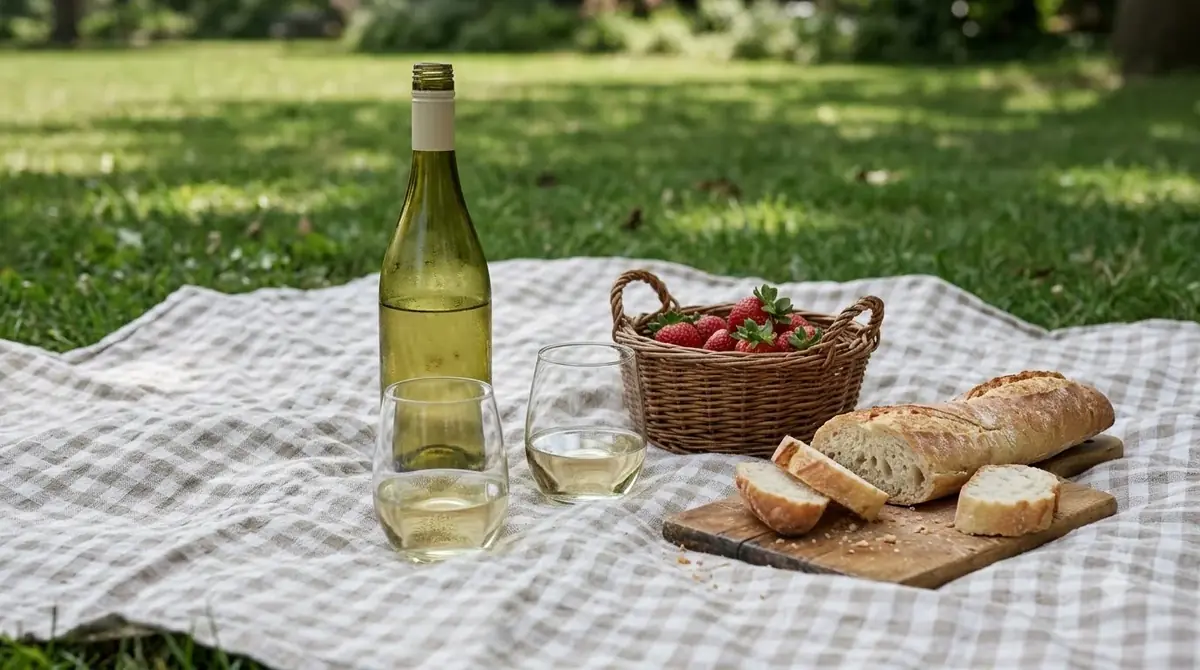
For crisp, unoaked bottlings and sparkling Chardonel, aim for the cooler end of that range—around 44°F to 48°F, roughly two hours in a standard refrigerator. For full-bodied, barrel-fermented or reserve bottles, pull the wine from the fridge 15 to 20 minutes before pouring so it sits closer to 50°F to 55°F, allowing vanilla, hazelnut, and ripe stone-fruit notes to open up.
A standard tulip-shaped white wine glass works well for stainless-steel versions by directing citrus and pear aromas toward the nose. If you are pouring a richly oaked reserve, a slightly wider Chardonnay-style bowl gives the wine extra surface area to breathe and softens its creamy texture.
Tip: If a barrel-aged Chardonel feels tight or overly woody straight out of the refrigerator, let it sit in your glass for ten minutes—a slight rise in temperature brings out baked pear and apricot sweetness that balances the oak.
Food Pairing with Chardonel
Chardonel’s combination of plush weight and brisk acidity makes it remarkably adaptable at the dinner table, pairing effortlessly with poultry, seafood, pork, and cream-based dishes. Unoaked styles act like a squeeze of fresh lemon over delicate proteins, while barrel-aged bottles match the richness of butter sauces and roasted meats.
Try matching the style of your bottle to the weight and sauce of your meal:
- Seafood and Shellfish: Unoaked Chardonel shines alongside grilled shrimp, pan-seared scallops, crab cakes, and flaky white fish with lemon-herb butter. Oaked versions have enough body to stand up to lobster rolls or salmon in a creamy dill sauce.
- Poultry and Pork: Roast chicken with herbs, turkey breast, and pan-seared pork chops with apples or mushrooms echo the wine’s orchard-fruit and nutty undertones.
- Pasta and Vegetarian Dishes: Fettuccine Alfredo, mushroom risotto, and butternut squash ravioli pair naturally with barrel-fermented Chardonel, while lighter pasta tossed with olive oil, garlic, and arugula suits steel-fermented bottles.
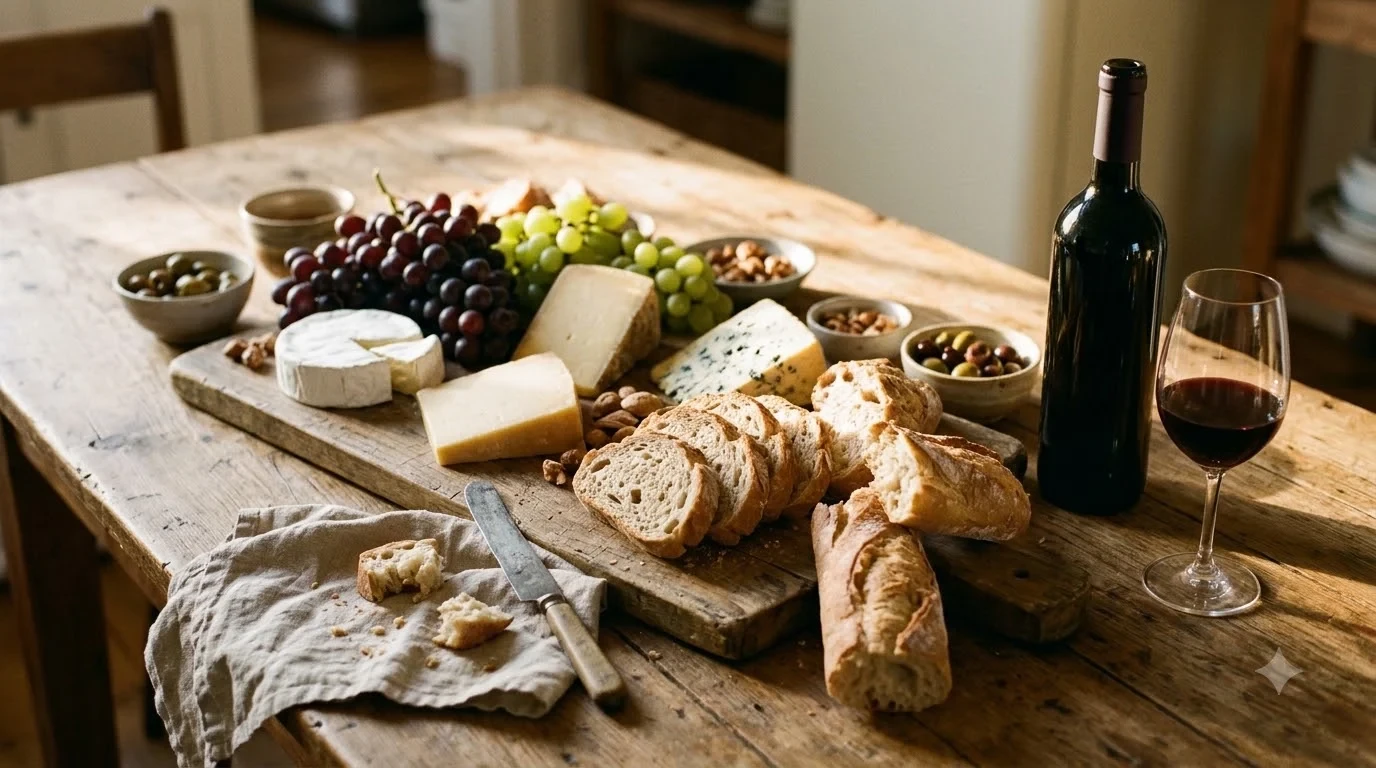
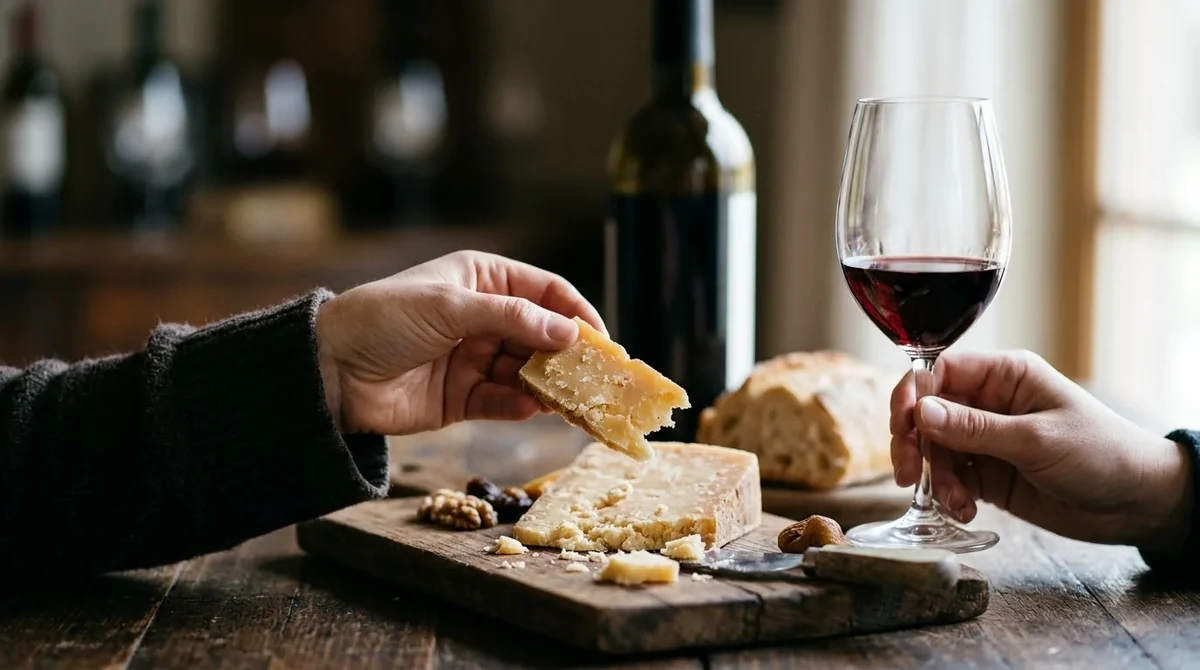
- Cheese and Baked Goods: Semi-soft, creamy white cheeses like Brie, Camembert, Havarti, and aged white cheddar complement the wine’s silky palate without overwhelming its fruit.
How to Choose a Bottle of Chardonel
Because wineries vinify Chardonel in contrasting styles, reading the front and back labels carefully ensures you bring home the profile you actually want. Start by looking for production cues that signal whether the wine saw oak or stainless steel.
Phrases like “Barrel Fermented,” “Reserve,” “Sur Lie,” or mentions of French or American oak indicate a richer, fuller-bodied white built for fans of classic California or Burgundy Chardonnay. Conversely, terms such as “Unoaked,” “Stainless Steel,” or tasting notes highlighting green apple, citrus, and crispness point toward a lighter, zesty style closer in spirit to the catarratto grape or Sauvignon Blanc.
Checking the region on the label also offers helpful clues about ripeness and body. Bottles from warmer, longer-season areas like Missouri and Arkansas often display riper apricot, pineapple, and plush texture, whereas bottlings from cooler northern states like Michigan and New York tend to lean brighter, leaner, and more citrus-driven.
Frequently Asked Questions
Is the chardonel grape the same as Chardonnay?
No, Chardonel is a distinct hybrid grape variety rather than a clone or synonym of Chardonnay. Breeders at Cornell University created it by crossing Chardonnay with the French-American hybrid Seyval Blanc, giving Chardonel much stronger winter cold hardiness and disease resistance while retaining Chardonnay’s body and oak compatibility.
Is Chardonel wine sweet or dry?
The vast majority of Chardonel wines are fermented completely dry, offering crisp acidity and rich texture without residual sugar. However, a small number of wineries produce off-dry styles or sweet late-harvest dessert bottlings, so checking the back label’s sweetness scale is always smart.
Does Chardonel taste like oaked Chardonnay?
When fermented and aged in oak barrels with lees stirring, Chardonel tastes remarkably similar to an oaked Chardonnay, showing baked apple, pear, vanilla, toast, and hazelnut notes. When fermented in stainless steel without oak, it tastes much crisper and more fruit-forward, highlighting green apple, lemon, and fresh pear.
Where can you find the best Chardonel wines?
Missouri is the leading hub for Chardonel, particularly in the Augusta and Hermann wine regions along the Missouri River, where wineries produce both acclaimed barrel-fermented reserves and stainless-steel bottlings. You can also find high-quality examples from producers in Arkansas, Michigan, New York, Virginia, and Indiana.
Whether you prefer a zesty, steel-fermented white for warm-weather seafood or a velvety, barrel-aged bottle for roasted poultry, the chardonel grape delivers serious quality from regions often overlooked by traditional wine maps. Exploring bottles from Missouri, Michigan, or the Finger Lakes is one of the easiest ways to discover how rewarding modern American hybrid winemaking can be.
More in Wine Types & Grapes
 Zinfandel Sugar Content: Dry Red vs. White Zinfandel GramsUpdated Nov 21, 2026
 Best Zinfandel Substitute Options for Sipping and CookingUpdated Nov 21, 2026
 Zweigelt Food Pairing: Best Dishes, Cheeses, and Serving TipsUpdated Nov 21, 2026
 Zinfandel Tannins Explained: How Structure Shapes Every BottleUpdated Nov 21, 2026
 Zinfandel Sweetness Level: Dry Red vs. Sweet White Zin ExplainedUpdated Nov 21, 2026
 Xinomavro Food Pairing: Best Dishes, Styles, and Serving TipsUpdated Nov 21, 2026