

We may earn a commission when you buy through links on this page, at no extra cost to you. Learn more.
This chandon wine review finds that CHANDON is a strong choice for approachable California sparkling wine, especially if you enjoy fresh fruit flavors, lively acidity, and traditional-method bubbles. Its lineup includes the crisp, dry CHANDON Brut, fruit-forward Brut Rosé, Blanc de Pinot Noir, and sweeter Blanc Demi-Sec. Choosing the right bottle depends mainly on your preferred sweetness, food pairing, and the occasion.
CHANDON combines French sparkling-wine expertise with California-grown grapes to produce wines that work for casual dinners, weekend gatherings, and special celebrations. The brand has a recognizable place in American sparkling wine, but its different styles serve different tastes. Understanding the distinctions between the bottles makes it easier to choose something that matches your preferences rather than simply buying the most familiar label.
Who Should Choose CHANDON Wine?
CHANDON is particularly appealing to drinkers who want California sparkling wine with recognizable fruit character, refreshing acidity, and a polished texture. Its traditional-method production gives several of its wines the structure and creamy complexity associated with bottle-fermented sparkling wine.
The brand’s California history began in 1973, when French sparkling-wine expertise was brought to Napa Valley. CHANDON California was established through the vision of Robert-Jean de Vogüé and California wine pioneer John Wright. Its Yountville winery was inaugurated in 1977. The company’s international history began earlier, with its first estate established in Argentina in 1959. Its history and international development are documented in the official CHANDON winery history.
That background matters because CHANDON is not simply a label attached to inexpensive, mass-produced bubbles. Its winemaking approach incorporates traditional French techniques while emphasizing the fruit and growing conditions of Northern California. The producer sources grapes from several California regions, using cool-climate growing conditions to help preserve freshness and acidity.
CHANDON is a sensible starting point for several types of wine drinkers:
- New sparkling wine drinkers: The familiar apple, pear, and citrus flavors of Brut make it approachable without being overly sweet.
- Dry sparkling wine fans: Brut offers refreshing acidity, delicate bubbles, and a crisp finish.
- Rosé enthusiasts: Brut Rosé brings strawberry, raspberry, and red-fruit character into a sparkling format.
- People who prefer sweeter wine: Blanc Demi-Sec offers a softer, sweeter profile than standard Brut.
- Hosts and entertainers: The range provides different styles for aperitifs, seafood, appetizers, and desserts.
However, CHANDON is not necessarily the ideal choice for everyone. Someone looking for a highly distinctive vintage Champagne, an extremely mineral-driven traditional-method wine, or a pronounced dessert wine may prefer a different category. The brand’s primary appeal is its approachable fruit expression and dependable sparkling style rather than extreme complexity.
For readers comparing other producers and regions, the broader Wine Brands collection provides additional background on how sparkling wine producers differ in origin, production, and style.
Key Factors to Compare Before Buying
The most useful way to compare CHANDON wines is to look at sweetness, grape composition, production method, alcohol content, and flavor profile. These factors explain why two bottles from the same producer can taste noticeably different.
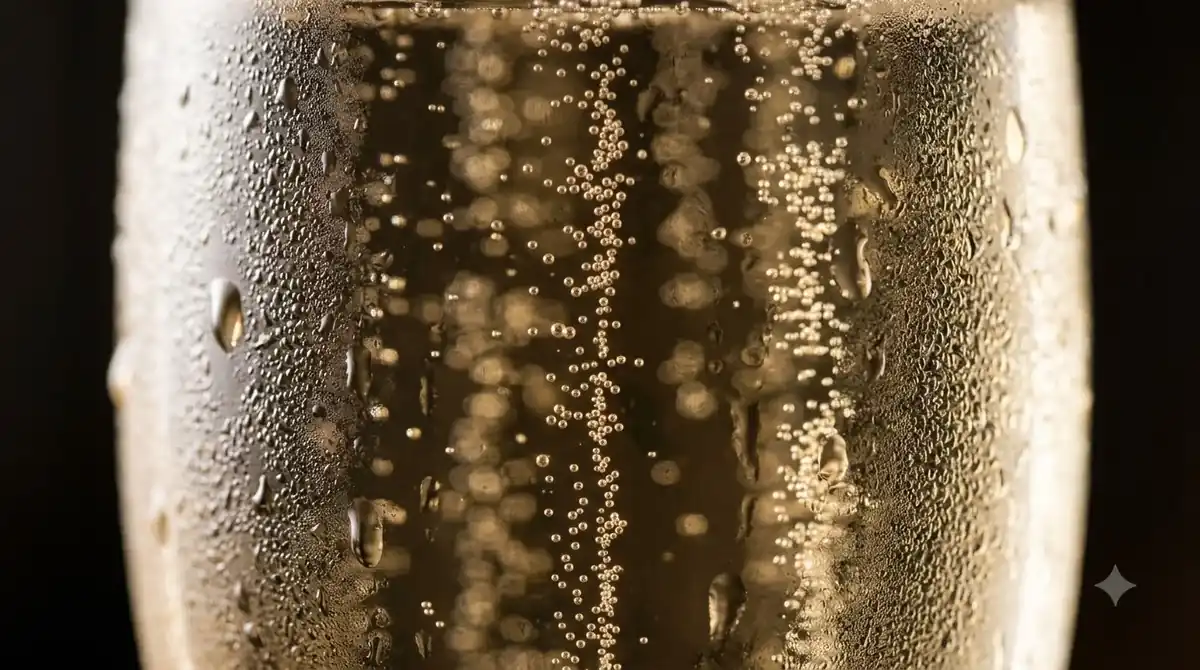
Start with the sweetness designation. Brut is a dry sparkling style, while Demi-Sec is noticeably sweeter. Next, consider the grape blend. Chardonnay contributes freshness and acidity, Pinot Noir brings structure and red-fruit character, and Meunier adds another layer of fruit and balance.
| Comparison factor | CHANDON Brut | CHANDON Brut Rosé | Blanc Demi-Sec |
|---|---|---|---|
| Wine style | White sparkling | Sparkling rosé | White sparkling |
| Sweetness category | Brut | Brut | Demi-Sec |
| Main grape varieties | Chardonnay, Pinot Noir, Meunier | Chardonnay, Pinot Noir, Meunier | Producer’s current blend may vary |
| Published grape proportions | 68%, 28%, 4% | 73%, 26%, 1% | Not specified here |
| Alcohol by volume | 12% | 12% | Varies by bottling |
| Flavor direction | Apple, pear, citrus, almond | Red-fruit character | Richer, sweeter fruit character |
| Production method | Traditional method | Traditional method | See the individual wine specification |
| Suggested occasion | General entertaining | Brunch and summer gatherings | Spicy dishes and sweeter desserts |
The published Brut and Rosé proportions illustrate how blending changes the finished wine. Brut contains 68% Chardonnay and 28% Pinot Noir, while the cited Brut Rosé technical sheet lists 73% Chardonnay and 26% Pinot Noir. These are distinct blends, so the rosé should not automatically be assumed to contain a higher percentage of Pinot Noir.
Production method is another important consideration. The traditional method involves a second fermentation inside the bottle, creating the wine’s bubbles. This differs from the tank method used for many other sparkling wines. Bottle fermentation can contribute additional texture and complexity through contact with yeast lees.
For a closer look at the flagship bottling, the CHANDON Brut overview is useful when comparing its flavor profile and intended food pairings.
Alcohol content is worth checking when comparing different sparkling wines. The published CHANDON Brut specifications list 12% ABV, a typical level for a California sparkling wine of this style. Bottle formats also matter: a standard 750 ml bottle provides approximately five 5-ounce servings, making it a practical size for a small gathering.
Tip: If you are buying CHANDON for a mixed group, start with Brut. Its dry profile and refreshing acidity generally make it more versatile with savory food than a sweeter sparkling wine. Choose Brut Rosé when red-fruit flavors are a priority, or Demi-Sec when guests prefer noticeable sweetness.
Step-by-Step: How to Choose the Right CHANDON Bottle
Choosing the right bottle becomes easier when you work backward from the occasion, food, and sweetness preference. You do not need extensive sparkling wine knowledge to make a suitable selection.
-
Decide how sweet you want the wine.
For a dry, refreshing drink, begin with CHANDON Brut or Brut Rosé. If you prefer a sweeter finish, investigate Blanc Demi-Sec. The difference between Brut and Demi-Sec is meaningful, especially when the wine will be served without food.
-
Choose between white sparkling wine and rosé.
Brut has a pale straw-colored appearance and a flavor direction built around apple, pear, citrus, almond, and floral notes. Brut Rosé offers a pink appearance and red-fruit character. Consider rosé if the wine will accompany grilled foods or fruit-forward appetizers.
-
Think about the food being served.
For seafood, fried appetizers, salty snacks, and creamy dishes, Brut is a practical starting point. For grilled burgers, smoked salmon, or paella, Brut Rosé offers a complementary red-fruit dimension. For spicy food or a semi-sweet dessert, Blanc Demi-Sec may provide a more suitable sweetness level.
-
Consider the occasion and serving size.
A standard 750 ml bottle offers around five traditional 5-ounce pours. For a gathering with six to eight people, consider purchasing more than one bottle rather than relying on small tasting pours. For a quiet dinner for two, a smaller format may be more appropriate if available.
-
Check the specific bottling information.
Different CHANDON wines have different grape blends, alcohol levels, and aging details. Brut and Brut Rosé technical specifications are useful starting points, but the details should not automatically be applied to every wine in the collection.
-
Plan the serving temperature.
Serve sparkling wine well chilled, generally around 40 to 50 degrees Fahrenheit. This keeps the bubbles lively and helps maintain freshness. A bottle that has warmed considerably may seem softer and less refreshing.
These steps also help avoid choosing a wine based only on its label. A beautiful rosé bottle may look appropriate for a celebration, but a dry white Brut could be a better match for a seafood dinner. The best selection is the one that suits the actual menu and the preferences of the people drinking it.
When the occasion involves a meal with several courses, consider serving a dry Brut as an aperitif before moving to another wine with the main course. Its acidity can prepare the palate for richer dishes without making the meal feel overly heavy.
CHANDON Wine Types and Styles Explained
CHANDON’s sparkling collection covers several distinct flavor directions, from crisp and dry to fruit-forward rosé and sweeter white sparkling wine. Knowing the differences between the main styles is more useful than assuming every bottle from the producer tastes alike.
CHANDON Brut
Brut is the natural starting point for anyone exploring the brand. It combines Chardonnay, Pinot Noir, and Meunier, with the published technical specifications identifying a blend of 68%, 28%, and 4%, respectively.
Its flavor profile includes green apple, pear, citrus, almond, and white flowers. These flavors are supported by lively acidity and a creamy impression from the traditional-method production. Wine Enthusiast also describes yellow apple, pear, yellow plum, white peach, nectarine, hazelnut, and pink grapefruit in its review of CHANDON Brut. Its independent CHANDON Brut review provides additional tasting details and food suggestions.
The wine is dry rather than sweet, although the fruit aromas may give an impression of ripeness. This distinction matters because fruity aromas do not necessarily indicate high residual sugar. Brut is a good choice for people who enjoy refreshing sparkling wine with enough fruit to remain approachable.
CHANDON Brut Rosé
Brut Rosé offers a different expression of the producer’s California fruit. Its blend contains Chardonnay, Pinot Noir, and Meunier, with the published technical sheet listing 73% Chardonnay, 26% Pinot Noir, and 1% Meunier.
The wine is characterized by red-fruit flavors and a creamy texture. Its dry sweetness category makes it suitable for drinkers who like rosé without wanting a noticeably sweet wine.
The producer’s technical specifications identify 12 to 15 months of sur latte aging. That additional time contributes to the texture and complexity of the finished wine. Brut Rosé works particularly well with smoked salmon, grilled burgers, duck fat fries, and paella.
Blanc de Pinot Noir
Blanc de Pinot Noir is another distinctive member of the Signature Collection. Despite its name, it is a white sparkling wine made with Pinot Noir grapes. The grapes are processed to produce a pale wine rather than a pink rosé.
CHANDON presents this style as an alternative to its familiar Brut expression. Pinot Noir can contribute structure and fruit intensity even when the wine itself is not pink.
Its name is particularly useful when shopping because it identifies the grape variety and the resulting white sparkling style. It offers another direction for people who want to explore the producer beyond its flagship bottling.
Blanc Demi-Sec
Blanc Demi-Sec is the option to consider when a standard Brut tastes too dry. The Demi-Sec designation indicates a sweeter sparkling wine category, giving it a softer profile that can work with spicy dishes and semi-sweet desserts.
Its additional sweetness can balance certain dishes more effectively than a very dry sparkling wine. For example, a slightly sweet wine can complement spicy appetizers, fruit-based desserts, and dishes with a noticeable sweet-and-savory element.
It is not the automatic choice for every dessert, however. The wine should generally be at least as sweet as the dessert being served. A very sweet cake can make a relatively modestly sweet sparkling wine seem sharp or acidic by comparison.
CHANDON Still Wines
Although sparkling wine is the main focus, CHANDON also produces a selection of still wines. Its California collection includes varietal expressions such as Cabernet Sauvignon, Pinot Noir, Chardonnay, and Pinot Meunier.
These wines offer a different experience from the sparkling collection. A still Chardonnay, for example, does not have the bubbles or bottle-fermentation character of Brut. A Cabernet Sauvignon provides a red wine alternative for meals where a sparkling wine is not the preferred choice.
The producer identifies Carneros and Mount Veeder among the vineyard sources associated with its still wine selection. These wines are worth exploring for people who appreciate the producer’s California background but do not necessarily want sparkling wine for every occasion.
For additional background on the producer and its California estate, see the Domaine CHANDON wine overview.
Common Mistakes When Buying CHANDON
The most common buying mistakes involve confusing fruitiness with sweetness, treating all sparkling wine as Champagne, and overlooking the differences between the individual styles. Understanding these distinctions makes it easier to select the right bottle and enjoy it as intended.
Assuming Brut Means Completely Flavorless or Sharp
Brut is a dry sparkling wine category, but that does not mean the wine lacks fruit. CHANDON Brut has recognizable green apple, pear, citrus, and floral aromas. These flavors make the wine approachable even though its sweetness level remains relatively restrained.
Someone who expects a very sweet sparkling wine may find Brut drier than expected. That is not necessarily a flaw. It is simply a difference in style, and Blanc Demi-Sec is the more appropriate direction for people who want more sweetness.
Calling CHANDON Champagne
CHANDON California is California sparkling wine, not Champagne. Champagne is a protected regional designation associated with wines produced in the Champagne region of France under its applicable production rules.
CHANDON uses the traditional method for several of its sparkling wines, but sharing a production technique does not make a California wine Champagne. The distinction is important when comparing origin, grape-growing conditions, and regional identity.
Choosing Rosé Only for Its Color
Rosé sparkling wine is often selected because of its attractive appearance, but flavor should be the deciding factor. CHANDON Brut Rosé is dry and fruit-forward, with a red-fruit character.
It should not be confused with a sweet pink sparkling wine. If sweetness is the priority, Blanc Demi-Sec is a more logical starting point. If red-fruit character is the priority, Brut Rosé makes more sense.
Serving Sparkling Wine Too Warm
Temperature has a major influence on sparkling wine. A bottle served at room temperature can seem less refreshing, and its bubbles may appear more aggressive. Chilling it to approximately 40 to 50 degrees Fahrenheit helps preserve its crisp character.
There is also no need to serve sparkling wine at freezing temperatures. Excessive chilling can suppress the aromas, making the wine seem less expressive. A short period outside the refrigerator can help a very cold bottle reach a more suitable serving temperature.
Expecting Every CHANDON Bottle to Taste the Same
The producer makes multiple sparkling styles and still wines. A Brut, a rosé, a Demi-Sec, and a still Cabernet Sauvignon are fundamentally different drinking experiences.
Always compare the individual wine rather than making a general judgment about the entire brand based on one bottle. A preference for Brut does not automatically mean that someone will enjoy Demi-Sec or every still wine in the portfolio.
CHANDON Wine Serving and Storage Tips
Correct serving and storage practices help preserve CHANDON’s fruit character, acidity, and bubbles. The most important details are maintaining a cool serving temperature, protecting unopened bottles from heat, and minimizing oxygen exposure after opening.
Serving Temperature
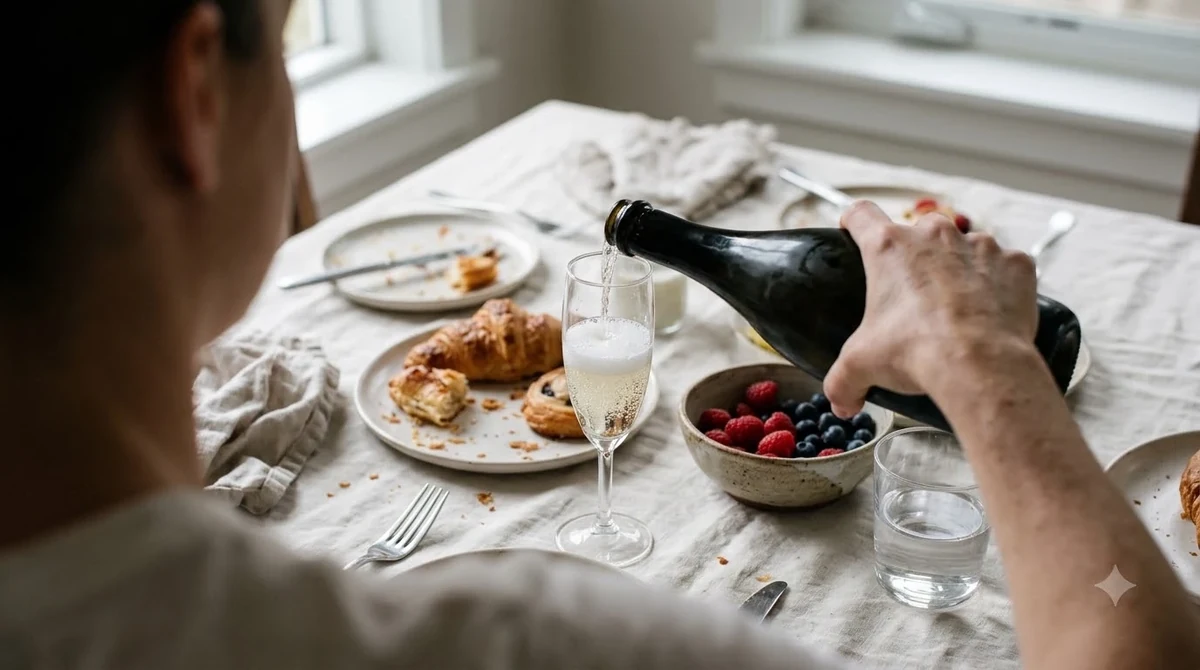
For CHANDON Brut and Brut Rosé, aim for approximately 40 to 50 degrees Fahrenheit. This range keeps the wines refreshing while allowing their aromas to remain noticeable. If the bottle has been stored at room temperature, refrigerate it for several hours before serving rather than relying on a brief cooling period.
Use a wine bucket filled with ice and water if you need to chill a bottle more quickly. Water helps transfer heat more effectively than ice alone because it creates contact around the bottle. Avoid leaving the wine in an ice bath for an unnecessarily long time.
Choosing the Right Glass
A traditional flute preserves the visual display of bubbles and is useful for formal celebrations. However, a tulip-shaped sparkling wine glass can offer more room for aromas to develop. Either option is suitable for CHANDON Brut.
Avoid filling the glass to the top. A standard 5-ounce pour leaves room for aromas and makes it easier to hold the glass without warming the wine excessively. A 750 ml bottle provides approximately five such servings.
Storing Unopened Bottles
Store unopened sparkling wine away from direct sunlight, heat sources, and substantial temperature changes. A cool storage environment around 55 degrees Fahrenheit is a useful target for longer-term bottle storage.
For bottles intended for extended storage, a stable environment matters more than constantly moving them between a refrigerator and a warm room. Keep the bottles away from strong vibrations and avoid placing them near ovens, radiators, or sunny windows.
If the bottle is being purchased for an upcoming dinner rather than long-term storage, a refrigerator is a convenient option for short-term chilling. There is little benefit in keeping a bottle at serving temperature for months when a stable cool storage location is available.
Preserving an Opened Bottle
Once sparkling wine has been opened, its carbonation gradually decreases. Use a sparkling wine stopper designed to secure the bottle opening and refrigerate the remaining wine promptly.
Opened sparkling wine generally retains its best quality for around one to three days in the refrigerator, depending on the stopper, storage conditions, and how much wine remains. A bottle that has lost most of its bubbles may still be usable in cooking, but it will not deliver the same experience as freshly opened sparkling wine.
Avoid relying on an ordinary flat wine stopper or loosely placed cork. Sparkling wine contains pressure, so the closure should be designed specifically for carbonated bottles. Never force an original cork back into a bottle if it does not fit securely.
Opening the Bottle Safely
Before removing the foil and wire cage, point the bottle away from people, glassware, and fragile objects. Keep a hand over the cork throughout the opening process. Hold the cork steady and rotate the bottle slowly rather than twisting the cork aggressively.
A controlled release is preferable to a loud pop. It helps minimize wine loss and reduces the chance of the cork flying unexpectedly. Keep the bottle chilled before opening because warmer sparkling wine can release pressure more forcefully.
These simple practices allow the wine’s freshness and bubbles to remain the focus. They are especially useful when serving several bottles during a gathering or saving part of a bottle for the following day.
Frequently Asked Questions
Is CHANDON owned by the same company as Moët & Chandon?
Yes. CHANDON is part of the wider Moët Hennessy wine and spirits group within LVMH. The two names share corporate heritage, although CHANDON California produces its own wines using California-grown grapes and its own regional winemaking identity.
Is CHANDON available in different bottle sizes?
Yes. CHANDON Brut has been offered in 375 ml half-bottles, standard 750 ml bottles, and 1.5-liter magnums. Availability can differ between retailers and individual releases, so the bottle format should be confirmed before purchasing.
Does CHANDON make vintage sparkling wine?
Yes. The producer’s broader California portfolio includes vintage sparkling releases in addition to its familiar non-vintage Signature wines. A vintage designation identifies the harvest year associated with the wine, while a non-vintage blend can combine base wines from multiple harvests to maintain a consistent house style.
Can CHANDON sparkling wine be used in cocktails?
Yes. Dry CHANDON Brut can be used in sparkling cocktails that benefit from fresh acidity and bubbles. It can be combined with citrus juice and other cocktail ingredients, but sparkling wine should generally be added near the end to preserve carbonation.
Where can visitors experience CHANDON wines in California?
The California winery is located at One California Drive in Yountville, Napa Valley. Its tasting experiences introduce visitors to the estate’s sparkling wines, including guided presentations of traditional-method production. Reservations are recommended for planned visits, particularly during busy travel periods.
CHANDON is a worthwhile California sparkling wine producer for people who appreciate fresh fruit, lively acidity, and traditional-method bubbles. Brut is the most versatile starting point, Brut Rosé suits red-fruit preferences, and Blanc Demi-Sec offers a sweeter alternative. Choose according to your preferred sweetness and food pairing, serve the bottle well chilled, and the right CHANDON style can make an excellent addition to both everyday gatherings and special occasions.
More in Wine Brands
 Underwood Wine Price: Compare Bottles, Cans, and Pack SizesUpdated Nov 21, 2026
 Zenato Wine Price: Compare Styles and Choose the Right BottleUpdated Nov 21, 2026
 Zuccardi Wine Price: Compare Bottles and Find the Right RangeUpdated Nov 21, 2026
 Yellow Tail Moscato Review: Taste, Sweetness and Serving TipsUpdated Nov 21, 2026
 Wolf Blass Yellow Label Review: Choose Your Best StyleUpdated Nov 21, 2026
 Wolffer Estate Rose Review: Choose the Right Bottle for Your TableUpdated Nov 21, 2026