

We may earn a commission when you buy through links on this page, at no extra cost to you. Learn more.
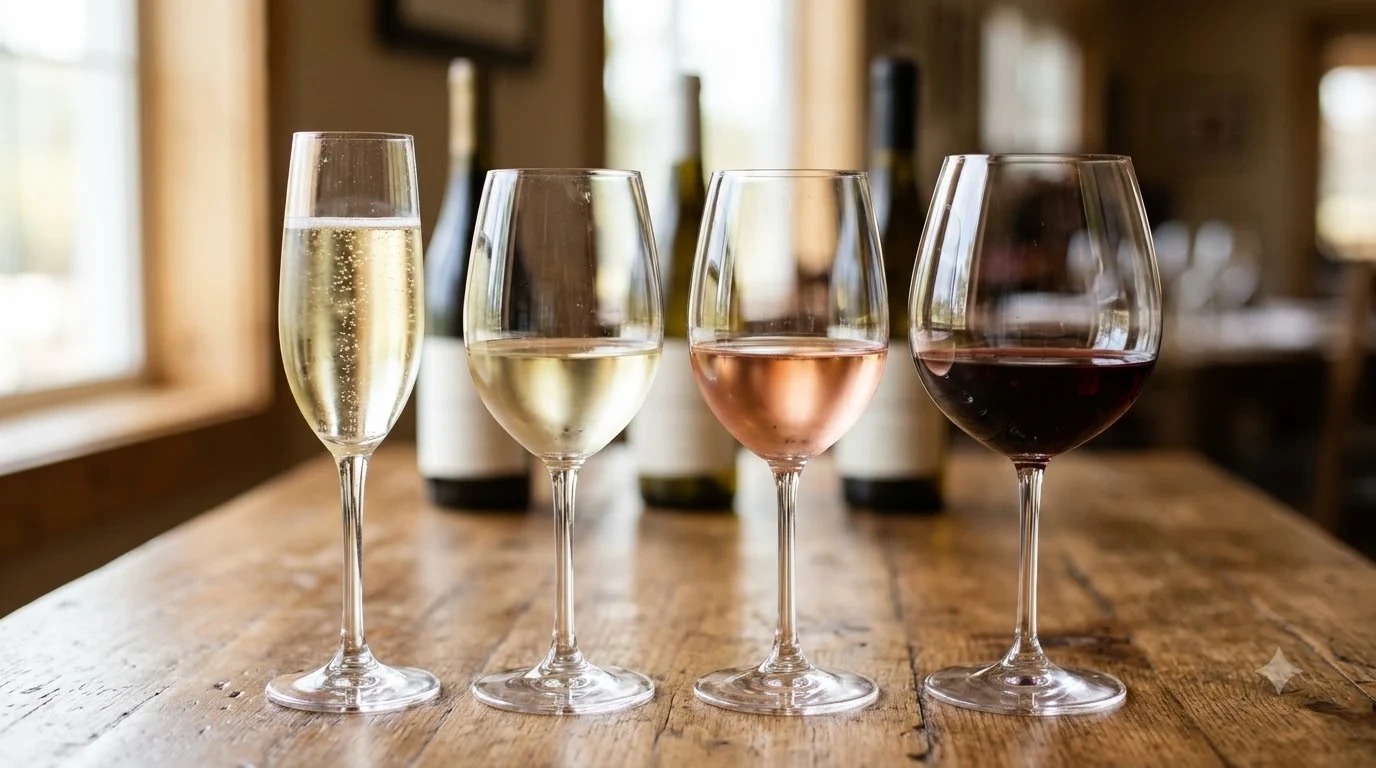
The best champagne at Total Wine is the bottle whose label matches what you plan to drink: a Brut non-vintage for everyday celebrations, a drier style for food, or a sweeter demi-sec for dessert. Champagne is defined by its region and method, so the label terms that matter most are sweetness, vintage status, and aging. Store stock and shelf selection change over time, so the practical skill is knowing how to read the bottle in front of you.
This guide explains how to choose Champagne in a large wine store. It covers who the bottle suits, the label terms that drive the taste, a simple step-by-step process at the shelf, common mistakes, and answers to the questions shoppers ask most often.
Who This Guide Is For
This guide is for shoppers who want a Champagne for a specific occasion but do not want to guess from the label. It suits a first purchase for a celebration, a gift, a dinner party where food will be served, or a bottle to keep at home for an unplanned toast.
It also helps shoppers who already know they like sparkling wine but are unsure how Champagne differs from other styles. Champagne is made in a specific region in France, using a method that adds a second fermentation in the bottle, and that method shapes the wine’s texture and flavor.
If you are looking for a sparkling wine for a large group on a tight schedule, a simpler sparkling option may suit you better. The guidance below assumes you want a true Champagne and are ready to look at the label carefully.
Key Factors Behind the Taste
Three label details do most of the work in shaping how a Champagne tastes. Sweetness tells you how dry or round the wine will feel. Vintage status tells you whether the wine comes from one declared year or is a blend of several. Aging affects texture and complexity. Learning these terms gives you a better shelf filter than the name alone.
| Label term | Sugar range (grams per litre) | What it tastes like |
|---|---|---|
| Extra Brut | Under 6 | Very dry and taut |
| Brut | Under 12 | Dry, the most common style today |
| Extra Dry | 12 to 17 | Slightly sweeter, rounder on the palate |
| Sec | 17 to 32 | Noticeably sweet, good with desserts |
| Demi-sec | 32 to 50 | Sweet, suited to fruit or cake |
| Doux | 50 or more | Very sweet |
Non-vintage Champagne blends wines from several years. By appellation rule, it must age at least fifteen months. A vintage Champagne comes only from a declared exceptional year and has to mature for at least three years. Vintage bottles tend to taste more specific to their year, while non-vintage bottles aim for a consistent house style.
Blend matters too. Pinot Noir and Pinot Meunier add body, while Chardonnay adds acidity and lift. A bottle with a high Chardonnay share often feels more crisp and linear, while one with more Pinot Noir can feel fuller. Producer notes on the back label or the shelf card often mention this balance.
Step-by-Step: Choosing at the Shelf
- Decide the occasion first. A toast needs a bottle that is easy to drink with no food. A meal needs a bottle with enough acidity to handle the dishes you plan to serve.
- Find the sweetness word. Look for Brut for a dry style, Extra Dry for something a little rounder, and Sec or Demi-sec for dessert. If the label does not show a sweetness term, check the back label or the shelf tag.
- Check the vintage status. A non-vintage bottle is a reliable everyday choice. A vintage bottle is a better pick when you want a specific year for a gift or a special dinner.
- Look at the age on the label. Non-vintage bottles are aged at least fifteen months, and vintage bottles at least three years. A bottle that has aged longer can show more texture, while a younger one stays brighter.
- Compare two or three options. Pick a Brut non-vintage as your baseline, then compare a Brut with a visible vintage year or a slightly sweeter style. The difference is often clearer side by side.
- Confirm the serving plan. Plan to serve the bottle cold, in a flute, and have a bucket or refrigerator space ready so the bottle chills before you open it.
Matching Champagne to the Moment
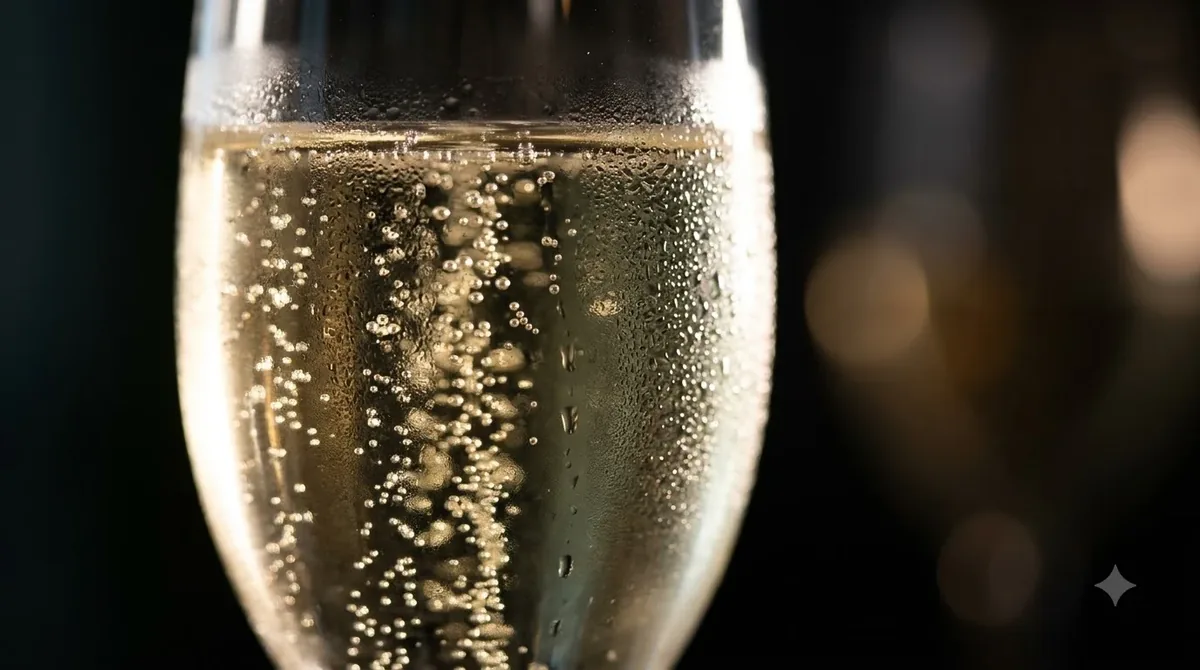
As an aperitif, a dry Brut works well with light snacks and gives a clean start to a meal. Wine Folly describes Champagne’s flavors as citrus, yellow apple, cream, almond, and toast, which makes it a natural partner for appetizers that are salty or fried. The same source notes that Champagne works both as an aperitif and with the main course.
For a dinner with rich sauces or a roast, an Extra Dry or a richer style may feel more balanced. For dessert, a Sec or Demi-sec bottle is usually the better match, since a very dry wine can taste thin next to sugar. Keep the sweetness of the wine close to the sweetness of the food.
Shoppers sometimes buy the sweetest bottle they can find, thinking it is the most festive. In practice, a dry Brut is the most versatile choice for mixed guests and for food that ranges from salty to rich, so it is the sensible default for most parties.
Common Mistakes to Avoid
The most common mistake is buying on the name alone. Champagne is a region and a method, so bottles can differ widely in sweetness, age, and blend even within the same brand family. Reading the sweetness term and the vintage status takes less time than comparing shelf names and will give you a better result.
Another mistake is serving Champagne too warm. Wine Folly lists a serving range of 38 to 45°F (3 to 7°C), and Wikipedia’s summary of serving practice recommends about 7 to 9°C (45 to 48°F). A bottle left on the table for an hour can taste flat and lose the crispness that makes it appealing.
A third mistake is opening the bottle carelessly. The cork should be held firmly while the bottle is turned, not the other way around, and the glass should be tilted when you pour. Pouring a flute straight down releases more bubbles, so tilt the glass and slide the wine down the side.
Finally, shoppers sometimes treat every bottle as a long-term cellar wine. Wine Folly suggests cellaring for ten years or more for some styles, but most non-vintage Champagnes are intended to be enjoyed soon after purchase. Buy for the date you plan to drink it, not for an indefinite future.
Frequently Asked Questions
What is the best Champagne to buy for a first celebration?
A dry Brut non-vintage is the most versatile starting point. It suits an aperitif, mixed guests, and a range of foods, and it is easy to recognize by its label term.
What does Brut mean on a Champagne label?
Brut is a dry sweetness level, with less than 12 grams of sugar per litre according to the appellation’s categories. It is the most common style today.
How long should I age a bottle of Champagne?
Non-vintage bottles are aged at least fifteen months before release, and vintage bottles at least three years. Many non-vintage bottles are meant to be drunk soon after purchase, while some styles can be kept for a decade or more.
What is the right serving temperature for Champagne?
Serve it cold, in the range of about 3 to 9°C depending on the source. Wine Folly suggests 38 to 45°F (3 to 7°C), and Wikipedia’s serving notes give about 7 to 9°C (45 to 48°F).
Champagne is easiest to choose when you read the label first and the brand second. Decide the occasion, check the sweetness and vintage status, and buy with the serving plan in mind. For a related guide on how retail buying works for the same region, see our Champagne at Costco guide, and browse the wider wine buying hub for more shopping tips. A useful overview of the style and serving notes is Wine Folly’s Champagne guide.
More in Wine Buying Guides
 Riesling Gift: Choose a Bottle They’ll LoveUpdated Nov 21, 2026
 Sweet Red Wine Gift: Choose a Bottle They’ll LoveUpdated Nov 21, 2026
 Malbec Gift: How to Choose a Memorable Bottle for Any OccasionUpdated Nov 21, 2026
 Sherry Gift Ideas That Match Every Wine LoverUpdated Nov 21, 2026
 Moscato Gift: How to Choose a Sweet Wine They’ll LoveUpdated Nov 21, 2026
 Merlot Gift: How to Choose a Bottle They’ll AppreciateUpdated Nov 21, 2026