

We may earn a commission when you buy through links on this page, at no extra cost to you. Learn more.
Chablis alcohol content typically falls between 12% and 13% ABV, making it a moderate-alcohol dry white wine. Made entirely from Chardonnay in northern Burgundy, France, Chablis is known for its crisp acidity, citrus flavors, and mineral character. Individual bottles can vary depending on the vintage, growing conditions, and winemaking decisions, so the alcohol percentage printed on the bottle provides the most accurate figure for a particular wine.
Chablis offers a distinctive expression of Chardonnay that often feels leaner and fresher than richer, oak-influenced versions of the grape. Its moderate alcohol level works alongside its acidity to create a balanced wine suited to seafood, poultry, and a variety of lighter dishes. Understanding its ABV also helps when comparing it with other white wines, calculating standard servings, and choosing the right bottle for a meal.
Typical Chablis Alcohol Content and ABV Range
Most Chablis wines contain approximately 12% to 13% alcohol by volume, with 12.5% being a useful reference point when comparing bottles. This puts Chablis in the moderate-alcohol category for dry white wine rather than among particularly light or high-alcohol styles.
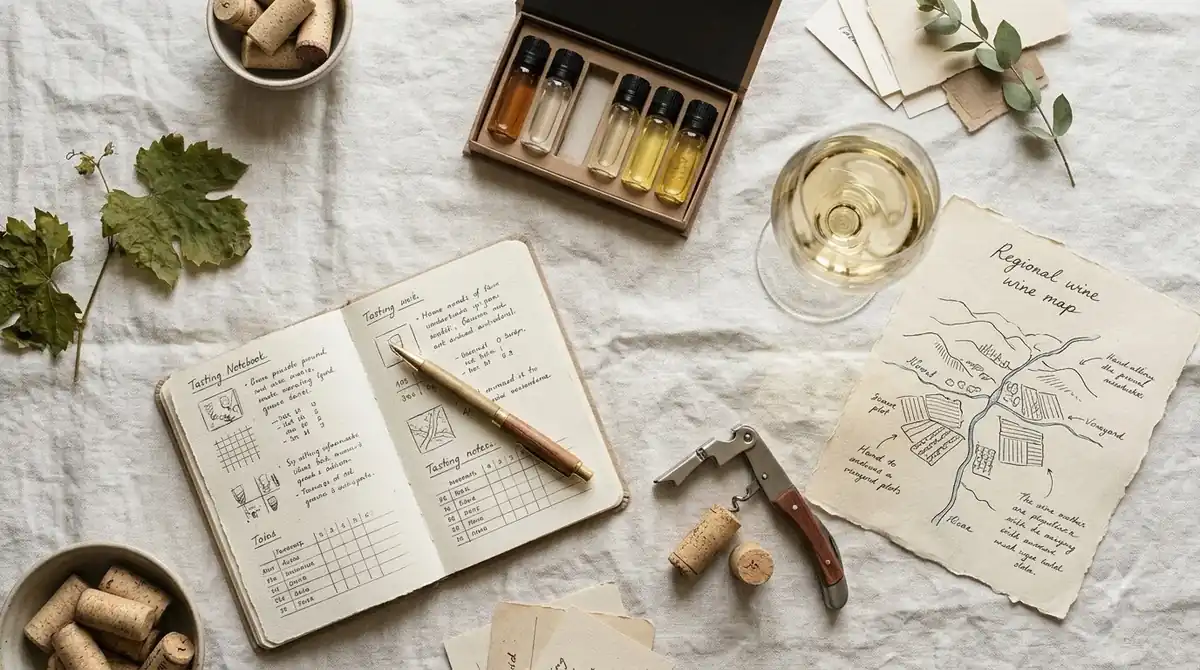
ABV stands for alcohol by volume. It measures the percentage of a wine’s total liquid volume that consists of pure alcohol. A wine labeled 12.5% ABV contains approximately 12.5 milliliters of pure alcohol per 100 milliliters of wine. The same calculation applies whether the bottle comes from a small independent producer or a larger Burgundy wine house.
Actual examples help establish what shoppers can expect. Wine Enthusiast lists Domaine Laroche 2022 Les Clos Chablis at 12.5% ABV and Alain Pautré 2023 Chablis at the same percentage. Kobrand publishes an alcohol figure of 12.27% for its Louis Jadot Chablis 2024. These examples illustrate why 12.5% is a useful benchmark rather than a fixed percentage for every bottle.
The Chablis appellation also has production rules governing alcohol strength. Its published European specification sets a minimum natural alcoholic strength of 10% and a maximum total alcoholic strength of 13% after enrichment. These are regulatory production parameters, not a promise that every bottle will contain exactly 10% or 13% alcohol.
| Wine or specification | Alcohol content | Meaning |
|---|---|---|
| Typical Chablis | 12%–13% ABV | Common reference range |
| Domaine Laroche 2022 Les Clos | 12.5% ABV | Published Wine Enthusiast listing |
| Alain Pautré 2023 Chablis | 12.5% ABV | Published Wine Enthusiast listing |
| Louis Jadot Chablis 2024 | 12.27% ABV | Published technical data |
| Appellation minimum natural strength | 10% ABV | Regulatory minimum |
| Appellation maximum after enrichment | 13% ABV | Regulatory production limit |
The distinction between a typical range and a regulatory limit matters. A producer’s technical information describes a particular wine, while an appellation specification defines conditions that wines must meet to qualify for the designation. Neither should be confused with a universal ABV for all Chablis.
Why Chablis Has Its Characteristic Alcohol Level
Chablis alcohol content is influenced by grape ripeness, growing-season conditions, and fermentation. Chardonnay grapes accumulate natural sugar as they ripen, and yeast converts much of that sugar into alcohol during fermentation.
Chablis lies in the northern part of Burgundy, around the village of Chablis and not far from Auxerre. Its relatively cool continental climate creates growing conditions that can differ considerably from those in warmer Chardonnay-producing regions. Spring frost, changing summer temperatures, and differences between vintages influence how quickly grapes develop and how much sugar they accumulate before harvest.
Grape ripeness is particularly important. Grapes harvested with less natural sugar generally produce wine with a lower potential alcohol level, assuming comparable fermentation conditions. Grapes that reach greater maturity can provide more fermentable sugar and therefore potentially produce wine with more alcohol.
Producers also make decisions about harvest timing. Picking earlier can preserve freshness and acidity while limiting the accumulation of sugar. Allowing grapes to ripen further can increase their potential alcohol and contribute to riper fruit characteristics. These decisions involve balancing flavor development, acidity, and the intended style of the finished wine.
Fermentation is another part of the process. Yeast consumes fermentable sugars and produces alcohol and carbon dioxide. Temperature management, yeast selection, fermentation duration, and the amount of residual sugar left in the finished wine can all influence the final result.
Chablis is generally dry, meaning it contains little remaining fermentable sugar. Its crisp impression is therefore not simply a result of low alcohol. Its acidity is also central to the overall balance. A 12.5% ABV Chablis can feel exceptionally fresh because the wine’s acidity and fruit profile complement its alcohol level.
Vintage differences can create noticeable variations between bottles from the same producer. Two vintages from the same vineyard may have different ripeness levels and consequently different alcohol percentages. This is one reason that a familiar producer’s Chablis may not have precisely the same ABV every year.
Tip: Use 12.5% ABV as a practical starting point when estimating Chablis alcohol content, but use the stated percentage on the particular bottle for accurate calculations. A difference between 12% and 13% may appear small, but it changes the amount of alcohol in an equal-sized pour.
How Chablis Compares With Other Chardonnay Wines
Chablis is Chardonnay, but not every Chardonnay tastes or drinks the same way. Its typical alcohol range overlaps with many other white wines, while its cool-climate origins and generally fresh style distinguish it from some fuller, warmer-climate examples.
Chardonnay is a versatile grape that responds to its growing environment and cellar treatment. In Chablis, producers often emphasize freshness, citrus, orchard fruit, and mineral character. Some examples are fermented and aged in stainless steel, while other producers use oak or different maturation techniques to shape texture and flavor.
By comparison, warmer-growing areas can produce Chardonnay grapes with higher natural sugar levels. Depending on the producer’s choices, those grapes can become fuller wines with higher alcohol and riper fruit characteristics. This does not mean that every warm-climate Chardonnay is high in alcohol or that every Chablis has exactly the same ABV.
For a useful comparison, consider these broad reference ranges rather than treating them as strict rules:
- Chablis: Commonly around 12% to 13% ABV.
- Cool-climate Chardonnay: Often around 12% to 13.5% ABV.
- Warmer-climate Chardonnay: Can reach approximately 13% to 14.5% ABV or higher.
- Unoaked Chardonnay: Can fall within a similar alcohol range to oaked Chardonnay; the absence of oak does not automatically reduce ABV.
The main difference between Chablis and a richer Chardonnay is therefore not necessarily the alcohol percentage. Acidity, ripeness, body, texture, and winemaking methods all contribute to the experience.
For example, a 12.5% ABV Chablis may feel particularly crisp because of its acidity, while a Chardonnay at the same ABV can feel rounder if it has undergone malolactic fermentation or extended lees aging. Oak maturation can introduce vanilla, toast, and spice notes, but it does not independently determine the alcohol level.
Kobrand’s published Louis Jadot Chablis 2024 technical information provides a useful real-world example: the wine is made from 100% Chardonnay, has a published ABV of 12.27%, and is aged in stainless steel tanks. Its technical details also report a pH of 3.21 and acidity of 4.02 grams per liter.
Readers comparing wine categories can also explore Wine by Type to understand how grape varieties and production methods influence different styles. The percentage of alcohol is only one part of a wine’s overall identity.
Does Premier Cru or Grand Cru Chablis Have More Alcohol?
Premier Cru and Grand Cru are higher classifications within the Chablis appellation, but they do not automatically indicate a higher alcohol percentage. These classifications relate primarily to vineyard location and the character associated with particular growing sites rather than a guaranteed increase in ABV.
Chablis has several distinct appellation levels, including Petit Chablis, Chablis, Chablis Premier Cru, and Chablis Grand Cru. Each classification represents a different category of vineyard origin and wine production. The distinction can influence the wine’s complexity, structure, aging potential, and overall style.
Petit Chablis
Petit Chablis generally represents a fresh, approachable expression of Chardonnay. These wines are often appreciated for their straightforward citrus, apple, and mineral characteristics. Their alcohol content can overlap with regular village-level Chablis, and the classification does not require them to have a lower ABV.
Village Chablis
Village Chablis comes from the defined Chablis appellation and typically offers the combination of freshness, acidity, and mineral character associated with the region. Bottles around 12% to 13% ABV are common reference points for this category.
Chablis Premier Cru
Premier Cru wines come from designated vineyard sites that can produce more distinctive expressions of Chardonnay. Their character can vary depending on soil, exposure, and mesoclimate. The appellation specification notes that Premier Cru wines may show a more fruity or more mineral profile depending on their origin.
Premier Cru wines can also have greater aging potential. The appellation’s published specification describes eight to ten years as a period in which these wines can reach their full expression. That aging potential does not mean they must have more alcohol than village Chablis.
Chablis Grand Cru
Grand Cru wines represent the highest vineyard classification in Chablis. They can offer greater concentration, complexity, and structure, although individual styles differ according to vineyard and producer. A more powerful impression in the glass should not be interpreted as proof of a higher ABV.
When comparing two wines from different classification levels, compare their stated percentages rather than assuming that a Grand Cru must contain more alcohol. A village Chablis at 13% ABV can have more alcohol than a Premier Cru at 12.5% ABV.
The same principle applies when comparing different producers. Vineyard classification, winemaking technique, and alcohol strength describe separate aspects of the wine, even though they can influence one another indirectly.
How Much Alcohol Is in a Glass or Bottle of Chablis?
A standard 750 ml bottle of Chablis at 12.5% ABV contains approximately 93.75 ml of pure alcohol. Dividing that bottle into five equal 5-ounce servings provides a practical way to estimate the alcohol in each glass.
The calculation is straightforward: multiply the wine’s volume by its ABV expressed as a decimal. For example, a 150 ml pour of Chablis at 12.5% ABV contains 18.75 ml of pure alcohol. A 5-ounce serving, which is approximately 148 ml, contains about 18.5 ml.
The following examples show how the alcohol amount changes with serving size and ABV:
| Serving size | Wine ABV | Approximate pure alcohol |
|---|---|---|
| 125 ml | 12% | 15 ml |
| 150 ml | 12% | 18 ml |
| 150 ml | 12.5% | 18.75 ml |
| 150 ml | 13% | 19.5 ml |
| 750 ml bottle | 12% | 90 ml |
| 750 ml bottle | 12.5% | 93.75 ml |
| 750 ml bottle | 13% | 97.5 ml |
For an American reference, a standard US drink contains approximately 14 grams of pure alcohol. Since ethanol has a density of approximately 0.789 grams per milliliter, a 5-ounce glass of 12.5% ABV Chablis contains approximately 14.6 grams of pure alcohol. This is slightly more than one US standard drink.
These figures also demonstrate why serving size matters. A restaurant pour of 6 ounces contains more wine and more alcohol than a 5-ounce serving, even if both come from the same bottle. Similarly, a larger home pour changes the calculation without changing the wine’s ABV.
For practical calculations, remember three useful reference points:
- A 750 ml bottle contains approximately five 5-ounce servings.
- A 150 ml glass of 12.5% ABV Chablis contains approximately 18.75 ml of pure alcohol.
- A full 750 ml bottle at 12.5% ABV contains approximately 93.75 ml of pure alcohol.
Readers comparing different wine styles can also examine ice wine alcohol content, which illustrates how sweet dessert wines can have different alcohol levels from dry Chardonnay. Another useful comparison is Marsala alcohol content, since fortified wines follow a different production process and generally contain substantially more alcohol.
Serving Temperature, Taste, and Food Pairing
Chablis is best served chilled, generally around 45°F to 50°F for a fresh, light white wine, although individual producers may recommend a slightly warmer temperature. The right serving temperature allows its acidity, citrus aromas, and mineral character to remain clear without making the wine seem overly sharp.
Albert Bichot recommends serving its village Chablis at 48°F to 52°F, equivalent to 9°C to 11°C. This is a useful reference for a balanced serving temperature. A bottle taken directly from a very cold refrigerator may need several minutes in the glass to reveal more of its aromatic detail.
Temperature can influence how alcohol is perceived. Chilled wine generally feels fresher and more refreshing, while warmer wine can seem more aromatic and fuller in texture. Cooling a wine does not change its actual alcohol percentage, however. A 12.5% ABV Chablis remains 12.5% ABV whether served at 45°F or 52°F.
Chablis is particularly suitable for foods that complement its high acidity and relatively lean profile. Seafood is a natural choice, especially oysters, prawns, crab, and grilled white fish. The wine’s acidity provides contrast to the delicate sweetness and savory character of shellfish.
Other suitable pairings include:
- Oysters: Their briny, delicate flavors complement Chablis’s mineral character and refreshing acidity.
- Grilled white fish: The wine’s citrus character works well with mild fish and simple seasoning.
- Crab and prawns: Their natural sweetness contrasts nicely with the wine’s dry finish.
- Roast chicken: The moderate body and acidity work well with simply seasoned poultry.
- Goat cheese: Its tangy flavor can complement the wine’s freshness.
- Vegetable dishes: Asparagus and lightly dressed green vegetables can work well with a crisp, dry Chablis.
Preparation matters. A creamy seafood sauce, for example, may benefit from a Chablis with enough body to balance its richness. A heavily spiced dish may be less successful because alcohol can intensify the sensation of chili heat.
Oily fish can be more challenging with certain wine styles, but a lean, acidic white such as Chablis is generally more suitable than a heavily tannic red. The aim is to balance the dish’s intensity with the wine’s acidity, texture, and fruit character.
For a simple dinner, serve Chablis at approximately 48°F to 50°F alongside grilled fish, lemon, and lightly seasoned vegetables. This combination allows the wine’s citrus notes and fresh acidity to complement the food without overwhelming its delicate flavors.
How to Choose and Store a Bottle of Chablis
Choosing a Chablis involves more than selecting a particular ABV. The producer, vineyard classification, vintage, and winemaking approach all contribute to the finished wine’s character, so the best choice depends on the style and occasion.
For an everyday bottle, village Chablis is a useful starting point. Its combination of dry fruit, acidity, and mineral character makes it versatile at the table. A bottle around 12.5% ABV is a representative example of the region’s familiar style.
For a more structured wine, consider Premier Cru or Grand Cru. These classifications can offer additional complexity and concentration, although their alcohol levels can overlap with village wines. Look at the producer’s technical information when comparing particular bottles.
Understanding the Producer’s Style
Production methods can make a substantial difference to the final wine. Stainless-steel fermentation is frequently used to preserve freshness and the character of the fruit. Aging on fine lees can add texture and complexity without necessarily creating a heavily oaked profile.
For example, Albert Bichot describes a Chablis aged on fine lees in stainless steel vats for 9 to 10 months. Its recommended serving temperature is 48°F to 52°F, and the producer suggests enjoying the wine within 3 to 5 years. These details illustrate how technical information can help establish a wine’s intended style and drinking window.
Proper Storage Conditions
Store unopened Chablis in a cool, dark location with a reasonably consistent temperature. Around 55°F is a useful long-term storage target. Bottles with traditional cork closures should generally be stored on their sides to keep the cork from drying out.
Avoid placing wine near ovens, radiators, windows, or other sources of temperature fluctuation. Excessive heat can accelerate unwanted aging and damage the wine’s fresh fruit characteristics.
Once opened, reseal the bottle and store it in the refrigerator. Most opened still white wines are best consumed within approximately 3 to 5 days, depending on the wine, storage conditions, and exposure to oxygen. A suitable wine stopper can help reduce oxidation.
If choosing between two bottles, compare their ABV, vintage, and producer information rather than relying on the classification alone. A bottle with 12.5% alcohol may be a better match for a particular meal than a fuller example with 13%, depending on the food and preferred style.
Frequently Asked Questions
Is Chablis stronger than Sauvignon Blanc?
Not necessarily. Sauvignon Blanc commonly falls within approximately 11.5% to 13.5% ABV, depending on its origin and production style. A 12.5% Chablis can therefore contain the same amount of alcohol as a 12.5% Sauvignon Blanc when served in equal quantities.
Can Chablis contain 14% alcohol?
Standard Chablis is generally associated with a lower alcohol range, and its published appellation specification establishes a 13% maximum total alcoholic strength after enrichment. A bottle described as 14% should therefore be checked carefully to establish whether it is genuinely an appellation wine or a different Chardonnay category.
Does Chablis contain residual sugar?
Chablis is generally a dry white wine with very little remaining fermentable sugar. Its appellation specification sets a finished-wine maximum of 3 grams per liter, or 4 grams per liter when the specified acidity threshold is satisfied. This contributes to its dry rather than sweet style.
Does stainless-steel aging reduce the alcohol in Chablis?
No. Stainless steel is a fermentation and maturation vessel, not a method for lowering the finished wine’s alcohol content. It is commonly used to preserve freshness and fruit character, while the final ABV is primarily determined by fermentation and the wine’s production conditions.
How do you pronounce Chablis?
Chablis is commonly pronounced shah-BLEE, with the final syllable emphasized. The name refers to the French wine appellation in northern Burgundy, rather than a separate grape variety. The grape used to make the region’s wines is Chardonnay.
Chablis is a moderately alcoholic white wine, with 12% to 13% ABV providing a useful reference for most bottles. Its defining qualities come from the combination of Chardonnay, fresh acidity, and mineral character rather than alcohol strength alone. For the best experience, choose a producer and classification that suit your meal, serve the wine properly chilled, and use the bottle’s stated ABV when calculating its alcohol content.
More in Wine Types & Grapes
 What Does Mourvèdre Taste Like? Flavor Profile, Regions, and PairingsUpdated Nov 20, 2026
 What Does Marsanne Taste Like? Flavors, Styles, and Food PairingsUpdated Nov 20, 2026
 What Does Malvasia Taste Like? Styles, Flavors, and Food PairingsUpdated Nov 20, 2026
 What Does Grenache Blanc Taste Like? Flavor Profile, Styles, and PairingsUpdated Nov 20, 2026
 What Does Garnacha Taste Like? Key Flavors, Styles, and Pairing TipsUpdated Nov 20, 2026
 What Does Fruit Wine Taste Like? A Complete Flavor and Style BreakdownUpdated Nov 20, 2026