


We may earn a commission when you buy through links on this page, at no extra cost to you. Learn more.
Cavit red wine comes from Trentino, a mountain region in northern Italy, and is made by a large farmers’ cooperative that has operated since 1950. The winery buys grapes from thousands of member growers across several valleys, so the reds reflect a range of altitudes, soils and microclimates. Expect fruit-forward, approachable bottles that suit everyday dinners and casual gatherings more than long cellaring.
If you have seen Cavit on a shelf and wondered what its red wines are actually like, this guide covers the basics. It explains who makes the wine, where the grapes grow, how to serve it, and what to pair with it, so you can decide whether a bottle fits your table.
Who makes Cavit and where it comes from
Cavit is best understood as a cooperative rather than a single estate. According to the producer’s official website, the company was founded in 1950 and brings together thousands of associated winemakers across eleven wineries. The cooperative oversees production from vineyard to bottle, which gives it a consistent house style across many different labels and price points.
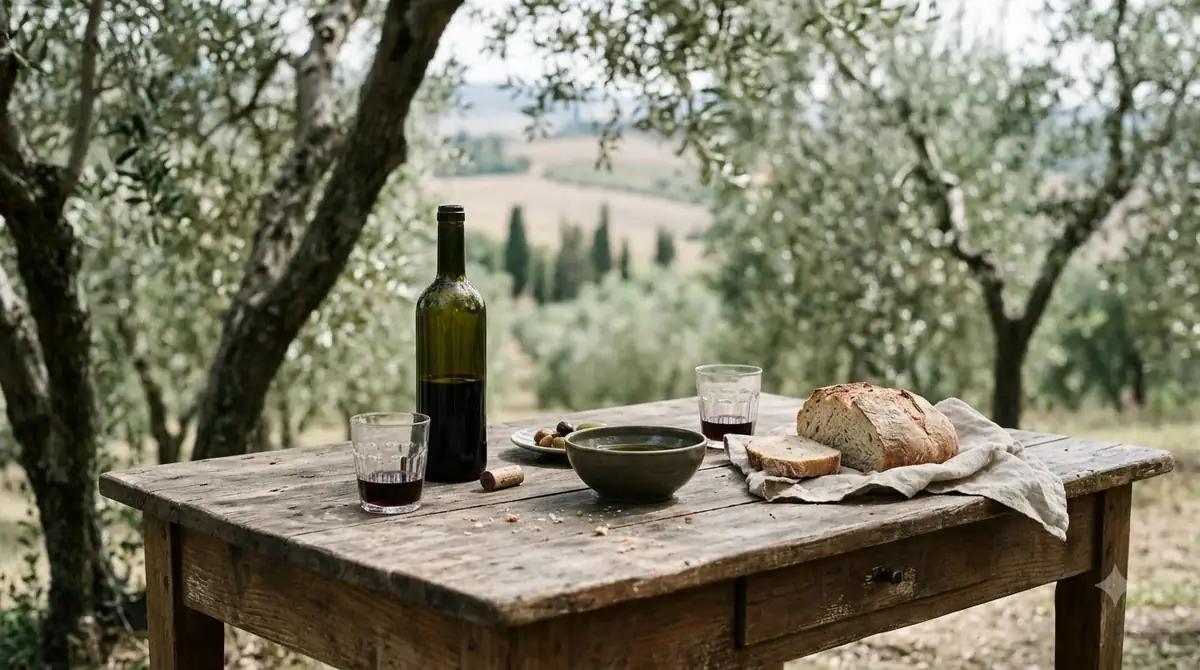
Trentino is the regional context that matters most. It sits in the Alps of northern Italy, where cool nights and warm days help grapes keep their acidity while still ripening fully. The cooperative’s members cultivate much of the region’s vineyard land, and the producer says its artisanal growing methods are designed to deliver steady quality from one harvest to the next.
The Trentino vineyards behind the bottles
The producer’s site maps five viticultural areas that supply its grapes: Valle dei Laghi and Alto Garda, Vallagarina, Valle dell’Adige, Campo Rotaliano, and Valle di Cembra. Each one has its own climate, soil type and altitude, and the cooperative blends across them to balance fruit weight, acidity and tannin.
For a red wine drinker, this matters because a Trentino red is shaped by where its grapes were picked. Lakeside vineyards near Alto Garda tend to be warmer and more sheltered, while higher valleys produce grapes that hold more acidity. A bottle labeled simply as a Trentino red can therefore taste lighter or richer depending on the blend.
What to expect from Cavit red wine
The cooperative organizes its wines into product lines rather than publishing a single tasting profile for every red. Its website lists lines such as Altemasi, Il Maso, Trentini Premium and Bottega Vinai, and notes that Bottega Vinai includes single-varietal DOC wines. Check the back label of the specific bottle you are buying to see the grape or blend and the appellation.
In general, red wines from cooler northern Italian sites lean toward red fruit, such as cherry and raspberry, with moderate tannin and fresh acidity. That style makes them easy to drink young. They rarely need long aging, and they often pair well with a wide range of foods, which is why many shoppers reach for them for weeknight meals.
Tip: If you want a lighter, brighter red, look for a bottle that names a cooler appellation on the label. If you prefer a fuller, rounder wine, choose one that lists a warmer valley or a blend with a larger share of ripe grapes.
How to serve Cavit red wine
Serving temperature has a bigger effect on red wine than most people expect. A red served too warm can taste heavy and alcoholic, while one that is too cold can taste thin and sharp. For Pinot Noir, a light-to-medium red with a fresh, fruit-led profile, Wine Folly’s grape guide recommends serving it ideally between 55 and 60 degrees Fahrenheit, which is slightly cooler than typical room temperature. That range is a useful starting point for other fresh reds as well.
For most Cavit reds, a practical approach is to pull the bottle from the fridge or a cool cupboard about 15 minutes before pouring. Use a medium-sized glass with a wide bowl so the aromas can open up, and pour about half a glass to leave room for swirling. Decanting is rarely necessary for young, fresh reds, but a short 20 to 30 minute rest in the glass can soften any sharp edges.
| Situation | Suggested approach |
|---|---|
| Chilled bottle from a warm room | Rest about 15 minutes before serving |
| Warm summer dinner | Lightly chill the glass and keep the bottle in a cooler spot |
| Hearty winter meal | Serve at a cool room temperature for more aroma |
| Casual gathering | Pour small amounts so the wine stays cool longer |
Food pairings that work with Cavit red
Fresh, fruit-forward reds like these work well with foods that have some fat and savory depth. The acidity cleans the palate between bites, and the moderate tannin does not clash with protein. Wine Folly’s Pinot Noir notes name dishes such as roast duck, salmon and earthy mushroom preparations, where the wine’s fruit complements the food without overpowering it.
Italian home cooking is an obvious match, especially tomato-based pasta, grilled sausage, pizza with mushrooms and aged cheeses. Lighter grilled chicken or roasted vegetables also suit a medium-bodied red. Avoid heavy spice-driven dishes, which can make a fresh red taste thin.
How to choose a bottle at the shop
Price is a rough guide only, so focus on what the label tells you. Many shoppers compare bottles by the vintage year, but for an everyday red from a cooperative, the grape and region are more useful. A current-vintage bottle from the same producer will usually taste closest to what you sampled before, so note the label details of any bottle you enjoy.
Start with the label. Confirm the grape or blend, the region and the appellation, since these tell you more about style than the brand name alone. A bottle that names a single variety will usually taste more consistent from one vintage to the next, while a blend can offer more balance and body.
Next, think about your plans. For a weeknight dinner, a fresh, easy red is usually the best choice. For a special meal, look for a bottle from a cooler valley or a line that the producer describes as more structured. Storage matters too: keep bottles away from heat and light, and plan to drink most Cavit reds within a few years of purchase.
Frequently Asked Questions
Where is Cavit red wine made?
Cavit is produced in Trentino, a mountain region in northern Italy. The producer’s website says its grapes come from several valleys, including Valle dei Laghi, Vallagarina and Valle dell’Adige, each with its own climate and soils.
Is Cavit a single winery or a cooperative?
It is a cooperative. The producer describes itself as bringing together thousands of associated winemakers across eleven wineries, with the cooperative overseeing production from vineyard to bottle.
What temperature should I serve Cavit red wine?
Serve it slightly cooler than room temperature. For light-to-medium reds of this style, a range of about 55 to 60 degrees Fahrenheit works well, so a short rest out of the fridge or a cool cupboard is usually enough.
What food goes well with Cavit red?
Fresh reds like these pair well with tomato-based pasta, grilled sausage, mushroom pizza and roast chicken. Their acidity balances fatty dishes, and their fruit complements savory food without overwhelming it.
Cavit red wine offers an easy entry point into Italian reds from the Alps. Start with a bottle that names its grape and appellation, serve it slightly cool, and pair it with everyday Italian-style meals. For more on how wine brands are organized and how they differ, browse our Wine Brands guide, and compare other producers such as Antinori red wine to see how a family estate approaches red blends differently.
More in Wine Brands
 Underwood Wine Price: Compare Bottles, Cans, and Pack SizesUpdated Nov 21, 2026
 Zenato Wine Price: Compare Styles and Choose the Right BottleUpdated Nov 21, 2026
 Zuccardi Wine Price: Compare Bottles and Find the Right RangeUpdated Nov 21, 2026
 Yellow Tail Moscato Review: Taste, Sweetness and Serving TipsUpdated Nov 21, 2026
 Wolf Blass Yellow Label Review: Choose Your Best StyleUpdated Nov 21, 2026
 Wolffer Estate Rose Review: Choose the Right Bottle for Your TableUpdated Nov 21, 2026