


We may earn a commission when you buy through links on this page, at no extra cost to you. Learn more.
The cavit pinot grigio tasting notes point to crisp citrus, green apple, and a clean, dry finish, with a light body that pairs well with seafood, chicken, and uncomplicated pasta dishes. The U.S. Cavit Collection page describes a 100% Pinot Grigio sourced principally from Trentino, Friuli, and Veneto, and highlights citrus and green apple. A Wine Enthusiast review of a specific 2024 Valdadige bottling adds pear, lemon, mountain herbs, and a touch of mineral character.
Cavit is a familiar name on American shelves, but the words Pinot Grigio on the front label do not tell the whole story. The most useful way to understand the wine is to begin with its fresh fruit profile, then look at the differences between Cavit’s U.S. listing and specific Italian regional bottlings, and finally decide how to serve it. The notes below describe the general Cavit Collection style without assuming every vintage or bottling is identical.
What Cavit Pinot Grigio Tastes Like
Cavit Pinot Grigio is a dry, refreshing white wine with a restrained fruit profile rather than a strong perfume or heavy, creamy texture. Expect citrus and green apple first, with pear, lemon, and occasional herbal or stony nuances appearing in reviews of individual bottlings.
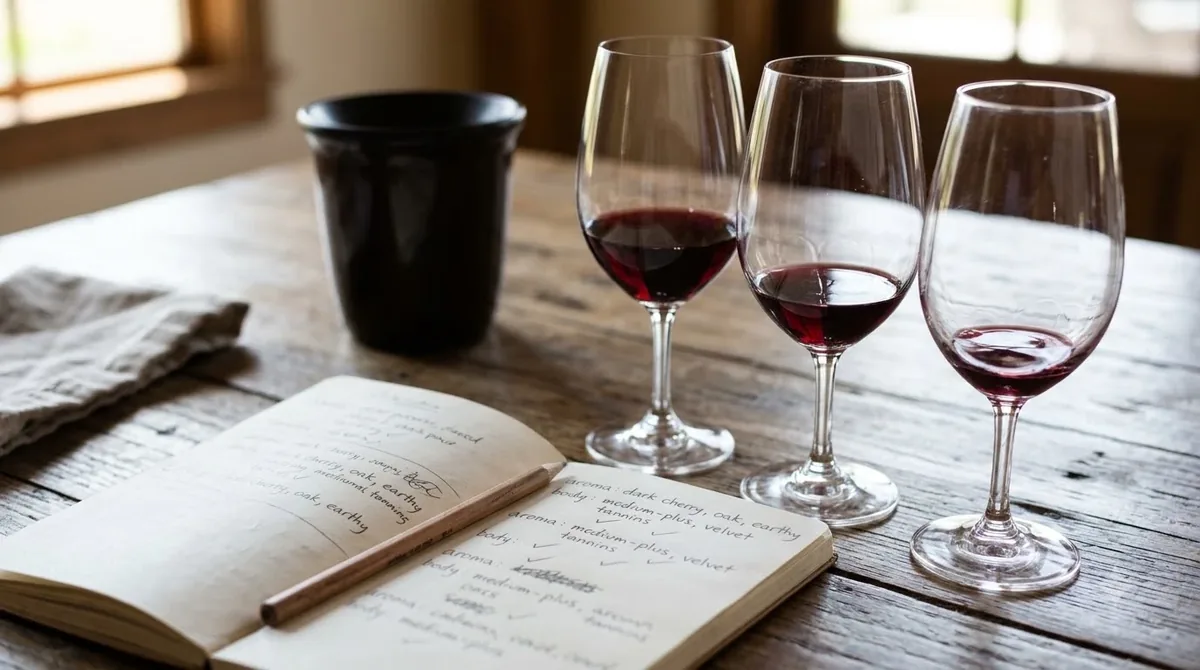
The clearest starting point is Cavit’s U.S. product description, which identifies light citrus and green-apple flavors. Expect crisp apple rather than baked apple, with lemon peel or fresh lemon as the citrus reference. Intensity can shift with the vintage and serving temperature.
A separate Wine Enthusiast review of Cavit’s 2024 Valdadige Pinot Grigio describes clean pear and lemon, hints of mountain herbs, fresh crispness, and a touch of mineral zip. That is a note for a named regional bottling and vintage, not a promise that every Cavit bottle will show precisely the same combination. It supports a practical expectation of orchard fruit, clean citrus, freshness, and a restrained herbal edge rather than oak, butter, or pronounced sweetness.
In the glass, Cavit is a refreshing everyday white built around clarity and balance rather than power. Its moderate intensity lets the fruit show without making the wine heavy, and the clean finish leaves room for the next bite. Drinkers who prefer bold aromatics or buttery Chardonnay may find it quiet; fans of crisp, uncomplicated whites will understand its appeal.
Aroma, Texture, and Finish
The aroma tends to be fresh and uncomplicated, with citrus and green apple at the center and pear or light floral notes filling in the edges. On the palate, a light-to-medium-light impression, fresh acidity, and a dry finish make the wine feel more brisk than broad.
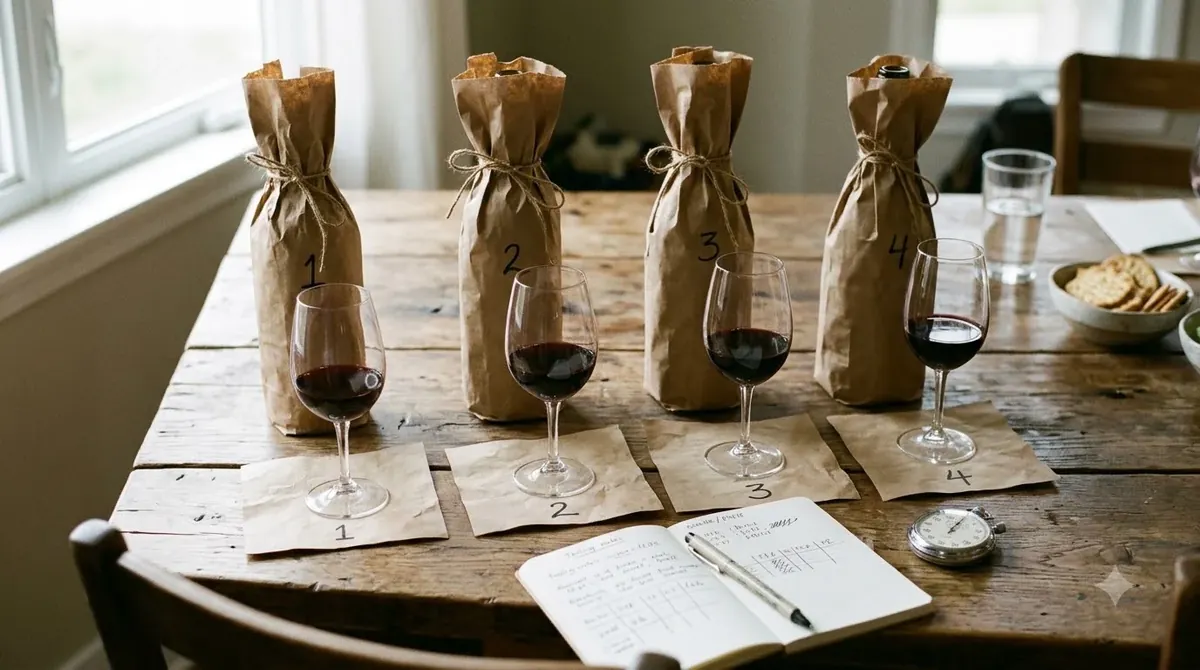
Give the wine a moment in the glass before judging the nose. Lemon, green apple skin, and a faint floral note may appear first, followed by pear or a soft herbal suggestion. Do not expect the intense grapefruit, cut grass, or passion-fruit aromas associated with some Sauvignon Blancs; Pinot Grigio is usually more subtle.
The texture should feel light and refreshing, not syrupy or oily. A little weight may appear mid-palate as the wine warms, but the main impression remains crisp. Acidity gives the fruit definition, while the mineral note in the Wine Enthusiast review of the 2024 Valdadige bottling suggests a stony edge. Treat herbs as a possible secondary detail, not a defining flavor in every bottle.
The finish is usually tidy and food-friendly. Lemon, apple, or pear may linger briefly, followed by a fresh, lightly mouthwatering impression. It is not a long, layered finish intended for slow contemplation; instead, it refreshes the palate between bites. That clean profile is one reason a glass works before dinner as an aperitif and alongside meals where the wine should support rather than compete with the food.
Dryness, Acidity, Body, and Alcohol
Cavit Pinot Grigio is best approached as a dry white wine with refreshing acidity and a light body. The alcohol figure depends on the particular Cavit bottling: the U.S. Collection page lists 12.1%, while Wine Enthusiast lists 12.5% for its reviewed 2024 Valdadige wine.
Dry means the wine does not taste distinctly sweet, not that fruit disappears. Green apple, pear, and citrus can seem juicy even when the finish is dry. Cavit’s separate Mastri Vernacoli Trentino DOC description calls that wine dry and fresh; those words should not be turned into a measured residual-sugar figure for every U.S. bottle.
Acidity keeps the fruit from seeming soft or heavy, much like a squeeze of lemon over apple or pear. Cavit is less piercing and aromatic than many Sauvignon Blancs, but its freshness suits seafood, salads, and cream-based pasta. The body is light, without pronounced oak weight or tannin.
| Detail | Cavit U.S. Collection | Specific comparison |
|---|---|---|
| Grape composition | 100% Pinot Grigio | Mastri Vernacoli Trentino DOC is also 100% Pinot Grigio |
| Alcohol by volume | 12.1% | 12.5% for Wine Enthusiast’s 2024 Valdadige review |
| Flavor description | Citrus and green apple | Pear, lemon, and mountain herbs in the 2024 review |
| Common bottle size | 750 ml | Producer also lists 375 ml, 187 ml, and 1.5 L formats |
| Serving starting point | 45–50°F for a light white wine | Adjust slightly warmer if the citrus seems muted |
The two alcohol figures belong to differently identified wines, not necessarily a contradiction: the U.S. Collection page lists 12.1%, while Wine Enthusiast lists 12.5% for its 2024 Valdadige review. For more detail on the American-market bottle, see this guide to Cavit Pinot Grigio alcohol content.
Tip: Start with the bottle chilled to about 45–50°F. If it seems muted straight from the refrigerator, let it sit for 5–10 minutes; a small rise in temperature can make pear, apple, and floral notes easier to notice without losing the refreshing finish.
Northern Italian Origin and Winemaking
Cavit’s U.S. Pinot Grigio is described as a 100% varietal wine whose principal grape sources are Trentino, Friuli, and Veneto in northeastern Italy. The producer says cold fermentation in temperature-controlled tanks helps preserve the grape’s natural fruit and freshness.
These places are not interchangeable labels for one identical flavor. Trentino is associated with the Adige Valley and an alpine-influenced growing environment; Friuli Venezia Giulia includes a wide range of sites and styles; Veneto covers a large production area with both accessible, fresh wines and more distinctive examples. Decanter’s panel tasting of 61 northern Italian Pinot Grigios found clear variation among regions: it described Veneto examples as fresh and accessible, while its Alto Adige wines showed zesty acidity and citrus clarity. Friuli Venezia Giulia displayed a broader range of expressions, including textured skin-contact wines.
Cavit’s Italian site says Pinot Grigio has grown in Trentino since the late nineteenth century and found a fit in the cool, breezy Adige Valley. The U.S. Collection page names Trentino, Friuli, and Veneto as principal sources, but does not identify one estate vineyard or a single DOC. A general Cavit Collection bottle should not be assumed to be the same wine as a Trentino DOC bottling in the Italian range.
Winemaking also helps shape the clear, crisp style. Cavit says its U.S. Pinot Grigio is fermented cold in temperature-controlled tanks to preserve fruit. The separate Mastri Vernacoli Trentino DOC page describes a straw-yellow wine with greenish reflections, floral notes, apple and peach, and a dry, fresh palate. That named regional bottling is a useful point of comparison, but its precise expression should not be assumed for every Cavit Collection bottle.
Serving Temperature and Food Pairings
Serve Cavit Pinot Grigio chilled but not icy, using 45–50°F as a starting range for a light white wine. Citrus, apple, and pear make it a natural match for seafood, chicken, light pasta, risotto, and simple starters.
Chill the bottle in the refrigerator, then taste a small pour before serving. At 45–50°F, it should feel refreshing while still showing lemon, apple, and pear; if it seems closed after a long chill, give it 5–10 minutes in the glass. A 750 ml bottle provides about five 5-ounce pours.
Seafood is one of the easiest matches. Try shrimp, simply grilled white fish, scallops, clams, or a seafood risotto, where freshness cuts through richness without overwhelming delicate flavors. Cavit also names cream-sauce pasta, veal, and chicken; lemon, fresh herbs, and light olive oil can link those dishes to the wine’s fruit. It also suits green salads, grilled zucchini, asparagus, mild cheeses, bruschetta, and fried starters such as arancini. Keep sharp lemon or vinegar dressings in balance: acidic food needs a wine with equal or higher acidity, or the wine can taste flat.
Be more selective with heat and sweetness. Chili can seem stronger beside alcoholic or tannic wines, so mildly spiced seafood or chicken is a safer choice than a fiery curry. For dessert, choose a wine at least as sweet as the dish; Cavit Pinot Grigio is dry and works better with savory food than sweet pastry or fruit tart. Salt and fat can soften tannin in reds, but tannin is not a major feature here—the more useful pairing levers are freshness, citrus, and sauce weight.
Similar Wines and Choosing a Bottle
Cavit is a straightforward example of the fresh northern Italian Pinot Grigio style, but the grape can produce wines with very different weight, aroma, and texture. Comparing the label, region, and winemaking style is more useful than assuming all bottles named Pinot Grigio taste alike.
For another familiar Italian reference point, compare these notes with Santa Margherita Pinot Grigio tasting notes. Taste the specific bottlings side by side at the same temperature, paying attention to fruit intensity, acidity, texture, and finish rather than assuming that either label is automatically heavier or more complex. The name Pinot Gris refers to the same grape in France and some other regions, but richer Alsace or Oregon styles can show more body, spice, and sometimes a hint of sweetness. Skin contact can also create a copper-colored ramato wine, unlike the pale white style familiar to most shoppers.
Do not confuse Pinot Grigio with Pinot Noir simply because the names share the word Pinot. Pinot Noir is a red grape that makes wines with red-fruit flavors, more structure, and some tannin; Pinot Grigio is the gray-skinned mutation used to make white wine. For an example of a very different Pinot-family style, see these Meiomi Pinot Noir tasting notes. This contrast helps explain why Cavit tastes crisp and light rather than like a red berry-driven wine.
When choosing a Cavit bottle, begin with the exact product name and region. The American Cavit Collection page describes fruit sourced principally from Trentino, Friuli, and Veneto, while the Italian portfolio also includes separately named wines such as Mastri Vernacoli Trentino DOC and Bottega Vinai Pinot Grigio; each can have its own technical details. The broader Wine Brands section can help place Cavit alongside other producers. For freshness, choose a recent release and store it away from sunlight near 55°F. Refrigerate the resealed bottle after opening and aim to finish the still wine within 3–5 days, while its citrus and apple character is vivid.
Frequently Asked Questions
These quick answers cover details that often come up after the first tasting, including grape identity, bottle formats, and how to interpret the wine’s color and serving options.
Is Pinot Grigio the same grape as Pinot Gris?
Yes. Pinot Grigio and Pinot Gris are regional names for the same grape variety. In Germany, the grape is also known as Grauburgunder or Ruländer. The name on the label often signals a regional style: Italian Pinot Grigio is commonly fresh and dry, while some Alsace Pinot Gris is richer or off-dry.
Why can Pinot Grigio grapes make a white wine if their skins are gray?
Most of the color in grapes is held in the skins, not the clear juice. Gentle pressing and limited skin contact allow the producer to make a pale wine from Pinot Grigio, even though ripe berries can show a copper or gray-pink tint. Longer skin contact can instead create a deeper-colored ramato wine.
Does Cavit Pinot Grigio need to be decanted?
No. A young, fresh white wine such as this is normally poured directly from the bottle. A few minutes in the glass is enough to let the aroma open; decanting for 30–60 minutes is more commonly used for young, full-bodied red wines.
What glass should be used for Cavit Pinot Grigio?
A standard white-wine glass with a modestly tapered bowl is suitable. A tulip-shaped glass can concentrate the gentle citrus, apple, and floral aromas without making the wine feel formal. Avoid filling the glass to the rim; a 5-ounce pour leaves room to swirl and smell.
Can Cavit Pinot Grigio be used in a wine spritzer?
Yes. Its dry profile and citrus-apple character work in a simple spritzer with chilled sparkling water and a lemon slice. A useful starting mix is 5 ounces of wine topped with 2 ounces of sparkling water. Keep the mixer unsweetened so the finished drink remains refreshing rather than turning noticeably sweet.
Cavit Pinot Grigio is a reliable choice when the meal calls for a light, dry white with citrus, green apple, and a clean finish. Serve it chilled with seafood, chicken, risotto, or creamy pasta, and compare the specific bottling rather than assuming every Cavit label carries identical figures or flavor details. For another useful comparison, start with the region and alcohol information printed on the bottle.
More in Wine Brands
 Underwood Wine Price: Compare Bottles, Cans, and Pack SizesUpdated Nov 21, 2026
 Zenato Wine Price: Compare Styles and Choose the Right BottleUpdated Nov 21, 2026
 Zuccardi Wine Price: Compare Bottles and Find the Right RangeUpdated Nov 21, 2026
 Yellow Tail Moscato Review: Taste, Sweetness and Serving TipsUpdated Nov 21, 2026
 Wolf Blass Yellow Label Review: Choose Your Best StyleUpdated Nov 21, 2026
 Wolffer Estate Rose Review: Choose the Right Bottle for Your TableUpdated Nov 21, 2026