

We may earn a commission when you buy through links on this page, at no extra cost to you. Learn more.
A cava cocktail is any mixed drink built on cava, the Spanish sparkling wine made by the traditional method. The best-known versions follow the mimosa idea of pairing sparkling wine with citrus juice, and cava works in the same way because its dryness and bright acidity hold up well against fruit. This guide covers how cava fits into cocktails, which styles suit mixing, and how to keep the drink balanced.
Cava is often poured on its own, but it is also a practical base for a quick brunch drink or a light party cocktail. Because it is already carbonated and dry, it needs very little help to become a finished drink, and that makes it easy to stretch a bottle across several glasses.
What makes cava suitable for cocktails
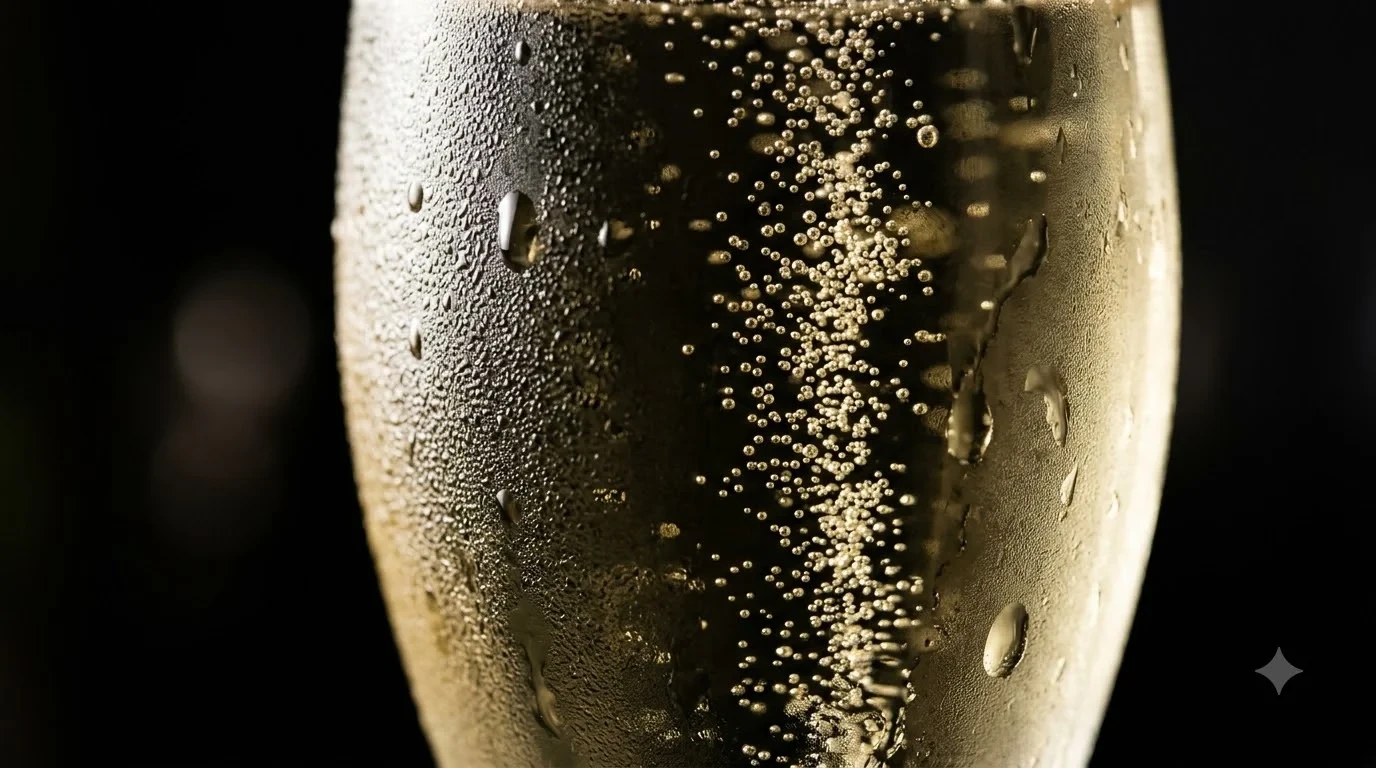
Cava is a sparkling wine, and under Spanish rules only wines made by the traditional method may carry the name. The Wikipedia entry on Cava notes that other sparkling wines are labelled vi escumós instead. That method gives cava its fine bubbles, and those bubbles lift a drink without needing extra soda.
Most cava is made in Penedès, in Catalonia. Producers there use a mix of white varieties, so the base flavor is usually crisp and citrusy rather than heavy. That profile is the reason cava pairs so well with orange, grapefruit and other bright mixers. The official cava producer site describes the same traditional method and the vineyard zones that define the wine, which is a useful reference when you want to read more about where a bottle comes from.
That origin also explains why cava suits a mixed drink. The wine is dry enough to stand up to juice, and its acidity keeps the drink from tasting sugary even when the mixer is sweet.
Classic cava cocktails and how they work
The simplest cava cocktail is the mimosa-style pour, which uses cava in place of Champagne. Wikipedia’s mimosa entry gives a 75 ml pour of sparkling wine with 75 ml of orange juice as one common build, and it says the ratio varies from bartender to bartender. The same logic applies to a moscato cocktail or a pinot grigio cocktail, where a lighter wine is lengthened with fruit.
Another common approach is the Valencian-style drink, which Wikipedia describes as made with cava or Champagne. These drinks are usually built directly in the glass, so the bubbles stay lively and the mixer does not flatten the wine.
| Style of cava cocktail | What it tastes like | Choose cava when |
|---|---|---|
| Mimosa-style with orange juice | Bright, citrusy, easy | You want a brunch drink |
| Built with a fruit purée | Richer and sweeter | You prefer a fuller glass |
| Dry cava with a light mixer | Crisp and clean | You want the wine to lead |
Choosing the right cava for mixing
Sweetness is the main thing to check on the bottle. Sparkling wines are labeled by their dosage, the sugar added before the final cork. Brut is the most common style and keeps the sugar low, while extra dry and dry styles carry more sugar and taste softer. A drier cava usually makes a crisper cocktail, but a slightly sweeter one can balance a sharp juice such as grapefruit.
Because cava is inexpensive compared with many sparkling wines, it is often chosen for batch drinks. Keep the wine very cold and add it at the last moment, since mixing too early loses the bubbles that make the drink feel light.

Keeping the drink balanced
A cocktail with cava works best when the wine stays the star. A good rule is to add the mixer slowly, taste, and stop when the citrus or fruit supports the wine rather than hiding it. Fresh juice gives more brightness than a bottled version, and a twist of citrus peel on top adds aroma without extra sugar.
Glassware matters too. A tall flute keeps bubbles longer, while a wide glass suits a fruit-forward build. For a fuller range of wine-based drinks, the Wine by Type guide explains how different styles behave.
Tip: Serve cava cocktails cold and in small pours. The drink stays fresher, and the bubbles last longer when the glass is not overfilled.
Adding fruit and herbs without overpowering the wine
Cava’s delicate bubbles and citrus notes can be hidden by a heavy mixer, so the best additions are the ones that lift the wine. Thin slices of citrus, a few berries, or a sprig of a soft herb such as mint are usually enough. Each of these adds aroma and a small amount of contrast, and none of them needs to be muddled hard. Muddling releases bitter compounds from peel and herbs, which can make a glass taste harsh.
Fruit purées and syrups add sweetness quickly, so they should be added in small amounts and tasted before the next pour. A teaspoon can change a drink more than most people expect. If the glass tastes flat, the fix is usually a bit more acidity from fresh citrus rather than more sugar, since acidity keeps the drink fresh and makes the sweetness feel lighter.
Liqueurs are another option, but they are strong in flavor. Choose one with a clear character, such as orange or elderflower, and use a small measure so the wine still leads. A drink with too many ingredients stops tasting like cava, and that is the main reason simple builds tend to work best.
Common mistakes with cava cocktails
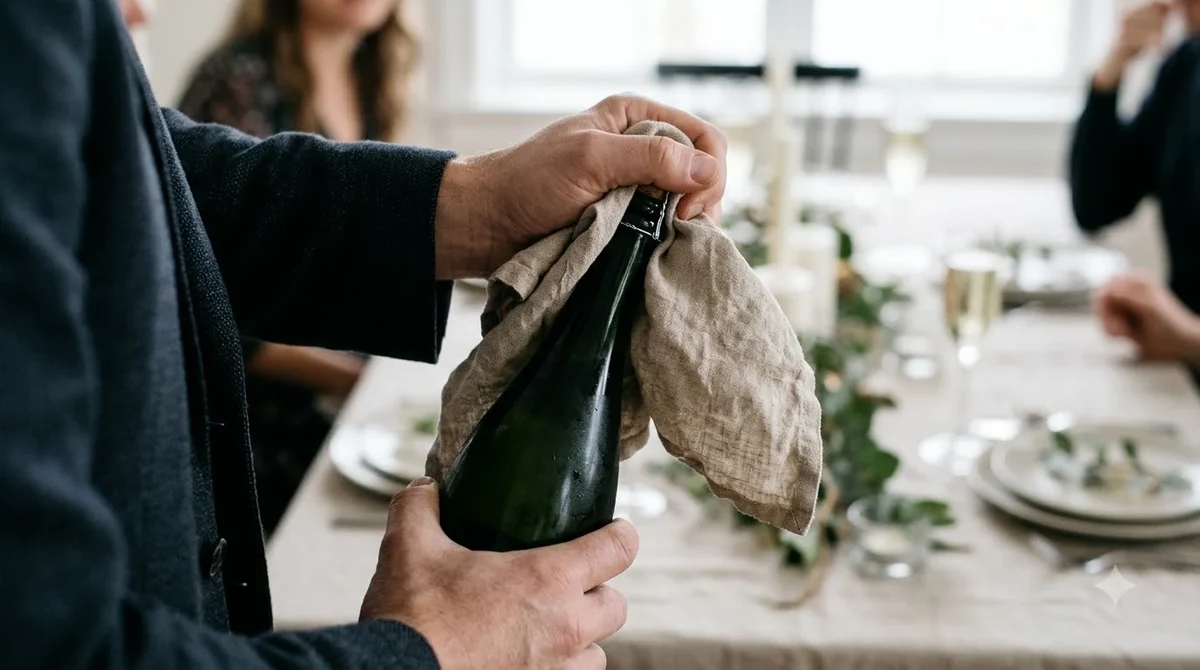
The most common mistake is pouring the wine before the mixer, which causes the foam to rise and the bubbles to escape. Pour the mixer into the glass first, then add the cava slowly down the side. The second mistake is using warm bottles. Warm cava loses its fizz faster and tastes flatter, so chill the bottle well ahead of time and keep it cold until the moment of serving.
A third mistake is over-sweetening a dry cava with a sweet juice. Orange juice from a carton often carries more sugar than fresh juice, and the mix can become cloying. Taste the juice before you build the drink, and consider diluting it a little with cava to keep the balance right. Finally, do not batch the drink in a large jug unless you are happy to serve it flat. Keep the wine separate and add it last for each glass.
Frequently Asked Questions
Can you make a cava cocktail with any cava?
Most dry or brut cava works well in a simple mixed drink. Sweeter bottles can make a drink taste heavy, especially when combined with a sweet juice, so start with a dry style and adjust from there.
Is cava the same as Champagne in a mimosa?
Champagne is the classic choice, but Wikipedia’s mimosa entry notes that the drink is made with Champagne or other sparkling wine. Cava fills the same role with a somewhat different citrus and fruit character.
What juice goes best with cava?
Orange juice is the classic pairing, but grapefruit, pomegranate and peach also work well. Fresh juice gives a brighter result than a bottled blend with added sugar.
Should cava cocktails be made ahead?
Make the base ahead only if you keep the cava separate until serving. Adding sparkling wine to a pre-mixed pitcher will flatten it quickly, so pour the wine last for every glass.
A cava cocktail is simple to make once the wine is chilled and the mixer is fresh. Start with a dry bottle, pour the wine last, and keep the ratio light. For more ideas, see the sauvignon blanc cocktail guide, which uses a similar approach with a still white.
More in Wine Types & Grapes
 Zinfandel Sugar Content: Dry Red vs. White Zinfandel GramsUpdated Nov 21, 2026
 Best Zinfandel Substitute Options for Sipping and CookingUpdated Nov 21, 2026
 Zweigelt Food Pairing: Best Dishes, Cheeses, and Serving TipsUpdated Nov 21, 2026
 Zinfandel Tannins Explained: How Structure Shapes Every BottleUpdated Nov 21, 2026
 Zinfandel Sweetness Level: Dry Red vs. Sweet White Zin ExplainedUpdated Nov 21, 2026
 Xinomavro Food Pairing: Best Dishes, Styles, and Serving TipsUpdated Nov 21, 2026