
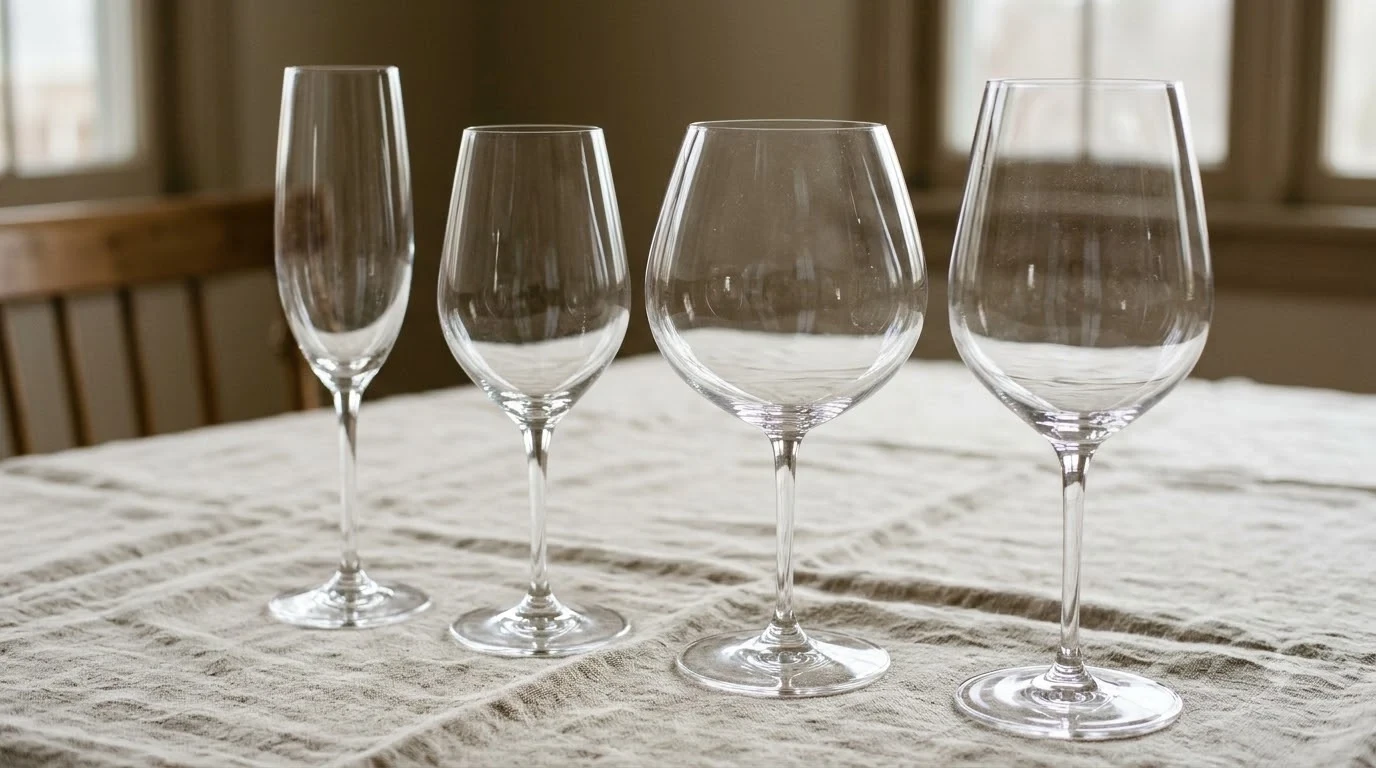

We may earn a commission when you buy through links on this page, at no extra cost to you. Learn more.
A sauvignon blanc cocktail works because the wine’s high acidity, herbal edge, and light body keep a drink crisp instead of heavy. Sauvignon Blanc is one of the easiest white wines to mix, since its citrus and green aromas pair well with herbs, citrus, and bitters. The best results usually come from simple builds that let the wine stay recognizable rather than hiding it under sugar.
This guide covers why Sauvignon Blanc suits mixed drinks, how to build a simple cocktail with it, which ingredients help or hurt the balance, and how to keep the drink cold and fresh. It is written for home cooks who have a bottle open and want something more interesting than a plain glass.
Why Sauvignon Blanc works in mixed drinks
Sauvignon Blanc has a distinct profile that makes it a flexible base. According to the Wine Folly grape guide, its primary flavors include gooseberry, honeydew, grapefruit, white peach, and passion fruit. Its aromas range from freshly cut grass and peas to ripe passion fruit and mango, and the guide describes its acidity as high and racy.
Those traits matter in a cocktail. Acidity brightens a drink and keeps it from tasting flat when it is mixed with soda or fruit. A herbal character lines up well with mint, basil, and dill. And the wine’s medium-light body means a splash of wine does not overwhelm the other ingredients the way a full-bodied red can.
The guide’s food advice is also useful for mixing. It advises, “When in doubt, go green,” and points to herb-driven sauces and fresh ingredients as the best matches. That logic carries over to cocktails: when you build a drink around Sauvignon Blanc, lean on herbs, citrus, and cucumber rather than heavy syrups.
The basic build: a light, cold wine spritz
The simplest sauvignon blanc cocktail is a spritz, which means a chilled white wine lengthened with sparkling water or soda and finished with a garnish. The method is more about temperature and balance than about measuring precisely.
Start with a glass full of ice, since cold dilution is part of what makes the drink refreshing. Add a generous pour of well-chilled Sauvignon Blanc, then top with sparkling water or a light soda until the drink tastes balanced. Taste as you go. A little more soda makes the drink lighter, while a little more wine gives the herbal notes more presence.
For a garnish, use a lime wedge, a few mint leaves, or a thin slice of cucumber. Crushing the mint lightly before adding it releases more aroma, and the garnish should sit on top so the first sip carries the herbal scent.
Herbs, citrus, and bitters that suit Sauvignon Blanc
The best additions to a Sauvignon Blanc cocktail follow the wine’s own character. Herbs are the most natural partner. Wine Folly’s food pairings point to mint, dill, and basil as herbs that complement the wine, and those same herbs work well in a glass.
Citrus is the second layer. Lime and grapefruit echo the wine’s grapefruit and citrus notes, so a squeeze of fresh juice can deepen the drink without adding sweetness. Use fresh juice rather than bottled, since the flavor difference is noticeable in a drink with so few ingredients.
Bitters are a more advanced choice. A small dash can add structure and bring out the wine’s savory side, but it is easy to overdo. Start with a single dash and taste before adding more.
| Ingredient | Role in the drink | Works well with |
|---|---|---|
| Mint or basil | Adds herbal lift that echoes the wine’s green notes | Lime, soda, cucumber |
| Lime or grapefruit | Adds brightness and citrus depth | Herbs, sparkling water |
| Cucumber | Adds cool, clean freshness | Mint and sparkling water |
| Sparkling water | Lengthens the drink and adds lift | Nearly every build |
| Orange bitters | Adds structure and aromatic depth | Citrus garnishes |
Avoid heavy sugar syrups and thick juices, which can flatten the wine’s acidity. If a drink needs more sweetness, a small amount of simple syrup is better than a fruit juice that dominates the glass.
Keeping the drink cold and balanced
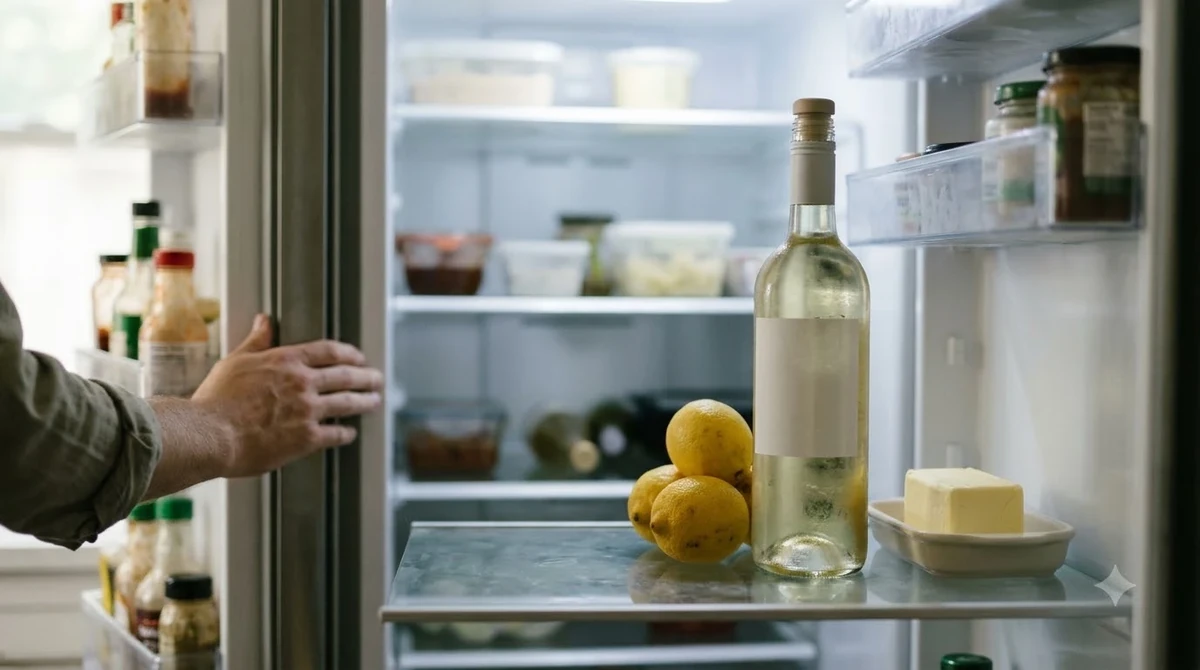
Temperature is one of the most important factors in a wine cocktail. Wine Folly suggests serving Sauvignon Blanc at 45 to 55 degrees Fahrenheit, or 7 to 12 degrees Celsius. Keep the bottle in the refrigerator until you are ready to pour, and chill the glass if you can.
Dilution matters too. Ice melts gradually, so a drink built with a generous amount of ice will become lighter over a long afternoon. Use larger cubes if you want less melt, and pour the drink over fresh ice rather than letting the first glass sit in a warm room.
A balanced sauvignon blanc cocktail should taste fresh, slightly herbal, and clean on the finish. If the drink tastes sharp, add a splash more soda. If it tastes thin, add a little more wine or a squeeze of lime.
Batch drinks and gatherings
When you serve a group, build the drink in a pitcher or large bowl so guests can pour their own glasses. Keep the wine and sparkling water separate until just before serving, since bubbles fade quickly once the drink sits. Add the herbs and fruit at the last moment so they stay bright.
Sauvignon Blanc is a good match for summer gatherings because its light body and high acidity do not weigh guests down. It also pairs with lighter foods, including the chicken, pork, and seafood that Wine Folly recommends, along with soft cheeses like goat cheese and burrata. A spritz with fresh herbs makes a natural companion to a salad or a plate of grilled vegetables.
For a richer, fruit-forward punch, see sauvignon blanc sangria, which builds the drink around chopped fruit and a longer rest. For a sense of how the wine tastes before you mix it, check sauvignon blanc tasting notes.
Common mistakes to avoid
The most common mistake is using a warm wine. Warm Sauvignon Blanc tastes flat and sharp, and it turns a refreshing drink into something harsh. Chill the bottle well before mixing.
The second mistake is adding too many ingredients. Sauvignon Blanc is expressive on its own, so a drink with five or six additions can bury the wine’s character. Two or three well-chosen ingredients usually taste better than a long list.
The third mistake is using a very sweet or heavily oaked bottle. Sweet wines push a cocktail toward dessert, and heavily oaked whites lose the fresh, herbal character that makes Sauvignon Blanc useful here. Choose a bright, unoaked bottle when you can.
Tip: Taste the wine alone first, then taste your finished drink. If the mixed glass tastes sharp, adjust with soda; if it tastes thin, add a little more wine or citrus.
Frequently Asked Questions
What is the easiest sauvignon blanc cocktail to make?
A spritz is the simplest choice. Pour chilled Sauvignon Blanc over ice, top with sparkling water or soda, and finish with a lime wedge or a few mint leaves. It takes less than a minute and lets the wine’s character come through.
Does Sauvignon Blanc taste good in cocktails?
Yes, because its high acidity and herbal, citrus notes keep a drink bright. Wine Folly describes the wine’s acidity as high and racy, which helps it stand up to soda, citrus, and herbs without disappearing.
What herbs go best with Sauvignon Blanc?
Mint, basil, and dill are the most natural partners. Wine Folly’s pairing advice points to herb-driven dishes for Sauvignon Blanc, and the same herbs echo the wine’s green aromas in a glass.
Should I use a sweet or dry Sauvignon Blanc for a cocktail?
A dry, unoaked bottle usually works best. Sweet wines can push the drink toward dessert, and heavy oak can hide the fresh herbal character. Taste the wine before mixing so you know what you are starting with.
A sauvignon blanc cocktail is a simple way to get more from a bottle you already have. Start with a chilled spritz, add one or two herbs or citrus, and adjust the balance by taste. For a broader look at how the wine behaves, start with Wine by Type and compare its styles.
More in Wine Types & Grapes
 Zinfandel Sugar Content: Dry Red vs. White Zinfandel GramsUpdated Nov 21, 2026
 Best Zinfandel Substitute Options for Sipping and CookingUpdated Nov 21, 2026
 Zweigelt Food Pairing: Best Dishes, Cheeses, and Serving TipsUpdated Nov 21, 2026
 Zinfandel Tannins Explained: How Structure Shapes Every BottleUpdated Nov 21, 2026
 Zinfandel Sweetness Level: Dry Red vs. Sweet White Zin ExplainedUpdated Nov 21, 2026
 Xinomavro Food Pairing: Best Dishes, Styles, and Serving TipsUpdated Nov 21, 2026