

We may earn a commission when you buy through links on this page, at no extra cost to you. Learn more.
Sauvignon blanc tasting notes usually center on fresh green flavors such as cut grass, gooseberry, and citrus, with a racy, mouthwatering acidity. Riper versions show passion fruit, grapefruit, and tropical notes, while cooler regions produce leaner, more herbal wines. The region on the label is one of the best clues to which profile you will taste.
Sauvignon blanc is one of the most recognizable white wines, but its flavors can range from sharp and herbal to juicy and tropical. This guide explains the aromas and flavors you are likely to notice, how acidity and body shape the taste, how regions change the style, and how to use tasting notes when you shop.
The Core Sauvignon Blanc Flavors
The most common sauvignon blanc tasting notes are green and herbal. According to Wine Folly’s sauvignon blanc profile, the wine often smells of freshly cut grass, peas, and asparagus, and its primary fruit flavors include gooseberry, honeydew, grapefruit, and white peach.
These notes are not all the same in every bottle. A young, cool-climate wine may lean toward tart green apple and grassy character, while a warmer-climate wine may move toward passion fruit, guava, or mango. Many tasters use the herbal and fruit notes together to describe a single wine, which is why a good tasting note often lists several aromas rather than one.
How Acidity and Body Shape the Taste
Acidity is the defining structural feature of sauvignon blanc. Tasting notes often describe it as racy or mouthwatering, and that brightness is what makes the wine refreshing. High acidity lifts the aromas and leaves a clean finish, which is why the wine pairs so well with seafood and fresh salads.
Sauvignon blanc is usually medium-light in body. It does not have tannin, so the texture comes from acid rather than grip. Alcohol is typically moderate, and the wine tends to feel crisp rather than heavy, even when the fruit is ripe. When you read a tasting note, look for words like crisp, lean, or light for a classic style, and words like rich, round, or weighty for a fuller version.
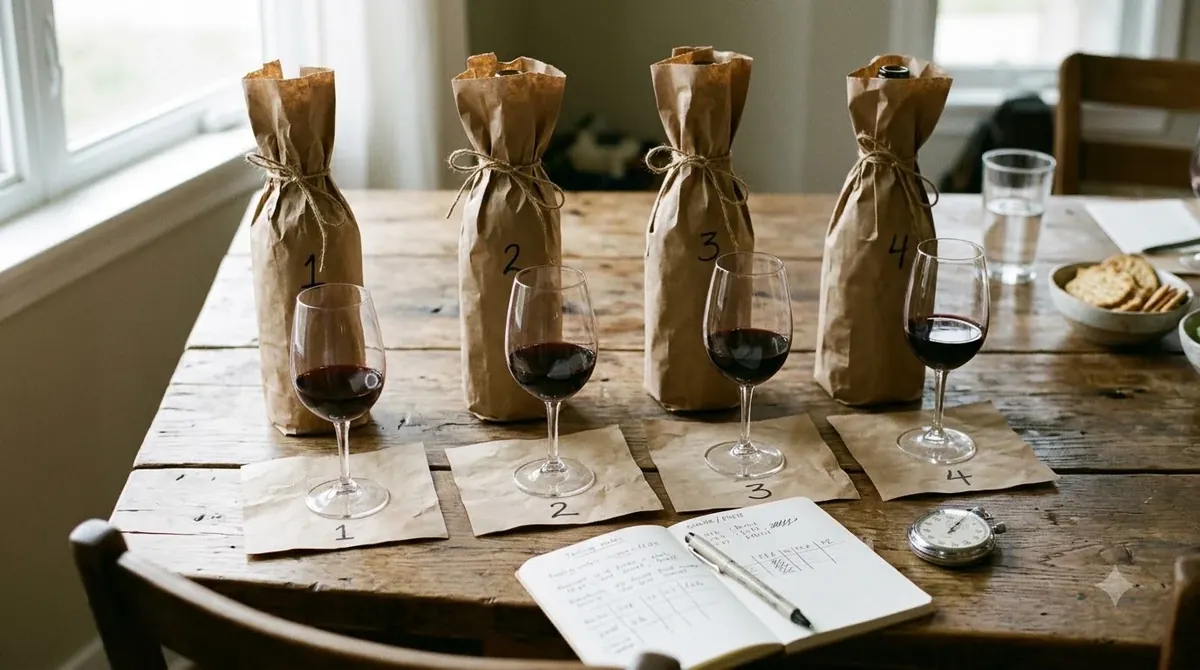
Some sauvignon blanc is aged in oak, which changes the tasting notes. Oak can add creamy, waxy aromas and a rounder, slightly oily texture, while the fruit and acidity still show through. Lees contact, where the wine rests on dead yeast cells after fermentation, can add weight and a savory note. These styles taste different from the crisp, unoaked bottles that are most common on shelves, so the label’s wording on oak or aging is worth reading.
How Regions Change the Flavor
Region changes sauvignon blanc more than almost any other factor. In the Loire Valley of France, the wines are typically cooler, leaner, and more herbal, with lime, gooseberry, grapefruit, flint, and a slightly smoky nose. Sancerre, a well-known Loire appellation, is often described as vibrant and lively, with intense mineral-driven and citrus notes.
Marlborough in New Zealand is known for louder aromatics and fruit-forward flavors, with passion fruit, lime, and gooseberry, along with a sharp acidity. Bordeaux produces dry sauvignon blanc in a few estates, usually blended with sémillon, and those wines often show honeysuckle, white peach, and a waxy texture, especially when they have spent time in contact with their lees or in barrels.
| Style | Common notes | Typical character |
|---|---|---|
| Loire Valley | Lime, gooseberry, flint, smoke | Lean, mineral, herbal |
| Marlborough | Passion fruit, lime, pea shoot | Bright, fruit-forward, sharp acid |
| Bordeaux (dry) | Honeysuckle, white peach, beeswax | Richer, sometimes oak-influenced |
| Oaked styles | Creamy, waxy aromas | Fuller, oily texture |
Tip: If a tasting note mentions passion fruit or tropical fruit, expect a riper, fuller style. If it mentions cut grass or green herbs, expect a leaner, crisper wine.
Reading Tasting Notes on the Label and in Reviews
Tasting notes use a shared vocabulary, but the words can be vague. Terms like grassy, herbal, and green usually point to a cool-climate wine with fresh acidity. Terms like tropical, passion fruit, and ripe mango point to a warmer region or a riper harvest. Words such as flinty, mineral, and saline describe texture and structure more than fruit.
When you compare notes, look at the whole description. A tasting note that names both gooseberry and lime is describing freshness and acid, while one that adds honey or creamy notes is describing a richer or oak-influenced style. Reading several notes for the same region gives a clearer picture than relying on one review.
Serving and Pairing by Style
Sauvignon blanc is usually served cold, around 45 to 55 degrees Fahrenheit, in a white wine glass. That range keeps the aromas bright and the acidity clean. Warmer serving temperatures can make the wine seem flat and dull, so keep the bottle chilled until you pour.
Lean, herbal styles pair well with goat cheese, green salads, asparagus, and seafood. Riper, tropical styles suit grilled chicken, shellfish, and spicy Asian dishes, since the fruit can handle a bit of heat. Richer Bordeaux-style wines match creamy sauces and roast poultry. Matching the wine’s weight to the dish is the simplest way to get the right balance.
Using Sauvignon Blanc Tasting Notes When You Shop
Start with the region, then check the tasting note for the fruit profile. A Loire bottle with lime and flint will taste very different from a Marlborough bottle with passion fruit, even though both are sauvignon blanc. If you enjoy one style, try a bottle from another region to see how the grape changes.
Chile, South Africa, and coastal California also produce sauvignon blanc in a range of styles. Producers in those areas push the grape in different directions, from lean and citrusy to ripe and fruit-driven, so the same grape name can hide a wide spread of flavors. A tasting note that names the region and the producer usually tells you more than the grape alone.
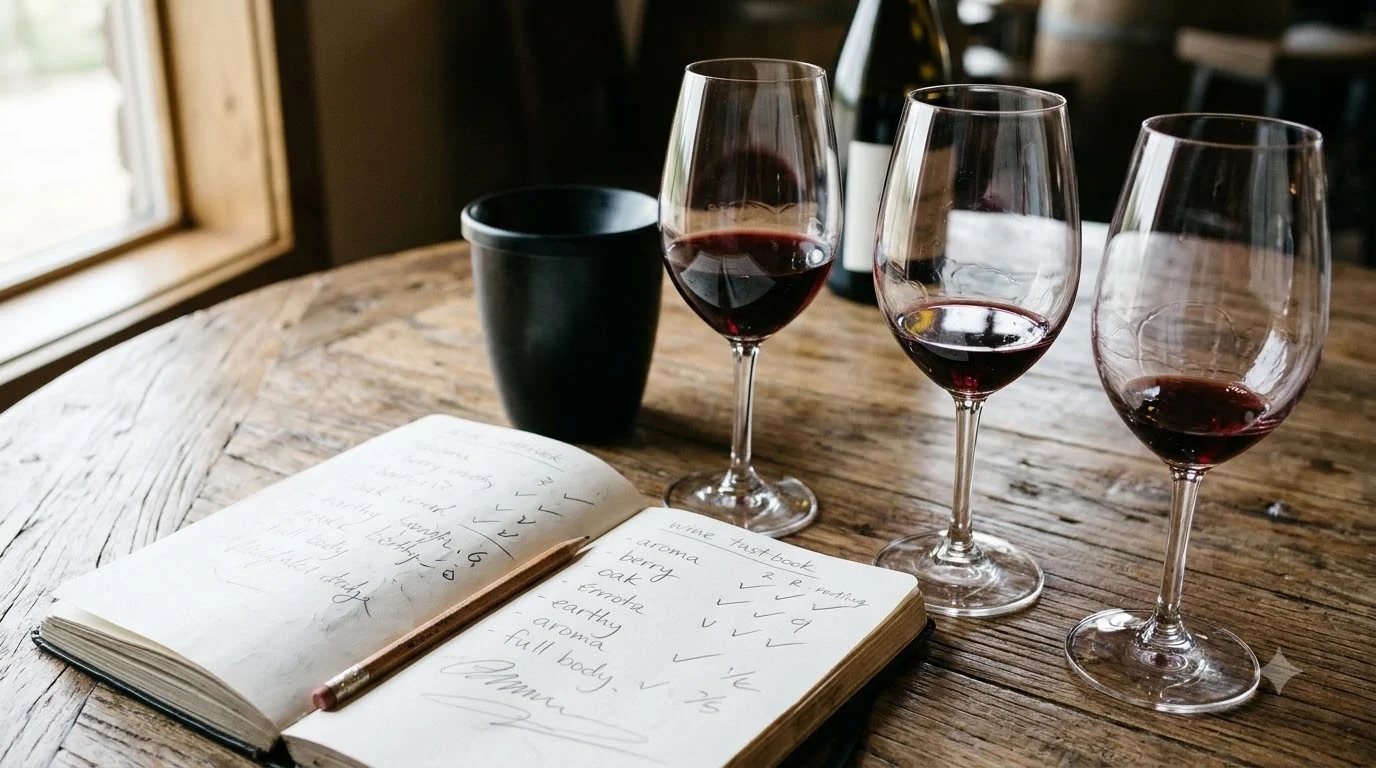
Tasting notes from reputable publications and retailers can help you compare, but they are only a guide. Your own palate decides which aromas you enjoy most, so keep notes on the bottles you like and look for those same descriptors next time.
Frequently Asked Questions
What does sauvignon blanc taste like?
Sauvignon blanc often tastes of freshly cut grass, gooseberry, and citrus, with high acidity. Riper versions can show passion fruit, grapefruit, or tropical notes.
Why do some sauvignon blancs taste grassy and others tropical?
Region and ripeness are the main reasons. Cooler areas such as the Loire tend to produce grassy, herbal wines, while warmer or riper growing conditions push the flavor toward passion fruit and tropical fruit.
What does oaked sauvignon blanc taste like?
Oaked versions tend to show creamy, waxy aromas and a fuller, rounder texture. The fresh grass and citrus notes are often softer, though the acidity usually remains clear.
Is sauvignon blanc dry?
Most sauvignon blanc is dry. The sweetness on the palate comes from fruit flavor rather than residual sugar, so the wine usually tastes crisp and clean.
What should I serve with sauvignon blanc?
Goat cheese, green salads, asparagus, and seafood suit lean styles. Grilled chicken, shellfish, and spicy Asian dishes match riper, tropical versions.
Tasting notes work best when you use them as a starting point rather than a verdict. Two bottles with the same descriptors can still feel different in the glass, depending on the vintage, the producer, and the food you serve with them.
Sauvignon blanc tasting notes give you a quick way to predict flavor before you open the bottle. Look at the region, pay attention to acidity, and match the style to the food you plan to serve. For more ideas, see sauvignon blanc cocktail or sauvignon blanc sangria, or compare with pinot noir tasting notes to see how a red differs.

More in Wine Types & Grapes
 Zinfandel Sugar Content: Dry Red vs. White Zinfandel GramsUpdated Nov 21, 2026
 Best Zinfandel Substitute Options for Sipping and CookingUpdated Nov 21, 2026
 Zweigelt Food Pairing: Best Dishes, Cheeses, and Serving TipsUpdated Nov 21, 2026
 Zinfandel Tannins Explained: How Structure Shapes Every BottleUpdated Nov 21, 2026
 Zinfandel Sweetness Level: Dry Red vs. Sweet White Zin ExplainedUpdated Nov 21, 2026
 Xinomavro Food Pairing: Best Dishes, Styles, and Serving TipsUpdated Nov 21, 2026