

We may earn a commission when you buy through links on this page, at no extra cost to you. Learn more.
Catena white wine is a collection of Argentine white wines led by Chardonnay, ranging from fresh, approachable Mendoza bottlings to complex, high-altitude single-vineyard wines such as White Stones and White Bones. Produced by Bodega Catena Zapata, these wines showcase the influence of mountain vineyards, different soil types, and carefully managed oak aging. Whether you want an everyday Chardonnay or a distinctive bottle for a special dinner, the Catena range offers several styles worth understanding.
Catena is widely associated with Argentine Malbec, but its white wines deserve attention in their own right. The winery’s Chardonnay program explores vineyards across Mendoza, including the celebrated Adrianna Vineyard in the Uco Valley. Understanding the differences between the main bottlings makes it easier to select a wine that suits your palate, meal, and occasion.
Understanding the Catena White Wine Collection
Catena white wine covers several styles and quality levels, although Chardonnay is the central grape. The portfolio includes approachable regional bottlings, more concentrated estate selections, and distinctive single-vineyard wines that highlight individual vineyard parcels.
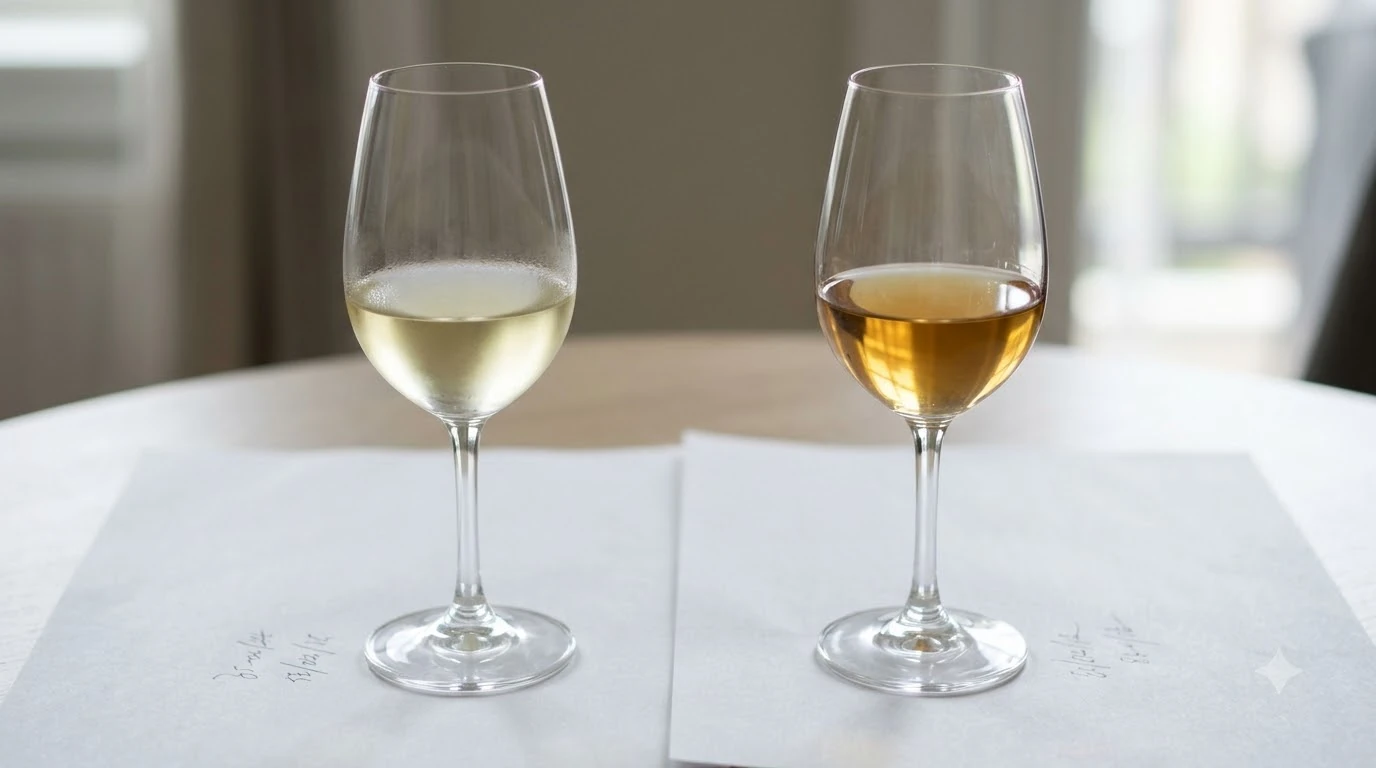
The standard Catena Chardonnay is a useful starting point. Its grapes come from four Mendoza vineyards: El Cepillo, Agrelo, Villa Bastías, and Gualtallary. Rather than relying on one location, the winemaking team combines fruit from different elevations and soil conditions to create a balanced expression of Chardonnay. The resulting wine brings together citrus and peach character, stone fruit aromas, and a fuller texture.
Catena Alta Chardonnay offers another step within the producer’s range. The winery also produces Chardonnay under the DV Catena and Angélica Zapata labels. Each name represents a different part of its portfolio, so it is helpful to distinguish the label before making a selection.
At the more specialized end, Adrianna Vineyard White Stones and White Bones receive particular attention. Both are single-parcel Chardonnays from Gualtallary, but their different soils give them distinct identities. They are useful examples of how vineyard selection can influence the finished wine even when the grape variety and general location remain the same.
The wider portfolio also includes white wines beyond Chardonnay. Saint Felicien Sauvignon Blanc and Saint Felicien Semillon Doux offer alternatives for drinkers who prefer a more aromatic or sweeter style. Nicasia Vineyards also produces Blanc de Blancs and Doux bottlings.
For readers exploring other producers and grape varieties, the Wine Brands collection provides additional context for comparing wine labels and regional styles.
The Main Catena Chardonnay Styles
The easiest way to understand the range is to compare its principal Chardonnay bottlings. Catena Chardonnay emphasizes a blend of Mendoza vineyards, while White Stones and White Bones focus on individual parcels at approximately 1,450 meters above sea level.
These wines are not interchangeable. Their differences come from vineyard selection, soil composition, fermentation choices, and barrel aging. A more accessible regional Chardonnay may be the better choice for a casual meal, while a single-vineyard bottle offers a more detailed expression of a particular growing site.
| Wine | Grape | Origin or vineyard | Style |
|---|---|---|---|
| Catena Chardonnay | 100% Chardonnay | Four Mendoza vineyards | Fresh, textured, balanced |
| Catena Alta Chardonnay | Chardonnay | Mendoza estate vineyards | More concentrated estate style |
| White Stones | 100% Chardonnay | Adrianna Vineyard, Gualtallary | Mineral, focused, high acidity |
| White Bones | Chardonnay | Adrianna Vineyard, Gualtallary | Complex, textured, distinctive |
| Saint Felicien Sauvignon Blanc | Sauvignon Blanc | Mendoza | Fresh, aromatic, crisp |
| Saint Felicien Semillon Doux | Semillon | Mendoza | Sweet white wine |
The table provides a general guide rather than a promise that every release will taste identical. Vintage conditions and winemaking decisions can influence the balance of fruit, acidity, and oak. For example, Catena Chardonnay 2024 lists 13.3% alcohol, while the 2023 White Stones technical information lists 12.5% alcohol.
Those figures also demonstrate why it is useful to distinguish individual wines instead of assuming that every Catena white has the same weight or alcohol level. The producer’s official wine portfolio provides an overview of the different labels and grape varieties.
Mendoza Vineyards and the Importance of Altitude
Mendoza’s high-altitude vineyards are central to the character of Catena white wines. The Andes influence growing conditions through elevation, sunlight, and substantial differences between daytime and nighttime temperatures. These conditions help explain the fresh acidity and concentrated fruit found in many of the winery’s Chardonnays.

Catena Chardonnay combines fruit from four vineyards with different characteristics. El Cepillo sits at 1,090 meters, Agrelo at 950 meters, Villa Bastías at 1,120 meters, and Gualtallary at 1,450 meters. The different elevations and soil conditions contribute different elements to the final blend.
For example, the producer associates Agrelo with citrus and peach flavors, Villa Bastías with stone fruit aromas and a richer texture, and Gualtallary with floral character and pronounced mineral notes. Combining these components allows the winery to create a Chardonnay with several layers of flavor rather than relying on one vineyard expression.
Adrianna Vineyard is particularly important for the premium white wines. Located in Gualtallary, within the Tupungato area of the Uco Valley, it sits at approximately 1,450 meters. Cool nighttime temperatures slow the ripening process, helping grapes retain acidity while developing flavor.
The soil also matters. White Stones comes from a section with an old alluvial riverbed covered in oval white gravel. The stony ground drains quickly, and the vineyard’s relatively poor soils encourage limited vine vigor. These conditions contribute to the distinctive character of the resulting Chardonnay.
White Bones comes from a different parcel within the same vineyard. Its calcareous soil composition gives the wine a different expression. This contrast is a useful reminder that vineyard identity is not determined by altitude alone. Even nearby sections of the same estate can produce wines with noticeably different characteristics.
Catena White Wine Tasting Notes and Flavor Profiles
Catena Chardonnay generally offers a combination of citrus, orchard fruit, floral aromas, and a rounded texture. Depending on the bottling and vintage, the wine may also show spice, subtle toast, mineral notes, or a gentle creamy character from oak maturation.
The standard Catena Chardonnay is a practical introduction to the producer’s white wines. Expect fruit character associated with apple, peach, and citrus, supported by moderate acidity and a fuller mouthfeel than many unoaked, light-bodied whites. Oak aging can add texture and restrained spice without making the wine taste like heavily toasted wood.
White Stones has a more focused personality. Wine Enthusiast’s review of the 2022 Adrianna Vineyard bottling identifies honeysuckle, mandarin peel, sweet spice, citrus, herbs, cedar, ginger, and a lightly salty finish. These descriptors suggest a wine with both aromatic detail and substantial freshness.
The producer’s 2023 White Stones technical information lists 8 grams per liter of total acidity and a pH of 3.1. Those measurements help explain the wine’s firm, lively structure. The wine also undergoes fermentation in French oak and spends 12–16 months aging in previously used barrels.
White Bones offers another interpretation of Adrianna Vineyard Chardonnay. Its calcareous soils distinguish it from the gravelly White Stones parcel. The difference is particularly interesting for drinkers who enjoy comparing wines made from the same grape in nearby vineyard locations.
Rather than treating one wine as automatically superior, consider the style you prefer. White Stones is a good direction for someone who enjoys freshness, citrus, and a defined mineral character. White Bones is worth exploring for someone interested in the aromatic and textural differences created by its distinct vineyard soils.
For a broader understanding of the family’s signature red grape, the Catena Malbec tasting notes article offers a useful comparison between its red and white wine styles.
Food Pairings for Catena Chardonnay and Other White Wines
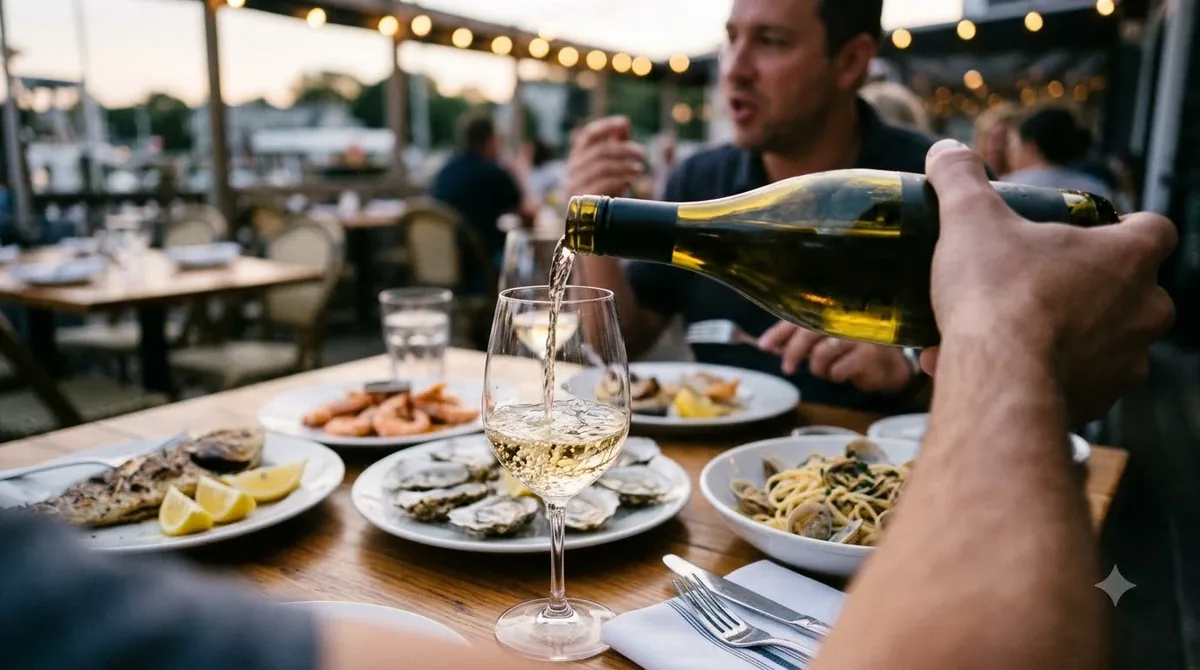
Catena Chardonnay pairs particularly well with seafood, roasted poultry, creamy dishes, and vegetables prepared with butter or olive oil. Its combination of fruit, acidity, and texture makes it versatile enough for both simple weeknight dinners and more elaborate meals.
For a standard Catena Chardonnay, consider roast chicken with lemon, grilled shrimp, baked cod, or pasta with a light cream sauce. The citrus character works well with lemon-seasoned seafood, while the wine’s fuller texture complements poultry and dishes containing butter or cream.
White Stones and White Bones can handle more detailed preparations. Try White Stones with grilled scallops, roasted halibut, or lobster served with a modest amount of butter. Its lively acidity helps balance the richness of shellfish, while its mineral and citrus notes complement delicate seafood flavors.
White Bones is worth serving with roast chicken, mushroom risotto, grilled sea bass, or creamy vegetable dishes. The texture and complexity of the wine can match preparations with more developed flavors without overwhelming the food.
Saint Felicien Sauvignon Blanc is another useful option for lighter meals. Consider goat cheese, green salads, fresh herbs, grilled vegetables, or simply prepared white fish. Sauvignon Blanc generally has higher acidity than Chardonnay, making it especially suitable for dishes featuring lemon, vinaigrette, or fresh herbs.
For sweet Semillon, choose foods that do not overwhelm its sweetness. Fruit-based desserts, lightly sweet pastries, and blue cheese can all work, provided the wine is at least as sweet as the dessert. A dry white wine will generally taste sharper and less balanced alongside a very sweet dish.
Pairing suggestions by dish
- Grilled shrimp: Catena Chardonnay or White Stones.
- Roast chicken: Catena Chardonnay or White Bones.
- Scallops with butter: White Stones.
- Mushroom risotto: White Bones.
- Goat cheese salad: Saint Felicien Sauvignon Blanc.
- Fruit tart: Saint Felicien Semillon Doux.
- Grilled cod with lemon: Catena Chardonnay.
Seasoning matters as much as the main ingredient. Acidic sauces need a wine with equal or greater acidity, while salt and fat can soften the perception of tannin in wines that contain it. Chardonnay is generally a more natural choice for delicate seafood than a heavily tannic red.
Spicy preparations require more care. Alcohol can make chili heat feel stronger, so a high-alcohol wine is not always the best partner for heavily spiced food. For dishes with significant heat, a slightly sweet white may be more comfortable than a powerful dry wine.
Tip: When choosing between Catena Chardonnay and White Stones for seafood, consider the sauce first. Lemon butter, scallops, and grilled white fish suit the freshness of White Stones, while richer poultry and cream-based dishes can benefit from the broader texture of Catena Chardonnay.
Serving Temperature, Storage, and Cellaring
Serving temperature has a noticeable effect on white wine. Catena Chardonnay is best served cool rather than very cold, allowing its fruit, texture, and oak character to remain noticeable. A temperature of 50–55°F works well for fuller-bodied whites, while lighter white wines are generally better at 45–50°F.
For Catena Chardonnay, White Stones, and White Bones, start around 50–55°F. If the bottle has been refrigerated for several hours, allow it to sit briefly before pouring. Excessive chilling can make aromatic details less noticeable and emphasize the wine’s acidity.
Use ordinary white wine glasses with a bowl wide enough to let the aromas collect. There is no need for an elaborate glass designed for a particular vineyard. A clean glass with a moderately sized bowl will allow citrus, floral, fruit, and oak aromas to develop as the wine warms slightly.
Pour approximately 5 ounces per glass. A standard 750 ml bottle provides about five such servings. For a dinner with four people, one bottle may be enough for a single moderate pour, but two bottles offer more flexibility if the wine is served throughout the meal.
Storage is also important. Keep unopened bottles in a cool, dark location with a relatively stable temperature near 55°F. Bottles with natural cork closures should generally be stored on their sides to keep the cork from drying out.
Once opened, reseal the bottle and place it in the refrigerator. Most still white wines remain enjoyable for approximately three to five days, although freshness depends on the wine, storage conditions, and exposure to oxygen. Allow the wine to warm slightly before serving another glass.
Catena Chardonnay can be enjoyed relatively young, but the producer notes that its wines can develop over longer periods. Its published information for the 2024 bottling describes aging potential of ten to twenty years. That statement should not be treated as a universal guarantee for every Catena white wine. Storage conditions, vintage, and individual bottling all influence how successfully a wine develops.
Choosing the Right Catena White Wine
The best bottle depends on your experience with Chardonnay, the meal you are planning, and how much complexity you want in the glass. Catena’s range provides several entry points, so there is no need to begin with its most specialized vineyard bottlings.
If you are new to the producer, start with Catena Chardonnay. Its four-vineyard blend offers a useful introduction to Mendoza Chardonnay and demonstrates how different growing sites can contribute to one finished wine. It is also a versatile option for meals involving poultry, seafood, and creamy sauces.
Catena Alta Chardonnay is another option for someone looking for a more focused estate selection. It can be a good choice when a meal deserves a fuller white wine or when you want to explore a different expression of the producer’s Chardonnay program.
For an enthusiast interested in vineyard differences, White Stones and White Bones are particularly worthwhile. Both come from Adrianna Vineyard, but their separate parcels demonstrate the effect of soil composition on Chardonnay. Trying the two wines side by side is a useful way to understand why single-vineyard and single-parcel bottlings receive so much attention.
When comparing vintages, pay attention to alcohol, acidity, and the winemaking details. For example, White Stones 2023 lists 12.5% alcohol and 8 grams per liter of total acidity, while Catena Chardonnay 2024 lists 13.3% alcohol and 5.8 grams per liter of total acidity. These are different wines from different vineyard selections, so the figures should not be treated as a direct vintage comparison.
Think about the food as well. A fresh, citrus-driven Chardonnay can be a better match for grilled fish than a wine with a particularly rich texture. Conversely, a fuller Chardonnay may work better with roasted chicken, butter-based sauces, or mushroom dishes.
Catena’s white wines also make an interesting counterpoint to its better-known reds. If you already enjoy its Malbec, consider exploring the Catena Malbec food pairing recommendations to see how the winery’s red wines fit into a different range of meals. Readers interested in other Argentine and international producers can also compare Baron Philippe de Rothschild wine for a broader look at wine styles and producer identities.
The most useful approach is to select a bottle based on the occasion rather than assuming that every wine under the Catena name has the same flavor profile. The standard Chardonnay is a sensible introduction, while the Adrianna Vineyard wines provide a more detailed look at Mendoza’s high-altitude terroir.
Frequently Asked Questions
Is Catena an old Argentine wine producer?
Yes. Nicola Catena planted a vineyard near Luján in Mendoza in 1902, establishing the family’s connection with Argentine wine production. The business later passed through subsequent generations of the Catena family, becoming an influential name in the country’s modern wine industry.
Who makes the Catena white wines?
The Catena Chardonnay 2024 producer information identifies Laura Catena as the fourth-generation vintner and Alejandro Vigil as chief winemaker. Their work forms part of the family’s continuing focus on Mendoza’s mountain vineyards and distinctive growing sites.
Are White Stones and White Bones made from the same Chardonnay grape?
Both are Chardonnay wines from separate parcels within Adrianna Vineyard. Their distinction comes primarily from the physical characteristics of the vineyard soils rather than a change to a different principal grape variety. The separate bottlings allow drinkers to compare two expressions of the same general vineyard location.
Does Catena produce sparkling white wine?
Yes. The Nicasia Vineyards portfolio includes a Blanc de Blancs bottling. The name indicates a white wine made exclusively from white grape varieties, although the precise grape composition and production method should be confirmed for the particular release.
Has Catena received international recognition for its wines?
Yes. Nicolás Catena received Decanter’s Man of the Year Award in 2009, becoming the first South American recipient. The recognition reflected his contribution to the development and international reputation of Argentine wine.
Catena white wine demonstrates that Mendoza offers much more than its famous Malbec. From the approachable Catena Chardonnay to the distinctive White Stones and White Bones, the range provides several ways to explore Argentine white wine. Start with the style that suits your food and preferences, then compare the Adrianna Vineyard bottlings to discover how different soils can shape Chardonnay.
More in Wine Brands
 Underwood Wine Price: Compare Bottles, Cans, and Pack SizesUpdated Nov 21, 2026
 Zenato Wine Price: Compare Styles and Choose the Right BottleUpdated Nov 21, 2026
 Zuccardi Wine Price: Compare Bottles and Find the Right RangeUpdated Nov 21, 2026
 Yellow Tail Moscato Review: Taste, Sweetness and Serving TipsUpdated Nov 21, 2026
 Wolf Blass Yellow Label Review: Choose Your Best StyleUpdated Nov 21, 2026
 Wolffer Estate Rose Review: Choose the Right Bottle for Your TableUpdated Nov 21, 2026