

We may earn a commission when you buy through links on this page, at no extra cost to you. Learn more.
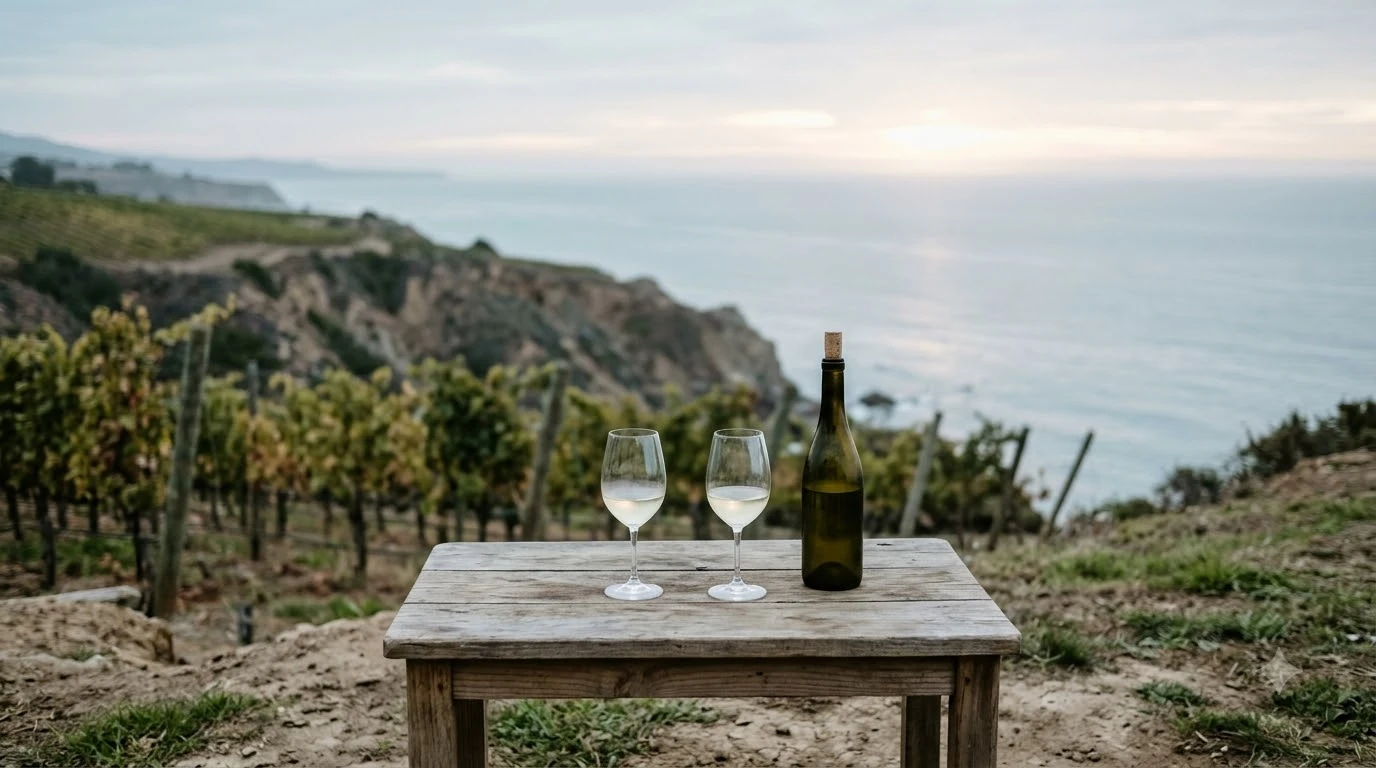
The cassis wine festival is an annual May celebration in Cassis, Provence, France, featuring local AOC wines, traditional bottle blessings, wine tastings, and regional food. Organized by the local winegrowers’ association and Cassis Animation, the event brings together producers and visitors in the village. It offers an accessible introduction to the area’s distinctive Mediterranean wines, particularly its fresh, mineral-driven whites. Visitors can also explore local food, Provençal customs, and the vineyards overlooking the Mediterranean.
On the French Mediterranean coast, Cassis is known for its fishing port, limestone cliffs, turquoise water, and a small but historically significant wine appellation. The annual Fête du Vin gives visitors an opportunity to experience these elements together rather than simply purchasing a bottle at a shop. Whether you are planning a dedicated wine trip or adding a tasting event to a Provence vacation, understanding the festival’s traditions, local wine styles, and practical arrangements will help you make the most of your visit.
What the Cassis Wine Festival Celebrates
The Fête du Vin celebrates the relationship between Cassis and its local vineyards. It combines religious and agricultural traditions with public wine tastings, giving residents and visitors an opportunity to meet the people responsible for the area’s distinctive wines.
The event is organized by the Cassis winegrowers’ association in cooperation with Cassis Animation. According to the municipality, the celebration takes place every May at Place Baragnon. Its opening tradition is particularly memorable: wine bottles and vine stocks receive a blessing by fire, with the mayor, winegrowers, and local officials in attendance. This ceremony recognizes the importance of the annual growing cycle and the work involved in producing wine from the surrounding hillsides. The official Cassis municipal festival announcement provides details about this traditional program.
After the blessing, the atmosphere shifts toward tasting and socializing. Visitors can discover wines from different local estates and enjoy food offered by participating stands. Rather than focusing exclusively on formal wine education, the gathering makes regional wine culture accessible to people with different levels of experience. Someone familiar with French appellations can compare producers, while a first-time visitor can simply learn why Cassis has such a strong reputation for white wine.
The festival is also an expression of local identity. Cassis is not a large industrial wine center with extensive vineyards stretching across an entire province. Its wine-growing area is comparatively compact, closely connected to the village, the Mediterranean landscape, and the surrounding natural environment. That relationship gives the celebration a personal character: the wines represent a specific place and the growers who continue its traditions.
Visitors should distinguish the May Fête du Vin from other Cassis cultural events. The town also hosts the Vendanges Étoilées, a gastronomic gathering featuring chefs, cooking demonstrations, and regional producers. Both events celebrate local food and wine, but the May celebration is specifically dedicated to the Cassis appellation and its winegrowers.
Festival Dates, Location, and Local Atmosphere
The traditional time for the Cassis wine celebration is May, with Place Baragnon serving as its established central location. Visitors should confirm the precise date and program before traveling because the annual schedule and event arrangements can change.
Place Baragnon is a convenient starting point for exploring the historic village. Its central position makes it practical to combine the festival with a walk through the narrow streets, a visit to the harbor, or lunch at a nearby restaurant. The square provides a natural meeting place for local celebrations, and its setting helps visitors experience the village beyond its more heavily photographed waterfront.
Do not assume that every edition follows an identical timetable. The municipal announcement describes the main sequence of the celebration, beginning with the blessing and continuing with tastings and food stands, but does not establish a permanent opening time or fixed program for every year. Check the municipality and tourism office announcements before arranging flights, accommodation, or restaurant bookings around the event.
The atmosphere is typically more community-oriented than that of a large commercial wine exhibition. You are visiting a coastal Provençal village rather than a purpose-built convention center. The surrounding streets, outdoor cafés, harbor, and Mediterranean scenery all contribute to the experience. Comfortable walking shoes are useful because exploring Cassis involves uneven paving, steps, and sloping streets.
Weather is another consideration. May generally offers an attractive period for outdoor sightseeing in Provence, although conditions can vary. A light jacket is sensible for a breezy afternoon, while sun protection is useful when spending several hours outside. The Mediterranean setting can be sunny even when the air remains relatively cool.
For broader travel planning, compare the festival with other regional celebrations through our Wine Regions resource. It can help place Cassis within the larger context of French wine geography and explain why small appellations often have distinctive local identities.
The Cassis Appellation and Its Mediterranean Vineyard
The Cassis wine appellation is unusually concentrated geographically, with its approved production area located in the commune of Cassis. Recognized in 1936, it has a long history within French wine classification and is particularly associated with white wines shaped by coastal conditions.
According to Cassis Tourisme, the vineyard covers approximately 215 hectares and includes 10 wine estates. The vines occupy terraces between the village, surrounding hills, and Mediterranean coastline. This compact landscape is sheltered in part by Cap Canaille, the dramatic maritime cliff that rises almost 400 meters above the sea. The combination of elevation, exposure, and maritime influence creates a distinctive environment for grape growing.
Sunshine is an important feature of the local climate. The tourism office reports approximately 3,000 hours of sunshine annually. Sea breezes help moderate vineyard conditions, while the surrounding pine-covered hills provide some protection from the mistral. These environmental influences contribute to the character of the grapes and distinguish Cassis from inland wine-growing areas in Provence.
The vineyards also have a close relationship with the Calanques National Park landscape. The combination of rocky terrain, terraces, Mediterranean vegetation, and coastal views makes the area particularly attractive to visitors interested in both wine and nature. It is not simply an agricultural backdrop: the landscape is an important part of the appellation’s identity.
Sustainability is another significant feature. Cassis Tourisme reports that approximately 85% of the vines are organic or in conversion to organic farming. Local growers also use hand harvesting and small containers to transport grapes, helping them select fruit carefully and avoid unnecessary handling during the journey to the winery.
The official appellation rules provide an additional reason to pay attention to the place of production. The grapes must come from approved parcels within Cassis, and harvesting, vinification, and aging are governed by geographical requirements. A limited exception allows certain operations in nearby Roquefort-la-Bédoule. These rules help preserve the connection between the wine’s name and its specific origin.
For visitors, this concentrated geography makes vineyard exploration particularly appealing. Several estates can be incorporated into a dedicated wine itinerary, although appointments and transportation arrangements should be checked directly with individual producers.
Grape Varieties and Wines to Look For
Cassis produces white, rosé, and red wines, but its white wines are the best-known expression of the appellation. Clairette and Marsanne are the principal white grapes, while Cinsaut, Grenache, and Mourvèdre are central to the local red and rosé styles.
The appellation regulations identify the permitted varieties and their required proportions. For white wines, the principal varieties must represent at least 60% of the vineyard’s grape composition. Marsanne must account for between 30% and 80%, while Terret Blanc is limited to no more than 5%. These rules help maintain the recognizable character of Cassis white wines while allowing supporting varieties to contribute additional complexity.
Rosé and red wines follow different composition requirements. Their principal varieties are Cinsaut, Grenache, and Mourvèdre, which must together represent at least 70% of the relevant vineyard composition. The supporting varieties differ according to wine color, providing growers with some flexibility while maintaining appellation standards.
| Wine category | Principal grapes | Minimum principal-variety proportion | Typical character |
|---|---|---|---|
| White | Clairette, Marsanne | 60% | Fresh, mineral, citrus, floral |
| Rosé | Cinsaut, Grenache, Mourvèdre | 70% | Dry, refreshing, Mediterranean fruit |
| Red | Cinsaut, Grenache, Mourvèdre | 70% | Ripe fruit, savory notes, structure |
These percentages refer to vineyard grape composition under the appellation rules, not the exact proportions in every individual bottle. Producers work within the permitted framework to create wines that reflect their vineyards and preferred winemaking approaches.
Clairette is particularly interesting because it can contribute freshness, floral notes, and a distinctive Mediterranean character. Marsanne adds body and texture, often helping the wines develop a broader palate. Together, these varieties can produce whites that feel rounded without losing the lively character associated with coastal Cassis.
Rosé offers another perspective on the appellation. Grenache contributes ripe fruit, Cinsaut can bring freshness and finesse, and Mourvèdre adds structure and savory complexity. Red wines are generally less prominent than the whites but remain part of the area’s traditional production.
When tasting several bottles at the festival, compare how each producer handles the same broad grape families. Differences in vineyard exposure, harvest timing, blending, and cellar decisions can create noticeably different expressions even within one small appellation.
How to Taste Cassis Wine at the Festival
A thoughtful tasting approach helps visitors understand the differences between producers without becoming overwhelmed. Start with the lighter white wines, compare their acidity and texture, and then move toward rosé and red wines if they are available.
For white wines, begin by observing the color and smelling the glass before taking a small sip. Look for citrus, white flowers, mineral impressions, and subtle saline characteristics. Some bottles may feel particularly crisp, while others show a broader texture from Marsanne. Pay attention to how the acidity balances the wine’s body rather than judging every sample by intensity alone.
Rosé deserves the same attention as white wine. Its color can range from pale salmon to deeper pink, depending on the producer and winemaking choices. Look for fresh red-fruit aromas, balanced acidity, and a clean finish. A good rosé should complement food rather than overpower it.
For red wines, consider the relationship between fruit, tannin, and acidity. Grenache can provide generous red-fruit character, while Mourvèdre contributes more structure and savory notes. Cinsaut can make blends feel lighter and more approachable. These characteristics vary with vintage and producer, so tasting multiple examples is more useful than assuming every red wine from Cassis will taste alike.
Serving temperature can make a substantial difference. Light whites and rosés generally show well at 45–50°F, while fuller white wines benefit from approximately 50–55°F. Light reds can be served at 55–60°F. These ranges help preserve freshness and allow the wine’s aromas to develop without excessive warmth.
Tip: Take short breaks between tastings, drink water, and make a few notes about each producer. Compare acidity, aroma, texture, and finish rather than trying to remember every wine from the entire event.
Visitors who are new to French wine should ask producers about the grapes, vineyard location, and suggested food pairings. A simple question about whether a white is based primarily on Clairette or Marsanne can open a useful conversation about the appellation. Producers can also explain why a particular wine has more body, a more pronounced mineral impression, or a different aromatic profile.
Remember that tasting does not require finishing every sample. Small pours allow you to compare more wines while remaining attentive to their differences. If you find a favorite, ask whether the estate offers a separate cellar visit or tasting appointment outside the festival.
Food Pairings and Experiences Beyond the Wine Stands
Cassis wine is closely connected to Mediterranean food, particularly seafood, fish, olive oil, herbs, and fresh vegetables. The best approach is to match the freshness and structure of the wine with the weight and intensity of the dish.
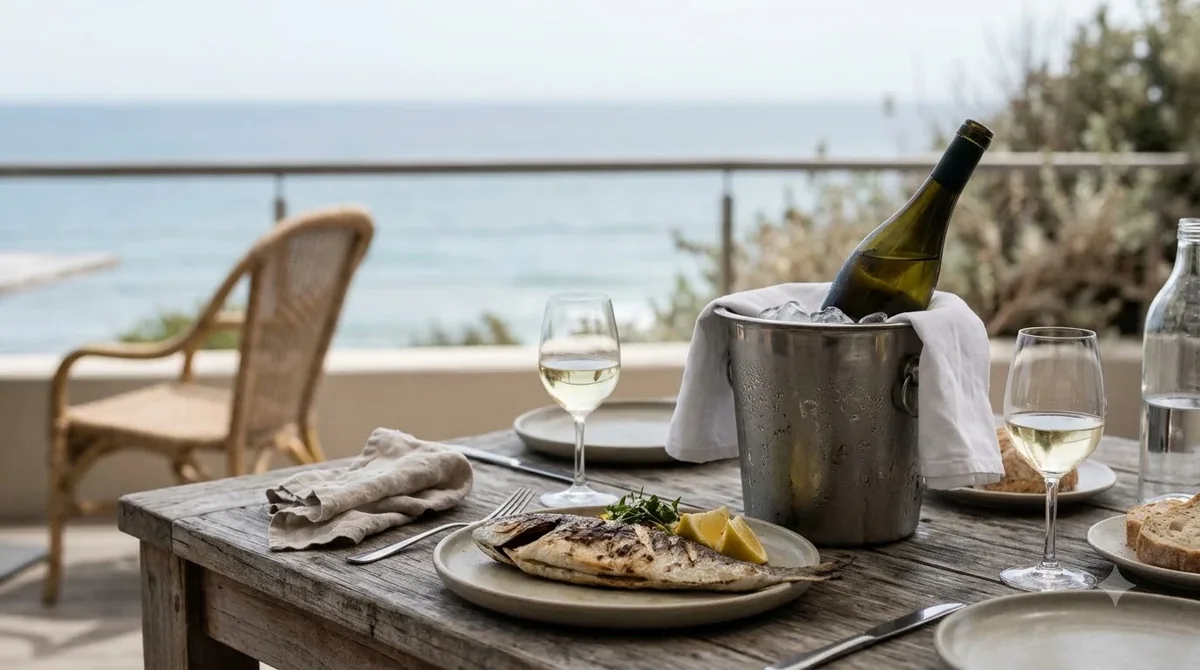
White Cassis is a natural choice for seafood. Its acidity and mineral character can complement oysters, grilled fish, shellfish, and fish soup. The local tourism office specifically highlights seafood as an ideal partner for the appellation’s whites. A chilled glass with simply prepared Mediterranean fish allows the wine’s citrus and saline impressions to complement rather than compete with the food.
Rosé is versatile with Provençal dishes. Consider grilled vegetables, tomato-based preparations, seafood salads, herbed chicken, or dishes featuring olives and garlic. Its freshness helps balance the richness of olive oil and the aromatic intensity of regional herbs.
Red Cassis can accompany grilled lamb, roasted vegetables, or dishes with Mediterranean spices. The more structured examples work particularly well with protein-rich foods and savory flavors. However, strongly tannic reds are less suitable for delicate oily fish, where their structure can overwhelm the food.
Festival food stands provide an opportunity to explore regional specialties in a casual setting. The municipality confirms that food stalls participate in the celebration after the blessing ceremony. Their precise offerings can vary, so visitors should approach the food program as an opportunity to discover what local vendors are serving rather than expect a fixed menu.
Beyond the festival, the harbor area offers restaurants where seafood and local wine can be enjoyed together. The village also has wine bars and specialty shops that provide opportunities to explore additional producers. A restaurant meal can be a useful second stage of the experience, particularly after comparing several wines during the afternoon.
For a deeper understanding of the region’s food and wine culture, consider visiting vineyards outside the main event. Cassis Tourisme identifies experiences including electric-bike rides through the vineyards, electric-buggy outings, sunset aperitifs, and tastings overlooking the sea. Its official Cassis vineyard visitor information describes the local estates and available wine-related experiences. These activities provide a different perspective from tasting in a busy public square.
Some producers offer visits and tastings at their estates, including Château de Fontcreuse, Domaine du Paternel, Domaine du Bagnol, Domaine Cassis Bodin, and Domaine La Dona Tigana. Availability, languages, appointment requirements, and tasting arrangements should be confirmed directly with the individual estate.
Planning a Wine Festival Trip to Cassis
A successful visit requires more than knowing the festival date. Plan transportation, accommodation, and winery appointments early, particularly if you want to combine the public celebration with vineyard visits and a longer stay in Provence.
Cassis is in the Bouches-du-Rhône department of southeastern France. Visitors arriving internationally can generally use Marseille Provence Airport as a regional gateway. Another option is to travel by train to Marseille Saint-Charles and continue toward Cassis by regional rail. From the station, additional local transportation is needed to reach the village center.
Driving is possible, but parking in a popular coastal destination can be difficult during busy periods. If you plan to taste wine, consider leaving the car at your accommodation or using suitable public transportation. A designated driver or prearranged transfer is a sensible choice for anyone planning several winery tastings.
Accommodation should be reserved with the festival period in mind. Cassis has a range of places to stay, but its small coastal setting means that popular dates can create pressure on available rooms. Staying within walking distance of the village center can make the experience easier, especially if the main purpose of the trip is the wine celebration.
It is also worth allowing time for attractions beyond the festival. The harbor is one of the village’s main landmarks, while Cap Canaille offers dramatic coastal views. The Calanques area provides opportunities for outdoor exploration, although access conditions and walking routes should be checked before setting out.
For a short visit, a practical schedule might look like this:
- Morning: Explore the historic center, walk toward the harbor, and enjoy a relaxed breakfast or coffee.
- Late morning: Arrive at Place Baragnon and become familiar with the festival layout and participating winegrowers.
- Afternoon: Attend the traditional ceremony, compare local wines, and sample regional food.
- Late afternoon: Walk through the village or arrange a separate winery appointment if available.
- Evening: Enjoy a seafood-focused dinner with a bottle of Cassis white wine at a local restaurant.
For a longer Provence itinerary, the Cassis celebration can be combined with visits to other wine destinations and regional events. Our Livermore wine festival article offers a useful comparison with an American wine-country celebration, while our Indiana wine festival coverage explores another regional approach to wine tourism. The Utah wine festival provides an additional example of how wine events reflect their local settings.
Most importantly, verify the annual program directly through the Cassis municipality or tourism office. Confirm the festival date, opening hours, location, transportation, and any advance registration requirements before finalizing your plans. This is especially important if you are traveling internationally and have limited flexibility.
Frequently Asked Questions
Is Cassis famous for its wine or its blackcurrant fruit?
Cassis is famous for both its wine appellation and its association with blackcurrant, although they are separate products. The French word cassis can refer to blackcurrant, which is used in drinks such as crème de cassis. The village’s AOC wine, however, is made from grapes grown in its designated vineyard area.
Does Cassis wine have an official French appellation classification?
Yes. Cassis has an Appellation d’Origine Contrôlée designation dating to May 15, 1936. Its protected geographical production requirements distinguish it from wines made elsewhere in Provence, even when those wines use similar grape varieties.
Can visitors buy bottles directly from Cassis wine estates?
Several local estates offer wine presentations, tastings, and direct sales. Availability depends on the producer and appointment arrangements. Visitors can ask about taking bottles home and the estate’s shipping options, particularly when traveling internationally.
Are Cassis wines suitable for aging?
Many Cassis whites are intended to be enjoyed relatively young, when their freshness and citrus character are prominent. However, some examples can develop additional roundness and complexity with age. The potential depends on the producer, vintage, grape composition, and storage conditions.
Is the Cassis wine festival different from the Vendanges Étoilées?
Yes. The Fête du Vin focuses on the local wine appellation, winegrowers, traditional blessing, and tastings. The Vendanges Étoilées is a separate gastronomic event associated with chefs, culinary demonstrations, pastry, and regional food producers. Both offer opportunities to discover local wines, but their main themes differ.
The Cassis wine festival offers an appealing introduction to one of Provence’s most distinctive coastal appellations. Its traditional ceremony, local producers, and relaxed village setting make it particularly rewarding for travelers interested in wine and regional culture. Add a vineyard visit and a seafood meal to your itinerary, and you can experience much more than a single afternoon of wine tasting.
More in Wine Regions
 Willcox Wine Trail: Discover Arizona’s High-Elevation Wine CountryUpdated Nov 20, 2026
 Yakima Valley Wine Region: Find the Best Styles to TryUpdated Nov 20, 2026
 Vosne Romanee Wine Tasting: Identify Aromas and Choose Better PairingsUpdated Nov 20, 2026
 Yakima Valley Wine Festival: Find the Best Seasonal Wine EventsUpdated Nov 20, 2026
 Wales Vineyards: Discover Cool-Climate Wines and Where to VisitUpdated Nov 20, 2026
 Yountville Wine Festival: Discover Napa Wines and Local FoodUpdated Nov 20, 2026