

We may earn a commission when you buy through links on this page, at no extra cost to you. Learn more.
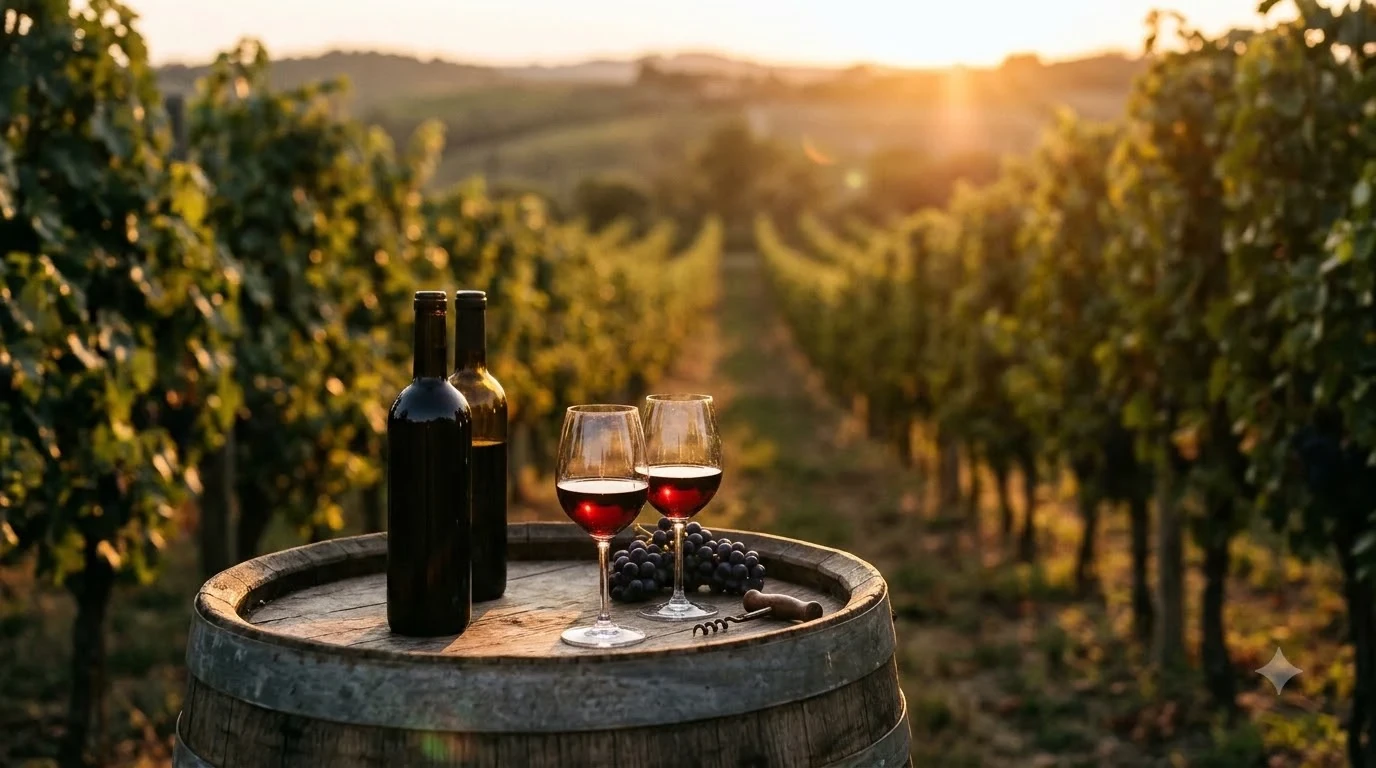
Casablanca Valley wineries sit along a cool, foggy stretch of Chile’s Valparaíso Region, about 75 km northwest of Santiago, and most visitors come for crisp white wines and a few cool-climate Pinot Noirs. The valley’s wineries are easy to reach from Santiago and Valparaíso along Route 68, and many visits pair a tasting with a view of the vineyards. Because the valley is relatively young as a wine region, its visitor scene is quieter and more personal than in the better-known Chilean valleys.
This guide explains what the Casablanca Valley wine area looks like from a visitor’s point of view, how the landscape and climate shape what you taste at each stop, and how to plan a day of visits without rushing between estates.
Getting to the Valley
Casablanca Valley lies in Chile’s Valparaíso Region, roughly 75 km northwest of Santiago. The commune of Casablanca sits on Route 68, the main road that links Santiago and Valparaíso, so most visitors reach the wine area by car or by private transfer from the capital. The valley’s profile describes the area as a cool, maritime wine district. The drive gives you a sense of the valley’s geography, since the land changes from city outskirts to rolling hills and open vineyards within a short distance.
The valley stretches about 30 km from east to west. That east-west spread matters for a visit, because vineyards closer to the Pacific Ocean feel noticeably cooler and foggier than those farther inland. When you plan your route, consider starting nearer the coast in the morning, when the fog is most likely, and moving inland as the day warms.
What Makes the Valley’s Wineries Different
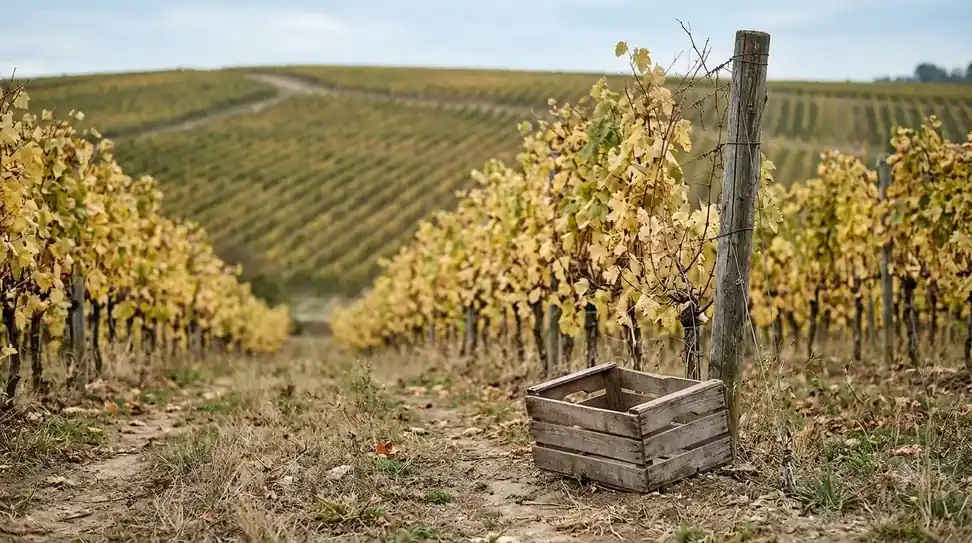
Casablanca Valley’s wineries share a climate that few other Chilean regions can match. Cool Mediterranean weather with a strong maritime influence brings morning fog and extra cloud cover, which keeps the grapes cool through the growing season. The soils are a mix of clay and sand. These conditions give the region’s wines their signature freshness and make the valley a favorite for cool-climate whites.

Visitors notice this in the tasting room. Whites tend to show bright acidity and aromatic character, while reds are more restrained and often lighter in body than wines from warm inland valleys. Some wineries lean into this identity, while others produce a broader range that includes richer styles made from the same cool site.
The valley’s vineyards are also young in historical terms. Vines were first planted there in the mid-1980s, during a period when Chile’s wine industry was being revitalized. That recent start means many estates are still shaping their own identity, and visitors often see a mix of older vineyard blocks and newer plantings that show how growers have learned the site over time.
Wine Styles to Look for at the Estates
Chardonnay, Pinot Noir and Sauvignon Blanc are the primary grapes grown across the valley, so you will see them on most tasting lists. Sauvignon Blanc is the most recognized white, with aromas often described as citrus, green herbs and tropical fruit. Chardonnay appears in both crisp, unoaked styles and richer versions with more texture. Pinot Noir is the valley’s main red, and it tends to show red fruit and freshness.
Pinot Noir in particular suits this kind of site, since it prefers cool, long growing seasons, as Wine Folly’s Pinot Noir guide explains. Some wineries also produce Merlot, Syrah, Gewürztraminer, Riesling, Viognier or Pinot Gris. These wines are less common on tasting menus but can be a good way to explore beyond the core varieties. If a winery offers a flight, ask the staff which bottles come from the cooler parts of the valley, since this often explains the difference in acidity and aroma you will taste.
| Visit style | Best for | What to expect |
|---|---|---|
| Tasting room visit | Trying the core white varieties | Short, focused tastings |
| Vineyard tour | Understanding the climate and soils | Walking through rows and talking about the site |
| Food-focused stop | Pairing wines with a meal | Longer visit, often with lunch |
| Full-day visit | Comparing sites across the valley | Several stops with travel time between them |
Tip: Ask whether a winery is open to visitors without an appointment. Policies differ, and many small estates prefer that you book ahead so they can host you properly.
How to Plan a Day of Visits
A good Casablanca Valley day is built around distance and timing rather than the number of stops. Because the valley is spread out and travel between sites takes time, two or three wineries in one day is a realistic goal. Choose stops that offer different experiences, such as one tasting room, one vineyard walk and one meal, so the day has variety.
Plan to leave Santiago early if you want a full day, or consider staying overnight in the area if you want a slower pace. Many visitors pair a wine visit with a trip to Valparaíso, the city the same road leads to, which offers a very different atmosphere. Keep in mind that driving after tasting is unsafe, so arrange a driver or a transfer in advance.
What to Ask When You Arrive
A useful visit depends on a few good questions. Ask which vineyard sites contribute to a wine and how close they sit to the coast. Ask how the vintage’s weather affected the fruit, since cool years and warmer years can produce noticeably different wines. Ask whether the winery produces a particular white in both oaked and unoaked versions, which will help you understand the style.
Staff at good tasting rooms are generally happy to explain their wines, especially when guests show real interest. Taking notes on the wines you like helps you remember names and styles, which is useful if you want to buy bottles later or look for the same producer at a shop back home.
Practical Tips for a Relaxed Visit
Dress for a changing climate. Mornings near the coast can be cool and foggy, while afternoons inland may be warmer and brighter. Bring a light layer and sunscreen, and wear comfortable shoes if you plan to walk through vineyards.
Eat something before you start tasting and drink water between pours. Pour sizes at tasting visits are small, but several tastings in a row add up quickly. If you want to compare the valley with another region, you may find the anderson valley wine tasting guide useful for understanding how a cool-climate US region approaches visitors.
Frequently Asked Questions
How far is Casablanca Valley from Santiago?
The valley lies roughly 75 km northwest of Santiago, in Chile’s Valparaíso Region. Traffic on the road can vary, so allow extra time when you plan your schedule around the trip.
Do I need an appointment to visit a winery in Casablanca Valley?
It depends on the estate. Some wineries welcome visitors without an appointment, while many smaller properties prefer that guests book ahead. Check the winery’s website or contact it before you travel.
What is the best time of day to visit the valley’s wineries?
Midday to afternoon visits are popular because the weather is usually pleasant and the vineyards are easy to see. Coastal sites can be foggy in the morning, so some visitors prefer to start inland and move toward the coast later in the day.
Which wines should I try first at a Casablanca Valley winery?
Start with a Sauvignon Blanc or a Chardonnay, since the valley is best known for these whites. Then compare a Pinot Noir to see how the same cool climate shapes a red wine.
Casablanca Valley wineries reward a slower visit with clear views of how climate and landscape shape a wine. Pick two or three estates that interest you, plan your route around the coastal fog, and leave time to talk with the people pouring the wine. For more on the region itself, read the casablanca valley wine guide, or the broader Wine Regions overview.
More in Wine Regions
 Willcox Wine Trail: Discover Arizona’s High-Elevation Wine CountryUpdated Nov 20, 2026
 Yakima Valley Wine Region: Find the Best Styles to TryUpdated Nov 20, 2026
 Vosne Romanee Wine Tasting: Identify Aromas and Choose Better PairingsUpdated Nov 20, 2026
 Yakima Valley Wine Festival: Find the Best Seasonal Wine EventsUpdated Nov 20, 2026
 Wales Vineyards: Discover Cool-Climate Wines and Where to VisitUpdated Nov 20, 2026
 Yountville Wine Festival: Discover Napa Wines and Local FoodUpdated Nov 20, 2026