

We may earn a commission when you buy through links on this page, at no extra cost to you. Learn more.
Anderson Valley wine tasting centers on cool-climate Pinot Noir and sparkling wine, poured at a set of wineries in western Mendocino County that sit within about 10 to 15 miles of the Pacific Ocean. The American Viticultural Area is small enough to explore in a day, and its tasting rooms reflect a coastal climate with wide daily temperature swings. This guide explains what makes the valley distinctive, which styles to taste, and how to plan a visit that gives you a balanced picture of the region.
Visitors who come to Anderson Valley for the first time often expect a typical California wine trip, with big reds and crowded tasting bars. The valley offers something different. Its vineyards are cooler, its wines tend to be more restrained, and its tasting rooms often feel quieter than those in the warmer inland areas. Knowing a little about the geography and grape mix makes the day more rewarding and helps you choose which pours to prioritize.
Where Anderson Valley Sits
Anderson Valley lies in western Mendocino County, California, mostly along the watershed of the Navarro River. According to the Wikipedia entry on the Anderson Valley AVA, the appellation covers about 57,600 acres and was established in 1983 as a sub-appellation of the larger Mendocino AVA. That designation means that wines labeled with the Anderson Valley name must meet the appellation’s origin rules, which gives visitors a clear way to recognize the region’s wines on a shelf.
The valley’s position shapes almost everything about its wines. It sits roughly 10 to 15 miles from the Pacific, and the marine influence keeps the growing season cool. Days can still be warm, but nights are cool, and the daily temperature range is large. That combination helps grapes hold acidity while they ripen, which is one reason the region has built its reputation on Pinot Noir and sparkling wine.
Why Pinot Noir Leads the Valley
Pinot Noir is the variety most closely associated with Anderson Valley, and it is the first style many visitors come to taste. The grape thrives in cool conditions and can show a wide range of expression depending on the site and the winemaking choices. Wine Folly’s Pinot Noir guide describes the grape as light to medium-bodied, with lower tannins and high acidity, and it notes flavors of ripe cherry, raspberry, and forest floor.
Within a single tasting room you may find several Pinot Noirs from different vineyard blocks or clones. Tasting them side by side reveals how small changes in slope, exposure, and fog cover can alter the wine. Ask your pourer which vineyard each bottle comes from, because that answer often explains more about the valley than any general description.
Oak use also varies. Some producers age their Pinot Noir in neutral barrels to keep the fruit forward, while others use a higher share of new oak for a more layered texture. Neither approach is better in general, and tasting a few examples helps you decide which style suits your palate.
Sparkling Wine and Chardonnay
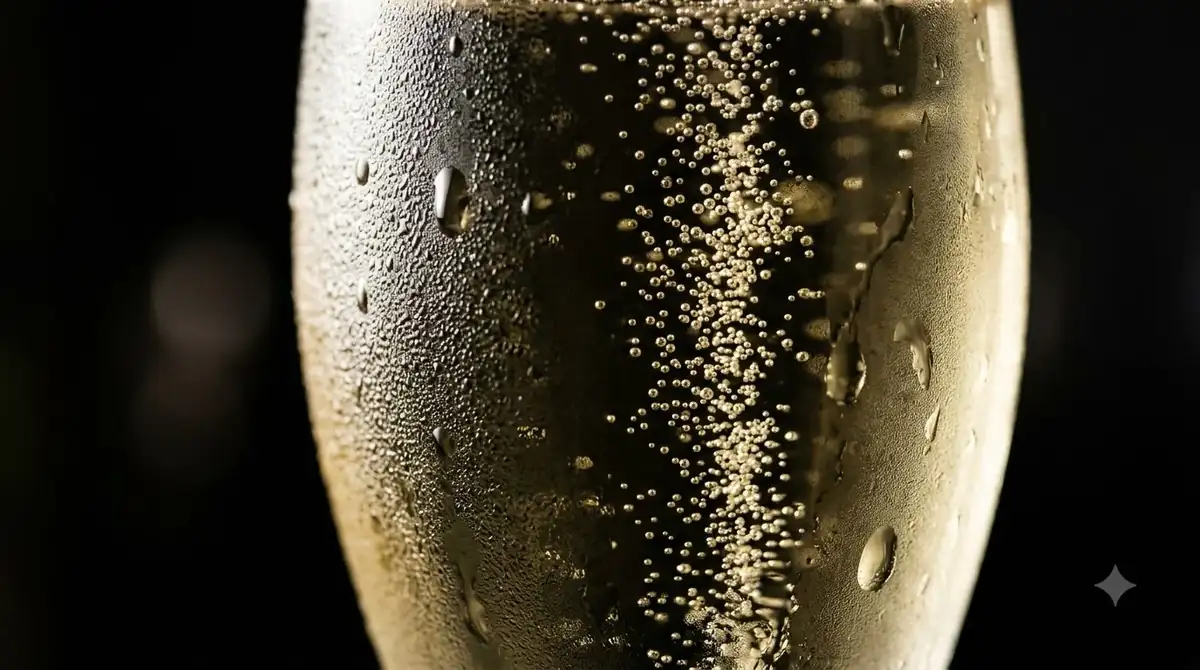
Sparkling wine is the second pillar of the valley’s identity. Traditional-method sparkling wines made from Pinot Noir and Chardonnay are common, and they often show crisp acidity and fine bubbles. Wine Folly notes that Pinot Noir is one of the three grapes used in traditional Champagne, alongside Chardonnay and Pinot Meunier, and it adds red fruit notes such as strawberry and raspberry. Tasting a sparkling wine from the valley next to a Pinot Noir shows how the same grape can behave in very different ways.
Chardonnay also has a place on many tasting menus. The valley’s cool nights help preserve acidity in the fruit, so the whites tend to be leaner than the rich, buttery styles found in warmer regions. Visitors who prefer lighter wines often find these bottles a welcome change of pace. For a comparison with another cool-climate white style, the Gavi wine tasting guide covers a very different approach to crisp white wine.
Other Varieties in the Valley
The valley’s Wikipedia entry lists a broader range of grapes grown in the appellation, including Gewurztraminer, Pinot blanc, Pinot gris, Riesling, Sauvignon Blanc, Semillon, and Syrah. The area’s cool climate suits several white varieties, and an annual Alsatian wine festival showcases local Riesling and Gewurztraminer. Visitors who enjoy aromatic whites should ask whether a winery produces these styles before they plan a stop.
Syrah and other reds appear in smaller quantities, and they give visitors a useful comparison with the valley’s Pinot Noir. A flight that includes both can show how the region’s climate shapes red wine style.
Planning a Tasting Route
The valley is spread out, so a good plan limits the number of stops and leaves time to enjoy the drive. Wikipedia reports that 28 wineries sit within the AVA as of 2025, and another 32 source grapes from its vineyards while operating outside it. With that many options, choosing three or four tasting rooms that match your interests is usually more satisfying than trying to see everything in one afternoon.
The table below compares common tasting formats. Hours, reservation rules, and tasting fees change, so confirm current details with each winery before you go.
| Tasting format | What to expect | Best for |
|---|---|---|
| Walk-in bar pour | Quick sampling of current releases at the counter | First visits and short stops |
| Seated flight | A set lineup of wines with a host who explains each one | Comparing vineyard sites and styles |
| Vineyard tour and tasting | A walk through the vines followed by a tasting | Understanding the valley’s growing conditions |
| Sparkling or reserve tasting | Bottles from the cellar or sparkling wines poured in sequence | Special occasions and experienced tasters |
Tip: Visit in the morning if you want quieter rooms, and keep the afternoon for a single longer stop. Assign a designated driver or book a tour, since rural roads are winding.
How to Taste Pinot Noir Well
Serving temperature changes how a Pinot Noir tastes. Wine Folly advises serving the grape slightly cooler than room temperature, around 55 to 60 degrees Fahrenheit, and recommends an aroma-collector glass. Pourers in the valley often serve their reds at a similar temperature, so the wine has time to show its aromas without tasting flat or warm.
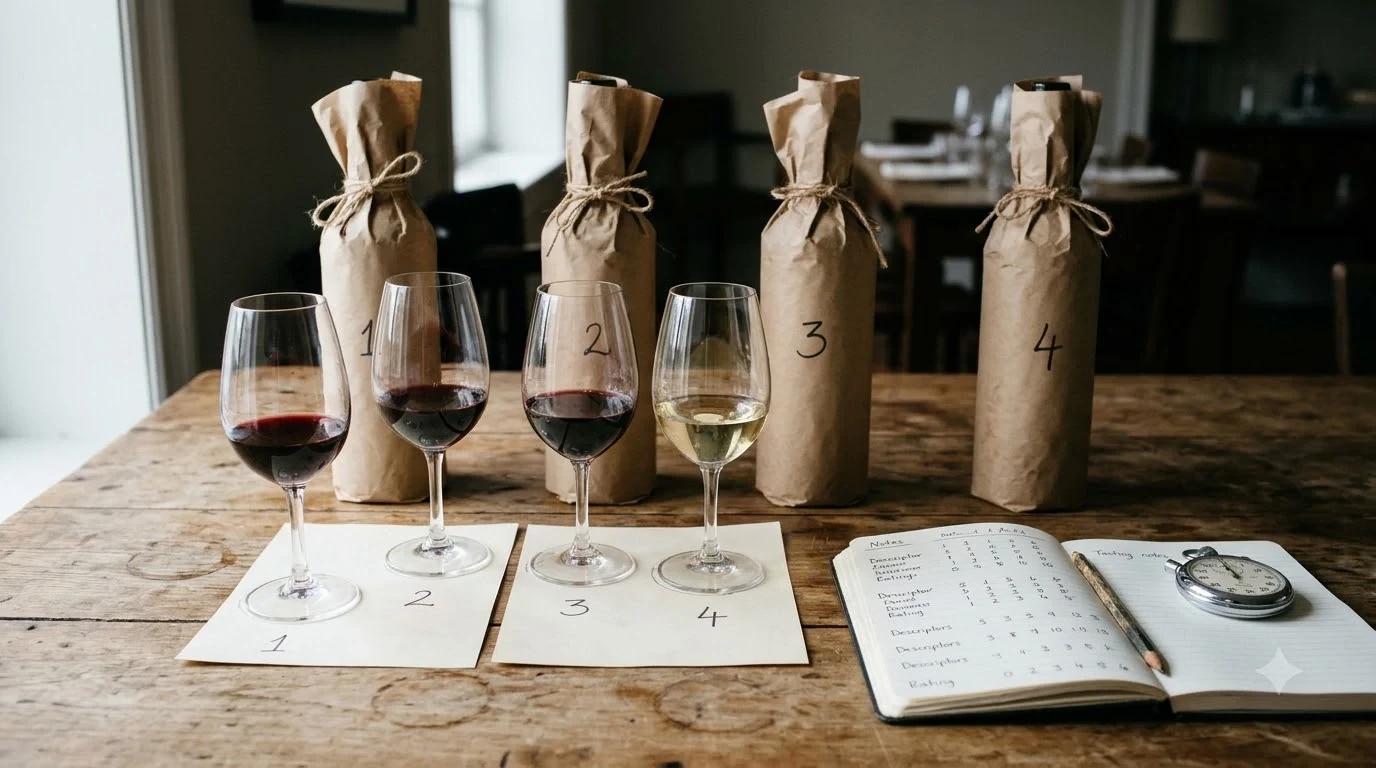
Start with the lightest wine on your list and move toward the more structured bottles. Notice the balance between fruit and acidity, and pay attention to the finish. A Pinot Noir with bright acidity may feel lively on the palate, while a riper example may show more depth through the middle of the sip.
Spit the wine if you plan to drive. Water and simple snacks between pours help the palate reset, and a relaxed pace keeps the tasting enjoyable for the whole day.
Frequently Asked Questions
What is Anderson Valley best known for?
Anderson Valley is best known for Pinot Noir and sparkling wine. The cool coastal climate, with wide daily temperature swings, supports these styles, and the valley also grows several white varieties.
How many wineries are in Anderson Valley?
According to Wikipedia, 28 wineries were located within the AVA as of 2025, and 32 more source grapes from its vineyards while operating outside the appellation. Check a current list before you plan your route.
Is Anderson Valley good for a first wine tasting trip?
It can be, especially for visitors interested in cool-climate wines. The valley is compact, and its tasting rooms often offer a clear view of the region’s core styles, so a small number of well-chosen stops works well.
Should I book a tasting in advance?
Policies vary by winery. Walk-in bar pours are common, but seated flights, tours, and reserve tastings often need a reservation. Confirm the current policy with each winery before you travel.
Anderson Valley rewards visitors who pay attention to climate and site as much as to the label. To see how this region compares with other wine areas, read the wine regions guide, which explains how cool and warm climates shape the wines on a tasting list. Travelers who also plan a trip to Spain can compare the valley with the Rioja wine tasting experience.
More in Wine Regions
 Willcox Wine Trail: Discover Arizona’s High-Elevation Wine CountryUpdated Nov 20, 2026
 Yakima Valley Wine Region: Find the Best Styles to TryUpdated Nov 20, 2026
 Vosne Romanee Wine Tasting: Identify Aromas and Choose Better PairingsUpdated Nov 20, 2026
 Yakima Valley Wine Festival: Find the Best Seasonal Wine EventsUpdated Nov 20, 2026
 Wales Vineyards: Discover Cool-Climate Wines and Where to VisitUpdated Nov 20, 2026
 Yountville Wine Festival: Discover Napa Wines and Local FoodUpdated Nov 20, 2026