

We may earn a commission when you buy through links on this page, at no extra cost to you. Learn more.
Casablanca Valley wine comes from a cool coastal region in Chile, about 75 km northwest of Santiago, where morning fog from the Pacific shapes crisp white wines and a more delicate style of Pinot Noir. The valley is best known for Sauvignon Blanc and Chardonnay, and it is one of the country’s main sources of cool-climate wines. Its style differs sharply from the warm inland valleys that many people picture when they think of Chilean wine.
This guide covers where Casablanca Valley is, what its climate does to its grapes, which wine styles to expect, and how to choose and serve a bottle. It is written for anyone who wants to understand what makes this region different and why its wines often taste fresher than those from warmer parts of the country.
Where Casablanca Valley Sits
Casablanca Valley is a wine region in Chile’s Valparaíso Region, roughly 75 km northwest of Santiago. The valley takes its name from the commune of Casablanca, which sits along Route 68, the main road between Santiago and Valparaíso. The valley stretches about 30 km from east to west, which means that vineyards sit at different distances from the Pacific Ocean. The commune itself was founded in 1753, long before the valley became known for wine.
Wine production in the valley is much newer than the commune’s history. Vines were first planted in the mid-1980s, when Chile’s wine industry was being revitalized and producers began looking for cooler sites that could support fresher white wines. That timing explains why the valley’s identity is built around cool-climate varieties rather than the heavier reds that dominate some other Chilean regions.
Climate and Soils That Shape the Wine
The valley has a cool Mediterranean climate with a strong maritime influence. Pacific Ocean air brings cool morning fog and extra cloud cover, which keeps temperatures lower than in inland areas. Annual rainfall is modest, at around 540 mm, and the soils are a mix of clay and sand. This combination slows ripening, which helps grapes keep their acidity and aromatic character.
For a wine drinker, the practical result is a style with bright acidity and lighter body than the same grape grown in a warmer region. Whites often taste fresh and citrus-driven, while reds tend to be more restrained. Growers in the valley have to manage fog and cool weather carefully, so vintage conditions matter more here than in a warm, dry valley where ripening is more predictable.
| Factor | What it does in Casablanca Valley | What you taste |
|---|---|---|
| Pacific fog and cloud | Keeps daytime heat in check | Bright acidity and freshness |
| Cool Mediterranean climate | Allows slow, even ripening | Aromatic whites and restrained reds |
| Clay and sandy soils | Support vine growth in cool conditions | Structure and texture in the wine |
| Coastal location | Creates temperature swings | Complexity without heavy alcohol |
Grape Varieties and Wine Styles
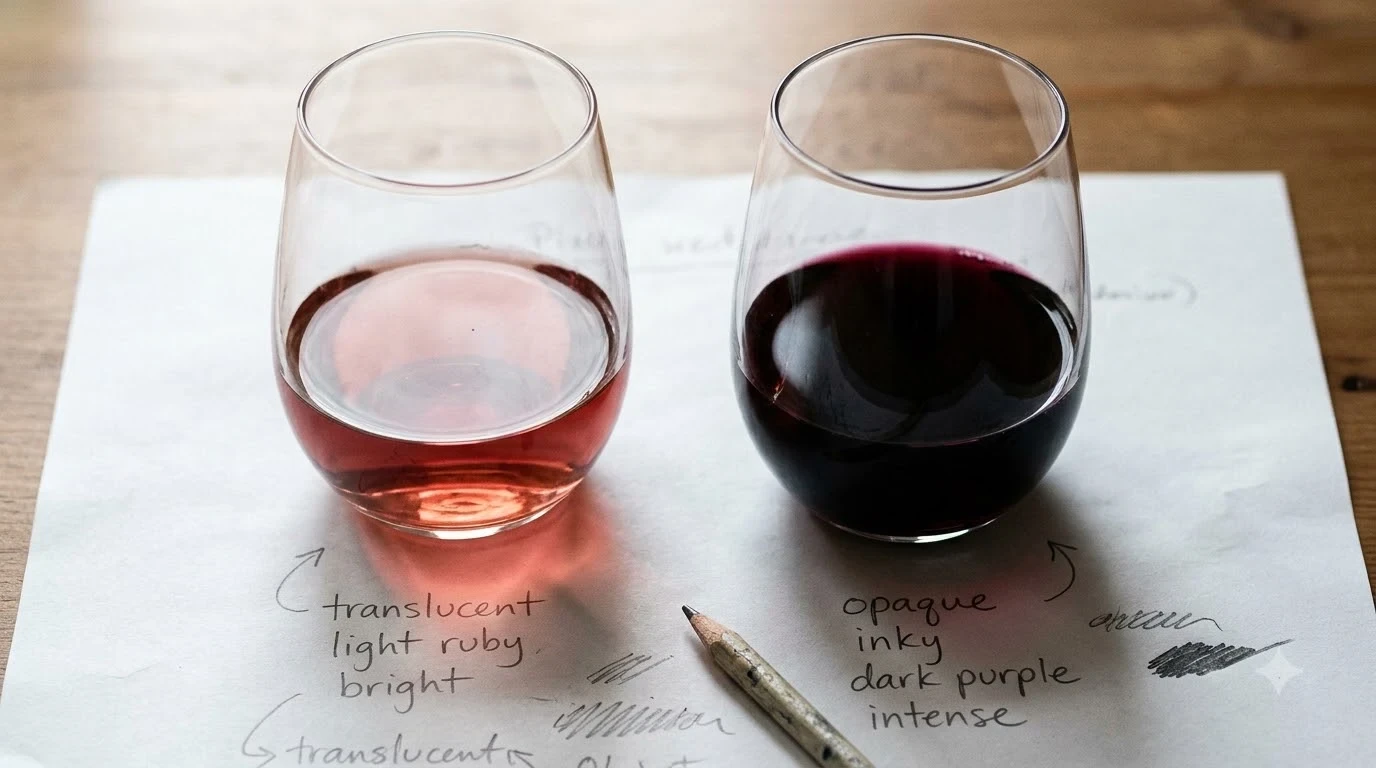
Chardonnay, Pinot Noir and Sauvignon Blanc are the primary grapes planted in Casablanca Valley. Sauvignon Blanc is the valley’s most recognized white, with aromas that often lean toward citrus, green herbs and tropical fruit. Chardonnay ranges from crisp, unoaked styles to richer wines with more texture. Pinot Noir does well in the valley’s cooler conditions and tends to show red fruit, freshness and a light to medium body.
The region also grows Merlot, Syrah, Gewürztraminer, Riesling, Viognier and Pinot Gris. Syrah and Merlot add depth to the red side of the portfolio, while Gewürztraminer and Riesling bring floral, aromatic styles to the white range. Because the valley is known mainly for whites, the best place to start a tasting is often with a Sauvignon Blanc or a Chardonnay, then move to a Pinot Noir for comparison.
How to Choose a Bottle
When you choose a Casablanca Valley wine, start with the grape and the style you prefer. If you enjoy crisp, dry whites, look for Sauvignon Blanc. If you want a rounder white, Chardonnay gives you more choice, since winemakers may use oak or leave the wine unoaked. For red drinkers who like lighter styles, Pinot Noir from a cool site tends to show the valley’s signature freshness.
Vintage matters more in a cool region than in a warm one. Because fog and cloud can slow ripening, a cool season can produce wines that are lighter and more acidic, while a warmer season can give fuller fruit. If you have a favorite producer, compare vintages when you can, since the difference between two years may be as noticeable as the difference between two grapes.
Read the back label for the grape and the vintage, and note any reference to the valley’s cool-climate character. Because Casablanca Valley has a relatively small wine identity compared with the best-known regions, a short tasting list from a shop or a sommelier can help you find a style that matches your taste. Staff at a wine shop can also explain how a vintage’s weather affected the wine.
How to Serve Casablanca Valley Wines
Serving temperature changes how a wine tastes, so it is worth paying attention to. Pinot Noir is best served slightly cool, with a common recommendation of about 55 to 60 degrees Fahrenheit (12 to 15 degrees Celsius). Wine Folly’s guide to Pinot Noir suggests this range, along with an aroma collector glass that concentrates the scent. Young Pinot Noir also benefits from decanting for about 30 minutes, which softens its initial aromas. Wine Folly’s Pinot Noir guide is a useful reference for this style.
Whites from the valley are typically served chilled but not icy. A slightly cooler temperature keeps their acidity fresh, while a little warmth lets their fruit and texture show. If you open a richer Chardonnay, let it sit for a few minutes before pouring so that the aromas can develop.
Pairing Casablanca Valley Wine With Food
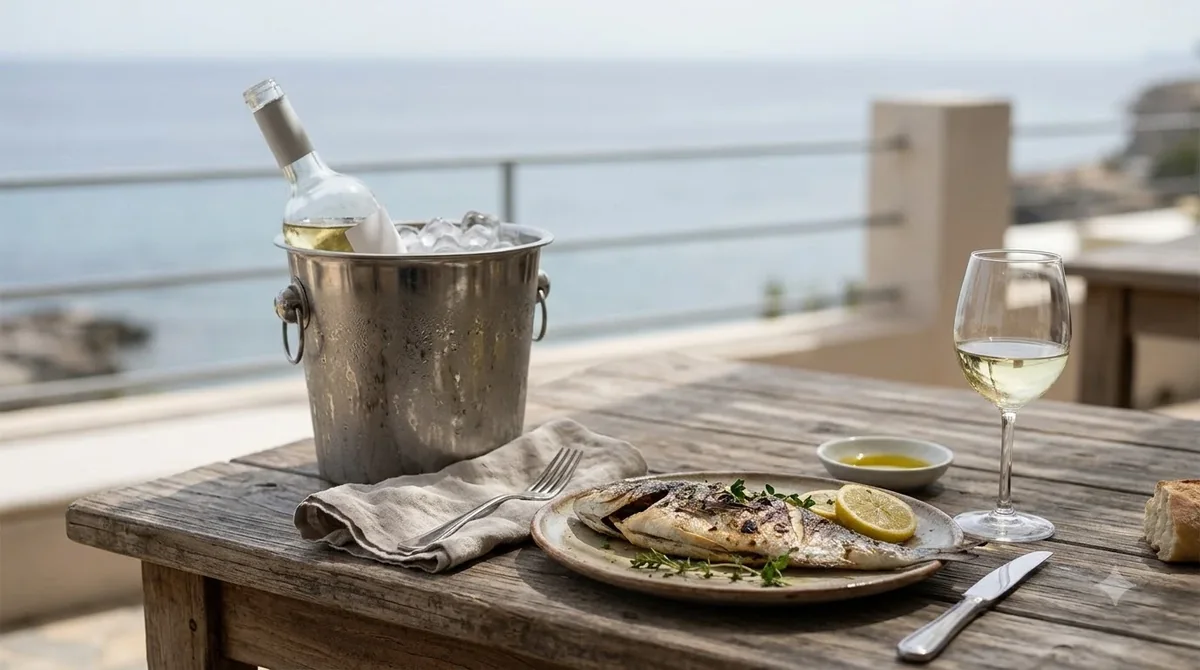
The valley’s bright acidity makes its whites flexible at the table. Sauvignon Blanc pairs well with seafood, fresh salads and goat cheese, where its acidity can cut through richness. Chardonnay with more texture works with roasted chicken, creamy pasta and dishes with a little butter or cream. Pinot Noir from the valley is a good match for roasted salmon, mushrooms and poultry, since its red fruit and moderate tannins do not overpower lighter foods.
When pairing, think about the wine’s weight and acidity as well as its flavor. A crisp wine suits a light dish, while a richer Chardonnay or Pinot Noir can stand up to heartier preparations. A good rule is to match the wine’s body to the food’s body and let the acidity handle any richness.
Frequently Asked Questions
Is Casablanca Valley known for red or white wine?
Casablanca Valley is known mainly for white wines, especially Sauvignon Blanc and Chardonnay. Pinot Noir is the region’s main red variety and does well in its cool climate, but whites define the valley’s reputation.
Why does Casablanca Valley wine taste fresher than wine from other Chilean regions?
Pacific fog and cool Mediterranean weather slow ripening, which helps grapes keep their acidity and aromatic character. Many inland Chilean valleys are warmer and drier, which tends to produce riper, heavier wines.
What grapes are grown in Casablanca Valley?
The main varieties are Chardonnay, Pinot Noir and Sauvignon Blanc. The valley also grows Merlot, Syrah, Gewürztraminer, Riesling, Viognier and Pinot Gris, which gives the region a broader range than its reputation suggests.
How should I serve a Casablanca Valley Pinot Noir?
Serve it slightly cool, around 55 to 60 degrees Fahrenheit, and use a glass that concentrates aroma. Decanting a young bottle for about 30 minutes can soften its first aromas before you pour.
Casablanca Valley wine rewards curiosity. Start with a Sauvignon Blanc or Chardonnay to understand the region’s freshness, then compare a Pinot Noir to see how the same climate shapes a red. For a broader view of how wine regions differ, the Wine Regions guide places Casablanca alongside other areas, and the casablanca valley wineries guide explains where to visit if you plan a trip.
More in Wine Regions
 Willcox Wine Trail: Discover Arizona’s High-Elevation Wine CountryUpdated Nov 20, 2026
 Yakima Valley Wine Region: Find the Best Styles to TryUpdated Nov 20, 2026
 Vosne Romanee Wine Tasting: Identify Aromas and Choose Better PairingsUpdated Nov 20, 2026
 Yakima Valley Wine Festival: Find the Best Seasonal Wine EventsUpdated Nov 20, 2026
 Wales Vineyards: Discover Cool-Climate Wines and Where to VisitUpdated Nov 20, 2026
 Yountville Wine Festival: Discover Napa Wines and Local FoodUpdated Nov 20, 2026