

We may earn a commission when you buy through links on this page, at no extra cost to you. Learn more.
Carignan tasting notes typically feature blackberry, black cherry, raspberry, plum, black pepper, dried herbs, and earthy spice, supported by fresh acidity and firm tannins. This dry red wine grape produces medium- to full-bodied wines with deep color, noticeable structure, and a savory character. Depending on vine age, growing region, and winemaking, Carignan can taste rustic and concentrated or fresh, juicy, and approachable.
Carignan is a Mediterranean red grape with roots in northeastern Spain and a long history in southern France. Once associated with high-volume production, it has gained renewed attention through old-vine vineyards and more careful winemaking. Understanding its fruit flavors, tannin structure, acidity, and regional differences makes it easier to recognize a good bottle and find the right food pairing.
Primary Carignan Tasting Notes: Fruit, Herbs, and Spice
Carignan typically offers a combination of dark fruit, red berries, savory herbs, and warm spices. Blackberry, black cherry, plum, and raspberry provide the main fruit profile, while pepper, licorice, and earthy notes add complexity.
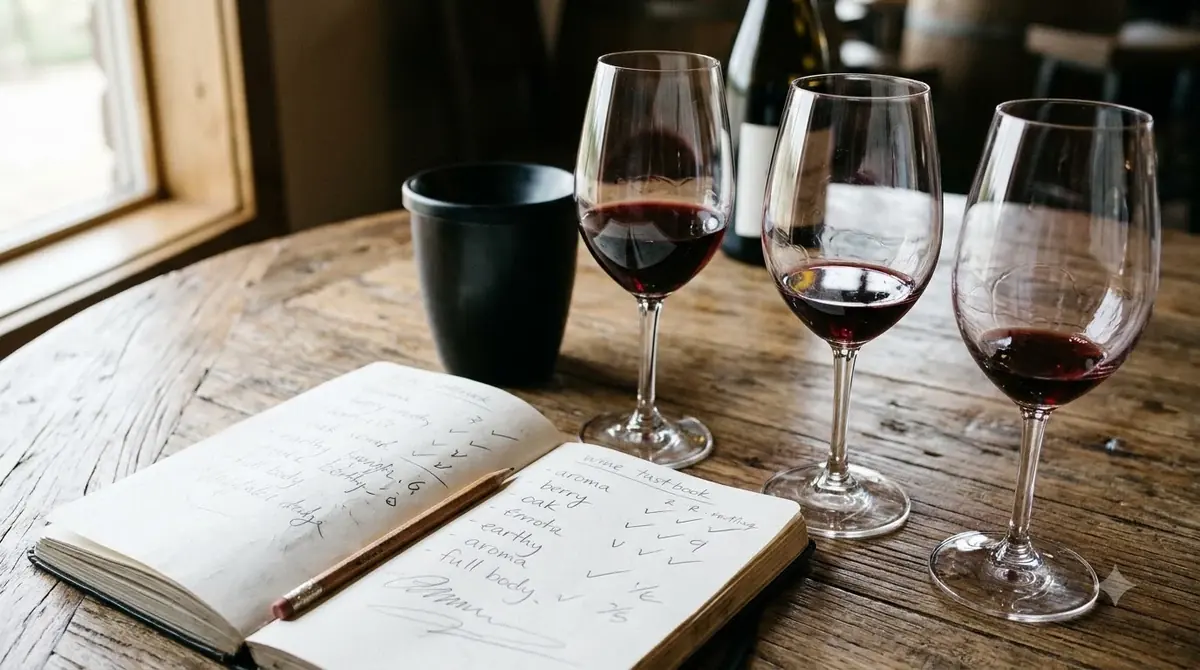
The exact balance depends on ripeness and growing conditions. Carignan harvested at moderate ripeness can retain bright red-fruit flavors, including tart cherry and cranberry. Grapes picked at greater maturity often produce richer flavors of blackberry, black plum, and dried fruit. These differences explain why two wines made from the same grape can have noticeably different personalities.
Common aromas and flavors include:
- Blackberry: A concentrated dark-fruit aroma that can resemble fresh berries or blackberry preserves.
- Black cherry: A mixture of ripe fruit sweetness and a slightly tart finish.
- Raspberry and cranberry: Brighter red-fruit notes that are particularly noticeable in fresher styles.
- Plum and prune: Ripe, rounded fruit flavors that become more prominent in warmer growing conditions.
- Black pepper: A savory spice characteristic that contributes to the wine’s Mediterranean personality.
- Licorice: A subtle herbal sweetness that can appear alongside dark fruit.
- Dried herbs: Notes reminiscent of thyme, rosemary, and other Mediterranean herbs.
- Earth and leather: Savory characteristics that may become more noticeable in mature or oak-aged wines.
Some bottles also show tobacco, smoke, cocoa, or cured-meat aromas. These characteristics are not guaranteed features of the grape. They depend on vineyard conditions, fermentation, oak exposure, and bottle development.
On the palate, Carignan generally starts with noticeable fruit, develops a firm middle, and finishes with persistent acidity and tannin. The combination creates a wine that feels structured rather than soft or sweet. A well-balanced example should allow the fruit to remain expressive without being overwhelmed by bitterness or excessive astringency.
Acidity, Tannins, Body, and Alcohol
Carignan is naturally high in acidity and tannin, although finished wines can range from medium-bodied and relatively approachable to powerful and full-bodied. Its structure is one of the grape’s most recognizable features.
Acidity gives Carignan its fresh, mouthwatering character. Even when the fruit tastes ripe, the wine can maintain a lively finish that makes another sip appealing. This freshness is particularly useful in warm Mediterranean climates, where some red grapes can produce wines that feel heavy or overly soft.
Tannins create a drying sensation along the gums and inside the cheeks. In traditionally made Carignan, they can feel firm, rustic, or slightly coarse, especially when the fruit is not fully ripe or the extraction is aggressive. Better-balanced examples combine ripe tannins with concentrated fruit and enough acidity to maintain definition.
The following table summarizes a practical tasting profile. These are representative characteristics rather than fixed laboratory measurements.
| Characteristic | Typical profile | What to expect |
|---|---|---|
| Color | Deep ruby to garnet | Strong red-purple pigmentation |
| Sweetness | Dry | Little or no noticeable residual sweetness |
| Acidity | High | Fresh, mouthwatering finish |
| Tannins | Medium to high | Noticeable drying grip |
| Body | Medium to full | Moderate to substantial palate weight |
| Alcohol | 13.5–15% ABV | Potential warmth in ripe examples |
| Primary fruit | Blackberry, cherry, plum | Dark and red berry character |
| Secondary flavors | Pepper, licorice, herbs | Savory and spicy complexity |
| Finish | Medium to long | Fruit, spice, acidity, and tannin |
The French wine organization Vin De France describes Carignan as a dry, medium-bodied wine with medium-high acidity, medium tannins, and a typical alcohol range of 13.5–15% ABV. However, concentrated old-vine examples can feel considerably more powerful than this general profile suggests. Its Carignan grape variety profile also explains how yield control and carbonic maceration influence the finished wine.
Alcohol warmth also varies with climate and harvest decisions. Grapes grown in hot regions can accumulate substantial sugar before fermentation, potentially producing higher-alcohol wines. When alcohol, fruit concentration, and tannins are balanced, the wine feels generous rather than hot.
For a useful comparison, Grenache tasting notes generally emphasize ripe strawberry, raspberry, and warm spice, often with softer tannins. Carignan usually brings more pronounced acidity and a firmer structural impression.
How Carignan Changes Across Growing Regions
Carignan grows successfully in several Mediterranean and warm-climate regions, but the most recognizable expressions come from southern France, northeastern Spain, Chile, and California. Climate, elevation, soil, and vine age influence whether the wine emphasizes fresh berries, concentrated dark fruit, or savory complexity.
Languedoc and Roussillon, France
Southern France has historically been one of Carignan’s most important growing areas. Languedoc and Roussillon are particularly associated with the variety, where warm, sunny conditions help the late-ripening grapes reach maturity.
French Carignan commonly shows blackberry, black cherry, plum, and pepper. Depending on the vineyard and winemaking, additional notes can include dried herbs, leather, toasted bread, and grilled almonds. Wines from carefully managed vineyards often have a more concentrated fruit profile and softer tannins than high-yielding examples.
Carignan is also an important blending grape in the region. Its acidity, color, and tannin structure complement Grenache, Syrah, and Mourvèdre. In blends, it can provide freshness and backbone to fruitier varieties.
Priorat and Catalonia, Spain
In Spain, Carignan is commonly called Cariñena or Samsó, depending on the region. Priorat is particularly associated with concentrated examples made from old vines growing on steep hillsides.
The area’s distinctive llicorella soils consist largely of schist, with limited water retention and relatively low nutrient availability. These conditions, combined with old bush vines and naturally restricted yields, can produce wines with concentrated dark fruit, firm tannins, mineral impressions, and substantial length.
Spanish examples may show black cherry, blackberry, licorice, dried herbs, and earthy spice. Some are powerful and structured, making them suitable for extended bottle development. Others are more fruit-forward, depending on extraction and maturation.
Maule Valley, Chile
Chile’s Maule region has become an important reference point for old-vine Carignan. The VIGNO association brings together producers focused on old-vine, dry-farmed vineyards in this area.
These wines can show ripe cherry, dark berries, savory herbs, and structured tannins. Their long growing season supports full fruit development, and some examples have a fuller body with less aggressive acidity than traditionally structured Carignan from other locations.
Mendocino County, California
California also has established Carignan plantings, particularly in Mendocino County. Redwood Valley, Potter Valley, and Eagle Peak are among the areas identified as suitable for the variety.
Warm summers and autumns can allow extended grape maturation. The resulting wines may show fresh blue fruit, ripe tannins, balanced acidity, and a softer texture. Compared with more austere examples, some California bottlings are approachable earlier and emphasize fresh fruit. Wine Enthusiast’s regional overview of Carignan discusses these California expressions alongside the old-vine wines of Chile’s Maule Valley.
These regional differences demonstrate why Carignan should not be judged by one flavor description. A young-vine French blend, an old-vine Priorat bottling, and a dry-farmed Chilean example can all share the grape’s recognizable acidity while delivering different fruit intensity and texture.
Young-Vine and Old-Vine Carignan: What Is the Difference?
Vine age and vineyard yield have a major influence on Carignan’s concentration and complexity. Younger, highly productive vineyards can produce straightforward fruit-driven wines, while older, naturally lower-yielding vines often deliver greater concentration and structural depth.
Carignan is naturally vigorous and productive. Without careful vineyard management, large crops can dilute flavor intensity and create wines with less concentrated fruit. This historical association with high-volume production contributed to the grape’s reputation as a basic blending variety.
Old vines generally produce smaller quantities of grapes, although vine age alone does not guarantee quality. Their importance comes from the relationship between vineyard conditions, root systems, natural yields, and the producer’s approach to harvesting and winemaking.
Old-vine Carignan may show:
- More concentrated blackberry and black cherry flavors.
- Greater depth of plum and dark-fruit character.
- More integrated tannins when the fruit is fully ripe.
- Additional earthy, herbal, and mineral impressions.
- A longer finish with greater structural persistence.
Young-vine Carignan can be more direct and uncomplicated. Expect fresh red berries, cherry, moderate concentration, and a simpler finish in lighter examples. Some producers deliberately preserve this character because it makes the wine easy to enjoy without extended aging.
How winemaking affects the profile
Carbonic maceration is one technique used to make Carignan more approachable. Rather than relying entirely on traditional crushed-grape fermentation, this method encourages fermentation within intact berries under carbon dioxide. It can emphasize juicy fruit and produce a softer, more immediately accessible texture.
Traditional fermentation with greater extraction can create deeper color, stronger tannins, and more pronounced structural weight. The choice depends on the intended wine style rather than a universal quality ranking.
Oak aging can introduce additional aromas, including toasted bread, grilled almonds, cocoa, and leather. Newer oak generally contributes more obvious toasted and spicy characteristics, while older or neutral barrels allow the grape’s fruit and savory qualities to remain more prominent.
For another example of a structured red grape, Petit Verdot tasting notes highlight dark fruit, floral aromas, and substantial tannins. Both grapes can contribute structure to blends, although their aromatic profiles are different.
Tip: Look for terms such as “old vines,” “vieilles vignes,” “viñas viejas,” or “vinhas velhas” when exploring concentrated Carignan. These descriptions can help identify wines from older vineyards, but they are not automatic guarantees of quality. Vineyard management, ripeness, and winemaking remain important.
Best Food Pairings for Carignan
Carignan pairs especially well with grilled meats, roasted vegetables, tomato-based dishes, sausages, and richly flavored Mediterranean cooking. Its fresh acidity cuts through fatty foods, while firm tannins work particularly well with protein-rich dishes.
The grape’s savory character also makes it a natural match for herbs, smoke, garlic, and roasted spices. Rather than choosing only heavy dishes, consider foods with enough flavor intensity to complement the wine’s fruit and structure.
Meat and poultry
Grilled lamb is one of the strongest pairings for structured Carignan. The meat’s richness softens the wine’s tannins, while rosemary, thyme, and garlic echo its herbal aromas. Roasted beef, grilled steak, and slow-cooked short ribs also work well.
For poultry, try roast duck, chicken with paprika, or grilled turkey with herb seasoning. These dishes provide enough savory flavor to complement the wine without overwhelming a medium-bodied example.
Tomato-based dishes
Carignan’s acidity makes it particularly useful with tomato-based food. Tomato sauce, roasted tomatoes, Mediterranean vegetable stews, and tomato-rich pasta dishes provide the acidity needed to keep the pairing balanced.
For example, a traditional lamb and tomato casserole can bring together the wine’s dark fruit, acidity, and herbal notes. Pasta with sausage and tomato sauce is another practical option.
Smoked foods and barbecue
Carignan can stand up to grilled sausages, smoked brisket, barbecue ribs, and chargrilled vegetables. Smoke and caramelized meat flavors complement the wine’s pepper, earth, and dark-fruit characteristics.
For sweeter barbecue sauces, choose a fruit-forward Carignan with enough ripe fruit to balance the sauce. A particularly dry, austere example may taste harsher alongside strong sweetness.
Cheese and vegetarian dishes
Aged Manchego, mature cheddar, and other firm cheeses can complement Carignan’s tannins. Salt and fat soften the perception of tannin, allowing the fruit to become more noticeable.
Vegetarian options include grilled eggplant, mushroom dishes, lentil stews, roasted peppers, and herb-seasoned white beans. These ingredients provide earthy and savory flavors that suit the grape particularly well.
There are also some combinations worth avoiding. Very spicy chili dishes can make alcohol and tannins feel more aggressive. Oily fish, especially when served without a sauce or seasoning that bridges the flavors, can clash with tannic red wine. For seafood, a crisp white such as Sancerre is often a better choice.
Serving Temperature, Glassware, and Aging
Carignan is best served slightly cooler than room temperature, generally around 55–60°F for lighter expressions and 60–65°F for fuller-bodied bottles. Appropriate serving temperature helps preserve fruit freshness without making the tannins seem unnecessarily harsh.
A universal red-wine glass or a medium-to-large bowl-shaped glass works well. The wider bowl gives aromatic compounds room to develop, making it easier to recognize blackberry, cherry, herbs, and spice. A large glass is particularly useful for concentrated old-vine wines.
Use these practical serving guidelines:
- Light, fruit-forward Carignan: Serve at 55–60°F.
- Full-bodied, structured Carignan: Serve at 60–65°F.
- Young, tannic Carignan: Consider decanting for 30–60 minutes.
- Older Carignan: Open carefully and assess whether decanting is necessary.
Decanting can help young wines become more expressive. Exposure to oxygen may soften the initial impression of firm tannins and allow fruit and savory aromas to emerge. However, not every bottle needs an hour in a decanter. A lighter carbonic-maceration style may already be approachable immediately after opening.
Older bottles require more care. Extended aeration can cause delicate aromas to fade, so gentle handling is preferable. If sediment is present, pour slowly and stop when the sediment approaches the neck of the bottle.
How long can Carignan age?
Basic, fruit-forward Carignan is generally best enjoyed while its primary fruit remains fresh. More concentrated old-vine wines, especially those from Priorat and selected vineyards in Languedoc or Maule, can develop additional complexity through bottle aging.
With time, fresh berry aromas may shift toward dried fruit, leather, tobacco, earth, and more integrated spice. Acidity can help preserve freshness, although tannin and alcohol balance also influence how successfully a particular wine develops.
For storage, keep bottles on their sides in a cool, dark place near 55°F, with stable humidity and minimal temperature fluctuations. Avoid prolonged exposure to sunlight, heat, and vibration.
Once opened, reseal the bottle and refrigerate it. Most still Carignan wines remain enjoyable for approximately 3–5 days, depending on their condition and exposure to oxygen. Allow a refrigerated bottle to warm toward its appropriate serving temperature before pouring.
For readers exploring other wine categories and grape profiles, the Wine by Type collection provides a useful starting point for comparing different styles and varieties.
Frequently Asked Questions
Is Carignan the same grape as Cariñena?
Yes. Cariñena is one of the Spanish names for the Carignan grape, although the name can also refer to a Spanish wine-growing area. In Rioja, the grape is traditionally called Mazuelo, while Carignano is its Italian name. The American spelling is commonly Carignane.
Can Carignan produce rosé wine?
Yes. Although Carignan is best known for red wine, it can also be used to produce rosé. Shorter contact between the grape skins and juice limits color extraction and creates a lighter wine. Depending on the producer, Carignan rosé may show fresh cherry, raspberry, citrus, and herbal notes.
Is Carignan suitable for someone learning to appreciate red wine?
Fruit-forward Carignan made with gentle extraction can be a useful introduction to structured red wine. However, traditional examples may feel quite tannic to someone accustomed to softer wines. A lighter, carbonic-maceration style is often a more approachable starting point.
What does Mazuelo mean on a Rioja wine label?
Mazuelo is the local name for Carignan in Rioja. It is used as a blending grape alongside Tempranillo and other varieties, contributing acidity, color, and structure. It is not the same grape as Graciano, another traditional Rioja blending variety.
Can Carignan be made using whole-cluster fermentation?
Yes. Some producers ferment Carignan with whole grape clusters rather than removing every stem before fermentation. This approach can introduce additional herbal and structural elements, depending on stem ripeness and fermentation conditions. It is a stylistic decision rather than a requirement for the variety.
Carignan is a distinctive red grape that combines dark fruit, savory herbs, fresh acidity, and firm tannins. From old-vine Priorat wines to fruit-forward California and Chilean expressions, its character changes considerably with vineyard conditions and winemaking. For anyone who enjoys structured Mediterranean reds, Carignan offers an appealing combination of freshness, depth, and food-friendly versatility.
More in Wine Types & Grapes
 What Does Mourvèdre Taste Like? Flavor Profile, Regions, and PairingsUpdated Nov 20, 2026
 What Does Marsanne Taste Like? Flavors, Styles, and Food PairingsUpdated Nov 20, 2026
 What Does Malvasia Taste Like? Styles, Flavors, and Food PairingsUpdated Nov 20, 2026
 What Does Grenache Blanc Taste Like? Flavor Profile, Styles, and PairingsUpdated Nov 20, 2026
 What Does Garnacha Taste Like? Key Flavors, Styles, and Pairing TipsUpdated Nov 20, 2026
 What Does Fruit Wine Taste Like? A Complete Flavor and Style BreakdownUpdated Nov 20, 2026