

We may earn a commission when you buy through links on this page, at no extra cost to you. Learn more.
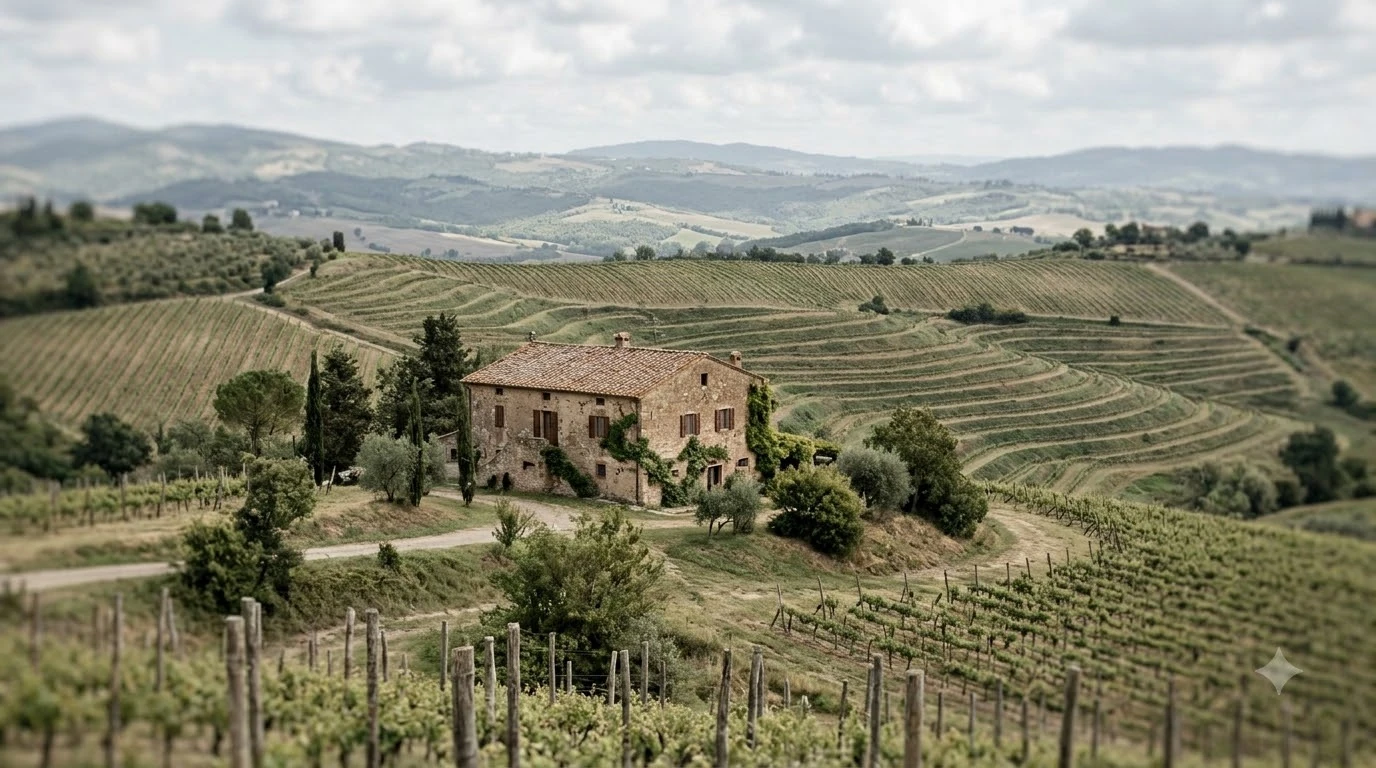
The canberra wine festival experience brings together cool-climate wines, regional food, vineyard visits, harvest celebrations, and opportunities to meet Australian winemakers in the Canberra District. Located around Australia’s capital, this wine-producing area is particularly recognized for its Riesling, Shiraz, and elegant Chardonnay. Visitors can enjoy dedicated wine festivals, seasonal cellar-door events, educational tastings, and scenic vineyard experiences throughout the year.
Canberra offers something different from Australia’s larger wine destinations. Rather than one enormous annual celebration, its wine calendar includes several events organized by regional wineries, industry associations, and local tourism groups. Understanding the different festivals, surrounding wine districts, and signature grape varieties makes it easier to plan a rewarding visit, whether you have one afternoon or an entire weekend.
Understanding Canberra’s Wine Festival Calendar
Canberra’s wine celebrations take several forms, from harvest-focused vineyard gatherings to large public events combining wine, music, and food. The Canberra District Wine Industry Association works with regional producers to promote wine tourism and coordinate events throughout the year.
One important distinction is that the Canberra wine festival scene is not limited to a single annual event with one permanent venue. Instead, visitors can choose between experiences held in central Canberra and celebrations spread across surrounding vineyard communities. This arrangement makes the region particularly appealing to travelers who want to combine a city break with countryside exploration.
Two events illustrate this variety. The Canberra Wines Stomp Festival celebrates the annual grape harvest with activities at Mount Majura Vineyard, while Golden Days Music & Wine Festival brings regional wine producers into the city for a larger music and food gathering. The Canberra and Region Wine Show also provides opportunities to discover regional wines through organized tasting sessions.
Golden Days is scheduled for November 28, 2026, at Patrick White Lawns beside Lake Burley Griffin. Its advertised program runs from noon until 10 p.m., combining Canberra District wines, food, and live entertainment. The Stomp Festival, meanwhile, is associated with the autumn harvest period and offers a more vineyard-centered experience.
These events appeal to different audiences. Someone interested in live music and a relaxed afternoon beside the lake may prefer Golden Days, while a visitor curious about grape processing and wine maturation may find the Stomp Festival more interesting.
Tip: Check the individual event organizer’s calendar before arranging flights or accommodation. Harvest celebrations, winery masterclasses, and public festivals operate on different schedules, and some activities require separate reservations.
For readers comparing regional wine celebrations in the United States, the Indiana wine festival offers another example of how local producers can bring wine, food, and community activities together. Canberra’s approach has a particularly strong connection to its surrounding cool-climate vineyards.
Major Canberra Wine Events and Their Experiences
The best event depends on whether you prefer participatory harvest activities, structured wine education, or a larger entertainment program. Three particularly useful events to understand are the Stomp Festival, Golden Days, and the Canberra and Region Wine Show tasting experience.
Canberra Wines Stomp Festival
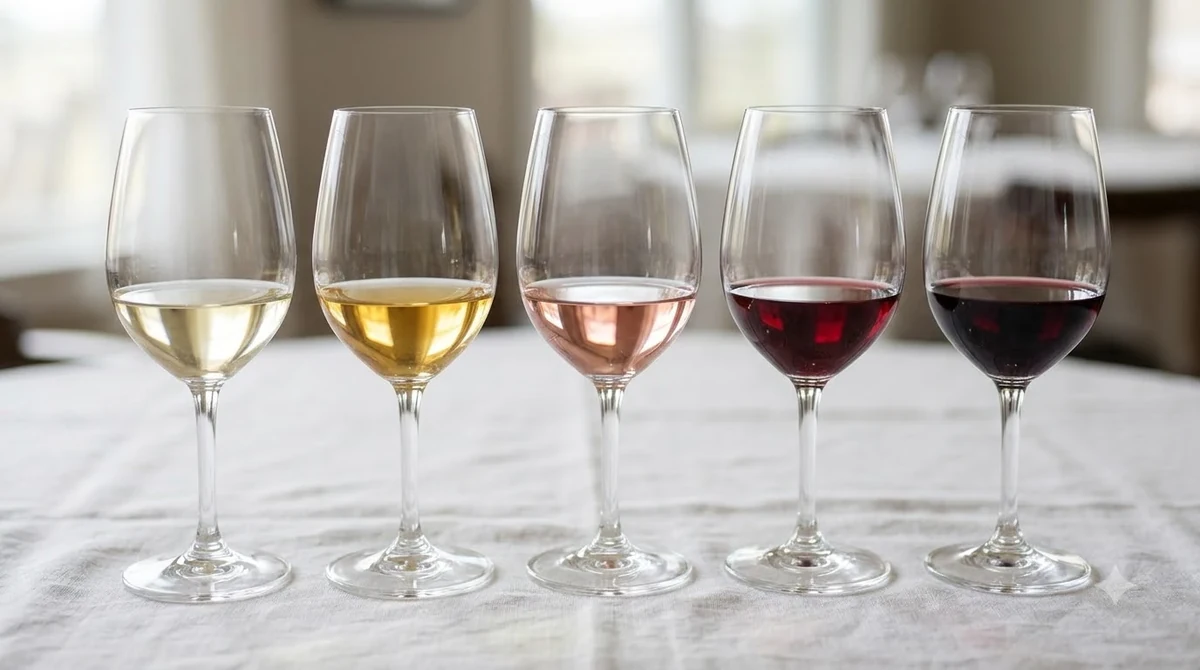
The Stomp Festival is a harvest celebration associated with Mount Majura Vineyard in the Majura area of the Australian Capital Territory. Its activities introduce visitors to the practical side of winemaking while maintaining the relaxed atmosphere of a vineyard gathering.
The 2026 program was scheduled for Saturday, April 18, at Mount Majura Vineyard, 88 Lime Kiln Road, Majura. Activities included grape-stomping sessions at 11 a.m., 12:30 p.m., and 2 p.m. Visitors could also participate in museum wine masterclasses scheduled for noon and 1:30 p.m.
Grape stomping provides a memorable introduction to the early stages of wine production. Participants use traditional-style stomping barrels to extract juice from grapes, gaining a better appreciation of the physical processes behind fermentation.
The museum wine sessions offer a different perspective. Older bottles are compared with current releases, allowing visitors to explore how wines develop with bottle age. This is particularly interesting for varieties such as Riesling, which can develop additional toasted and complex characteristics over time.
Golden Days Music & Wine Festival
Golden Days is a one-day event that brings the Canberra District cellar-door experience into central Canberra. Its location at Patrick White Lawns, Queen Elizabeth Terrace, places the festival beside Lake Burley Griffin, providing a scenic setting for food, music, and regional wine showcases.
The scheduled November 28, 2026, program runs from noon until 10 p.m. Its advertised entertainment includes Hot Dub Time Machine, Rogue Traders, Dirty South, Miami Horror DJs, Touch Sensitive, and Anna Lunoe. Alongside the performances, participating Canberra District wineries are expected to showcase their wines through a city-based cellar-door experience.
This event is particularly suitable for visitors who do not want to spend an entire day driving between vineyards. The central location also makes it easier to combine the festival with accommodation, restaurants, and other Canberra attractions. The official Golden Days event listing provides the venue, schedule, and event details.
Canberra and Region Wine Show
The Canberra and Region Wine Show provides another way to explore local wine quality. Its associated tasting experience features wines entered into the regional competition, including red, white, sparkling, and fortified categories.
The 2026 tasting event was advertised for November 14 at Terrace Restaurant, Exhibition Park in Canberra. Its program included more than 300 wines, giving visitors an opportunity to compare different producers and styles in one location.
Unlike a harvest festival, a wine show tasting is more focused on comparing finished wines. It is a useful format for people who want to understand regional differences, discover recognized bottles, and learn which grape varieties suit their preferences.
For visitors planning a trip around several events, the Livermore wine festival provides another useful comparison with a wine destination that combines regional producers and public celebrations.
Exploring Canberra’s Three Main Wine Areas
The Canberra District covers a broad geographical area extending across the Australian Capital Territory and neighboring New South Wales. Its three broad wine areas offer different landscapes, driving distances, and cellar-door experiences.
According to Canberra District Wines, the region includes approximately 140 vineyards, with more than 33 wineries within 35 minutes of Canberra. The wineries are generally smaller and offer opportunities to speak directly with producers and learn about their individual approaches.
ACT and Hall
The ACT and Hall area is a convenient starting point for visitors staying in central Canberra. Mount Majura Vineyard is identified by the regional wine association as the only winery located within the ACT border.
Mount Majura sits on Majura Road, beyond Canberra Airport. Its location makes it a practical choice for travelers who want to visit a vineyard without committing to a longer countryside drive.
Hall offers another attractive option. The village and surrounding hills are known for their rural scenery and views toward the Brindabella Mountains. Cellar doors in this area provide a combination of wine tasting and countryside hospitality, making it easy to spend a relaxed afternoon away from the city center.
Murrumbateman and Yass
Murrumbateman is one of the most important wine destinations in the Canberra District. Located approximately 30 minutes from Canberra along the Barton Highway, it has more than 15 wineries and a well-established reputation for cool-climate wines.
Notable producers in the broader area include Clonakilla, Helm Wines, and Shaw Wines. Each provides a different opportunity to explore the region’s winemaking traditions and grape varieties.
Visitors can combine cellar-door appointments with regional dining and village exploration. The area also offers a useful starting point for travelers interested in spending an entire day among vineyards rather than returning to Canberra after every tasting.
Bungendore, Wamboin, Lake George, and Collector
The northern and northeastern parts of the district include vineyards around Bungendore, Wamboin, Lake George, and Collector. The Federal Highway provides access to several of these rural communities.
Higher-altitude vineyards contribute to the region’s cool-climate character. The landscape includes rolling hills, elevated vineyard sites, and scenic outlooks that make this area particularly appealing to visitors who enjoy combining wine tasting with countryside photography.
Nearby villages such as Gundaroo and Collector also provide dining opportunities. A planned visit can therefore include a winery tasting, a regional meal, and time exploring historic village surroundings.
These three areas are useful starting points for planning a vineyard itinerary. The Wine Regions resource can also help readers understand how climate, geography, and grape selection influence the character of wines from different destinations.
Signature Canberra Wines to Discover
Canberra District wines are strongly influenced by altitude, temperature variation, and a continental climate. Riesling and Shiraz are particularly important regional varieties, while Chardonnay, Cabernet Sauvignon, and Pinot Noir provide additional choices.
Wine Australia describes the region as having approximately 329 hectares of vineyards within a geographical indication covering 8,607 square kilometers. Vineyard elevations range from 264 to 1,419 meters, creating considerable variation in growing conditions. Its Canberra District regional profile provides further information about the climate, vineyard area, and leading varieties.
Riesling: The Regional White Wine
Riesling is one of the most recognizable Canberra District varieties. The region’s cool nights and relatively warm summer days help maintain freshness and acidity while allowing grapes to develop their flavors.
Many Canberra District Rieslings are produced in a crisp, dry style. Typical characteristics include citrus, lime, green apple, and mineral-like impressions. Some bottles develop additional toasted and honeyed complexity as they mature.
Riesling is an excellent choice for visitors who enjoy aromatic white wines with refreshing acidity. It also pairs well with seafood, grilled prawns, fresh oysters, and dishes containing lemon or other acidic ingredients.
Shiraz: Spice and Dark Fruit
Canberra District Shiraz has developed a strong regional identity. Rather than relying only on heavy fruit concentration, many examples emphasize spice, freshness, and balanced structure.
Wine Australia identifies black cherry, licorice, and spice as characteristic flavor associations. Depending on the producer and vineyard site, bottles can range from medium-bodied and elegant to fuller and more structured.
Shiraz works particularly well with grilled lamb, roasted beef, barbecue dishes, and slow-cooked meats. Its tannins and fruit concentration can complement the richness of these foods.
Chardonnay and Other Varieties
Chardonnay is another important regional variety. Canberra District examples can range from restrained and citrus-driven styles to fuller wines with stone-fruit characteristics and more noticeable oak influence.
Pinot Noir is also produced in the region, particularly at suitable cooler vineyard sites. Its lighter tannin structure and fresh acidity make it a useful alternative for visitors who prefer red wines that are less powerful than Shiraz.
Cabernet Sauvignon remains part of the regional wine identity, although plantings and producer preferences have changed over time. Visitors may also encounter Sangiovese, Tempranillo, Grüner Veltliner, Marsanne, and other less familiar varieties.
Trying several grape varieties during a festival is a good way to understand the region’s diversity. Rather than focusing exclusively on one producer, compare Riesling, Shiraz, and Chardonnay from different vineyards to see how individual sites influence the finished wine.
| Wine variety | Typical characteristics | Food pairing |
|---|---|---|
| Riesling | High acidity, citrus, lime, green apple | Seafood, oysters, fresh salads |
| Shiraz | Medium-plus to high tannin, spice, dark fruit | Lamb, beef, barbecue |
| Chardonnay | Medium acidity, citrus, stone fruit | Roast chicken, seafood, creamy pasta |
| Pinot Noir | Low-medium tannin, red fruit, high acidity | Duck, mushrooms, roast poultry |
| Cabernet Sauvignon | High tannin, blackcurrant, firm structure | Steak, grilled beef, aged cheese |
| Sangiovese | Fresh acidity, red cherry, savory notes | Tomato-based pasta, pizza, grilled vegetables |
Planning a Canberra Wine Festival Visit
A successful festival visit begins with choosing the right event and deciding how much time to spend outside central Canberra. Some experiences require only an afternoon, while exploring multiple vineyard communities is better suited to a full day or weekend.
Choose Your Travel Dates
Autumn is an appealing season for wine enthusiasts because it coincides with grape harvesting and the early stages of winemaking. The Stomp Festival provides a particularly interesting example of how regional producers celebrate this period.
November offers another opportunity to experience the region through events such as Golden Days. Its central Canberra location is convenient for visitors who prefer entertainment, food, and wine in one place rather than traveling between rural cellar doors.
Because individual event dates change, it is sensible to build a trip around confirmed dates instead of assuming every festival takes place on the same weekend each year.
Plan Your Winery Route
Visitors with limited time should begin with Mount Majura or wineries around Hall. Both areas offer relatively convenient access from central Canberra. Travelers with a full day available can consider Murrumbateman and Yass, where multiple wineries make it easier to compare producers.
Allow enough time between appointments. A tasting can involve conversations with cellar-door staff, comparisons between several wines, and opportunities to purchase bottles or regional products. Trying to visit too many wineries in one afternoon can make the experience rushed.
Arrange Transportation
Driving is a practical way to reach the Canberra District’s dispersed vineyards, but visitors should arrange a designated driver who does not consume alcohol. Organized winery tours and private transportation are alternatives for groups who want to taste several wines.
For a city-based event such as Golden Days, transportation planning is generally simpler because the venue is within Canberra. Visitors staying nearby may be able to reach the event without a long countryside journey.
Prepare for Weather and Outdoor Activities
Canberra’s continental climate produces noticeable temperature differences between daytime and nighttime. Spring can bring frost risks to vineyards, while autumn conditions can be cool and changeable.
Outdoor festival visitors should bring comfortable walking shoes, suitable layers, and protection from the sun. Vineyard grounds may include uneven paths, gravel areas, and sloping sections, so comfortable footwear is more useful than formal shoes.
It is also sensible to carry a reusable water bottle and allow breaks between tastings. A relaxed schedule makes it easier to appreciate the wine, scenery, and conversations with producers.
Food, Wine Pairings, and Festival Tasting Tips
Food is an important part of the Canberra wine festival experience because regional producers often showcase their wines alongside local ingredients and restaurant offerings. Choosing suitable pairings can make tastings more informative and enjoyable.
Canberra District Riesling is particularly versatile with seafood. Its high acidity complements fresh oysters, grilled prawns, white fish, and dishes with citrus dressings. If the food is particularly acidic, choose a wine with equal or greater acidity so that the wine does not taste flat.
Shiraz is a natural partner for richer dishes. Grilled lamb, roast beef, and smoky barbecue foods can balance its tannins and dark fruit characteristics. Salt and fat also soften the perception of tannin, which is useful when pairing more structured red wines with food.
For lighter meals, Pinot Noir offers flexibility. Its lower tannin level and higher acidity work well with roasted poultry, mushrooms, duck, and dishes containing earthy herbs. Chardonnay is another versatile choice, especially with roast chicken, grilled seafood, and creamy pasta.
Serving Temperatures for Festival Wines
Wine temperature influences aroma, acidity, and the perception of alcohol and tannin. Festival tastings may involve wines served in outdoor conditions, so understanding appropriate temperatures can help visitors appreciate each style.
| Wine style | Recommended serving temperature |
|---|---|
| Light white wines | 45-50 F |
| Full-bodied white wines | 50-55 F |
| Light-bodied red wines | 55-60 F |
| Full-bodied red wines | 60-65 F |
| Sparkling wines | 40-50 F |
| Sweet white wines | 43-50 F |
Riesling is generally most refreshing when served cool, while Shiraz benefits from being slightly warmer than refrigerator temperature. Very cold red wine can hide aromas and make tannins seem more pronounced.
Make the Most of a Tasting Session
Start with lighter wines before moving to fuller styles. A useful tasting sequence might begin with sparkling wine, followed by Riesling, Chardonnay, Pinot Noir, and finally Shiraz or Cabernet Sauvignon.
Pay attention to acidity, aroma, body, tannin, and finish. These characteristics help explain why two wines made from different varieties or vineyard sites can taste very different even when produced in the same region.
Take brief notes about producers and grape varieties you enjoy. This is especially helpful when tasting many wines during a festival or regional wine-show event. If a particular Riesling or Shiraz stands out, record its producer and style so you can look for it again.
Food choices also matter during a long tasting session. A meal containing bread, cheese, grilled vegetables, or protein can provide a useful break between wines. Avoid pairing spicy food with highly alcoholic or tannic wines, as alcohol and tannin can make chili heat feel more intense.
Frequently Asked Questions
Is Canberra known for any particular wine awards or competitions?
The Canberra and Region Wine Show is a regional competition that recognizes wines across multiple categories. Its associated tasting experience gives visitors access to competition entries and announced award winners. The competition includes categories such as red, white, sparkling, and fortified wines.
Can visitors buy wine directly from Canberra wineries?
Many Canberra District wineries operate cellar doors where visitors can purchase wines directly from producers. Some also offer museum releases or older vintages that may not be available through ordinary retail outlets. Availability differs between wineries, so visitors interested in particular bottles should contact the producer before traveling.
What makes Canberra District Riesling suitable for aging?
Riesling’s natural acidity helps preserve freshness as the wine develops in the bottle. Over time, some dry examples develop more complex toasted, honeyed, and mature citrus characteristics. Storage conditions and the producer’s winemaking approach influence how successfully an individual bottle ages.
Are Canberra wine festivals suitable for people who are new to wine?
Yes. Many festival experiences are designed for general visitors rather than professional wine buyers. The Stomp Festival’s museum wine masterclasses, for example, are advertised as suitable for people without previous wine expertise. Visitors can ask cellar-door staff about grape varieties, production methods, and recommended food pairings.
Can visitors combine Canberra wine tasting with regional food experiences?
Yes. Murrumbateman, Yass, Gundaroo, and Collector offer opportunities to combine winery visits with regional dining. The broader Yass Valley area is also associated with local produce, including olives, stone fruit, and Perigord truffles. Some wineries and nearby restaurants offer meals designed to complement regional wines.
The Canberra wine festival scene offers much more than a single annual celebration. From harvest activities at Mount Majura to lakeside entertainment at Golden Days and the cellar doors of Murrumbateman, visitors can discover a diverse selection of Australian cool-climate wines. Plan around the events that interest you, leave enough time for regional exploration, and make Riesling and Shiraz priorities during your tastings. The result is an enjoyable introduction to one of Australia’s distinctive wine-producing regions.
More in Wine Regions
 Willcox Wine Trail: Discover Arizona’s High-Elevation Wine CountryUpdated Nov 20, 2026
 Yakima Valley Wine Region: Find the Best Styles to TryUpdated Nov 20, 2026
 Vosne Romanee Wine Tasting: Identify Aromas and Choose Better PairingsUpdated Nov 20, 2026
 Yakima Valley Wine Festival: Find the Best Seasonal Wine EventsUpdated Nov 20, 2026
 Wales Vineyards: Discover Cool-Climate Wines and Where to VisitUpdated Nov 20, 2026
 Yountville Wine Festival: Discover Napa Wines and Local FoodUpdated Nov 20, 2026