

We may earn a commission when you buy through links on this page, at no extra cost to you. Learn more.
Canberra vineyards are best known for cool-climate Riesling and elegant, spicy Shiraz grown across the hills of the Canberra District in southeastern Australia. The region stretches from the Australian Capital Territory into neighboring New South Wales, with vineyard sites at different elevations and distinct local conditions. Visitors can reach many cellar doors in less than an hour from Canberra, while wine drinkers elsewhere can recognize the district through its crisp whites, perfumed reds, and increasingly varied grape selection.
The name can suggest a compact wine route around the capital, but the Canberra District is a broad rural wine region rather than a single valley or urban attraction. Its vineyards sit among grazing country, villages, granite and clay-based soils, and rolling slopes. Understanding the geography makes it easier to choose bottles and plan a visit that suits the wines you most want to explore.
Where the Canberra District Sits
The Canberra District surrounds the Australian capital and extends across the ACT–New South Wales border, with most vineyards and wineries in New South Wales. The district includes several separate vineyard clusters rather than one continuous strip, so a tasting day can mean a short drive from central Canberra or a longer country outing toward Murrumbateman, Lake George, or Bungendore.
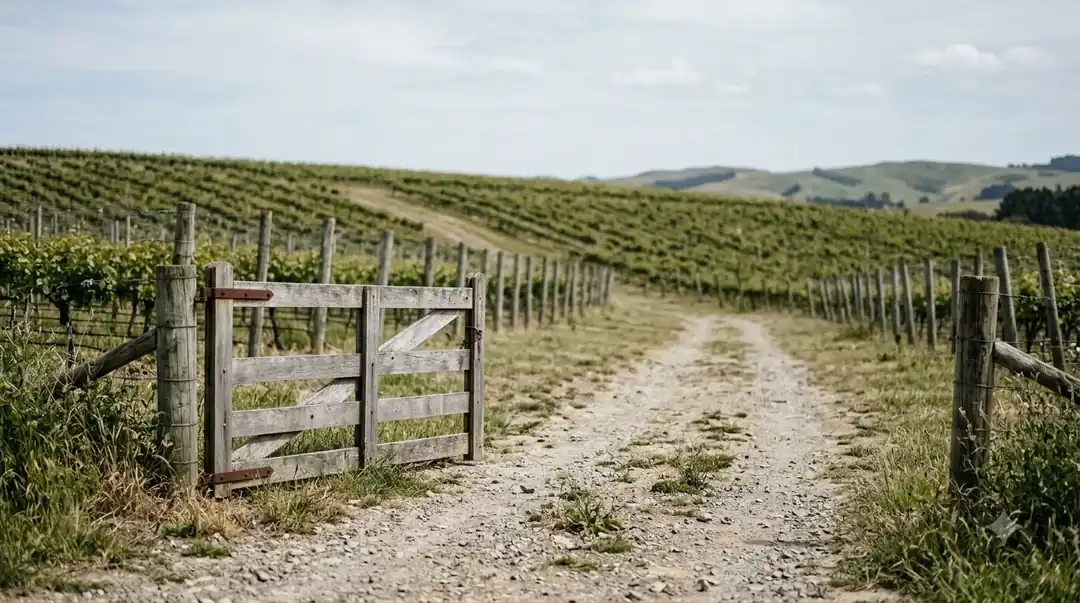
The Canberra District Wine Industry Association describes more than 30 wineries within 35 minutes of Canberra. Wine Australia records 329 hectares of vineyard area for the district’s Geographical Indication, while the regional tourism authority describes more than 300 hectares across the landscape. Figures can differ because sources describe the wider district, the formal GI, or visitor-facing winery networks; the important point for readers is that this is a boutique-scale region with enough producers to support more than one day of tastings.
The Canberra District is larger than the ACT itself: all but one local winery lie across the border in New South Wales, and the regional geography reaches toward the Yass Valley and Lake George. A Canberra District label therefore identifies a broad wine origin, not necessarily a vineyard within the city limits.
Canberra sits inland and at elevation, unlike the maritime setting of Tasmania vineyards. That contrast helps explain the district’s blend of ripe fruit and freshness.
Climate, Elevation, and Vineyard Soils
The Canberra District has a strongly continental climate: warm, dry summer days, cold nights, spring frost risk, and a cool autumn harvest period. Elevation and daily temperature swings help grapes retain acidity, although frost, drought, and harvest rain create challenges.
Wine Australia lists the district’s formal GI at 8,607 square kilometers, with 329 hectares of vineyards, a growing-season rainfall figure of 420 millimeters, and a mean January temperature of 21.4 degrees Celsius. The same reference gives a broad altitude range of 264 to 1,419 meters. The regional association describes a common vineyard band of roughly 300 to 800 meters, so the two altitude ranges should be read as different geographic scopes rather than as a contradiction about any one vineyard.
| Regional measure | Published figure | Approximate US equivalent |
|---|---|---|
| Vineyard area | 329 hectares | 813 acres |
| GI area | 8,607 square kilometers | 3,324 square miles |
| Altitude range | 264–1,419 meters | 866–4,656 feet |
| Growing-season rainfall | 420 millimeters | 16.5 inches |
| Mean January temperature | 21.4 degrees Celsius | 70.5 degrees Fahrenheit |
These figures describe a region of contrasts, not a uniform growing environment. A high, exposed slope may be cooler and more frost-prone than a lower, warmer site, and the timing of budbreak, summer water, and autumn rain can change the balance of fruit and acidity.
Soils include shallow clay loams over clay or shale and hard red duplex soils. Some subsoils retain little water, making irrigation important in dry periods. Granite is significant around Hall and Wallaroo, where it is associated with fragrant Shiraz.
Riesling and Shiraz Define the Region
Riesling and Shiraz are the two clearest starting points for understanding Canberra District wine. Riesling shows the region’s capacity for freshness and longevity, while Shiraz translates differences in vineyard site into aromatic, savory, and sometimes powerful red wines.
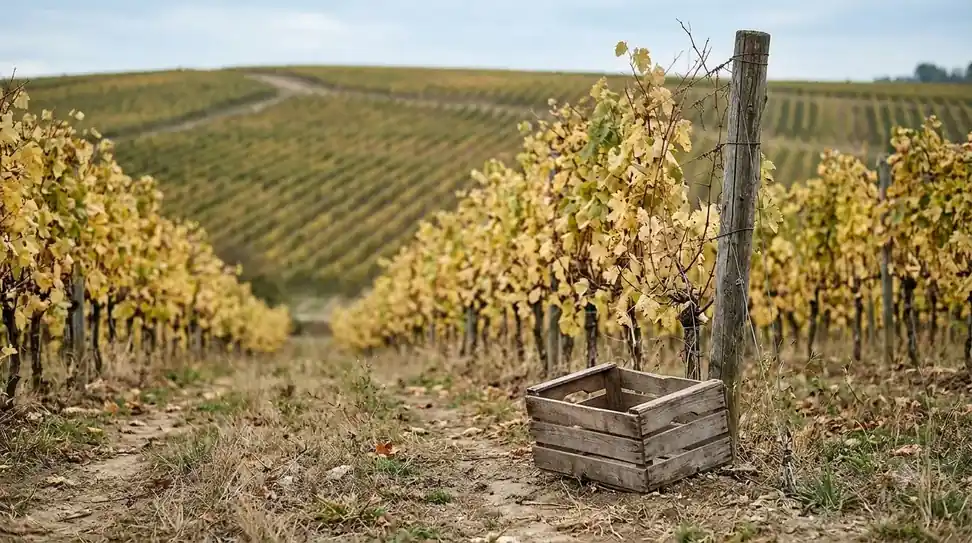
Canberra District Riesling is commonly dry, crisp, and citrus-driven, with lime, lemon, green apple, and floral notes. Wine Australia describes it as the region’s most admired white grape and notes that many examples can age for 10 years or more, developing toast and honeyed complexity.
Off-dry Riesling styles are also returning, offering a rounder palate while retaining high acidity. Dry examples suit seafood and aperitifs; a gently off-dry bottle can balance aromatic dishes with some sweetness or mild heat.
Shiraz is the district’s signature red, but it need not resemble a dense, hot-climate style. Canberra examples often show perfume, peppery spice, black cherry, and savory notes, with freshness from cool nights. Murrumbateman versions can be more muscular and concentrated.
Shiraz Viognier is another local signature. A small portion of Viognier can add floral aromatics and texture to Shiraz. Murrumbateman’s Clonakilla is especially associated with the blend, which shows how regional winemakers work with aroma as well as fruit and structure.
Three Distinct Vineyard Areas
Three broad areas help organize the district: Murrumbateman and Yass; Lake George, Bungendore, Wamboin, and Collector; and Hall and Wallaroo. These are practical tasting zones, not rigid flavor rules, but site differences show clearly in Shiraz.
Murrumbateman and Yass
Murrumbateman lies about 30 minutes north of Canberra along the Barton Highway. More than 15 wineries are based in the area, which also has cafes and restaurants. Its Shiraz can be muscular for a cool-climate region, with darker fruit and a firmer frame.
Clonakilla is prominent for Shiraz Viognier, while Helm Wines is known for Riesling. Together they provide a useful introduction to the district’s signature red and white styles.
Lake George, Bungendore, Wamboin, and Collector
East and northeast of Canberra, Lake George and Bungendore vineyards benefit from elevation and cool evening air. VisitCanberra describes an easterly from the coast, nicknamed “Bateman’s Breath,” that helps cool these sites and can give Shiraz depth with a cool-climate profile.
Bungendore and Wamboin include high-altitude sites. Lark Hill is noted for biodynamic viticulture, Riesling, and Grüner Veltliner, while nearby Gundaroo and Collector offer places to eat between cellar doors.
Hall and Wallaroo
Hall and Wallaroo, about 40 kilometers west of Lake George, are generally warmer than the higher eastern sites. Granite soils are one influence on fragrant Shiraz, which can lean toward floral perfume rather than dark fruit and weight alone.
Mount Majura is the one winery within the ACT border, while Hall offers views toward the Brindabella Mountains. Visitors can start close to the city and reserve a separate day for the more distant New South Wales clusters.
Beyond the Main Grapes
Riesling and Shiraz are the starting points, but Canberra District vineyards also produce Chardonnay, Pinot Noir, Cabernet Sauvignon, and alternative varieties suited to different sites.
Chardonnay ranges from citrus-led to fuller, more textured styles. Pinot Noir from cooler sites can show red fruit and savory notes. Cabernet Sauvignon remains in the mix, although its prominence has declined as Shiraz and alternative grapes have gained attention.
Other plantings include Sangiovese, Tempranillo, Malbec, Marsanne, Roussanne, Graciano, Grüner Veltliner, and Fiano. They are not planted on the same scale as Riesling or Shiraz, but add variety to tasting lists. Tempranillo and Sangiovese offer savory red alternatives, while Grüner Veltliner and Fiano broaden the white-wine selection.
The region’s experimental streak began in the 1970s and 1980s, when scientists and growers planted around Lake George, Murrumbateman, Hall, and Bungendore. New interest in Fiano and Tempranillo continues the search for varieties suited to cool nights and varied sites.
Some Canberra District wineries also use Chardonnay from Tumbarumba and Shiraz from Hilltops. For a particular bottle, read the stated origin and producer notes to see whether it represents estate fruit, regional fruit, or a blend of sources.
Planning a Vineyard Visit
Most Canberra District wineries are within an hour of the city, but the cellar doors are spread across several clusters. Choose one area rather than attempting Murrumbateman, Lake George, Bungendore, and Hall in a single afternoon.
Murrumbateman is an easy first choice, about 30 minutes from Canberra by road and home to more than 15 wineries. Build a day around Riesling and Shiraz, with lunch in the village and stops at Clonakilla, Helm, or another producer offering a different blend.
The eastern route combines high-altitude vineyards around Lake George, Wamboin, and Bungendore with meals or breaks in Gundaroo and Collector. Hall and Wallaroo suit visitors who want to stay closer to Canberra while sampling wines from warmer, granite-influenced sites.
Opening days and tasting arrangements vary, especially among small family wineries. Check visitor information and reserve ahead for seated tastings, meals, or vineyard tours. A guided tour can coordinate transport between clusters.
At a mixed tasting, begin with dry Riesling, move to Chardonnay and Pinot Noir, then finish with Shiraz and other fuller reds. This order lets lighter wines show their aromas before tannin and body build. Brief notes on acidity, oak, alcohol warmth, and finish are more useful than relying on a generic score.
Tip: Plan no more than two or three seated tastings in a day, and choose a designated driver or a tour. The distances between vineyard clusters are manageable, but tasting slowly gives you more time to compare the wines and enjoy the countryside.
For current maps, cellar-door listings, events, and visitor details, the Canberra District Wines regional overview is a useful starting point. The regional visitor authority also provides a practical snapshot of local wine routes in its Canberra District wine feature, including several producer suggestions and the character of the three broad areas.
Choosing, Serving, and Pairing Canberra Wines
Canberra District Riesling suits food where freshness matters, while Shiraz works with grilled or roasted dishes. Lean whites pair with seafood, fuller Chardonnay with poultry, and structured reds with lamb, beef, or mushrooms.
Serve dry Riesling around 45 to 50 degrees Fahrenheit to keep its citrus character vivid. It pairs with oysters, grilled white fish, prawns, herb-roasted chicken, lemon, and fresh vegetables. Its high acidity also handles vinaigrette or tomato better than a low-acid white.
Serve Shiraz around 60 to 65 degrees Fahrenheit, not warm in a heated room; a short chill can help a young, full-bodied red. Pair it with grilled lamb, roast beef, sausages, or mushrooms. Salt and fat soften tannin, while hot chili can amplify alcohol and tannin.
Serve full-bodied Chardonnay around 50 to 55 degrees Fahrenheit. Leaner styles suit roast chicken or scallops, while richer bottles work with buttered or browned foods. Pinot Noir is best around 55 to 60 degrees and pairs with duck, salmon, poultry, or earthy vegetables.
Consider sweetness and acidity as well as grape variety. Dry Riesling refreshes salty seafood, while a sweeter style suits a dish with some sweetness or moderate chili. Avoid tannic reds with oily fish, and choose a wine at least as sweet as dessert.
When buying bottles, consider the style enjoyed at the cellar door rather than relying only on the grape name. Murrumbateman Shiraz may be more powerful than a floral Hall example, and high-elevation Riesling may feel tauter than a warmer-site wine. Note the producer, area, vintage, and dry or off-dry style. For another Southern Hemisphere comparison, Uruguay vineyards show how climate shapes regional identity; the Wine Regions overview puts these differences in context.
Frequently Asked Questions
What coordinates are used to locate the Canberra District?
Wine Australia lists reference coordinates of 35 degrees 18 minutes south latitude and 148 degrees 54 minutes east longitude. They locate the broader district in southeastern Australia rather than identifying one vineyard or cellar door.
What does the name Yarrh mean?
Yarrh Wines takes its name from a Ngunnawal word for running water. The winery is east of Murrumbateman, and its cellar door is described as a rammed-earth building made using straw bales.
What makes Lark Hill a distinctive stop?
Lark Hill sits at 860 meters elevation near Bungendore and follows biodynamic practices. Its weekend restaurant has featured swordfish with caper butter alongside the winery’s local wines.
How far is Clonakilla from Canberra?
Clonakilla is in Murrumbateman, about 40 kilometers north of Canberra. Its vineyard history is tied to Dr. John Kirk, who planted vines there in 1971, and the winery is particularly known for Shiraz Viognier.
Can Canberra District Riesling be cellared?
Yes. VisitCanberra describes a Helm Wines Riesling as suitable for drinking on release or cellaring for as long as 25 years. That is an example of the region’s potential, not a guarantee for every bottle.
Canberra District wine rewards curiosity: start with Riesling and Shiraz, then compare the differences among Murrumbateman, Lake George, Bungendore, and Hall. Whether you visit the cellar doors or seek out bottles at home, the region offers a distinctive combination of cool-climate freshness, varied vineyard sites, and a growing range of grapes.
More in Wine Regions
 Willcox Wine Trail: Discover Arizona’s High-Elevation Wine CountryUpdated Nov 20, 2026
 Yakima Valley Wine Region: Find the Best Styles to TryUpdated Nov 20, 2026
 Vosne Romanee Wine Tasting: Identify Aromas and Choose Better PairingsUpdated Nov 20, 2026
 Yakima Valley Wine Festival: Find the Best Seasonal Wine EventsUpdated Nov 20, 2026
 Wales Vineyards: Discover Cool-Climate Wines and Where to VisitUpdated Nov 20, 2026
 Yountville Wine Festival: Discover Napa Wines and Local FoodUpdated Nov 20, 2026