

We may earn a commission when you buy through links on this page, at no extra cost to you. Learn more.
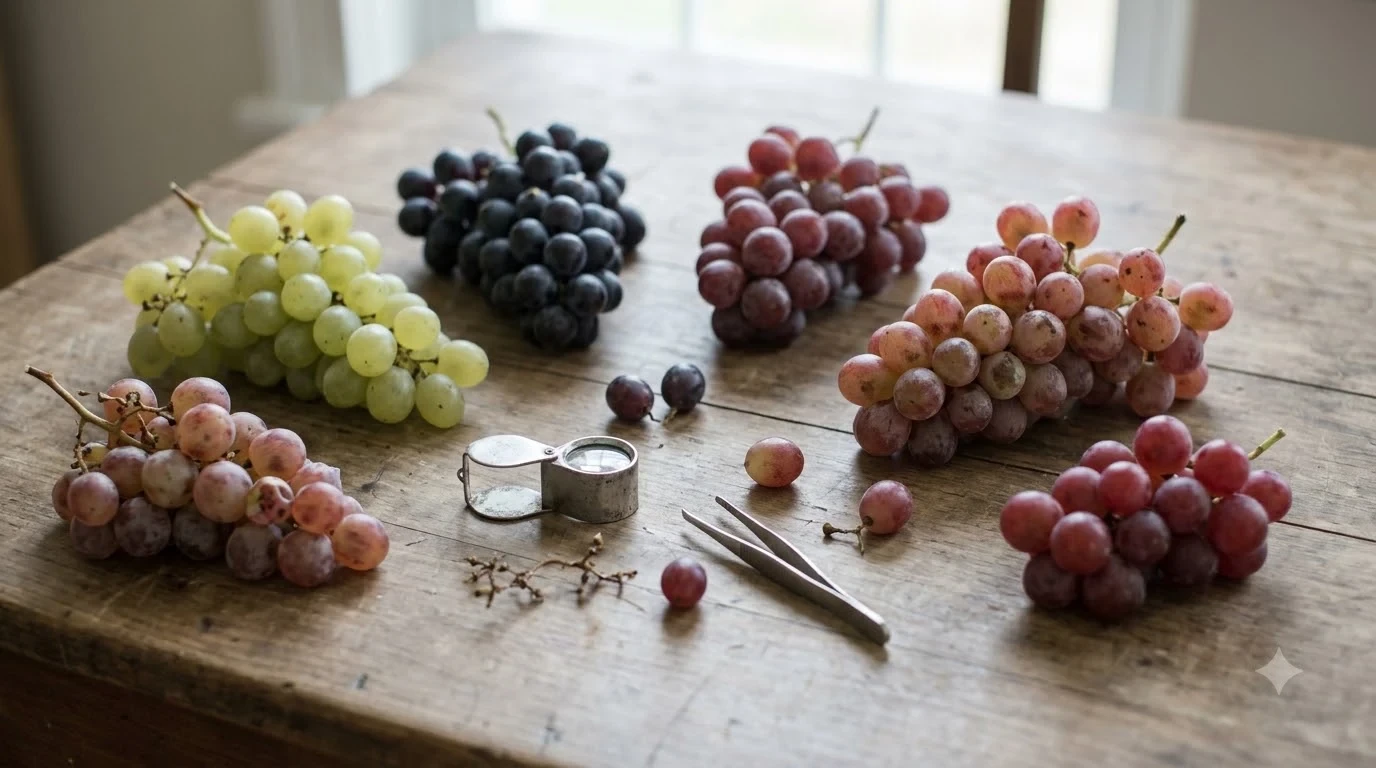
Canary Islands wine grapes are a distinctive collection of native Spanish varieties, including Listán Blanco, Listán Negro, Malvasía Volcánica, Negramoll and Baboso Negro. These grapes thrive in volcanic soils, Atlantic-influenced climates and vineyards that preserve centuries-old growing traditions. Their wines range from crisp, mineral whites and fresh reds to aromatic rosés and complex sweet wines.
The Canary Islands offer an interesting alternative to the familiar grape varieties of mainland Spain. Located in the Atlantic Ocean off the northwest coast of Africa, this Spanish archipelago has preserved unusual grapes through geographical isolation and a long history of viticulture. Some varieties are closely associated with individual islands, while others grow across several different wine-producing areas. Understanding their characteristics makes it easier to recognize the region’s distinctive wines and choose bottles that suit your preferences.
1. Listán Blanco and Listán Negro: The Two Essential Grapes
Listán Blanco and Listán Negro are the two essential starting points for understanding Canary Islands wine. The white variety dominates plantings across the archipelago, while its red counterpart is particularly significant in Tenerife and other islands with established red-wine traditions.

Listán Blanco is the most widely planted grape variety in the Canary Islands, according to the Canary Wine industry organization. It is also known as Palomino Fino in mainland Spain, where it is closely associated with Jerez. Despite this genetic connection, Canary Islands Listán Blanco develops its own identity through differences in climate, elevation, soils and vineyard conditions.
In the glass, Listán Blanco can produce fresh, relatively restrained white wines with citrus, green apple, herbal and mineral characteristics. Some examples have a lean, saline impression, while others offer greater weight and texture. The grape adapts to different elevations and microclimates, allowing winemakers to produce several distinct styles from the same variety.
It is important to understand that Listán Blanco is not automatically associated with fortified or oxidative wine simply because of its relationship with Palomino Fino. In the Canary Islands, it appears in a range of dry table wines, including varietal bottlings and blends. Winemaking choices and vineyard location have a substantial influence on the final result.
Listán Negro is the archipelago’s most widely planted red grape. Canary Wine describes it as a natural crossing of Mollar Cano and Palomino Fino, rather than simply another name for Listán Prieto. This distinction matters because the two similarly named varieties are genetically different.
Listán Negro generally produces approachable reds with red-fruit flavors, moderate tannins and a recognizable savory character. Depending on the vineyard and production method, the wines can show fresh cherry, raspberry, plum, pepper and earthy notes. Some producers favor a light, energetic style, while others create more concentrated wines through extraction, oak aging or careful selection of vineyard parcels.
These two varieties provide a useful introduction to the region. A Listán Blanco bottling is a good starting point for someone who enjoys fresh Spanish whites, while Listán Negro is worth exploring for drinkers interested in lighter, savory reds.
2. Malvasía Volcánica, Malvasía Aromática and Other White Grapes
The white grapes of the Canary Islands extend well beyond Listán Blanco. Malvasía Volcánica, Malvasía Aromática, Marmajuelo, Gual and Vijariego Blanco offer different combinations of perfume, acidity, fruit character and texture.
Malvasía Volcánica is one of the most recognizable grapes associated with Lanzarote. According to Canary Wine, it is a natural crossing of Malvasía Aromática and Marmajuelo. It is cultivated particularly on Lanzarote’s volcanic slopes, where vines grow in clay soils covered with volcanic lapilli, a small, porous volcanic material.
Malvasía Volcánica is known for its fruity character and mineral impressions. Dry wines can show citrus, stone fruit, floral aromas and a rounded texture, while sweeter examples may offer ripe tropical fruit, honey and concentrated floral flavors. Its versatility makes it one of the most interesting varieties to explore when comparing different Canary Islands wine styles.
Malvasía Aromática is a separate variety, not simply another name for Malvasía Volcánica. It is prized for its pronounced aromatic character and can contribute floral, citrus and ripe-fruit notes to white wines. Its historical importance also connects the archipelago with the long European tradition of Malvasía wines.
Marmajuelo is another important white grape, cultivated mainly in Tenerife, El Hierro and La Gomera. Canary Wine describes it as a fragrant variety with high natural acidity and persistent flavors. It can produce intense, concentrated wines, making it particularly interesting for producers seeking alternatives to the better-known Listán Blanco.
Gual is known as Bual in Madeira. It is an early-ripening white grape with a history of cultivation in El Hierro, Tenerife and La Palma. Its presence illustrates the historical connections between Atlantic wine-producing islands and the movement of grape varieties through Portuguese and Spanish trading networks.
Vijariego Blanco, also called Verijadiego in El Hierro, is especially interesting for its acidity. Canary Wine identifies it as the most acidic grape variety in the Canary Islands when grown in El Hierro and northwestern Tenerife. Its freshness makes it useful for producing lively whites, particularly in locations where maintaining natural acidity is important.
Other white varieties add further diversity. Albillo Criollo is an important local grape with potential for aromatic, textured wines. Verdello contributes another traditional option, while Forastera Gomera is associated particularly with La Gomera. Breval, Burrablanca and Sabro also contribute to the archipelago’s extensive native grape collection.
3. Native Red Grapes Beyond Listán Negro
The Canary Islands have several distinctive red varieties that deserve attention beyond Listán Negro. Negramoll, Baboso Negro, Vijariego Negro and Tintilla Castellana offer different levels of structure, freshness, concentration and aging potential.
Negramoll is one of the region’s established red grapes and is the second most planted red variety overall, according to Canary Wine. It is particularly important on La Palma, where it is also known as Mulata, and is cultivated in Tenerife and La Gomera.
Negramoll is valued for wines that can emphasize freshness, moderate structure and approachable fruit. Depending on the location and winemaking approach, its flavor profile may include red berries, cherries, herbs and earthy details.
Negramoll is particularly useful in blends because it can complement more concentrated varieties without necessarily overwhelming their fruit or acidity. It also appears in single-variety wines, where its own character becomes easier to recognize. For drinkers who prefer lighter reds rather than heavily extracted wines, it is a worthwhile grape to investigate.
Baboso Negro has a particularly interesting growing history. Canary Wine explains that it originally reached the Canary Islands through Portugal’s Alentejo region, where it is known as Alfrocheiro. The variety has small, compact bunches and thin skins that can break easily. This creates challenges for growers, including lower yields and increased susceptibility to rot.
Baboso Negro is cultivated predominantly in El Hierro and Tenerife. Its wines can be more concentrated and structured than those made from lighter-bodied red varieties, with dark berries, spice and fresh acidity contributing to their character. Its relatively demanding cultivation also helps explain why it remains a specialized grape rather than a widely planted commercial variety.
Vijariego Negro has historical associations with El Hierro but can now be found in other parts of the archipelago. It is also identified with Sumoll in Catalonia. The variety generally prefers cooler vineyard sites, making it useful in locations where growers can preserve freshness and balanced ripeness.
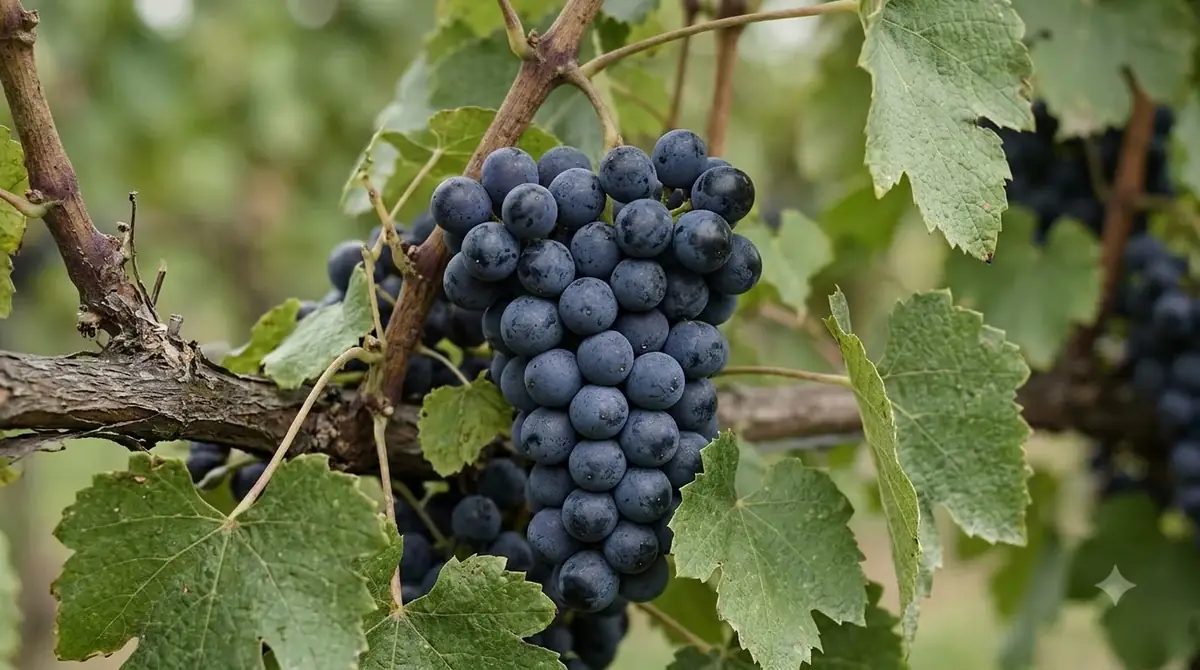
Tintilla Castellana is a vigorous red grape with a long growing cycle. Canary Wine describes it as a late-ripening variety that is typically cultivated at elevations above 600 meters. Its small bunches contain darkly colored, juicy berries, and it is often used in blends with Listán Negro.
Other authorized or traditional red grapes include Castellana Negra, Malvasía Rosada and Moscatel Negro. These varieties help demonstrate why the islands should not be understood through a single red grape or a single wine style.
4. Important Grape Varieties by Canary Island
Although some grapes appear throughout the archipelago, individual islands have their own viticultural identities. Lanzarote is particularly associated with Malvasía Volcánica, Tenerife has extensive plantings of Listán varieties, and El Hierro preserves several less-common grapes.
The following overview highlights useful associations for exploring bottles from different islands. These are representative connections rather than exclusive planting rules: individual producers may cultivate several varieties in the same vineyard or blend grapes from different locations.
| Island | Notable grape varieties | Typical wine interest |
|---|---|---|
| Lanzarote | Malvasía Volcánica, Listán Blanco, Listán Negro, Moscatel | Fresh whites, aromatic wines and sweet styles |
| Tenerife | Listán Blanco, Listán Negro, Marmajuelo, Baboso Negro, Negramoll | White, red, rosé and structured wines |
| El Hierro | Baboso Blanco, Baboso Negro, Gual, Vijariego Blanco | Distinctive whites and concentrated reds |
| La Palma | Sabro, Gual, Malvasía, Listán Blanco, Albillo Criollo | Fresh whites and traditional sweet wines |
| La Gomera | Forastera Gomera, Marmajuelo, Listán Blanco | Aromatic and fresh white wines |
| Gran Canaria | Listán Negro, Albillo Criollo, Moscatel, Listán Blanco | Varied white, red and aromatic wines |
| Fuerteventura | Listán Prieto, Listán Blanco | Traditional and distinctive island wines |
Lanzarote is perhaps the easiest island to associate with a particular white grape. Malvasía Volcánica is especially important here, and its identity is closely connected to the island’s unusual volcanic landscape. The porous volcanic material surrounding many vines helps retain moisture, an important consideration in a dry environment with limited rainfall.
Tenerife offers a wider range of growing conditions because of its varied topography and elevations. Listán Blanco and Listán Negro are important reference points, but Marmajuelo, Negramoll, Baboso Negro and Vijariego Blanco also contribute to its wine identity. Different vineyard elevations can produce substantially different expressions of the same variety.
El Hierro is particularly interesting for less-common grapes. Baboso Blanco is a rare white variety cultivated mainly between approximately 300 and 700 meters above sea level, according to Canary Wine. Its delicate growing requirements make it a distinctive choice for anyone interested in unusual native varieties.
La Palma has a special connection with Sabro, a white grape that Canary Wine identifies as exclusive to the island. Its vibrant acidity makes it useful in blends for both dry and sweet wines. Albillo Criollo is another important local variety, particularly associated with the island’s Vinos de Tea. La Gomera, meanwhile, is associated with Forastera Gomera, which adds another distinctive white variety to the region’s collection.
Fuerteventura has a connection with Listán Prieto, a variety with a particularly interesting history of movement between the Canary Islands and the Americas. Its presence is another reminder that the archipelago’s grape heritage extends far beyond its modern wine production.
For readers interested in the broader geography, the Canary Islands wine region offers a useful starting point for understanding how the islands’ climates, landscapes and appellations influence the wines produced there.
5. Volcanic Soils, Old Vines and the Survival of Native Grapes
The unusual grape diversity of the Canary Islands is closely connected to geography and history. Volcanic landscapes, geographical isolation, Atlantic winds and the survival of ungrafted vines have helped preserve varieties that are less common or absent in many other wine regions.
The islands largely escaped the historical devastation caused by phylloxera, the root-feeding vineyard pest that transformed European viticulture during the late nineteenth century. This allowed many vines to survive on their own roots rather than being grafted onto resistant American rootstocks. Some historic vineyards contain vines more than 200 years old, according to Wine Enthusiast.
However, the region should not be described as permanently immune to the pest. Wine Enthusiast reported the detection of phylloxera on Tenerife in July 2025. The historical survival of ungrafted vines remains important, but modern vineyard protection and monitoring are still necessary.
The volcanic environment also influences vineyard management. On Lanzarote, growers use picón, a local term for volcanic ash or lapilli, to cover the soil around vines. This material helps reduce evaporation and retain moisture. In some vineyards, vines are planted in individual depressions surrounded by protective stone walls, helping shield them from strong winds.
These distinctive methods are especially visible in the La Geria wine-growing landscape. The unusual appearance of the vineyards reflects practical solutions to difficult growing conditions rather than simply decorative traditions.
Elsewhere, steep slopes and changing elevations require different approaches. Tenerife’s Valle de La Orotava is known for traditional braided vine-training systems, while other locations use terraces or individual supports to manage difficult terrain.
According to Wine Enthusiast, the cordón trenzado training system in Valle de La Orotava can extend vines horizontally for approximately 49 feet. This unusual arrangement allows growers to work with the terrain and maintain a distinctive local viticultural tradition.
Atlantic influence is another important factor. Ocean breezes can moderate temperatures and contribute to freshness, while individual vineyards may experience different levels of humidity, wind exposure and sunlight. These conditions influence grape ripening and the balance between fruit concentration and acidity.
For additional context, the Wine Regions section can help place the Canary Islands alongside other distinctive European growing areas. Their volcanic identity is particularly interesting when compared with other regions where geology and difficult vineyard conditions strongly influence wine character.
Tip: When comparing Canary Islands wines, start by identifying both the grape and the island. A Malvasía Volcánica from Lanzarote and a Listán Blanco from Tenerife can offer very different experiences, even though both are regional white wines.
For a closer look at the relationship between volcanic landscapes and local grape varieties, Wine Enthusiast’s guide to Canary Islands wine provides additional background on the archipelago’s vineyards, grape varieties and traditional growing systems.
6. Wine Styles, Flavor Profiles and Food Pairings
Canary Islands grapes produce more than one recognizable wine style. The region includes crisp dry whites, aromatic whites, fresh reds, structured reds, rosés, sparkling wines and traditional sweet wines. The grape variety, island, vineyard elevation and winemaking technique all contribute to the final result.
Dry white wines are among the best introductions to the archipelago. Listán Blanco can produce refreshing wines with citrus, green fruit and savory mineral characteristics. Marmajuelo and Vijariego Blanco are useful alternatives for those seeking greater aromatic intensity or acidity.
These wines work particularly well with seafood. Try Listán Blanco with grilled sea bass, shrimp, oysters or white fish with lemon. Its freshness can complement the natural flavors of seafood without overpowering delicate ingredients. A high-acidity Vijariego Blanco can also be a good match for dishes with citrus-based sauces.
Aromatic white wines made from Malvasía Aromática, Malvasía Volcánica or Moscatel de Alejandría can offer more pronounced floral and fruit aromas. Depending on the style, flavors may include orange blossom, peach, citrus, ripe grapes and tropical fruit. These wines are worth considering for dishes with aromatic herbs, grilled shellfish or mildly spiced preparations.
Red wines from Listán Negro and Negramoll often favor freshness and red-fruit character rather than the heavy oak influence associated with some international reds. Baboso Negro and Tintilla Castellana can provide more concentration and structure. Food pairings include roasted chicken, grilled pork, lamb and mushroom dishes.
For lighter reds, consider slightly cooler serving temperatures of 55 to 60 F. More structured red wines generally benefit from 60 to 65 F. Serving at these temperatures can help preserve freshness and prevent alcohol from dominating the aromas.
Sweet wines are another important part of the Canary Islands tradition. Malvasía and Moscatel can be made in dry, off-dry or sweet styles, depending on grape ripeness and winemaking decisions. Their sweetness may be balanced by natural acidity, creating wines that work with fruit desserts, almond pastries and selected cheeses.
When pairing sweet wines with dessert, choose a wine that is at least as sweet as the food. Otherwise, the wine can taste thin or overly acidic beside the dessert. A sweet Malvasía can be particularly appealing with fruit-based desserts, while more concentrated styles may complement almond pastries and dried fruit.
For an aromatic white wine with a different profile, compare the Canary Islands’ varieties with orange wine grapes. Orange wine refers to a winemaking approach involving skin contact with white grapes, rather than a specific grape variety. The comparison helps distinguish the influence of grape genetics from the influence of winemaking techniques.
Rosé and sparkling wines also deserve attention. Rosé production uses red grapes to create wines with varying levels of color, fruit intensity and texture. Traditional-method sparkling wines are increasingly important, with high-altitude vineyards providing naturally fresh base wines suitable for this production method.
7. How to Choose and Serve Canary Islands Wines
The easiest way to select a Canary Islands wine is to begin with the style you enjoy, then use the grape variety and island as additional clues. Listán Blanco is a sensible starting point for dry white wine drinkers, while Listán Negro offers an accessible introduction to native red varieties.
For someone who prefers aromatic whites, Malvasía Volcánica and Malvasía Aromática are particularly interesting. If you enjoy high-acidity wines, look for Vijariego Blanco or Marmajuelo. Drinkers seeking more distinctive reds can explore Baboso Negro, Tintilla Castellana and Vijariego Negro.
Understanding the distinction between a grape variety and a wine style is important. Malvasía Volcánica can produce a range of expressions, so the grape name alone does not tell you whether a bottle is dry or sweet. The same applies to Moscatel de Alejandría, which can be made in several styles.
Serving temperatures and practical recommendations
Serving temperature has a significant influence on aroma and texture. White wines generally benefit from cooler service, while reds need slightly more warmth to reveal their character.
| Wine style | Recommended temperature | Serving suggestion |
|---|---|---|
| Light dry whites | 45–50 F | Listán Blanco and fresh Vijariego Blanco |
| Fuller-bodied whites | 50–55 F | Textured Malvasía and Marmajuelo |
| Sweet whites | 43–50 F | Sweet Malvasía and Moscatel |
| Rosé | 45–50 F | Fresh island rosés |
| Light reds | 55–60 F | Fresh Listán Negro and Negramoll |
| Fuller-bodied reds | 60–65 F | Structured Baboso Negro and Tintilla blends |
| Sparkling wines | 40–50 F | Traditional-method island sparkling wines |
These are practical starting temperatures rather than strict rules. A lighter Listán Negro may be more enjoyable slightly chilled, while a fuller red from a concentrated Baboso Negro selection may benefit from a little more warmth.
Most dry whites should be opened shortly before serving. There is generally no need for extensive decanting, although a more complex bottle may benefit from a little time in the glass. Young, full-bodied reds can benefit from 30 to 60 minutes of decanting when they seem particularly tight or concentrated.
Storage also matters. Keep unopened bottles on their sides when they have natural cork closures, ideally in a cool environment near 55 F with minimal temperature fluctuations. Once opened, refrigerate still wines and aim to finish them within three to five days for the best quality. Sparkling wines generally retain their freshness for one to three days when properly sealed.
For a broader comparison with American growing regions, Texas wine grapes provide another interesting example of how regional climates support distinctive varieties and wine styles. Comparing the two regions can make the influence of geography on grape selection easier to understand.
For readers new to Canary Islands wine, a practical tasting sequence is to begin with Listán Blanco, continue with Malvasía Volcánica, and then compare Listán Negro with Negramoll. Finish with a sweet Malvasía or Moscatel to experience the range of styles that native island grapes can produce.
Frequently Asked Questions
Are Canary Islands grapes related to grapes grown in the Americas?
Yes. Listán Prieto traveled from the Canary Islands to the Americas during the period of Spanish expansion. It became known under different regional names, including Mission in California and País in Chile. This makes the variety an important part of the historical story of grape cultivation across the Atlantic.
Why are some Canary Islands grapes called by different names?
Historical trade, migration and local naming traditions created multiple names for related grape varieties. For example, Listán Blanco is known as Palomino Fino in mainland Spain, while Gual is known as Bual in Madeira. Genetic relationships and regional synonyms can help explain these differences, but similar names do not always indicate that two varieties are identical.
Which Canary Islands grape is particularly difficult to grow?
Baboso Negro is a challenging variety because its small, compact bunches have thin skins that can break easily. This increases the risk of rot and can reduce yields. Its growing difficulties help explain why it remains a relatively specialized grape associated particularly with El Hierro and Tenerife.
Can Canary Islands grapes be used for sparkling wine?
Yes. Producers make sparkling wines in the archipelago, including examples using the traditional method. High-altitude vineyard sites can provide naturally fresh base wines with useful acidity. The region’s growing range of grape varieties gives winemakers opportunities to explore different sparkling styles.
When does the Canary Islands grape harvest usually begin?
Lanzarote is known for an unusually early harvest, which typically begins in July. Its dry growing conditions and local climate contribute to this timing. Harvest dates elsewhere in the archipelago vary according to island, elevation, grape variety and seasonal weather.
Canary Islands wine grapes offer an exceptional opportunity to explore native Spanish varieties beyond the familiar international names. Start with Listán Blanco, Listán Negro and Malvasía Volcánica, then move toward distinctive varieties such as Marmajuelo, Baboso Negro and Sabro. Comparing wines from different islands is the best way to appreciate how volcanic landscapes, Atlantic conditions and centuries of viticultural history shape the character of this remarkable wine region.
More in Wine Regions
 Willcox Wine Trail: Discover Arizona’s High-Elevation Wine CountryUpdated Nov 20, 2026
 Yakima Valley Wine Region: Find the Best Styles to TryUpdated Nov 20, 2026
 Vosne Romanee Wine Tasting: Identify Aromas and Choose Better PairingsUpdated Nov 20, 2026
 Yakima Valley Wine Festival: Find the Best Seasonal Wine EventsUpdated Nov 20, 2026
 Wales Vineyards: Discover Cool-Climate Wines and Where to VisitUpdated Nov 20, 2026
 Yountville Wine Festival: Discover Napa Wines and Local FoodUpdated Nov 20, 2026