

We may earn a commission when you buy through links on this page, at no extra cost to you. Learn more.
Calories in riesling depend mostly on its alcohol and residual sugar, so a dry Riesling generally carries fewer calories than a sweet one of the same volume. Riesling is typically around 12% to 13% ABV, and sweet styles such as botrytis and ice wines carry far more sugar than dry versions. Because no single figure fits every bottle, the label and the producer’s data are the best guides.
This guide explains where the calories in Riesling come from, how dry and sweet styles differ, and how to compare bottles when you are trying to understand the numbers on a label.
Where the Calories in Riesling Come From
In any wine, two main components contribute calories: alcohol and sugar. Alcohol carries a significant share of the energy in a glass, and residual sugar, the sweetness left after fermentation, adds more. Protein and fat in wine are negligible, so the balance between alcohol and sugar is what separates a light glass from a richer one.
Riesling is a useful example because the grape can be made in styles that differ widely in sweetness. The same variety can produce a bone-dry wine or a dessert wine with very high sugar, which means the calorie range across Riesling is broader than for many other white grapes.
Riesling Alcohol Levels by Region
Alcohol is one of the two main drivers of calories, so it helps to know the typical range. Alsatian Rieslings are often around 12% ABV, while Austrian Rieslings are normally around 13%. These figures are general, and individual bottles vary with the vintage, the ripeness of the grapes and the winemaker’s decisions.
A bottle at the higher end of that range will generally carry more calories per glass than one near 12%, all else being equal. Because the alcohol contribution is hard to separate from the sugar, the sweetness level on the label often matters as much as the alcohol figure.
Dry, Off-Dry and Sweet Riesling Styles
Riesling covers a wide range of sweetness, from dry wines with little residual sugar to sweet wines that can be intensely rich. Dry Riesling has the lowest sugar and therefore the lowest calorie count among the grape’s styles. Off-dry versions have a touch more sugar, while sweeter styles hold noticeably more.
The sweetest styles are made from grapes affected by noble rot, a fungus that concentrates sugar in the fruit, or from grapes frozen on the vine for ice wines. Sugar in these wines can reach hundreds of grams per litre in extreme cases, which means a small glass of a dessert Riesling can carry more calories than a large glass of a dry one.
| Riesling style | Sugar level | Calorie tendency |
|---|---|---|
| Dry | Low | Generally the lowest among Riesling styles |
| Off-dry | Slightly higher | Moderately higher than dry |
| Sweet, late harvest | High | Noticeably higher, because sugar is concentrated |
| Botrytis or ice wine | Very high | Highest in the range, served in small pours |
Serving Riesling and Its Effect on Pours
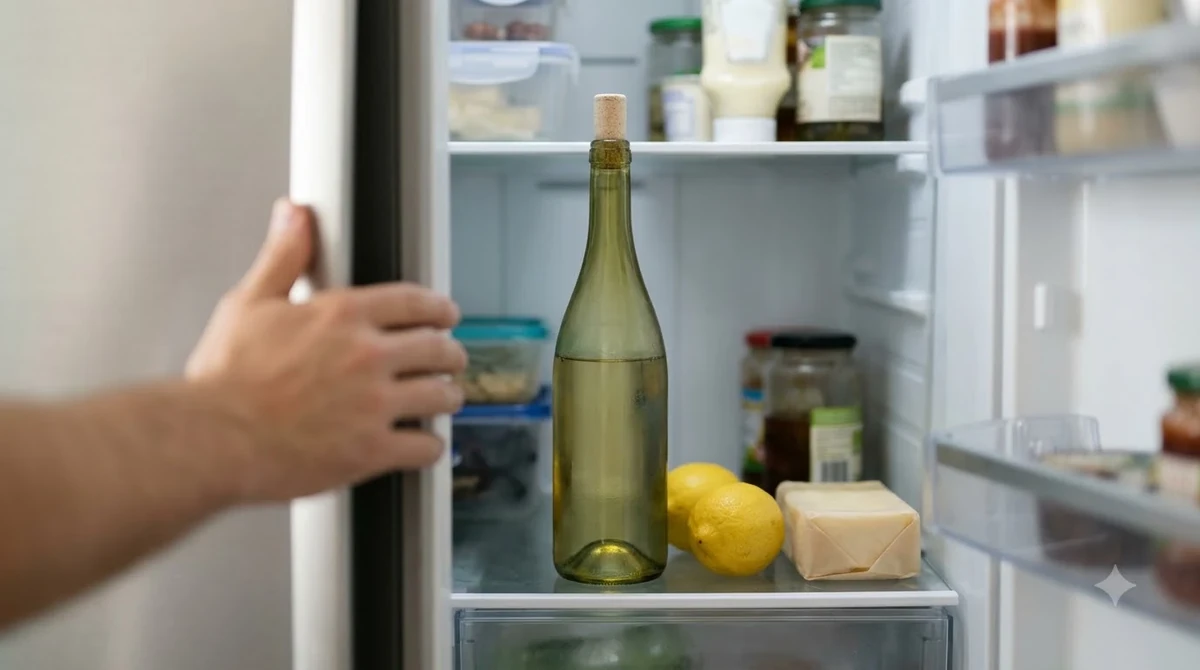
Dry Riesling is generally served at about 11 °C (52 °F), which keeps its acidity lively and its fruit clean. Sweeter styles are usually served a little warmer, so the sugar does not taste overwhelming. The serving temperature does not change the calorie count, but it does change how the sweetness and acidity feel on the palate.
Pour size matters more than most people expect. A standard pour of a dry Riesling and a generous pour of a sweet one can contain very different totals, so the glass size and the amount you pour are as important as the grape. Measuring the pour helps you compare bottles fairly.
Typical Flavors and How They Relate to Sweetness
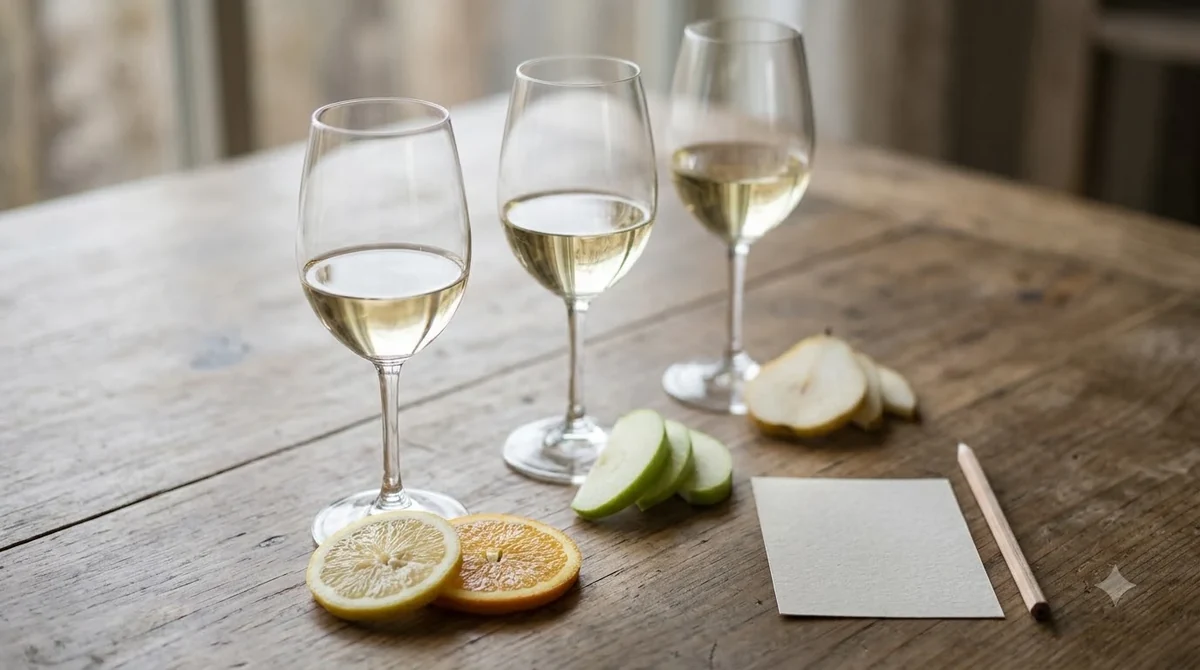
Young Riesling often shows apple and other tree fruit, citrus, peach, honey and floral notes. With age, many develop a petrol-like aroma from the compound TDN, which is prized by many collectors. Australian examples often show lime. The fruit character can make a wine feel lighter than its sugar level suggests, which is one reason a sweet Riesling can still taste balanced.
Acidity plays a central role here. High acidity keeps a sweet Riesling fresh, so the sugar does not dominate. When you compare two bottles, note whether the acidity feels strong or soft, since that balance often tells you as much about sweetness as the label does.
Germany, Alsace and Other Growing Areas
Germany is the leading producer of Riesling, accounting for about 40% of global production. In 2015, Riesling was Germany’s most-planted variety at 23.0%, and it was also the top variety in Alsace at 21.9%. Those figures show how central the grape is to two of Europe’s best-known white wine regions.
Because German and Alsatian producers make Riesling in many sweetness levels, it helps to read the label for the style term. A dry bottle from one region can be very different from a sweet bottle from another, so the region alone does not tell you the calorie profile.
How to Compare Riesling Bottles
Start with the sweetness indication, which many producers print on the back label or in their tasting notes. Then check the alcohol level. Two bottles with the same ABV can still differ in calories if one has more residual sugar, so the sweetness level is the more useful signal for comparing calories.
If the bottle lists nutrition information, compare the figures at the same serving size. If not, the producer’s website or technical sheet may give the residual sugar in grams per litre, which can be converted to a rough estimate for a standard pour.
Common Mistakes When Estimating Riesling Calories
A frequent mistake is assuming that all white wines have the same calorie count. Riesling can differ from a dry Sauvignon Blanc or an oaked Chardonnay because its sweetness range is so wide. Two whites with the same alcohol level may still differ noticeably, so the sugar level is worth checking before you make a comparison.
Another mistake is comparing a dessert Riesling with a table wine at the same pour size. The dessert wine usually carries far more sugar and is often served in a smaller glass for that reason. Comparing the same serving size, or the same bottle volume, gives a clearer picture of the difference.
Finally, relying on a single number can mislead. Calorie figures for wine are estimates, and the actual value depends on the vintage and the producer. Using the label, the producer’s data and a consistent serving size together gives a more dependable result than any one figure on its own.
Frequently Asked Questions
Is dry Riesling lower in calories than sweet Riesling?
Generally, yes. Dry Riesling has less residual sugar, and sugar is a major source of calories alongside alcohol. Sweet styles, especially botrytis and ice wines, carry much more sugar per glass.
What is the alcohol content of Riesling?
Riesling is commonly around 12% to 13% ABV. Alsatian bottles are often around 12%, and Austrian bottles are normally around 13%. Individual wines vary with vintage and winemaking.
Why do sweet Rieslings have so many calories?
Sweet Rieslings keep more of the grape’s natural sugar after fermentation, and botrytis or ice wine styles concentrate that sugar even further. The more sugar left in the wine, the more calories each glass contains.
How can I find the exact calories in a bottle of Riesling?
Check the nutrition panel first. If it is missing, the producer’s technical sheet may list residual sugar and alcohol, which allows a rough estimate for a given pour size.
Calories in Riesling follow the wine’s sweetness and alcohol, so a dry bottle and a dessert bottle can be far apart. If you want to compare how other wine types vary, the calories in mead and calories in merlot pages show how different drinks change the count, and the calories in muscadine guide covers another sweet style. For the grape’s background and sweetness range, the Riesling entry on Wikipedia is a useful reference, and the Wine by Type hub lists related varieties.
More in Wine Types & Grapes
 Zinfandel Sugar Content: Dry Red vs. White Zinfandel GramsUpdated Nov 21, 2026
 Best Zinfandel Substitute Options for Sipping and CookingUpdated Nov 21, 2026
 Zweigelt Food Pairing: Best Dishes, Cheeses, and Serving TipsUpdated Nov 21, 2026
 Zinfandel Tannins Explained: How Structure Shapes Every BottleUpdated Nov 21, 2026
 Zinfandel Sweetness Level: Dry Red vs. Sweet White Zin ExplainedUpdated Nov 21, 2026
 Xinomavro Food Pairing: Best Dishes, Styles, and Serving TipsUpdated Nov 21, 2026