

We may earn a commission when you buy through links on this page, at no extra cost to you. Learn more.
Calories in mead come from its alcohol and its leftover sugar, and the exact number depends on how sweet the bottle is and how strong it is. Mead is an alcoholic drink made by fermenting honey with water, so its sugar comes from honey. Dry styles keep less sugar, while sweet and dessert-style meads keep more, which is why no single calorie figure fits every bottle.
This guide explains what makes mead’s calories vary, how sweetness and alcohol strength change the total, and where to find a reliable number for a specific bottle. It is written for readers who see mead on a menu or shelf and want a clear way to compare it with other drinks.
What Mead Is and Why Its Sugar Matters
Mead is an alcoholic beverage made by fermenting honey mixed with water. Some versions add fruit, spices, grains or hops, but the defining feature is that most of the fermentable sugar comes from the honey. It is made in many styles today, from very dry bottles to sweet dessert versions.
Because the sugar comes from honey, the amount left in the finished drink depends on how far the fermentation goes. Winemakers and meadmakers can let the yeast consume almost all of the sugar, which produces a dry mead, or stop the process earlier to keep sweetness. That choice has more effect on the total than almost anything else.
Where the Calories Come From
Calories in any alcoholic drink come from two main sources: the alcohol itself and any sugar or carbohydrate that remains after fermentation. Alcohol contributes calories even when the drink contains no sugar, so a dry mead with a high alcohol level can still be energy-dense. Residual sugar adds calories on top of that.
Mead’s alcohol level varies widely. Reference sources list a range from about 3.5 percent alcohol by volume up to more than 20 percent, depending on the style and the amount of honey used. A lighter, lower-alcohol mead will have fewer calories from alcohol than a strong, high-alcohol bottle of the same size, and the sweetness adds a separate layer on top of that difference.
In practice, this means you cannot assume that all mead has the same calorie count. Two bottles with the same volume can differ by a meaningful amount depending on their alcohol strength and sugar level, and a general figure is only a rough starting point.
Serving size matters as well. A standard wine glass is a common reference, but a mead served in a small glass or a larger pour will change the total for the same bottle. When you compare drinks, use the same serving size for each one, and note the sweetness and alcohol level next to the number so the comparison is fair.
Dry, Semi-Sweet and Sweet Mead
Mead comes in several sweetness levels. Reference sources note that mead can be dry, semi-sweet or sweet, and that although many people think of it as always sweet, dry styles are common. Some meads keep part of the honey’s sweetness and are considered dessert wines. Sparkling meads are also made, and their sugar and alcohol levels can differ from still versions.
Sweeter meads contain more residual sugar, which means more calories from carbohydrate. Dry meads have less sugar, but they still contain calories from alcohol. The sweetness label on a bottle is therefore the first clue, and the producer’s description or technical sheet is the best next step if you want a specific number.
| Mead style | Sugar level | What drives the calories |
|---|---|---|
| Dry mead | Low | Mostly alcohol |
| Semi-sweet mead | Medium | Alcohol plus some residual sugar |
| Sweet or dessert mead | High | Alcohol plus more residual sugar |
| Sparkling mead | Varies | Depends on sweetness and strength |
Tip: If a bottle does not list its sweetness, look for words such as dry, semi-sweet or dessert on the label. Those words usually point to the sugar level even when no calorie figure is printed.
How Mulled Mead Changes the Count
Mulled mead is a warm, spiced version that is popular at winter gatherings. Reference sources describe it as flavored with spices, sometimes with fruit, and served warm. Adding fruit, honey or sweeteners during preparation can change the calorie count compared with a plain bottle, so a homemade version can differ a lot from a commercial one.
If you make mulled mead at home, the simplest way to estimate the total is to look up each ingredient separately and add them up. Fruit juice, extra honey and sugar all add carbohydrates. Spices add very little, so the sweeteners tend to decide the final number.
How to Find a Reliable Calorie Number
Few mead labels show a calorie or carbohydrate panel, so the most reliable information usually comes from the producer. Look for a technical sheet, a product page or a note about sweetness and alcohol. If the producer gives alcohol by volume and a sweetness level, you already have the two inputs that matter most.
When the producer provides no data, a nutrition database can help. Choose an entry for mead or a similar honey wine that matches the sweetness and alcohol level of your bottle. A general entry for wine or beer will not match a mead closely, and it can be misleading if the sweetness differs.
Serving and Pairing Mead
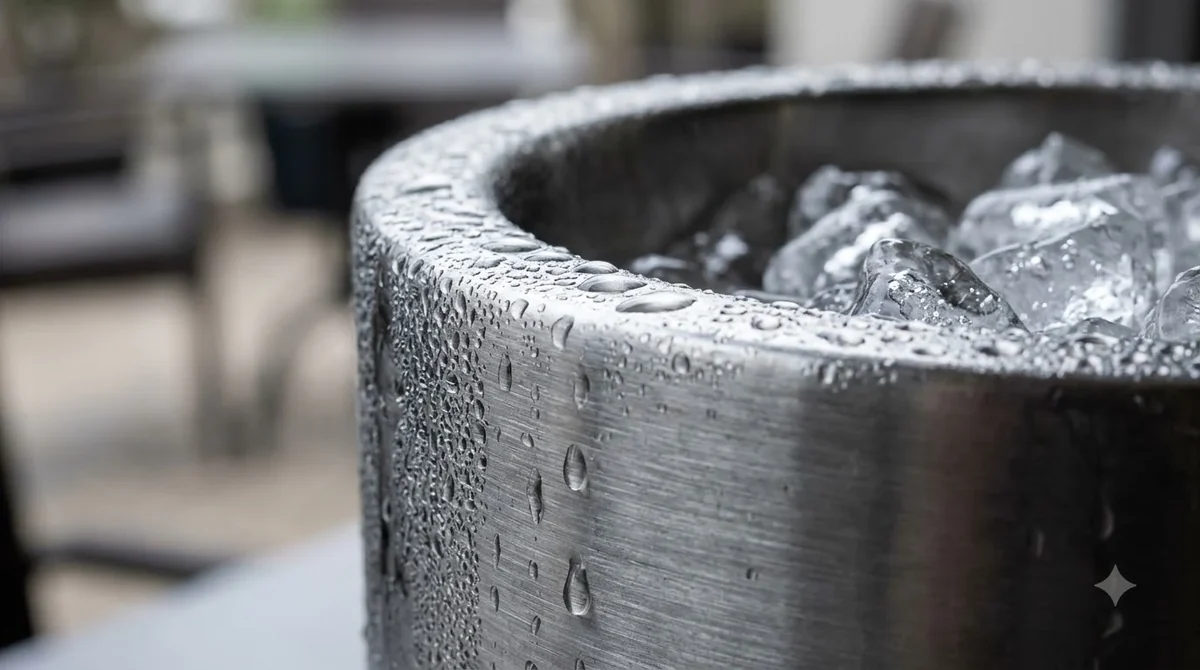
Mead is often served chilled, although the best temperature depends on the style. Dry and sparkling meads are usually easier to enjoy cool, while sweet and dessert styles can be poured slightly warmer so the honey aromas open up. Mulled mead is served warm by tradition.
For pairing, dry mead works with roast poultry, soft cheeses and light salads, while sweet mead suits fruit desserts, mild blue cheese or spiced pastries. Matching the sweetness of the drink to the sweetness of the food is a simple rule that works for most meals.
Sparkling mead is a versatile option for a meal that begins with appetizers. Its bubbles cut through rich or fried foods, and a dry sparkling style can be a light start before the main course. As with any drink, the sweetness on the label is the best guide for choosing the right bottle for each course.
Mead is also a practical choice for gifting or for a small tasting at home. Because the sweetness and alcohol level vary so much, a small set of three or four bottles, each labeled with its style, gives people a clear sense of the range without any guesswork.
Frequently Asked Questions
Does mead have more calories than wine?
It depends on the bottle. Mead’s calories come from its alcohol and its residual sugar, so a sweet mead can be higher than a dry wine, while a dry mead can be lower. Compare the sweetness and alcohol level rather than the drink type alone. Two bottles labeled as wine, one dry and one sweet, can differ as much as a mead and a wine do.
Why are sweet meads higher in calories?
Sweet mead keeps more of the honey’s sugar after fermentation. Sugar contributes calories on top of the calories from alcohol, so sweeter styles usually have a higher total.
Is there a standard calorie count for mead?
No single standard figure fits every bottle, because alcohol level, sweetness and serving size all change the total. A producer’s technical sheet or a nutrition database entry that matches the style is the most useful source.
Does mulled mead have more calories?
It can. Added fruit, honey or sugar during preparation increases the carbohydrate content, while spices add very little. A homemade version can differ a lot from a commercial bottle, so estimate from the ingredients you actually use.
Mead’s calories depend mainly on its alcohol strength and sweetness, so the sweetness label and the producer’s information are the best guides. For a comparison with other drinks, the guides on calories in merlot and calories in muscadine take the same approach to wine styles. If you are deciding how to serve a bottle, the guide on whether mead should be chilled covers temperature, and the wine by type section shows how mead fits among other drinks.
Background on the drink: Mead on Wikipedia.
More in Wine Types & Grapes
 Zinfandel Sugar Content: Dry Red vs. White Zinfandel GramsUpdated Nov 21, 2026
 Best Zinfandel Substitute Options for Sipping and CookingUpdated Nov 21, 2026
 Zweigelt Food Pairing: Best Dishes, Cheeses, and Serving TipsUpdated Nov 21, 2026
 Zinfandel Tannins Explained: How Structure Shapes Every BottleUpdated Nov 21, 2026
 Zinfandel Sweetness Level: Dry Red vs. Sweet White Zin ExplainedUpdated Nov 21, 2026
 Xinomavro Food Pairing: Best Dishes, Styles, and Serving TipsUpdated Nov 21, 2026