
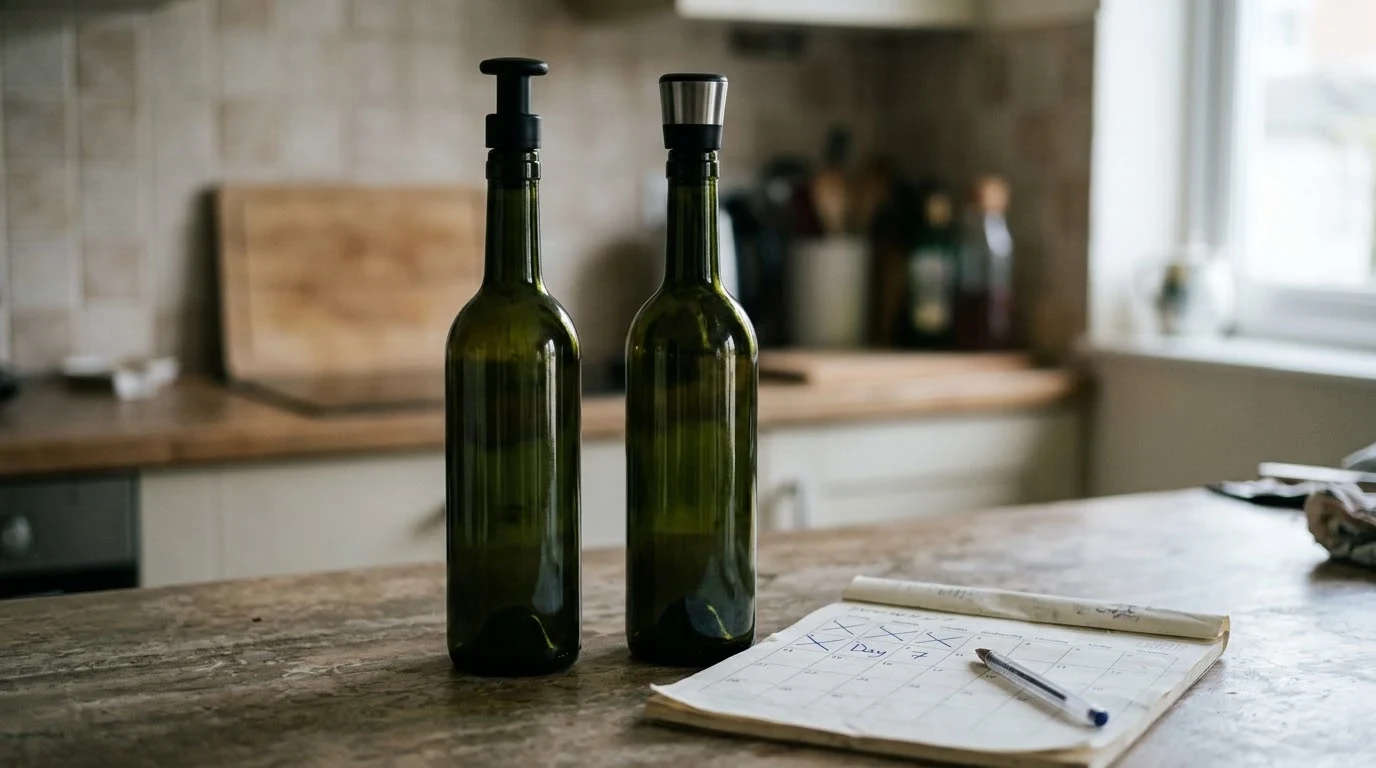

We may earn a commission when you buy through links on this page, at no extra cost to you. Learn more.
The calories in merlot come mainly from alcohol and, to a smaller extent, from leftover sugar in the wine, so a bigger, higher-alcohol merlot generally has more calories than a lighter one. The sources reviewed for this guide did not publish a calorie figure for Merlot, so any single number you find should be checked against the producer’s nutrition information. The main factor to watch is the bottle’s alcohol level, which is printed on most labels.
This guide explains what drives the calorie count in a glass of Merlot, how to read a label for clues, and how Merlot’s style affects what you pour. It keeps to the general factors that shape the number rather than quoting figures that cannot be verified.
Where the Calories in Merlot Come From
Wine contains very little fat or protein, so most of its energy comes from two sources. The first is alcohol, which carries a lot of energy per gram. The second is residual sugar, the small amount of natural sugar left after fermentation. In a dry red like most Merlots, the sugar is low, which means alcohol does most of the work in shaping the calorie count.
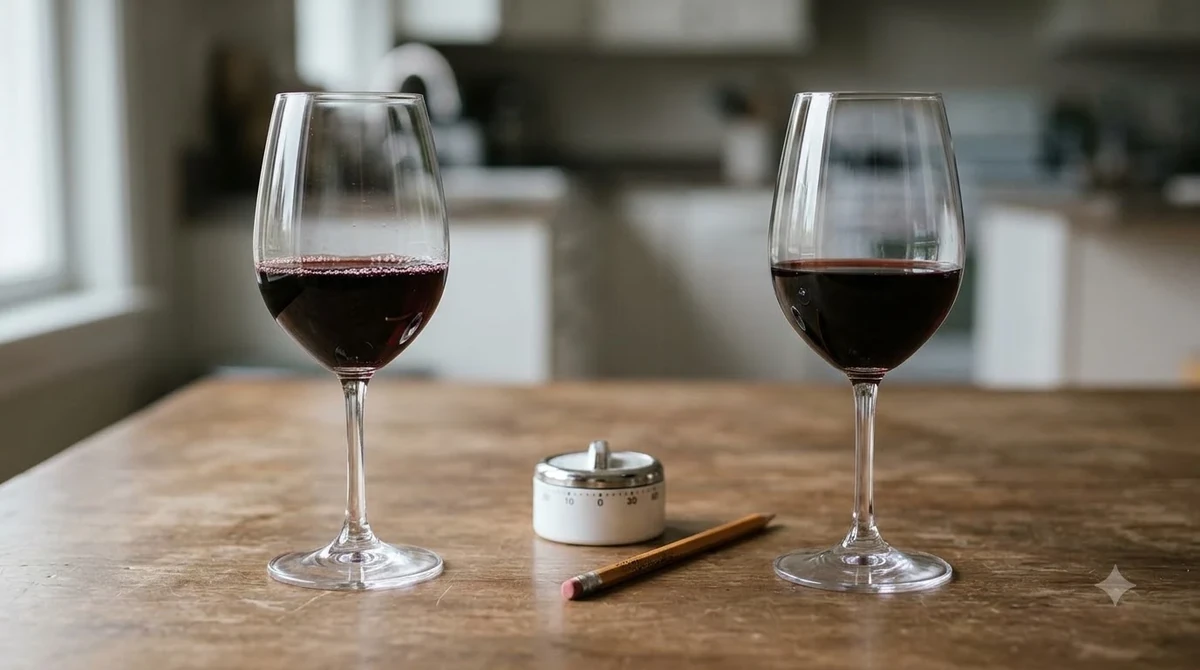
That is why alcohol level is the best clue. Two glasses of wine with the same volume can have quite different energy totals if one is much stronger than the other. A lighter, cooler-climate Merlot may carry less alcohol than a ripe, warm-climate bottle, even when both are labeled as Merlot.
Serving size also changes the total. A standard glass in a restaurant can be larger than the measure many people use at home, and a generous pour adds up over a dinner. Measuring the pour is the simplest way to know what you are drinking.
How Merlot’s Style Affects the Count
Merlot is a red grape known for soft tannins and fruit-forward flavors. According to VinePair’s Merlot guide, the grape typically shows black cherry, blackberry, plum, cocoa, and violet, and the wines are generally lighter than Cabernet Sauvignon with a velvety texture. That lighter structure does not automatically mean fewer calories, because the alcohol level depends on how ripe the grapes were when picked.

Warm-climate Merlots tend to be juicier and fruitier, and they often carry more alcohol. Cool-climate versions can taste leaner and more herbal, and they may have less alcohol. The same grape can therefore produce bottles with noticeably different energy levels, so the climate and the winemaker’s choices matter as much as the variety name.
Oak aging can also influence the feel of the wine, though it does not change the calorie basics much. Heavier, oak-driven Merlots often feel richer in the mouth, and that richness can lead people to assume the wine is higher in calories, even when the alcohol level is similar to a lighter bottle.
How to Read a Merlot Label for Clues
Most wine labels show the alcohol by volume, usually written as ABV or alcohol percentage. This number is the most useful clue for estimating the energy in a glass. A bottle listed near the lower end of the red wine range will generally contain less alcohol per glass than one near the top of that range.
Some producers also publish nutrition information on their websites or back labels, particularly for export markets. When it is available, that data is more reliable than a general estimate. If a producer does not publish it, rely on the alcohol level and the serving size you actually pour.
Be wary of online numbers that do not name a serving size or a source. A calorie figure without a stated pour, alcohol level, or producer is hard to use. The table below lists the factors that most affect the total.
| Factor | Effect on calories | Where to check |
|---|---|---|
| Alcohol level (ABV) | Higher ABV usually means more calories | Front or back label |
| Residual sugar | Small effect in dry styles, larger in sweeter ones | Producer’s tech sheet |
| Pour size | Largest practical effect at home | Measure with a jigger or marked glass |
| Climate of origin | Warmer regions often produce riper, higher-alcohol wines | Region on the label |
Tip: Measure your pour once with a marked glass. Most people find their usual pour is bigger than they expected.
Another useful habit is to write down the bottle’s alcohol level next to the pour you measured. Over a few weeks, that simple log shows how your usual serving compares with the label and makes the numbers easier to use. It also helps if you share bottles with friends, since a single shared bottle can be poured in very different amounts from one person to the next.
Comparing Merlot With Other Drinks
Comparisons help when you are planning a meal or an evening. Merlot is a full-flavored red, so many people choose it for dinner, while lighter options suit a longer, slower evening. The same logic applies to other drinks, since the energy depends on alcohol and sugar rather than on the flavor alone.
For readers curious about other drinks, the calories in mead guide looks at a honey-based drink with its own energy profile. The calories in non alcoholic wine page explains why low-alcohol versions usually contain fewer calories, while the calories in muscadine guide covers a sweeter, native American grape wine.
Keep in mind that these comparisons depend on the exact bottle and pour. Two wines of the same type can differ, so treat any comparison as a starting point rather than an exact measure.
Serving style also changes the picture. A wine served in a large bowl-shaped glass invites a bigger pour than a small stemmed glass, even when the bottle is the same. Using one consistent glass for the whole evening keeps your estimate steady, and it helps you enjoy the wine’s aromas without filling the glass to the brim.
Think of the number on the label as a starting point, not a final answer. Two bottles with the same alcohol percentage can still feel different because of sugar, body, and serving temperature. The aim is to know roughly what you are drinking, so you can plan your evening with the same care you give the food and company.
Frequently Asked Questions
How many calories are in a glass of Merlot?
The sources reviewed for this guide did not give a calorie figure for Merlot. The count depends on the alcohol level and the pour size, so check the producer’s nutrition information or measure your glass and use the bottle’s ABV to estimate.
Does Merlot have more calories than other red wines?
Not necessarily. Merlot is often lighter than Cabernet Sauvignon, but the alcohol level varies with the grape’s ripeness and the climate. A high-alcohol Merlot can carry more energy than a lighter red from another grape.
Does oak aging change the calorie count?
Oak mainly changes flavor and texture. It does not change the calorie basics much, but oak-driven wines can taste richer, which may make them seem higher in calories than they are.
What is the easiest way to estimate calories at home?
Measure your pour, note the bottle’s alcohol percentage, and use any nutrition information the producer publishes. Keep a consistent serving size so your estimates stay comparable over time.
The calories in Merlot depend on the bottle, the alcohol level, and the size of the pour. Read the label, measure what you pour, and check the producer’s information when it is available. With those three steps, you can estimate your intake without relying on a single number that may not match your glass.
More in Wine Types & Grapes
 Zinfandel Sugar Content: Dry Red vs. White Zinfandel GramsUpdated Nov 21, 2026
 Best Zinfandel Substitute Options for Sipping and CookingUpdated Nov 21, 2026
 Zweigelt Food Pairing: Best Dishes, Cheeses, and Serving TipsUpdated Nov 21, 2026
 Zinfandel Tannins Explained: How Structure Shapes Every BottleUpdated Nov 21, 2026
 Zinfandel Sweetness Level: Dry Red vs. Sweet White Zin ExplainedUpdated Nov 21, 2026
 Xinomavro Food Pairing: Best Dishes, Styles, and Serving TipsUpdated Nov 21, 2026