

We may earn a commission when you buy through links on this page, at no extra cost to you. Learn more.
Cahors vineyards are located in southwestern France’s Lot Valley, where Malbec produces distinctive, deeply colored red wines across river terraces and limestone plateaus. This historic wine region is considered the birthplace of Malbec, a grape known locally as Côt or Auxerrois. Its combination of varied soils, sunny autumn conditions, and centuries of winemaking tradition creates wines that range from approachable, fruit-focused reds to structured bottles suitable for extended aging.
Although Argentina has made Malbec internationally famous, the grape has a much older connection to France. Cahors offers a different expression of the variety, shaped by the winding Lot River, the surrounding limestone Causses, and the region’s particular climate. Understanding its geography and growing conditions makes it easier to recognize the differences between Cahors wines and other Malbec-based reds. It also helps explain why two bottles from neighboring vineyards can have noticeably different personalities.
Where the Cahors Vineyards Are Located
The Cahors wine region lies in southwestern France, within the Lot department and the historic Quercy area. Its vineyards follow the winding Lot River, extending through the countryside around the town of Cahors and neighboring winegrowing communities.
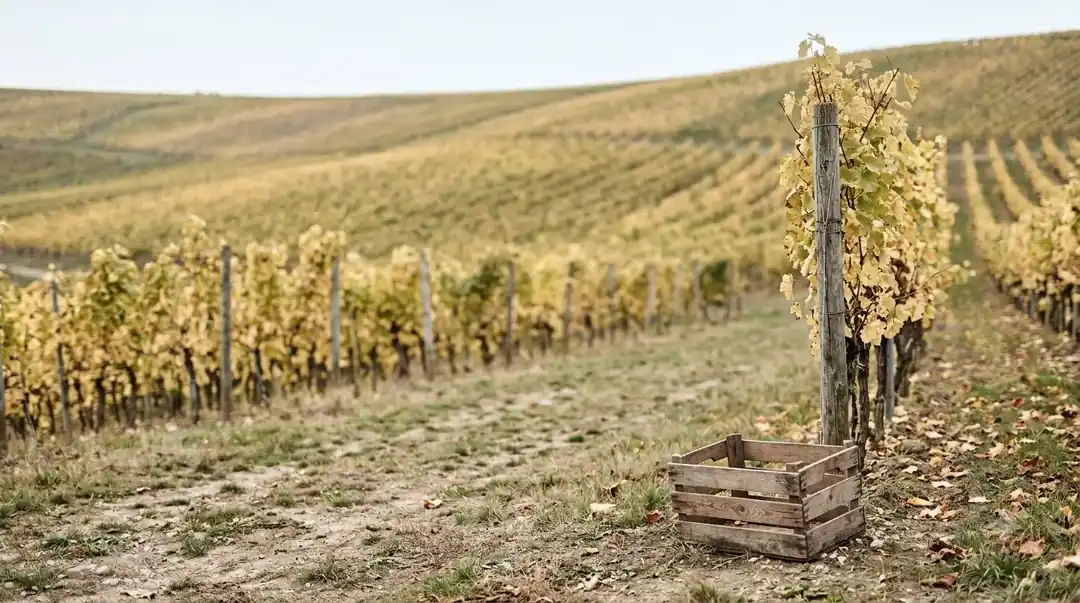
The vineyard landscape stretches roughly along an east-to-west corridor, following the river and its surrounding hills. The river has created a series of broad bends, slopes, terraces, and limestone elevations that provide different growing environments. Instead of occupying one continuous flat plain, the vineyards are distributed across several distinct geographical features.
The appellation includes vineyard communities such as Cahors, Puy-l’Évêque, Prayssac, Luzech, Douelle, and Parnac. These places form part of a larger agricultural landscape where vineyards share the countryside with woodland, meadows, villages, and agricultural fields. The surrounding environment is important because it helps maintain a varied landscape rather than a uniform expanse of vines.
Cahors received French Appellation d’Origine Contrôlée recognition in 1971. This designation established geographical and production requirements that distinguish authentic Cahors wine from other French Malbec wines. The appellation is reserved for red, still wine produced within its defined geographical area. The French INAO’s official Cahors appellation information explains the designation’s geographical identity, wine characteristics, and historical connection with Malbec.
The official designation also protects the relationship between the wine and its place of origin. A red wine made predominantly from Malbec somewhere else in France cannot automatically use the Cahors appellation. Its grapes and production must meet the area’s applicable geographical and regulatory requirements.
For wine enthusiasts comparing European growing regions, Cahors is an interesting contrast to places such as the Chianti Classico vineyards, where Sangiovese and the hills of Tuscany define the regional identity. Cahors is much more closely associated with one dominant red grape and the geological features of a single river valley.
The location also helps explain its historical importance. The Lot River provided a natural route through the surrounding countryside, while the town of Cahors developed as an important local center. Wine production became part of the region’s economic and cultural identity long before modern appellation rules formalized its boundaries.
The Lot River Terraces and Limestone Causses
The defining feature of Cahors geography is the contrast between the alluvial terraces beside the Lot River and the limestone plateaus that rise above the valley. These two main settings account for different vineyard conditions and help explain the diversity of Malbec wines produced in the appellation.
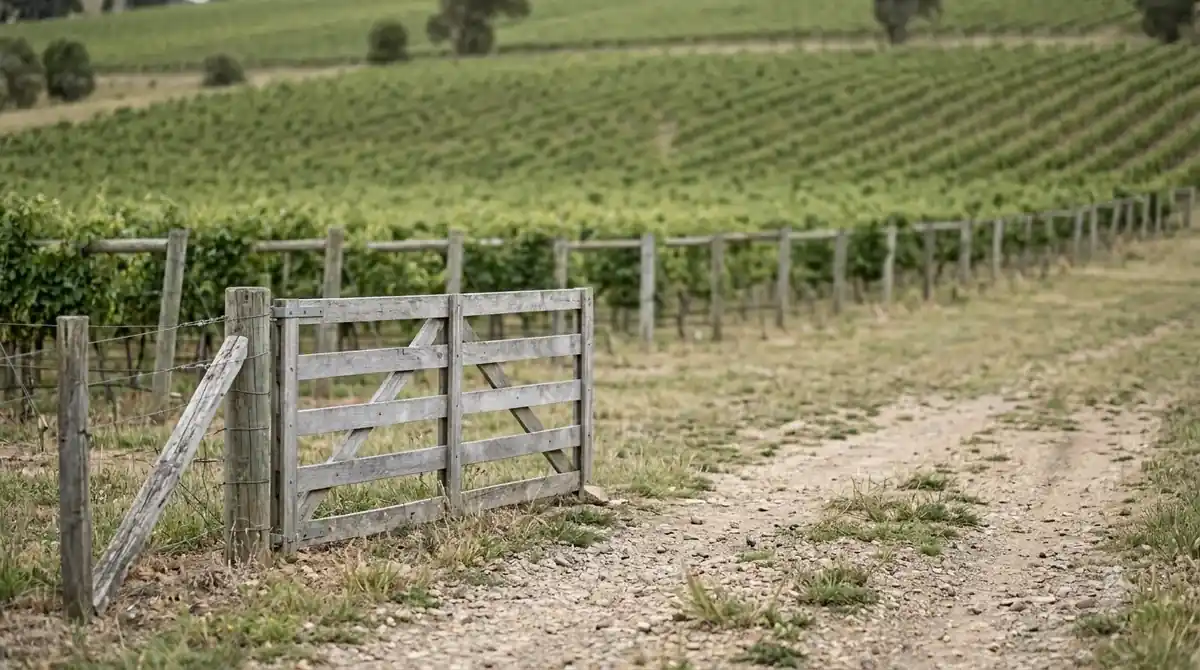
The river has deposited layers of material over long geological periods, creating terraces at different elevations. According to the official Vins de Cahors explanation of its vineyard terroirs, the first, second, and third terraces contain deposits associated with approximately 20,000, 200,000, and 500,000 years of geological history.
The first terrace is relatively close to the river and contains younger alluvial material. Its soils are generally deeper, with sand and loam among their components. These conditions can encourage a fruit-forward expression of Malbec, with a softer presentation that often makes the resulting wines suitable for drinking relatively young.
The second and third terraces have older deposits and different proportions of clay, pebbles, limestone, and other materials. As the terraces rise away from the river, the soils can become shallower and more varied. These changes influence drainage, root development, and the conditions under which vines mature.
The limestone Causses provide a contrasting environment. These elevated plateaus and slopes contain rocky, clay-limestone, and marl-rich soils. The official Cahors terroir classification identifies limestone vineyard areas above 250 meters in elevation, while some of the highest vineyard locations approach 350 meters.
These higher sites can produce Malbec with a different balance of freshness, structure, and aromatic intensity. Limestone and clay combinations influence water availability and root penetration, while elevation contributes another factor to the growing environment. Some locations also contain iron-rich clay, which can contribute to the character and weight of the resulting wine.
| Vineyard feature | Approximate figure | Typical characteristics |
|---|---|---|
| Alluvial terroirs | 60% of vineyard | River deposits, sand, loam, clay, and stones |
| Limestone Causses | 40% of vineyard | Limestone, clay, marl, and rocky soils |
| First river terrace deposits | 20,000 years old | Relatively young alluvial material |
| Second river terrace deposits | 200,000 years old | Older alluvial deposits |
| Third river terrace deposits | 500,000 years old | Older and more developed river deposits |
| Terrace elevations | 90–250 meters | Different elevations above the valley |
| Upper plateau vineyards | Up to 350 meters | Elevated limestone growing sites |
These percentages and geological ages are useful regional reference figures rather than measurements that apply to every individual property. A vineyard can contain several soil types, and the effects of soil cannot be separated completely from grape maturity, exposure, vineyard management, and winemaking choices.
One important distinction is that limestone does not automatically produce a particular flavor. Its influence is part of a wider growing environment. A producer’s farming practices, harvest decisions, and cellar methods also determine whether a Cahors Malbec tastes firm and concentrated or fresh and approachable.
Climate and Growing Conditions in Southwestern France
Cahors benefits from a combination of Atlantic, Mediterranean, and continental influences that helps its Malbec grapes ripen while preserving freshness. The region’s geographical position and sunny autumn conditions are especially important for the development of mature red grapes.
The Atlantic influence contributes moisture and moderates temperatures, while Mediterranean conditions can bring warmer weather. The nearby Massif Central also influences the local climate. Together, these factors create a growing environment that differs from both the cooler Atlantic vineyards farther west and the warmer Mediterranean wine areas farther south.
According to the official Cahors wine organization, the region enjoys a favorable balance of sunshine and rainfall. Its geographical position helps limit some of the humidity associated with Atlantic weather and some autumn rainfall patterns associated with Mediterranean influences. This can give growers useful conditions during the final stages of grape ripening.
Autumn is particularly significant for Malbec. The grapes need sufficient time to develop color, flavor, and ripe tannins. A sunny period before harvest can help growers wait for suitable maturity without facing excessive rainfall that could complicate picking decisions.
Vineyard elevation adds another variable. A site on a higher limestone plateau can experience different temperatures and ripening patterns from a vineyard closer to the river. Differences in slope orientation and exposure also affect how much sunlight reaches the grape clusters throughout the growing season.
Water management is another important consideration. Deep sandy or loamy soils do not retain water in the same way as clay-rich soils. Rocky limestone sites also behave differently depending on the depth of their soil cover and the underlying geology. These variations can influence vine growth during dry periods.
The region’s landscape includes woodland, meadows, shrubs, and agricultural land alongside vineyards. Local winegrowers also use different environmental approaches, including organic farming and conversion programs. Such initiatives reflect an interest in managing vineyard production alongside the wider natural environment.
However, climate and geology should not be treated as guarantees of a particular wine style. Two vineyards at similar elevations may still produce different results because of their exposure, soil depth, vine age, harvest timing, and cellar practices. These details explain why tasting wines from different Cahors producers can be more revealing than relying on a general regional description.
Malbec, Côt, and the Grapes Permitted in Cahors
Malbec is the defining grape of Cahors, where it is also called Côt or Auxerrois. Appellation rules require it to represent at least 70% of the vineyard blend, while Merlot and Tannat are permitted as complementary varieties.
Malbec is responsible for the region’s characteristic deep color and substantial structure. Its dark-fruited profile commonly includes blackberry, black cherry, plum, and sometimes blueberry. Depending on the wine, additional aromas can include violet, pepper, dried herbs, and subtle earthy or savory notes.
The grape has a particularly important historical connection to Quercy. Although international drinkers often associate Malbec with Argentina, the variety originated in southwestern France. Its local names reflect a long history of cultivation and regional identity before the name Malbec became widely established internationally.
How the three permitted grapes contribute
Malbec provides the principal color, fruit concentration, and tannin structure. Its natural characteristics make it suitable for producing both approachable reds and wines that can develop additional complexity through bottle aging.
Merlot can contribute a softer texture and rounder fruit character. When blended with Malbec, it can make the wine feel more approachable, especially when the Malbec component has firm tannins or concentrated fruit. The precise effect depends on the proportion used and the growing conditions of each variety.
Tannat is another permitted variety. It is known for substantial tannin and structure, making it useful when a producer wants additional firmness and depth in a blend. Its contribution is different from Merlot’s softer texture, so the winemaker’s choice depends on the intended character of the finished wine.
Many Cahors wines are made entirely from Malbec, while others use a combination of the permitted grapes. The 70% minimum gives the appellation a recognizable identity without requiring every bottle to have exactly the same blend.
Why Cahors Malbec differs from Argentine Malbec
Both French and Argentine Malbec can display dark fruit and considerable color, but they often differ in their overall balance. Cahors versions commonly emphasize firmer tannins, freshness, savory character, and a more restrained fruit profile. Argentine examples, particularly those from Mendoza, are often associated with riper fruit and a rounder, softer presentation.
These are general tendencies rather than absolute rules. Argentina produces wines from different elevations and climates, while Cahors itself has several distinct terroirs and winemaking approaches. A warm-vintage Cahors and a cool-climate Argentine Malbec may not follow the usual comparison.
For American wine drinkers familiar with Malbec from Mendoza, Cahors offers a useful opportunity to explore the grape’s French expression. The differences become especially interesting when comparing a fresh, fruit-focused Cahors with a more structured bottle from an elevated limestone vineyard.
How Cahors Vineyard Terroir Shapes Wine Style
The diversity of Cahors vineyard soils produces several expressions of Malbec, from lighter and fruitier reds to concentrated wines with firmer tannins and greater aging potential. The main differences involve the growing site’s position, soil composition, elevation, and the producer’s approach to winemaking.
Wines from sandy and relatively deep first-terrace soils are often associated with a direct fruit profile. Blackberry, cherry, and plum may be prominent, with a softer structure that makes the wine approachable without extensive bottle aging. These bottles can be useful introductions to Cahors for drinkers who prefer accessible reds.
Other river terrace sites may produce wines with more concentration. Clay, pebbles, and differences in soil depth can affect vine growth and water availability. Depending on the site and vintage, these wines may show greater density, firmer tannins, and a longer finish.
The limestone slopes and Causses offer another set of possibilities. Their rocky soils and higher elevations can contribute to wines with freshness, aromatic detail, and a more pronounced mineral impression. Iron-rich clay locations may produce wines with additional weight and concentration.
These distinctions should be used as guides rather than rigid categories. A producer can make a relatively light wine from a site capable of producing concentrated fruit by choosing an earlier harvest, gentle extraction, or a different maturation method. Conversely, a river terrace vineyard can yield a structured wine through careful vineyard management and cellar decisions.
Traditional and contemporary winemaking
Cahors has a history of producing dark, powerful red wines often described as black wines. Their deep color and firm tannins helped establish the region’s traditional reputation. These wines could be substantial and long-lived, although their structure sometimes made them less approachable when young.
Contemporary producers increasingly work with a wider range of styles. Some emphasize fresh fruit and restrained extraction, while others retain traditional concentration and structure. This change does not mean that the region has abandoned its heritage. Instead, producers have more options for expressing the different vineyard sites.
Oak is still used, but it is not the only maturation choice. Producers also use amphorae, acacia wood, and limestone tanks alongside more familiar vessels. Each option can influence texture, oxygen exposure, and the way the wine develops.
Some producers aim to preserve fresh fruit by limiting the influence of new oak. Others prefer longer maturation to integrate tannins and develop additional complexity. The best approach depends on the fruit, the vineyard, and the intended release style rather than on a universal regional formula.
The appellation also requires a minimum six-month aging period at the producer, according to INAO. That requirement provides a baseline for production, but individual wines may spend substantially longer maturing before reaching consumers.
For more regional comparisons, exploring the Wine Regions section can help put Cahors into context alongside other French and international growing areas. Its relationship between one dominant grape and varied geological conditions is particularly interesting when compared with regions that depend on several major varieties.
Choosing, Serving, and Pairing Cahors Wines
The best way to choose a Cahors wine is to start with the style you enjoy: a fruit-forward red for earlier drinking or a more structured Malbec for a substantial meal and possible aging. Serving temperature, decanting, and food selection can also make a noticeable difference to the drinking experience.
Understanding the style on the bottle
A younger, fruit-focused Cahors can be a good choice for everyday meals and casual gatherings. Look for descriptions emphasizing fresh blackberry, plum, cherry, and approachable tannins. These wines generally need less preparation and can be enjoyed shortly after opening.
More concentrated examples are suitable for drinkers who enjoy firm tannins and savory complexity. These bottles may show darker fruit, pepper, dried herbs, earthy notes, and a substantial finish. Wines with more structure can benefit from additional bottle aging, depending on the vintage and the producer’s methods.
Producer information can also help distinguish styles. A winery that emphasizes fruit preservation and minimal oak may offer a different experience from one that uses extended maturation and more substantial extraction. Neither approach is inherently superior; the right choice depends on the occasion and personal preference.
Serving temperature and decanting
Serve a full-bodied Cahors Malbec at approximately 60–65°F. This temperature range allows the wine to express its fruit and aromatic complexity without making the alcohol seem overly prominent. If the bottle is stored at a typical warm room temperature, a short period in the refrigerator can bring it closer to the preferred serving range.
Young, full-bodied reds can benefit from 30–60 minutes of decanting. Exposure to air may soften the initial impression of firm tannins and allow aromas to become more expressive. Older bottles require more care because extended aeration can cause delicate aromas to fade.
A standard five-ounce pour is a useful serving size. A 750-milliliter bottle provides approximately five such glasses, making it straightforward to plan portions for a dinner party.
Food pairings for Cahors Malbec
The firm tannins and dark fruit of Cahors make it a natural partner for rich, savory dishes. Grilled beef, lamb, roasted pork, and slow-cooked meats are particularly suitable. The fat and protein in these foods can soften the perception of tannin, creating a more balanced combination.
French regional dishes provide especially appealing matches. Duck confit, cassoulet, grilled lamb, and beef braised with herbs all offer substantial flavors that can complement the wine’s structure. Mushroom-based dishes can also work well, particularly when they include roasted vegetables, thyme, or other savory ingredients.
For a simpler meal, pair Cahors with grilled sausages, roasted eggplant, or a hearty lentil dish. Hard cheeses with sufficient richness can also provide a pleasant contrast to the wine’s tannins. The key is to select foods with enough flavor and texture to stand alongside the wine.
Very spicy dishes are less reliable matches because alcohol and tannin can amplify chili heat. Oily fish can also clash with tannic red wines. If seafood is on the menu, a lighter, less tannic wine is generally a more suitable choice.
Tip: For a classic pairing, serve a structured Cahors Malbec with grilled lamb or slow-braised beef. Aim for a serving temperature of 60–65°F, and allow a young, full-bodied bottle 30–60 minutes in a decanter before dinner.
Storage matters if you intend to keep a bottle for a future occasion. Store unopened bottles on their sides in a dark location near 55°F, away from temperature fluctuations, direct sunlight, and vibration. This helps protect the wine during maturation.
After opening, reseal the bottle and refrigerate it. Most still wines retain useful freshness for approximately three to five days under suitable storage conditions. Bring the remaining wine back toward its appropriate serving temperature before pouring another glass.
Travelers who enjoy discovering other wine-growing landscapes may also find the Uruguay vineyards interesting. Uruguay’s Tannat-based wines provide a useful comparison with one of the supplementary grapes permitted in Cahors, although the two regions have different climates and wine traditions.
Frequently Asked Questions
Is Cahors the original home of Malbec?
Yes. Malbec has its historical origins in southwestern France, particularly the Quercy area associated with Cahors. The grape has also been known historically by names including Côt and Auxerrois. Its international reputation grew considerably after its successful establishment in Argentina.
What is the difference between Cahors and Malbec on a wine label?
Cahors identifies a protected French geographical appellation, while Malbec identifies a grape variety. A bottle labeled Cahors must meet the appellation’s geographical and production requirements. A wine labeled Malbec can come from many countries, including Argentina, France, Chile, and the United States.
Are all Cahors wines made from 100% Malbec?
No. The appellation requires at least 70% Malbec, but producers may include permitted quantities of Merlot and Tannat. Some wineries choose to use only Malbec, while others blend the varieties to create a different balance of fruit, texture, and tannin.
Does Cahors produce white or sparkling wine?
The Cahors AOP designation is reserved for red, still wines. White and sparkling wines may be produced elsewhere in the wider Lot department, but they cannot automatically carry the Cahors red-wine appellation. This distinction is important when exploring wines from southwestern France.
What is the best time of year to visit Cahors vineyards?
Late summer and early autumn are appealing periods for discovering the vineyards, with harvest activity generally taking place during the autumn months depending on the vintage. Spring also offers attractive countryside scenery and an opportunity to see the vines during their growing season. Winery visits should be arranged ahead of time, particularly during harvest.
Cahors vineyards offer an unusually clear illustration of how geography, geology, and grape variety work together to shape a wine region. From the sandy terraces beside the Lot River to the elevated limestone Causses, each growing environment contributes another dimension to France’s original Malbec country. Whether you prefer a fresh, youthful red or a deeply structured bottle for the cellar, Cahors provides an engaging expression of Malbec that deserves attention beyond its Argentine counterpart.
More in Wine Regions
 Willcox Wine Trail: Discover Arizona’s High-Elevation Wine CountryUpdated Nov 20, 2026
 Yakima Valley Wine Region: Find the Best Styles to TryUpdated Nov 20, 2026
 Vosne Romanee Wine Tasting: Identify Aromas and Choose Better PairingsUpdated Nov 20, 2026
 Yakima Valley Wine Festival: Find the Best Seasonal Wine EventsUpdated Nov 20, 2026
 Wales Vineyards: Discover Cool-Climate Wines and Where to VisitUpdated Nov 20, 2026
 Yountville Wine Festival: Discover Napa Wines and Local FoodUpdated Nov 20, 2026