

We may earn a commission when you buy through links on this page, at no extra cost to you. Learn more.
Cabernet franc color is typically medium ruby red, with youthful wines sometimes showing violet or purple highlights and mature bottles developing garnet and brick-red tones. Compared with Cabernet Sauvignon, Cabernet Franc generally produces a lighter, more translucent red wine. Its appearance depends on grape ripeness, growing climate, extraction during fermentation, and bottle age. Learning to recognize these shades makes it easier to identify the grape and understand the style of wine in your glass.
Cabernet Franc deserves attention for more than its place in Bordeaux blends. It is an important standalone red grape in France’s Loire Valley and has developed distinctive expressions in regions such as Mendoza, Argentina, and New York’s Finger Lakes. Its color can provide useful clues about its growing environment and winemaking, although appearance alone cannot establish a wine’s origin or quality. From bright ruby to deep violet and mature garnet, the range is wider than many drinkers expect.
The Typical Color of Cabernet Franc Wine
Most Cabernet Franc wines display a medium ruby-red color, often with a noticeable purple or crimson edge when young. The wine usually has enough transparency to distinguish it from the darker, more opaque appearance commonly associated with Cabernet Sauvignon.
In a young bottle, the center of the glass may look bright ruby or dark cherry red, while the outer edge shows violet or magenta reflections. Some examples have a deeper purple appearance, particularly when made from ripe grapes in warmer climates. These differences are normal and reflect variations in grape growing and cellar practices rather than different grape varieties.
The color also depends on how much light passes through the wine. Hold a glass against a white background under natural light and look at both the center and the rim. A medium-colored Cabernet Franc often allows some light through its edges, creating a brighter appearance than a dense, dark red such as a concentrated Cabernet Sauvignon.
Tenute Venturini Foschi describes pure Cabernet Franc wines as having a brilliant ruby-red appearance that moves toward garnet with aging. This is a useful general description because it captures the grape’s typical visual development without suggesting that every bottle has exactly the same shade.
The color may also differ between wines made from the same grape in different regions. A Loire Valley Chinon may appear relatively light and bright, while a Cabernet Franc from Mendoza can show a more concentrated violet-red tone. Neither appearance is automatically superior.
For a broader understanding of the grape’s identity, its color is best considered alongside its aromas and structure. The red-fruit character, herbal notes, and relatively moderate tannin levels help distinguish it from darker, more powerful Cabernet Sauvignon wines.
Why Cabernet Franc Has Ruby, Red, and Purple Pigments
The main compounds responsible for Cabernet Franc’s red and purple appearance are anthocyanins, natural pigments concentrated in grape skins. Their extraction during winemaking determines much of the color that eventually appears in the finished wine.
Red wine grapes contain pigment-rich skins surrounding relatively pale, almost colorless juice. During fermentation, the grape skins remain in contact with the juice, allowing anthocyanins and other phenolic compounds to enter the liquid. This process is called extraction or maceration.
Cabernet Franc berries develop a deep blue-black appearance as they mature on the vine. Wine Enthusiast describes the grape as developing this color late in the growing season. The physical appearance of the berries should not be confused with the final color of the wine, because extraction and cellar techniques influence the finished appearance.
Once the grapes are crushed, several factors influence how much pigment moves from the skins into the fermenting juice. These include the length of skin contact, fermentation temperature, the condition of the grapes, and cellar extraction techniques. A winemaker seeking a lighter, more delicate red may use a different extraction approach from one producing a concentrated, structured wine.
Scientific research published in the Journal of Agricultural and Food Chemistry examined anthocyanins, phenolics, and color in Cabernet Franc, Merlot, and Pinot Noir wines from British Columbia. The study found that anthocyanin concentrations and distribution varied by grape variety and growing season.
The researchers also observed that anthocyanins and color density increased during early alcoholic fermentation, reaching maximum levels approximately two to three days after fermentation began in the studied wines. These findings demonstrate why the final appearance cannot be predicted from grape skin color alone.
Another important distinction is that Cabernet Franc generally produces less intense color than Cabernet Sauvignon. Wine Enthusiast also notes that Cabernet Franc tends to have lighter tannins than its better-known offspring. These differences help explain why a typical Cabernet Franc can look more translucent in the glass.
Tip: Look at the wine against a white background rather than judging its color under yellow indoor lighting. Natural daylight makes ruby, purple, and garnet differences easier to recognize.
How Climate and Region Change Cabernet Franc Color
Growing conditions influence Cabernet Franc color, particularly through grape ripeness, sunlight exposure, and the development of phenolic compounds. Cooler-climate wines often appear brighter and lighter, while warmer-region examples can have deeper violet and ruby tones.
The Loire Valley in France is one of the classic homes of Cabernet Franc. Appellations including Chinon, Bourgueil, Saint-Nicolas-de-Bourgueil, and Saumur-Champigny are known for varietal expressions of the grape. These wines frequently emphasize red cherry, raspberry, fresh herbs, and floral notes, with colors ranging from translucent ruby to medium crimson.
Cooler conditions can produce wines with a fresher impression and less concentrated fruit. Their color may look relatively bright rather than dark and opaque. However, a cooler growing season does not guarantee pale wine, because vineyard exposure, harvest decisions, grape condition, and extraction also matter.
Warmer regions can produce a different visual profile. Cabernet Franc from warmer parts of Bordeaux and other international growing areas may show darker plum and blueberry characteristics alongside firmer tannins. Its wine color can also appear more saturated than a lighter Loire example.
Mendoza and high-altitude vineyards
Mendoza, Argentina, provides an especially interesting contrast. Wines of Argentina describes Cabernet Franc as well adapted to the region’s dry climate and high-altitude vineyards, including sites above 900 meters. Its regional description identifies a deep violet color, expressive fruit, and firm tannins.
This darker style does not mean that every Argentine Cabernet Franc is nearly black. Individual vineyards, harvest conditions, and cellar decisions can produce noticeable differences. Nevertheless, Mendoza provides a useful example of how the grape can develop a more concentrated visual expression outside its traditional French growing areas.
Other international regions, including California, Washington, Virginia, and New York, also produce Cabernet Franc. Their different climates and growing seasons contribute to a wide range of appearances, from bright ruby to deeper purple-red.
Research on Cabernet Franc wines from British Columbia found that greater cluster sun exposure was associated with higher phenolic levels and greater wine color density in the studied samples. This helps explain why vineyard conditions can influence the color even when the grape variety remains unchanged.
Cabernet Franc Color Compared With Other Red Wines
Cabernet Franc generally sits between lighter-colored red wines and deeply pigmented varieties. Its medium ruby appearance is usually less intense than Cabernet Sauvignon, while its color can be more pronounced than that of many delicate Pinot Noir wines.
Comparing several familiar varieties makes the distinction easier to understand. The following descriptions represent typical visual tendencies rather than strict rules for every bottle.
| Red grape | Typical wine color | Visual intensity | Common comparison |
|---|---|---|---|
| Pinot Noir | Light ruby to garnet | Light to medium | Often more translucent |
| Gamay | Bright ruby to purple | Light to medium | Fresh and bright appearance |
| Cabernet Franc | Ruby, crimson, or violet | Medium | Usually lighter than Cabernet Sauvignon |
| Merlot | Ruby to dark ruby | Medium to deep | Often rounded and moderately concentrated |
| Syrah | Deep ruby to purple | Medium to deep | Often darker and more saturated |
| Cabernet Sauvignon | Deep ruby to purple | Deep | Typically darker and more opaque |
The comparison with Cabernet Sauvignon is particularly useful because the two grapes are closely related. Cabernet Sauvignon is the offspring of Cabernet Franc and Sauvignon Blanc, a relationship confirmed through DNA research in 1997. Despite their genetic connection, their wines often look quite different.
Cabernet Sauvignon typically has high tannin and a darker appearance. Cabernet Franc generally has lower tannin and lighter color intensity. This distinction can be noticeable when two varietal wines are poured side by side into identical glasses.
Merlot is another useful comparison. Its color can be medium to deep ruby, and its tannins are usually softer than those of Cabernet Sauvignon. Cabernet Franc, however, often shows a more noticeable herbal and floral character, which contributes to its distinct personality.
Syrah tends to produce darker wines, frequently with purple or nearly opaque centers. Its medium-plus to high tannin structure also contrasts with the generally more moderate tannins of Cabernet Franc.
For readers exploring different varieties, the Wine by Type resource offers a useful starting point for understanding how grape selection affects appearance, aroma, and structure.
How Cabernet Franc Color Changes With Age
Cabernet Franc typically moves from bright ruby and violet shades toward garnet, brick red, and sometimes brownish-red tones as it ages. These changes result from chemical reactions involving anthocyanins and other phenolic compounds during bottle storage.
A young Cabernet Franc often has a vivid appearance. Its purple or crimson highlights can be especially noticeable around the rim, while the center of the glass remains ruby red. Fresh examples may look bright and relatively transparent.
With time, the color usually becomes less purple and more garnet. The outer edge may develop orange or brick-red reflections, while the center can become less vivid. This process is gradual and depends on the wine’s composition, storage conditions, and initial concentration.
Young Cabernet Franc
During the first few years after release, many Cabernet Franc wines retain their fresh ruby character. Some may show distinctly violet highlights, especially those made in a ripe, concentrated style.
The aromas often emphasize raspberry, red cherry, strawberry, fresh herbs, and violet. The wine’s acidity and fruit freshness can be particularly noticeable, making young examples attractive for drinking without extended cellaring.
Mature Cabernet Franc
As the wine develops, the visual shift toward garnet becomes more noticeable. The purple edge gradually fades, and the rim may appear orange or brick-like. These changes can accompany the development of dried fruit, tobacco, earth, leather, and other mature aromas.
Research into Cabernet Franc wine color has documented changes in anthocyanin levels during fermentation and subsequent storage. The study found that color density declined gradually during storage after earlier fermentation-related changes. This helps explain why an older bottle may appear less vivid than it did when young.
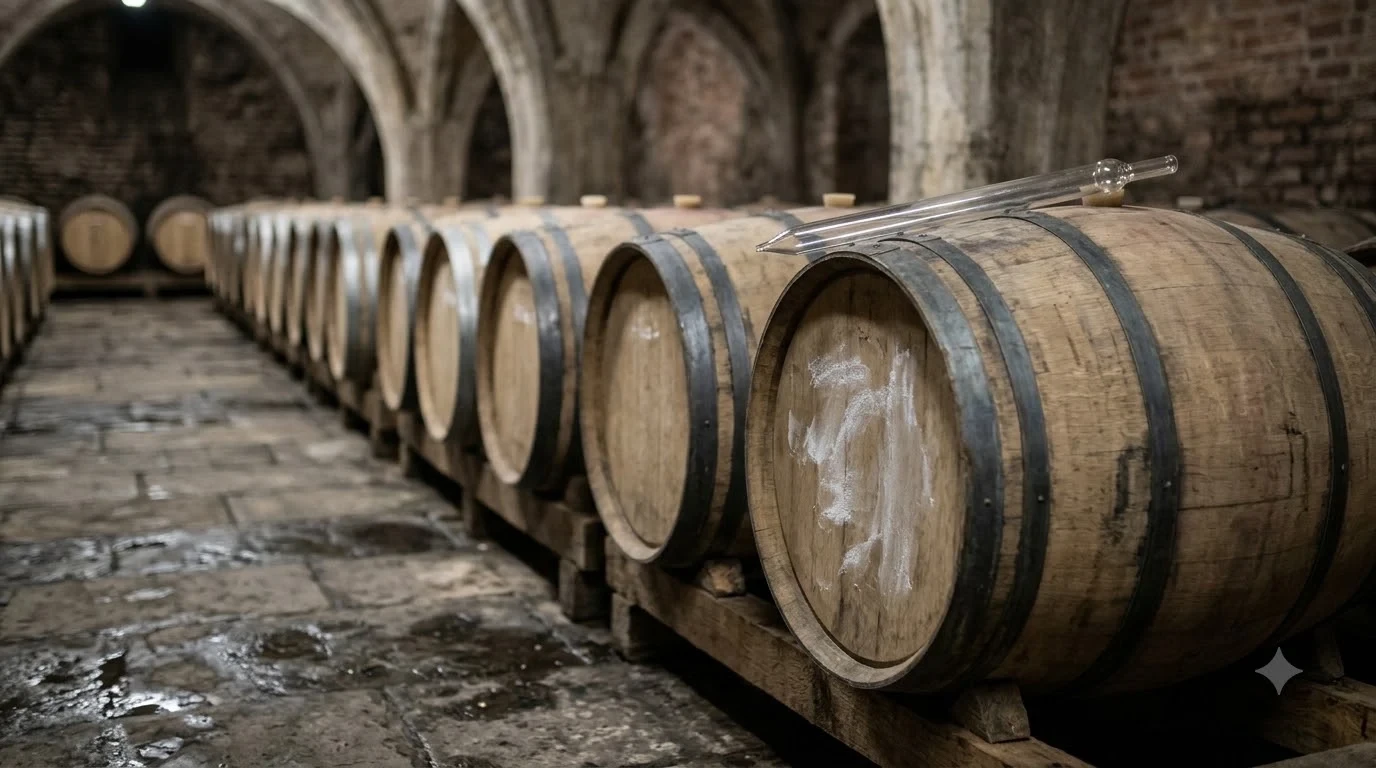
However, color alone cannot establish the exact age of a wine. A relatively young Cabernet Franc made with gentle extraction can appear lighter than an older wine made from highly concentrated grapes. Bottle storage also matters: excessive heat and exposure to unsuitable conditions can accelerate undesirable changes.
For a well-made bottle intended for aging, store it on its side in a cool, dark environment near 55°F. Avoid frequent temperature changes and direct sunlight, both of which can compromise wine quality.
How to Examine Cabernet Franc Color Correctly
A simple visual examination can reveal useful information about Cabernet Franc’s concentration, maturity, and general style. Use consistent lighting, a clear glass, and a white background to make the observations easier to compare.
Start by pouring a standard 5-ounce serving into a clean wine glass. A glass with a clear bowl and enough room to tilt the wine will make the center and rim easier to examine. Avoid colored glassware because it can distort the wine’s natural appearance.
Examine the center of the glass
Look down through the middle of the wine. A typical medium-bodied Cabernet Franc may show medium ruby or cherry red. A more concentrated example can look dark ruby or violet-red.
If the wine appears almost black, that does not automatically mean it is Cabernet Sauvignon. Concentrated Cabernet Franc from warmer regions can also produce substantial color, particularly when the winemaker uses extended skin contact.
Look at the rim
Tilt the glass slightly against a white surface and observe the outer edge. Young Cabernet Franc may show purple, crimson, or magenta reflections. Older examples often display garnet, orange, or brick-red tones.
The rim is especially useful because changes in color frequently become visible there before they are obvious in the center of the glass. However, a narrow rim or a dark glass bowl can make this distinction difficult.
Check transparency and concentration
Look through the glass from the side. If light passes through the wine relatively easily, it has a more translucent appearance. If very little light passes through, the wine is more opaque and concentrated in appearance.
Remember that transparency is not a quality score. A lighter Chinon can be an excellent example of Cabernet Franc, just as a deeply colored Mendoza wine can be an excellent expression of the same grape.
Finally, compare appearance with aroma and taste. Red cherry, raspberry, violet, bell pepper, and fresh herbs are useful aromatic clues. The wine’s acidity and tannin also help establish whether its overall profile matches the style suggested by its color.
For a fuller sensory description, read what Cabernet Franc tastes like. The combination of appearance, aroma, and palate provides a much more reliable impression than color by itself.
What Cabernet Franc Color Reveals About Winemaking
The appearance of Cabernet Franc is influenced not only by vineyard conditions but also by decisions made in the cellar. Skin contact, fermentation management, blending, and aging can all affect the final shade and intensity.
One of the most important decisions is maceration length. During this stage, grape juice remains in contact with the skins, allowing pigments and other phenolic compounds to enter the wine. Longer contact can increase extraction, although the outcome also depends on grape condition and the winemaker’s approach.
Temperature management during fermentation also influences extraction. Winemakers can adjust their methods to produce a lighter, fruit-focused style or a more concentrated wine. These choices help explain why two Cabernet Franc wines from the same region can have different shades.
Varietal Cabernet Franc versus blends
Cabernet Franc can be bottled as a single-variety wine or included in blends. In Bordeaux, it is often combined with Merlot and Cabernet Sauvignon. The resulting appearance depends on the proportions of the grapes and the characteristics of each component.
When blended with Cabernet Sauvignon, Cabernet Franc can contribute aromatic complexity and freshness. The darker grape may increase the overall visual intensity, although the precise result depends on the proportions and winemaking techniques.
In the Loire Valley, Cabernet Franc is frequently vinified on its own. This allows the grape’s ruby color, fresh acidity, red-fruit aromas, and herbal characteristics to remain prominent.
Different wine styles
Cabernet Franc is not restricted to conventional dry red wine. It can also be used to make rosé, sparkling wine, and other specialized styles. These wines can have very different appearances because the winemaker controls how much pigment is extracted from the skins.
A Cabernet Franc rosé usually has a pale pink to deeper salmon appearance, depending on the method and duration of skin contact. Its color is much lighter than that of a conventional red bottling, even though both wines come from the same grape.
White wine made from red grapes is also possible when the juice is separated from the skins quickly enough to limit pigment extraction. This demonstrates an important principle: the grape’s skin color does not determine the exact color of every wine made from it.
To understand the complete identity of a bottle, it is helpful to consider the grape, growing region, and winemaking style together. You can also learn how to pronounce Cabernet Franc before exploring wines from its different regions.
For additional background on the grape’s regional characteristics, Wine Enthusiast’s Cabernet Franc grape profile explains its Loire Valley origins, Bordeaux blending role, and differences from Cabernet Sauvignon.
Frequently Asked Questions
Is Cabernet Franc always a red wine?
No. Although dry red wine is its best-known style, Cabernet Franc can also produce rosé, white, sparkling, and Ice Wines. These styles depend on the winemaker’s production method and how the grape juice is handled after harvesting.
Can Cabernet Franc stain your teeth?
Yes. Like other red wines, Cabernet Franc contains natural pigments and phenolic compounds that can temporarily contribute to staining. The extent depends on the wine’s composition and individual circumstances, rather than grape variety alone.
Does Cabernet Franc have a naturally blue grape skin?
Its mature berries are generally deep blue-black rather than bright blue. They also have a waxy surface bloom that can make the grapes appear dusty or pale under certain lighting. The appearance of the berries is different from the ruby or violet color of the finished wine.
Can Cabernet Franc develop sediment in the bottle?
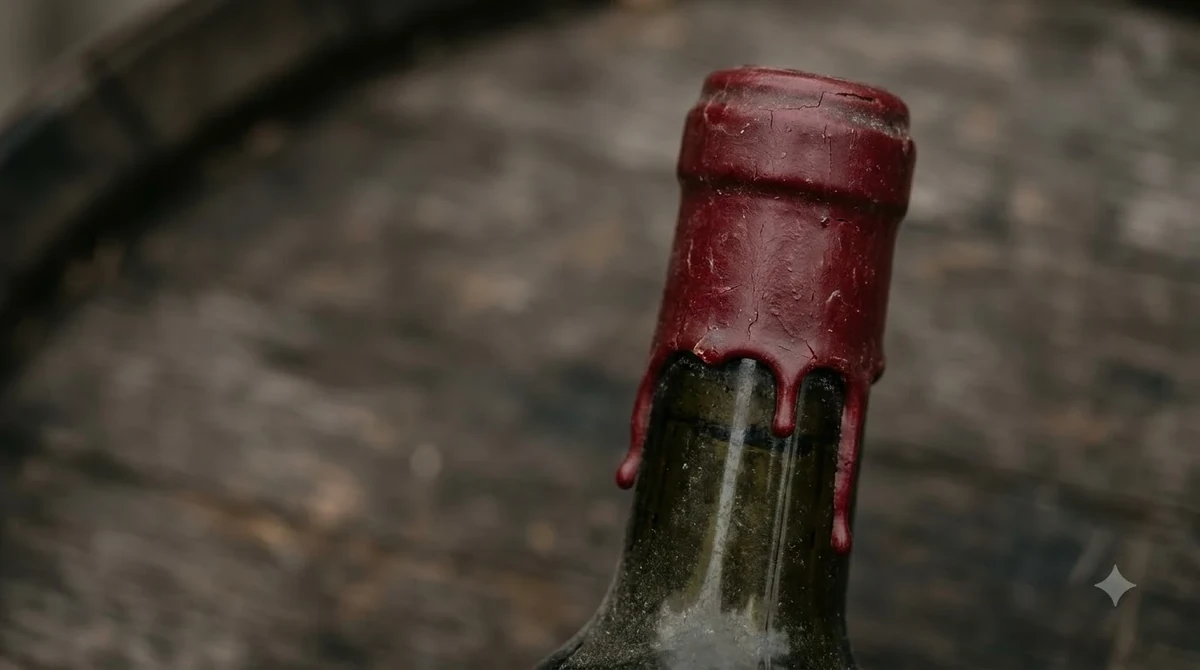
Yes. Older red wines can develop sediment as tannins, pigments, and other compounds combine and settle over time. This is a natural occurrence in some bottles and does not automatically indicate spoilage. Carefully decanting an older wine can help separate the liquid from the deposit.
Is Cabernet Franc suitable for serving in a decanter?
Yes, particularly young, structured examples that benefit from some exposure to air. A young full-bodied Cabernet Franc may benefit from approximately 30 to 60 minutes of decanting, while lighter and older examples may need less time. Handle mature bottles gently because excessive aeration can cause delicate aromas to fade.
Cabernet Franc is typically a medium-ruby red wine, although its appearance can range from youthful violet to mature garnet depending on climate, winemaking, and age. Its color is a useful starting point for recognizing the grape, but the best understanding comes from considering its aromas, acidity, tannins, and regional character together. When choosing your next bottle, compare a Loire Valley example with a Mendoza Cabernet Franc to see how differently the same grape can express itself.
More in Wine Types & Grapes
 What Does Mourvèdre Taste Like? Flavor Profile, Regions, and PairingsUpdated Nov 20, 2026
 What Does Marsanne Taste Like? Flavors, Styles, and Food PairingsUpdated Nov 20, 2026
 What Does Malvasia Taste Like? Styles, Flavors, and Food PairingsUpdated Nov 20, 2026
 What Does Grenache Blanc Taste Like? Flavor Profile, Styles, and PairingsUpdated Nov 20, 2026
 What Does Garnacha Taste Like? Key Flavors, Styles, and Pairing TipsUpdated Nov 20, 2026
 What Does Fruit Wine Taste Like? A Complete Flavor and Style BreakdownUpdated Nov 20, 2026