

We may earn a commission when you buy through links on this page, at no extra cost to you. Learn more.
Butter Chardonnay alcohol content is listed at 14.8% alcohol by volume (ABV) for the standard JaM Cellars bottling. That is a relatively full-strength figure for a white wine and sits above the 12%–14% range often used for balanced, structured Chardonnay. The percentage measures alcohol, not sweetness, so the wine’s creamy texture and ripe-fruit character are separate parts of the experience. Bottle listings identify the wine as a 750 mL California Chardonnay.
Butter Chardonnay is known for a rounded, oak-influenced style, but its alcohol figure deserves attention in its own right. Understanding what 14.8% means helps with comparing bottles, choosing a pour size, setting the serving temperature, and deciding which foods will work alongside the wine. It also prevents a common mix-up: a Chardonnay can taste rich or buttery without necessarily being sweet.
Butter Chardonnay’s Listed Alcohol Level
The standard JaM Cellars Butter Chardonnay is listed at 14.8% ABV. Wine.com’s product details identify the bottling as a non-vintage California Chardonnay from JaM Cellars, packaged in a 750 mL bottle; its listing gives 14.8% as the alcohol figure. That is the useful starting point for shoppers comparing the original Butter Chardonnay with another white wine.
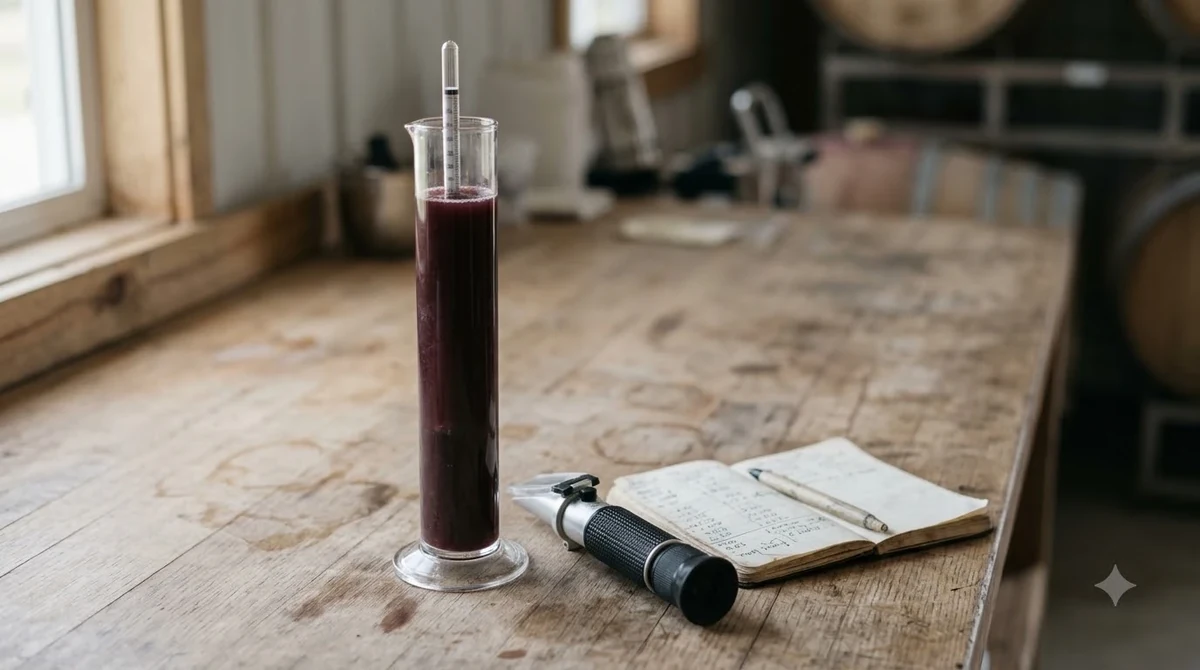
ABV means alcohol by volume: the share of a liquid’s volume that is pure ethanol. A figure of 14.8% means that, in a theoretical 100 mL sample, about 14.8 mL is ethanol and the balance is water and other wine components. It does not mean that 14.8% of the wine is sugar, nor does it describe how sweet the wine tastes. Residual sugar, acidity, aroma, body, and alcohol are different characteristics that can interact on the palate.
For context, 14.8% is at the higher end of the range many drinkers associate with still white wine, although it is not unusual for ripe California Chardonnay to reach the mid-14% range. A useful comparison is the 14.5% California Chardonnay reviewed by Wine Enthusiast, which shows that a number in this neighborhood appears in the category beyond Butter itself. The percentage is a concrete specification, not a tasting score or a guarantee that every drinker will perceive the wine as hot.
What 14.8% ABV Means in a Glass
The practical difference between 14.8% and a lower-alcohol Chardonnay becomes clearer when the pour size stays the same. In a five-ounce serving, each one-percentage-point increase in ABV adds about 0.05 fluid ounce of pure alcohol, so Butter’s 14.8% figure works out to roughly 0.74 fluid ounce of alcohol in a five-ounce pour.
The table below compares the pure-alcohol volume in the same five-ounce serving at several illustrative strengths. These are arithmetic examples, not claims about the alcohol content of other named brands.
| Wine strength | Pure alcohol in a 5 oz pour | How to read the comparison |
|---|---|---|
| 12% ABV | 0.60 fl oz | Lower-strength example |
| 13% ABV | 0.65 fl oz | One point above 12% |
| 14% ABV | 0.70 fl oz | Near the upper end of Decanter’s 12%–14% reference range |
| 14.8% ABV | 0.74 fl oz | Listed Butter Chardonnay strength |
That calculation is why a pour’s size matters as much as the number printed on a bottle. A generous restaurant pour can contain more wine, and therefore more alcohol, than a measured five-ounce serving even though the bottle’s ABV has not changed. At 14.8%, a six-ounce serving contains about 0.89 fluid ounce of pure alcohol, compared with 0.74 fluid ounce in five ounces. A standard 750 mL bottle holds about 25.4 U.S. fluid ounces, which divides into just over five five-ounce pours. Four larger pours or six smaller pours are also possible, but they do not change the wine’s 14.8% concentration.
Why Alcohol Levels Rise in Ripe Chardonnay
Alcohol in wine comes primarily from fermentation: yeast converts grape sugar into ethanol and carbon dioxide. Riper grapes generally contain more sugar at harvest, giving fermentation more potential alcohol, which helps explain why a ripe, full-bodied California Chardonnay can finish at 14.8% rather than at a lower level.
Growing conditions influence the balance before the grapes reach the winery. California includes cooler coastal areas such as Sonoma Coast and a range of inland and valley sites including Napa Valley and Russian River Valley. The cooler Sonoma Coast and warmer inland sites can lead to different harvest timing and grape characteristics. Within areas such as Napa Valley and Russian River Valley, site exposure and distance from marine influence also matter. Cooler sites and earlier picking can preserve more natural acidity, while additional time on the vine can build riper fruit character and sugar. The result depends on the vineyard, the season, and the producer’s desired style rather than on the Chardonnay grape alone.
Decanter cites Napa winemakers describing Chardonnay with depth and structure at 12%–14% alcohol, and discusses vineyard choices such as pruning, canopy management, slower-ripening clones, and harvest timing as ways to balance ripeness with freshness. That range is a useful reference, not a legal limit or a rule that every fine Chardonnay must follow. Butter’s listed 14.8% puts it just above that reference band, but a slightly higher number does not by itself establish whether the wine is balanced, heavy, or well made.
Winemaking choices also shape texture and aroma, even when they do not directly create the alcohol. JaM’s product notes describe cold fermentation and aging in an oak blend, with stone-fruit, baked-lemon, and vanilla notes. Fermentation is the step that turns sugar into alcohol; oak aging can contribute spice, toast, and a perception of richness, while the fruit character and acidity determine how that richness feels alongside the alcohol.
Reading the Alcohol Statement on the Bottle
In the United States, the Alcohol and Tobacco Tax and Trade Bureau (TTB) regulates how wine alcohol content is declared. Its wine-labeling guidance says a numerical alcohol statement is mandatory for wine above 14% ABV; for wine from 7% through 14%, the number may be omitted when the required class or type designation “table wine” or “light wine” appears on the brand label. Because Butter is listed at 14.8%, it falls on the above-14% side of that rule.
The statement can appear on any label of the container, so it may be on the front, back, or another label panel. TTB describes formal wording such as “Alcohol 14.8% by volume” or “14.8% Alc. by Vol.” It also says that “ABV” is not an allowed abbreviation in the formal label statement, even though ABV is the familiar shorthand used in wine writing and conversation. The agency’s rules for containers of five liters or less specify alcohol-statement lettering between 1 mm and 3 mm high.
Tip: Use the stated 14.8% as the quick comparison figure, then read the specific bottle’s alcohol statement when you are choosing between different Butter products or bottlings. The Butter range includes separate products such as ButterLight and ButterZero, so the original Chardonnay’s percentage should not be applied to those wines.
There is also a legal tolerance around a stated number. TTB allows a plus-or-minus 1 percentage point tolerance for wines labeled above 14%, and plus or minus 1.5 percentage points for wines at 14% or below; the rules also limit the width of a declared range. Those provisions are labeling standards, not a prediction that a bottle will vary by the full amount. The alcohol statement must still correctly identify the wine’s class, type, and taxable grade.
Serving Temperature, Pour Size, and Food Pairings
Serve Butter Chardonnay cool rather than refrigerator-cold: 50°F to 55°F is a useful target for a full-bodied white wine. At that temperature, the wine can show its fruit, oak, and creamy texture without letting warmth make the alcohol seem more prominent. If the bottle has been stored in a very cold refrigerator, give it a short time in the glass before deciding whether it needs to warm further.
A five-ounce pour is a practical serving reference, and a 750 mL bottle yields about five such glasses. Use a white-wine glass with enough room to swirl gently; filling a glass to the rim makes it harder to notice the wine’s aromas. Because the listed alcohol is 14.8%, a measured pour can also make comparisons more meaningful: two wines poured in different amounts are not an equal test of strength or weight.
Rich Chardonnay often works best with food that has enough flavor and texture to meet it. Roast chicken, turkey with pan sauce, grilled shrimp, crab cakes, lobster, and pasta with a moderate cream or butter sauce are sensible partners. The wine’s ripe fruit and oak notes can sit comfortably beside browned poultry, shellfish, roasted squash, or mushrooms, while a very delicate white fish preparation may be overwhelmed by the wine’s fuller profile.
Keep acidity and spice in mind when planning the meal. A sharply acidic dish, such as a salad dressed heavily with lemon or vinegar, can make a medium-acidity Chardonnay seem softer by comparison; the wine should have acidity at least as lively as the food to feel balanced. Chili heat can also feel more intense beside a higher-alcohol wine, so a dish with a strong jalapeño or cayenne kick may be a harder match than roast chicken or mild seafood. A little salt and fat in the food can soften the impression of structure, but neither changes the wine’s actual ABV.
Comparing Butter With Other Chardonnay Bottles
The fairest way to compare Butter with another supermarket Chardonnay is to look at the alcohol statement on each bottle and compare equal pours. The name Chardonnay tells you the grape variety, not a fixed alcohol level: climate, harvest decisions, fermentation, and the producer’s preferred style all influence the final figure. Butter’s 14.8% gives you one clear reference point, but it should not be assumed to match every California Chardonnay or every wine sold under a familiar brand.
For a brand-to-brand comparison, read the details in our guides to Black Box Chardonnay alcohol content, Yellow Tail Chardonnay alcohol content, and Dark Horse Chardonnay alcohol content. Compare each listed percentage with Butter’s 14.8%, then make sure you are looking at the same bottle size and a similar serving amount. A difference of one percentage point is easier to understand when the two wines are poured in matching five-ounce servings.
Alcohol is only one part of the comparison. A Chardonnay with a lower ABV may taste brighter, lighter, or more citrus-driven, while a fuller style can emphasize ripe peach, baked apple, vanilla, or toasted oak. These are tendencies rather than guarantees: a wine’s acidity, residual sugar, oak treatment, fruit ripeness, and texture all affect how it comes across. Wine Enthusiast’s California Chardonnay review at 14.5% ABV is a useful reminder that the mid-14% range appears in more than one style and producer.
Use the number to answer a specific question: do you want a wine close to Butter’s relatively high listed strength, or would you rather compare it with a lighter style? Then use the tasting description and food plan to make the final choice. For a wider look at named labels and grape varieties, the site’s Wine Brands section can help you move from one bottle comparison to the next without assuming that a brand name determines a single alcohol percentage.
Frequently Asked Questions
These quick answers address common points of confusion about alcohol strength, buttery Chardonnay style, and what the number on the bottle can tell you.
Does a 14.8% alcohol level mean Butter Chardonnay is sweet?
No. Alcohol and residual sugar are separate measurements: fermentation can produce a higher-alcohol wine that finishes dry. Retail descriptions list the original Butter Chardonnay as dry, while ripe fruit and vanilla aromas can still create a round impression.
Does the word “Butter” mean the wine contains dairy butter?
No; “butter” is a style cue for a creamy texture and buttery aroma, not an added dairy ingredient in the wine. The buttery note in Chardonnay is commonly associated with diacetyl, a compound that can develop during malolactic fermentation.
Is Butter Chardonnay the same product as ButterLight or ButterZero?
No. JaM Cellars presents Butter Chardonnay, ButterLight, and ButterZero as distinct products in its lineup. Their names and styles are related, but each product has its own formulation and alcohol statement.
Can the wine’s legs tell me whether it is 14.8% ABV?
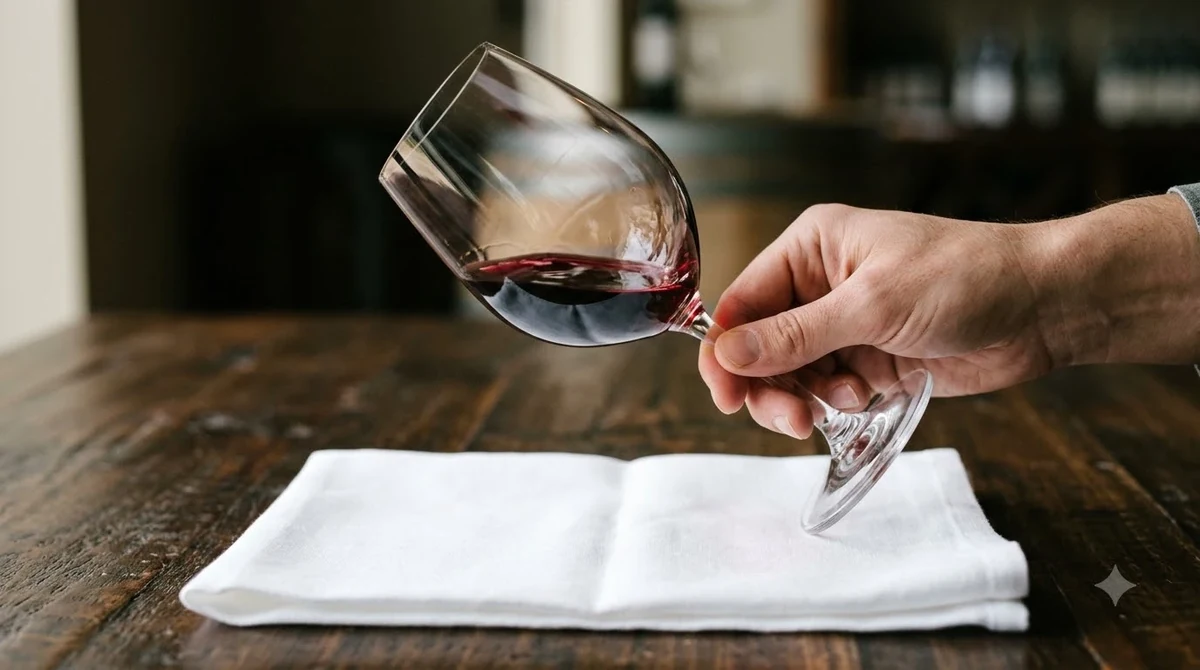
No. Legs or tears on the inside of a glass are influenced by evaporation, surface tension, temperature, and the wine’s alcohol and sugar composition. They cannot provide a dependable numerical alcohol reading, so the label is the appropriate source for the stated percentage.
What does 14.8% ABV equal in U.S. proof?
The mathematical conversion used for spirits is twice the alcohol-by-volume percentage, so 14.8% ABV corresponds to 29.6 proof. Proof is not the normal way U.S. wine labels express strength; wine labels state alcohol as a percentage by volume.
Butter Chardonnay’s listed 14.8% ABV makes it a fuller-strength choice than many lighter white wines, but the percentage is only one part of what is in the glass. Compare equal pours, serve it at 50°F to 55°F, and consider the wine’s ripe fruit and oak profile alongside the meal. For another Chardonnay, use that bottle’s own alcohol statement rather than carrying Butter’s number across the category.
More in Wine Brands
 Louis Latour Wine Price: Compare Bottles by Style and TierUpdated Nov 20, 2026
 Yellow Tail Moscato Price: What to Expect Before You BuyUpdated Nov 20, 2026
 Sutter Home Sweet Red Review: Find the Right Food PairingsUpdated Nov 20, 2026
 Franzia Chillable Red Review: Find the Right Serving StyleUpdated Nov 20, 2026
 Veuve Clicquot Rose Review: Flavor, Food Pairings and Buying AdviceUpdated Nov 20, 2026
 Rombauer Wine Price: Compare Bottles Before You BuyUpdated Nov 20, 2026