

We may earn a commission when you buy through links on this page, at no extra cost to you. Learn more.
A well-planned brunello di montalcino food pairing brings the wine’s bright acidity, firm tannins, and savory cherry character together with richly flavored meat, mushrooms, truffles, and aged cheese. This Tuscan red is especially suited to dishes with enough protein, depth, and seasoning to meet its structure without burying its aroma. Start with roast lamb, braised beef, wild boar ragù, or mushroom risotto, then add restrained herbs and a savory side.
Brunello does not need an elaborate menu to shine, but it does need the right balance. The best choices respect its Sangiovese freshness, its oak-and-bottle aging, and its ability to develop earthy, leathery notes over time. The pairings below cover classic Tuscan food as well as practical options for a home dinner.
Why Brunello’s Structure Calls for Full-Flavored Food
Brunello di Montalcino is made from Sangiovese grown in the Montalcino area of Tuscany, and the wine is known for lively acidity, noticeable tannin, and a firm, full-bodied frame. That combination makes it a natural match for food with savory depth: roasted or braised meat, concentrated sauces, woodland mushrooms, and aged cheeses.
Acidity refreshes the palate between bites of lamb fat, beef jus, or rich mushroom sauce. Tannin adds grip, so savory, protein-rich dishes are more comfortable partners than delicate foods; a browned roast or slow-cooked stew offers enough flavor and texture to meet the wine.
Brunello’s aromas can include berries, aromatic wood, undergrowth, vanilla, and jam; mature examples may show leather, tobacco, truffle, and dried cherry. Favor savory, browned flavors over sweetness or heavy chili heat. A younger bottle, with pronounced fruit, acidity, and tannin, welcomes richer meat; a mature wine with softer tannins and more subtle aromas can suit a delicate roast, porcini, or simply prepared beef. Wine Enthusiast describes this shift from vivid fruit toward tertiary aromas as Sangiovese ages. Wine Enthusiast also notes that Brunello must be 100% Sangiovese, while the Montalcino consortium sets minimum aging at 24 months in oak and 4 months in bottle, with 6 months in bottle for Riserva.
| Brunello detail | Minimum or requirement | Why it matters at the table |
|---|---|---|
| Grape | 100% Sangiovese | Fresh acidity and noticeable tannin suit savory food with depth. |
| Oak aging | At least 24 months | Time in wood contributes to the wine’s developed savory character. |
| Bottle aging | At least 4 months; 6 months for Riserva | Riserva receives a longer required bottle rest. |
| Market release | January 1 of the fifth year after harvest; Riserva one year later | The wine reaches the table only after extended maturation. |
Red Meat, Lamb, and Game Pairings
Roast beef, grilled steak, braised short ribs, lamb shoulder, and game are among the most reliable matches for Brunello. Meat protein and fat soften its tannic grip while acidity refreshes the palate, so choose savory seasoning over sweet glaze or a highly perfumed spice rub.
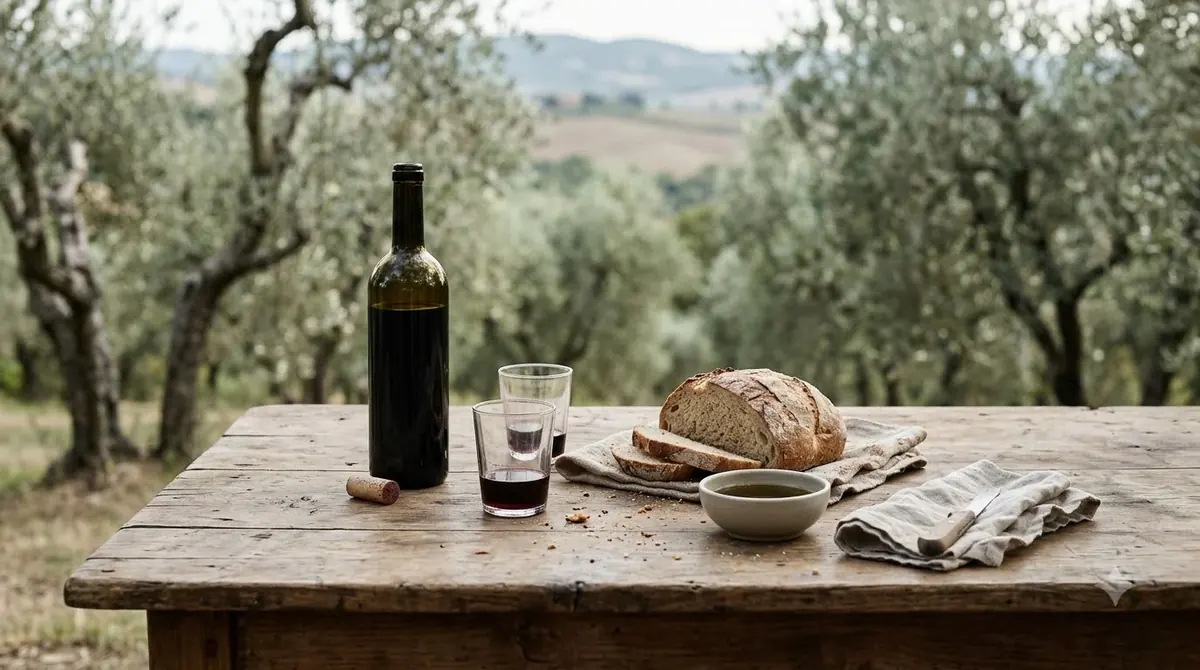
For beef, consider a rib roast with rosemary, a grilled strip steak with black pepper, or short ribs braised in stock and a modest amount of tomato. A deeply browned crust gives the wine a complementary roasted note. Keep the sauce savory and moderate: beef jus, reduced stock, or a little mushroom gravy is more convincing than a sticky barbecue sauce. If the cut is lean, serve it medium-rare and add a side with olive oil or roasted vegetables to provide some richness.
Lamb is a particularly natural partner. Slow-roasted shoulder with garlic and rosemary, a rack with a simple herb crust, or lamb shanks braised with onions all echo the wine’s savory, earthy side. The Decanter Brunello recommendations include shoulder of lamb and venison stew, both dishes with the depth and texture to meet the wine’s tannins. For a Tuscan direction, serve lamb with white beans, rosemary, and a little extra-virgin olive oil.
Game is also a strong choice, especially venison, wild boar, and pheasant. Venison stew can be made with red wine, stock, onions, and juniper used sparingly; the result should taste deep and savory, not sweet. Wild boar shoulder or ragù brings a richer, more rustic texture. Pheasant is leaner, so pair it with a mushroom sauce or pancetta rather than serving it dry. The Montalcino consortium’s pairing guidance specifically recommends red meats and game, including feathered and furred game, with mushrooms or truffles as natural additions.
Pasta, Risotto, and Mushroom Dishes
Brunello works with pasta when the sauce has enough substance to match the wine. Wild boar ragù, beef ragù, sausage, and mushroom risotto are dependable choices, so pair the wine with the sauce’s intensity rather than the pasta shape.
For pappardelle with wild boar ragù, cook the sauce slowly until the meat is tender and the liquid clings to the noodles. Use tomato as a supporting ingredient rather than the dominant flavor, and finish with a modest amount of aged pecorino. Beef or lamb ragù works in much the same way. Decanter’s pasta advice identifies wild boar ragù with pappardelle as a classic Sangiovese-friendly dish; Brunello’s additional structure makes a substantial, slowly cooked version especially suitable.
Mushroom risotto gives the wine an earthy counterpart without requiring meat. Use porcini, cremini, or a mixture of fresh mushrooms, and build flavor by browning them before folding them into the rice. Finish with butter and Parmigiano-Reggiano, keeping the texture creamy rather than overly rich. A little thyme is useful; too much garlic, truffle oil, or cream can mask the wine’s more nuanced aromas.
Ravioli filled with ricotta and herbs can also work when served with a lamb broth or a restrained mushroom sauce. Decanter points to wild garlic and ricotta ravioli with lamb soup as a Brunello match, which illustrates an important principle: the wine does not require a large steak to make sense. A savory broth, aromatic herbs, and a filling with enough richness can provide the same balance in a pasta course.
Vegetables, Beans, and Aged Cheeses
Vegetable sides are most successful when they have roasted, earthy, or gently bitter flavors rather than sharp sweetness. Roasted eggplant, grilled radicchio, braised greens, and porcini suit Brunello beside beef or lamb, while Tuscan white beans with sage and olive oil add creamy richness that softens the wine’s tannins.
For a simple plate, roast carrots and onions until their edges caramelize, then season with rosemary and black pepper. Keep added sugar or honey out of the glaze; sweetness can make a dry red taste harder and more acidic. Grilled radicchio or sautéed kale adds a pleasantly bitter note, but balance it with olive oil, beans, or a little cheese. The dish should still taste savory and rounded rather than sharply bitter.
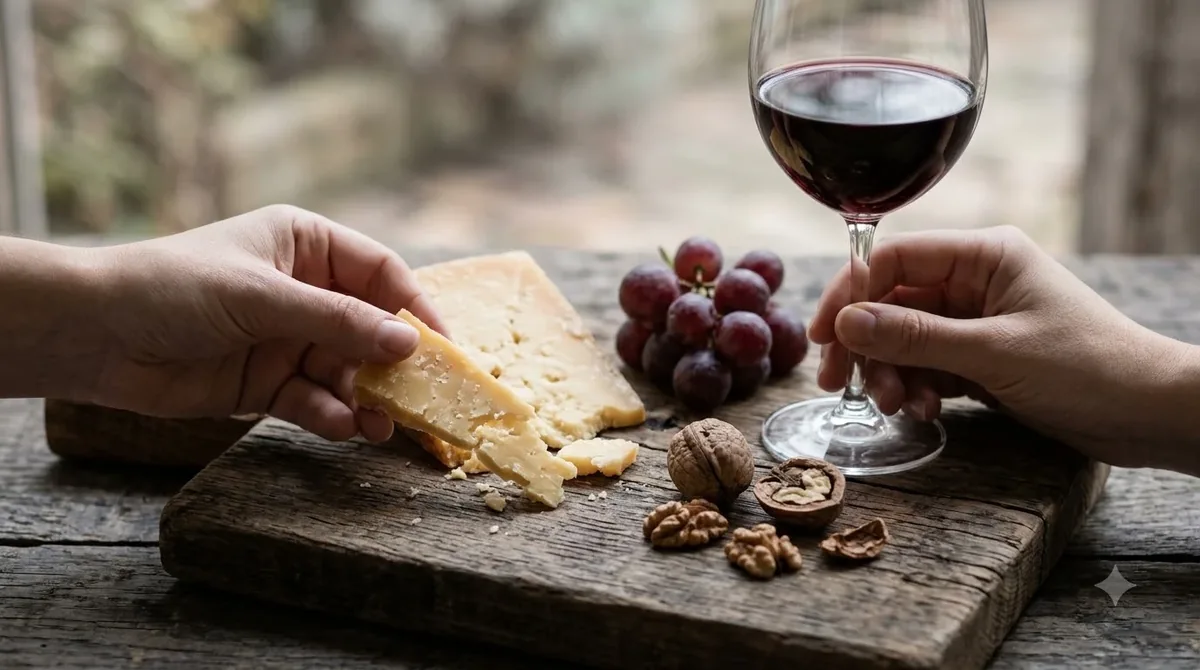
Cheese is one of Brunello’s strongest non-meat partners. Try aged Tuscan pecorino, Parmigiano-Reggiano, or another firm, savory cheese with enough flavor to stand up to the wine. The Montalcino consortium specifically names aged tomme-style cheeses, Tuscan pecorino, and structured cheeses as suitable matches. Serve small pieces at cool room temperature and add unsalted bread, walnuts, or a few slices of pear only if the fruit is not overly sweet.
A cheese course can be a useful alternative to dessert, especially with a mature bottle. Keep the selection compact: one aged sheep’s-milk cheese, one firm cow’s-milk cheese, and perhaps a mild blue cheese if its saltiness is not too forceful. Very pungent blue cheese can dominate a nuanced Brunello, so it is safer to choose a nutty, savory hard cheese as the centerpiece. For a broader approach to matching cheese, acidity, and texture, the site’s Wine Pairing fundamentals can help you adjust the plate.
Difficult Pairings: Seafood, Heat, and Sweetness
Brunello is at its best with substantial savory foods, so delicate seafood, very spicy dishes, and sweet sauces require care because they can expose its tannin, alcohol, or earthy intensity. Change the dish or select a different wine when the main ingredient is especially delicate.
Oily fish such as salmon, mackerel, and sardines can be challenging with tannic red wine, while lean white fish is even more easily overwhelmed. A strongly seared tuna steak with herbs may stand up better than poached cod, but it is still not the first choice for a bottle of Brunello. If seafood is central to the meal, consider a high-acid white instead. A guide to chenin blanc food pairing offers options for fish, citrus, and herb-led dishes that do not need the weight of a structured red.
Chili heat and sweetness are two more risks. Hot Calabrian chile, spicy sausage, and fiery arrabbiata can make the alcohol and tannin feel more aggressive, especially if the wine is young. If you want to serve Brunello with sausage or tomato pasta, keep the pepper moderate and build flavor with fennel seed, garlic, herbs, and browned meat rather than sharp heat. For a more casual, gently chilled red alongside spicy cured meat or a tomato-rich snack, lambrusco food pairing may be a better route. A honey glaze, sweet barbecue sauce, fruit chutney, or sugary tomato reduction may also make a dry Brunello taste sour or sharply tannic. Keep sauces savory, using stock, herbs, mushrooms, and slow-cooked onions for depth. If a dish needs a sweet element, use it sparingly and pair it with a wine that is at least as sweet as the food rather than expecting dry Brunello to perform like a dessert wine.
Very light dishes can also feel out of proportion. A simple salad with lemon dressing, steamed vegetables, or a delicate appetizer will not have enough weight to meet a full-bodied Brunello. Start the meal with a lighter wine or serve the Brunello with the main course. A softer, fruit-forward red may be easier for a tomato-led meal; the guide to grenache food pairing gives another direction for dishes that call for less tannin and a more supple texture.
Tip: Build the meal around one rich, savory centerpiece—such as rosemary lamb shoulder or wild boar ragù—then keep the sides earthy and the sauces dry rather than sweet.
Serving Temperature, Glassware, and Menu Planning
Serve Brunello slightly cool rather than warm, in a large-bowled red-wine glass that gives the wine room to release its aromas. A practical target is 64–65°F, within the 60–65°F range for full-bodied reds and close to the Montalcino consortium’s service guidance of 18–20°C, or about 64–68°F; excess warmth can make alcohol seem more prominent and the wine feel less balanced.
Open a young, structured bottle ahead of the meal and allow it to breathe; a decant of roughly 30–60 minutes is a useful starting point for a full-bodied young red. Taste before deciding to give it more air, since age, vintage, and producer style can change how quickly the wine opens. Very old bottles are more delicate, so handle them gently and avoid assuming that a long decant will always help. The consortium recommends decanting very old bottles, while Wine Enthusiast advises opening aged Sangiovese a few hours ahead and letting it develop slowly; the safest approach is to judge the specific bottle rather than applying one rule to every vintage.
Plan the menu around the wine’s most reliable role: the main course. A useful dinner might begin with a small portion of pecorino and unsalted bread, move to pappardelle with a restrained wild boar or beef ragù, and finish with roast lamb, white beans, and sautéed greens. That sequence adds intensity without starting with a dish so rich that the wine feels tiring by the time the main course arrives.
For a simpler gathering, serve grilled steak with rosemary potatoes and roasted mushrooms; keep the seasoning direct and avoid sugary sauce. Pour a lighter red first, then Brunello with the main course. A 750 ml bottle yields about five standard 5 oz pours. Let the bottle’s maturity guide the menu: a younger Brunello can take on braises, lamb shoulder, and game ragù, while a mature wine is often better with roast beef, porcini, or aged pecorino.
Frequently Asked Questions
The best starting points are familiar Tuscan ingredients: Sangiovese, Montalcino, pecorino, wild boar, and porcini. These quick answers cover common serving decisions and substitutions.
Should I stand an older bottle upright before opening?
Yes. Stand it upright for several hours, or overnight, so natural sediment settles at the bottom of the bottle. Pour slowly and stop before the sediment reaches the glass.
Can Brunello pair with pizza?
Yes, especially with sausage, beef, roasted mushrooms, or aged cheese on the topping list. A thin, lightly topped pizza may feel too delicate, while a sweet barbecue base or very hot chile can make the wine seem harsher.
Does Brunello work with duck?
Roast duck breast with crisp skin or duck legs cooked until tender can match Brunello’s savory weight. A restrained cherry-and-stock pan sauce can echo the wine’s red-fruit notes without turning the dish sugary.
How long can I keep an opened bottle of Brunello?
Re-cork the bottle and keep it in the refrigerator, even if it is a red wine. Most opened still wines are best finished within 3–5 days; let each pour warm slightly before serving again.
How is Rosso di Montalcino different from Brunello?
Both come from Sangiovese grown in the Montalcino area, but according to the Montalcino consortium, Rosso di Montalcino is released on September 1 following the harvest, while Brunello is held until the fifth year after harvest. Rosso is generally fresher and fruitier, making it a good choice for medium-weight dishes such as pork, poultry, or pasta with meat sauce.
For the most satisfying Brunello dinner, match the wine’s acidity and tannin with savory depth, protein, and enough richness to keep the palate balanced. Roast meat, wild boar ragù, porcini, white beans, and aged pecorino are dependable choices; keep sweetness and intense chile in check, and let the wine’s maturity guide the menu.
More in Food & Wine Pairing
 Risotto With White Wine Recipe: Make a Creamy Dinner at HomeUpdated Nov 20, 2026
 Wassail With Wine Recipe for a Festive Spiced Holiday DrinkUpdated Nov 20, 2026
 Spritz Veneziano Recipe: Make a Classic Venetian Aperitivo at HomeUpdated Nov 20, 2026
 Summer Wine Punch Recipe for Easy Homemade EntertainingUpdated Nov 20, 2026
 Bishop Recipe: How to Make a Bright, Citrus-Forward Red Wine CocktailUpdated Nov 20, 2026
 Wine Cupcakes Recipe: Bake Rich Chocolate Cupcakes at HomeUpdated Nov 20, 2026