

We may earn a commission when you buy through links on this page, at no extra cost to you. Learn more.
This bonterra wine review finds that Bonterra is a strong choice for drinkers seeking approachable California wines made with certified organic grapes, particularly Chardonnay, Cabernet Sauvignon, and Sauvignon Blanc. Its biggest advantage is the combination of established organic farming practices, familiar grape varieties, and accessible everyday drinking styles. The standard collection suits casual meals, while the Estate and Single Vineyard collections offer more distinctive expressions of Mendocino County.
Bonterra has built its identity around organic agriculture rather than relying exclusively on premium positioning or unusual winemaking techniques. That makes it an interesting option for shoppers who want recognizable wines with a clearly defined farming philosophy. However, not every bottle has the same structure, intensity, or purpose. Understanding the differences between its collections and grape varieties makes choosing the right wine considerably easier.
Who This Is For
Bonterra is particularly appealing to people who want familiar California grape varieties produced from organically farmed fruit. Its wines cover everyday whites, fruit-forward reds, and more structured estate selections, making the portfolio useful for both casual drinkers and people exploring organic wine.

Organic-minded shoppers are the obvious audience. Bonterra began farming organically in Mendocino County in 1987, and its current approach includes estate vineyards and certified organic partner farms throughout California. The company’s commitment extends beyond avoiding certain agricultural chemicals: its farming program also incorporates cover crops, compost, composted grape pomace, and seasonal sheep grazing. These practices help explain why the brand has a more substantial agricultural identity than a wine label that simply uses environmental language. Bonterra explains its farming philosophy and organic-wine terminology in its organic wine and farming overview.
Bonterra also works for people who prefer conventional grape varieties over unfamiliar blends. A shopper who normally buys Chardonnay, Cabernet Sauvignon, Merlot, or Pinot Noir can find recognizable alternatives without needing to learn an entirely new category. Its Sauvignon Blanc is another useful option for drinkers who prefer crisp, refreshing whites.
There are some limitations to consider. People who specifically want wine with no added sulfites should distinguish between certified organic grapes and finished wine labeled organic under US regulations. Bonterra uses a limited amount of added sulfur dioxide, so its wines are described as made with organic grapes rather than organic wine. Similarly, collectors seeking highly concentrated, age-worthy reds should look beyond the basic collection and investigate the Estate or Single Vineyard offerings.
For a broader introduction to the producer, the Bonterra wine overview can help clarify the different collections and grape varieties before choosing a bottle.
Key Factors to Compare
The most useful way to compare Bonterra wines is to consider grape variety, collection level, acidity, tannin, and farming certification. These factors have a greater effect on the drinking experience than the organic designation alone.
| Wine or category | Typical flavor profile | Structure | Good food matches |
|---|---|---|---|
| Chardonnay | Pear, green apple, citrus, subtle toast | Medium acidity, creamy texture | Roast chicken, seafood, soft cheeses |
| Sauvignon Blanc | Lime, citrus, tropical fruit | High acidity, refreshing finish | Goat cheese, shellfish, salads |
| Cabernet Sauvignon | Blackcurrant, cherry, tobacco, graphite | High tannin, substantial body | Steak, lamb, aged cheddar |
| Merlot | Red and dark fruit | Medium tannin, softer texture | Roast pork, burgers, mushrooms |
| Pinot Noir | Berries, oak spice, vanilla | Low-to-medium tannin, high acidity | Salmon, roast chicken, mushrooms |
| Rosé | Fresh red fruit and citrus | Light-bodied, refreshing | Grilled vegetables, salads, appetizers |
These are general grape-variety characteristics and producer-described flavor profiles, not guarantees that every vintage tastes identical. Growing conditions, blending decisions, and winemaking choices can change the balance between fruit, acidity, oak, and tannin.
1. Collection and vineyard origin
Bonterra’s standard collection is the natural starting point for everyday shopping. It offers recognizable varietals, including Chardonnay, Cabernet Sauvignon, Merlot, Pinot Noir, Sauvignon Blanc, and Zinfandel. These wines are designed to provide accessible expressions of California grapes rather than emphasizing a particular vineyard site.
The Estate Collection is a step toward more specific regional character. Its fruit comes exclusively from Bonterra’s estate vineyards in Mendocino County. The Single Vineyard Collection goes further, highlighting individual vineyard sites through wines such as The Roost, The Butler, and The McNab. These selections are more appropriate for someone interested in comparing differences in vineyard origin and winemaking.
2. Organic certification and sulfites
Bonterra’s farming credentials deserve attention, but the terminology matters. Under US regulations, organic wine and wine made with organic grapes are different categories. Both involve certified organic grapes, but the rules concerning additions during winemaking are not identical.
Bonterra explains that it uses a limited amount of sulfur dioxide to help preserve freshness, consistency, and quality. This is why its wines are labeled made with organic grapes. The distinction is important for anyone specifically searching for wine produced without added sulfites.
3. Acidity, tannin, and serving style
Acidity and tannin determine how a wine behaves with food. Bonterra Sauvignon Blanc is a logical option for shoppers who enjoy refreshing acidity, while Cabernet Sauvignon is better suited to people who appreciate a firmer tannic structure. Chardonnay offers a middle ground, combining moderate acidity with a richer texture.
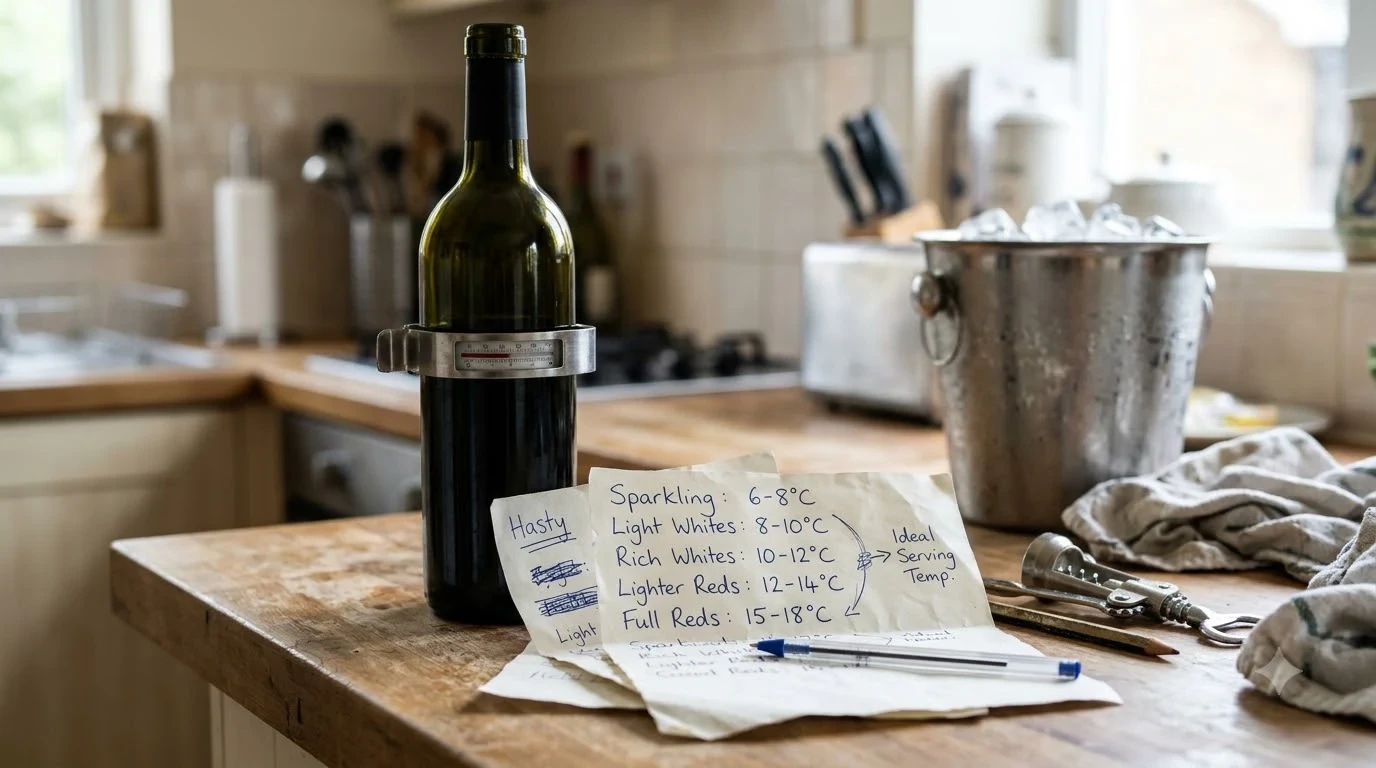
Serving temperature also changes the impression of a bottle. A practical starting point is 45 to 50 degrees Fahrenheit for Sauvignon Blanc, 50 to 55 degrees for fuller Chardonnay, 55 to 60 degrees for Pinot Noir, and 60 to 65 degrees for Cabernet Sauvignon. A wine served too warm can seem heavier, while excessive chilling can conceal its aromas.
Step-by-Step: How to Choose a Bonterra Bottle
Choosing a bottle becomes simpler when the decision starts with the occasion and preferred flavor rather than the collection name. The following steps narrow the options without requiring extensive wine knowledge.
-
Decide between red, white, and rosé.
For a refreshing aperitif or seafood dinner, start with Sauvignon Blanc. Choose Chardonnay for a richer white wine experience, and consider Rosé for casual lunches and outdoor meals. If the occasion calls for red wine, compare Cabernet Sauvignon, Merlot, and Pinot Noir.
-
Identify your preferred body and texture.
Drinkers who like lighter reds should investigate Pinot Noir. People who prefer softer tannins may find Merlot more approachable, while Cabernet Sauvignon is the better starting point for a fuller, firmer red. For whites, Chardonnay offers more body than the typically crisp Sauvignon Blanc.
-
Choose the appropriate collection.
The standard Bonterra collection is a sensible starting point for familiar everyday wines. Choose Estate Collection when Mendocino County origin and estate-grown fruit are priorities. Consider Single Vineyard wines if you want a more focused expression of an individual vineyard.
-
Check the vintage and wine description.
Look at the specific grape, region, and tasting notes rather than assuming every bottle under the Bonterra name shares the same characteristics. For example, the producer describes its Chardonnay through pear, green apple, citrus, flower blossom, and subtle toast. Its Cabernet Sauvignon description emphasizes blackcurrant, cherry, tobacco, leather, and graphite.
-
Match the wine to the meal.
Pair high-acidity Sauvignon Blanc with foods that have comparable freshness, such as goat cheese or citrus-dressed seafood. Match Cabernet Sauvignon with protein-rich dishes such as grilled beef. Pinot Noir is particularly useful with roast chicken and salmon because its lighter tannin and higher acidity make it more adaptable.
-
Consider how soon you will drink it.
For an ordinary weeknight meal, the standard collection is generally the easiest place to begin. A more distinctive estate or single-vineyard bottle makes sense when you want to spend time comparing aromas, texture, and regional character. Avoid assuming that every premium-looking label necessarily needs extended cellaring.
Tip: If you are buying your first Bonterra bottle, start with Chardonnay or Sauvignon Blanc for white wine, or Merlot or Pinot Noir for red wine. These choices provide useful reference points before moving to more structured Cabernet Sauvignon or individual vineyard selections.
For additional guidance on the red selections, the Bonterra red wine collection is useful when comparing the differences between Cabernet Sauvignon, Merlot, Pinot Noir, and red blends. Shoppers interested primarily in farming credentials can also consult the Bonterra organic wine overview.
Bonterra Wine Types and Styles Explained
Bonterra’s portfolio is broader than its organic reputation might initially suggest. It includes multiple grape varieties and collection levels, with differences in fruit profile, structure, and intended occasion.
Chardonnay: creamy fruit with refreshing acidity
Bonterra Chardonnay is one of the easiest bottles to recommend as an introduction to the brand. The producer describes aromas of pear, green apple, and citrus, supported by flower blossom and spice. Its palate combines a creamy impression with uplifted acidity and subtle toast on the finish.
This is a useful style for people who enjoy Chardonnay but do not necessarily want an extremely buttery or heavy wine. It can accompany roast chicken, grilled shrimp, creamy pasta, or moderately rich cheeses. Serve it around 50 to 55 degrees Fahrenheit to retain its aromatic character while allowing the texture to show.
There is also a more ambitious side to the Chardonnay portfolio. The Estate Collection emphasizes Mendocino County fruit, while The Roost represents a single-vineyard expression. The producer describes The Roost through lemon rind, honeysuckle, tangerine, pineapple, and white tea, with fresh acidity supporting its richer texture.
Sauvignon Blanc: citrus and tropical freshness
Bonterra Sauvignon Blanc is a better fit for drinkers who prioritize freshness over creamy texture. The producer identifies citrus and tropical fruit characteristics, including lime zest, kumquat, mango, and passionfruit. Its acidity makes it a natural match for foods that have their own lively flavors.
Try it with oysters, shrimp, grilled fish, goat cheese, or a salad with lemon-based dressing. It also works as an aperitif when served properly chilled. A temperature around 45 to 50 degrees Fahrenheit helps preserve the refreshing quality that makes Sauvignon Blanc appealing.
Cabernet Sauvignon: darker fruit and firmer tannins
Bonterra Cabernet Sauvignon offers a more substantial red wine experience. Its California bottling is described through blackcurrant and cherry, accompanied by tobacco, leather, and graphite. These flavors make it a natural candidate for grilled beef, lamb, and dishes with roasted herbs.
The Estate Collection Cabernet Sauvignon is particularly interesting for people who want to explore the Mendocino origin more closely. The producer describes dark fruit, black cherry, blackcurrant, spice, leather, tobacco, and pencil-shaving characteristics. The Single Vineyard McNab Cabernet Sauvignon offers another level of vineyard-specific expression, with blue and black fruit, plum, mocha, cedar, and savory herbs.
Cabernet Sauvignon generally has high tannin. This structure works particularly well alongside protein and fat, which soften the perception of astringency. Serve it around 60 to 65 degrees Fahrenheit rather than at a warm room temperature.
Merlot and Pinot Noir: softer alternatives
Merlot is a practical alternative for people who like red wine but find Cabernet Sauvignon too firm. Its typical medium tannin and softer texture make it a flexible dinner companion. Pair it with roast pork, grilled burgers, mushroom dishes, or moderately seasoned pasta.
Pinot Noir offers another approach. Its typical lower-to-medium tannin and higher acidity make it more suitable for dishes that can be overwhelmed by heavier reds. Bonterra describes its Pinot Noir with berry fruit, oak spice, and vanilla. Try it with roasted mushrooms, poultry, or salmon, serving it at approximately 55 to 60 degrees Fahrenheit.
Rosé, Pinot Gris, Zinfandel, and red blends
Bonterra also offers choices beyond the familiar Chardonnay and Cabernet Sauvignon categories. Pinot Gris provides another white-wine option, while Rosé offers a lighter style for warm-weather meals and informal gatherings. Zinfandel and red blends provide alternatives for people who prefer fruit-forward reds.
These varieties are particularly useful when building a small selection for different occasions. A crisp white works for seafood, Rosé suits lighter lunches, and a red blend can be a flexible option for mixed appetizers or casual dinners. The appropriate choice still depends on the particular wine’s sweetness, acidity, body, and tannin.
Another part of the wider portfolio is Ranch Wine by Bonterra. Unlike the more conventional varietal collections, these blends are described as slightly sweet, fruit-forward wines designed for serving over ice, with a cocktail rim, or in mixed drinks. The parent company’s portfolio information identifies an 11% ABV for the collection, making it a distinct option rather than a direct substitute for a traditional Cabernet or Chardonnay.
Common Mistakes When Buying Bonterra Wine
Most disappointing purchases happen because shoppers assume all organic wines taste alike or select a bottle based only on the grape name. Paying attention to certification, structure, and collection level avoids these common problems.
Confusing organic grapes with no added sulfites
This is one of the most important distinctions in the Bonterra range. Made with organic grapes does not mean that the finished wine contains no added sulfur dioxide. Bonterra explicitly explains that it uses a limited amount to help maintain wine quality and consistency.
Wine naturally contains sulfites produced during fermentation. Consequently, the presence of sulfites and the organic farming status of the grapes are separate considerations. Shoppers looking for a particular production standard should understand the regulated label terminology rather than treating all organic-related descriptions as interchangeable.
Expecting every bottle to taste the same
A Bonterra Chardonnay and a Bonterra Cabernet Sauvignon have entirely different structures. Even two Cabernet Sauvignon bottles can differ considerably if one comes from the standard collection and another is a vineyard-specific selection.
Vintage differences matter as well. Weather, harvest timing, fruit composition, and cellar decisions can influence the final result. The tasting notes provide a useful starting point, but they should not be interpreted as an exact promise of identical flavor across every release.
Choosing Cabernet Sauvignon for every red-wine occasion
Cabernet Sauvignon is a popular grape, but its higher tannin is not always ideal. A delicate mushroom dish or a lightly prepared salmon fillet can work better with Pinot Noir. Merlot is often a more flexible choice for a meal that does not need a particularly structured red.
Food matching should consider the whole dish, including sauces and cooking methods. Salt and fat soften tannin, while highly acidic foods generally require wines with comparable acidity. Oily fish can clash with tannic reds, so a lighter red or white wine is often the safer choice.
Serving whites too cold and reds too warm
Temperature can conceal a wine’s characteristics. Excessively cold Chardonnay may seem less aromatic and more sharply acidic, while warm Cabernet Sauvignon can feel heavy and alcoholic. Using a refrigerator and allowing a short adjustment period before serving helps bring the wine closer to its intended style.
Assuming organic farming automatically means superior flavor
Organic farming is an important production choice, but it does not guarantee that every bottle will suit every palate. A person who dislikes high-acidity whites may still dislike Sauvignon Blanc even if its grapes were organically farmed.
Flavor preferences should remain central to the buying decision. Bonterra’s farming credentials are an important reason to consider the brand, while grape variety, winemaking, and vineyard origin determine whether an individual wine is enjoyable for a particular occasion.
Care and Storage Tips for Bonterra Wines
Proper storage and serving preserve the character of Bonterra wines after purchase. Consistent temperature, limited exposure to light, and suitable serving conditions matter more than complicated equipment.
Store unopened bottles correctly
For longer storage, keep bottles in a cool, dark location near 55 degrees Fahrenheit. Avoid places exposed to direct sunlight, kitchen heat, or significant temperature changes. If a bottle has a traditional cork closure, storing it on its side helps keep the cork from drying out.
Everyday Bonterra wines generally do not require elaborate cellaring. The Chardonnay producer information identifies a potential additional cellaring period of up to four years for that particular Chardonnay release, but that should not be interpreted as a recommendation to age every bottle in the collection for the same length of time.
Use appropriate serving temperatures
Different styles benefit from different temperatures. The following ranges provide practical starting points:
- Light whites and Rosé: 45 to 50 degrees Fahrenheit.
- Fuller Chardonnay: 50 to 55 degrees Fahrenheit.
- Light reds, including Pinot Noir: 55 to 60 degrees Fahrenheit.
- Full-bodied reds, including Cabernet Sauvignon: 60 to 65 degrees Fahrenheit.
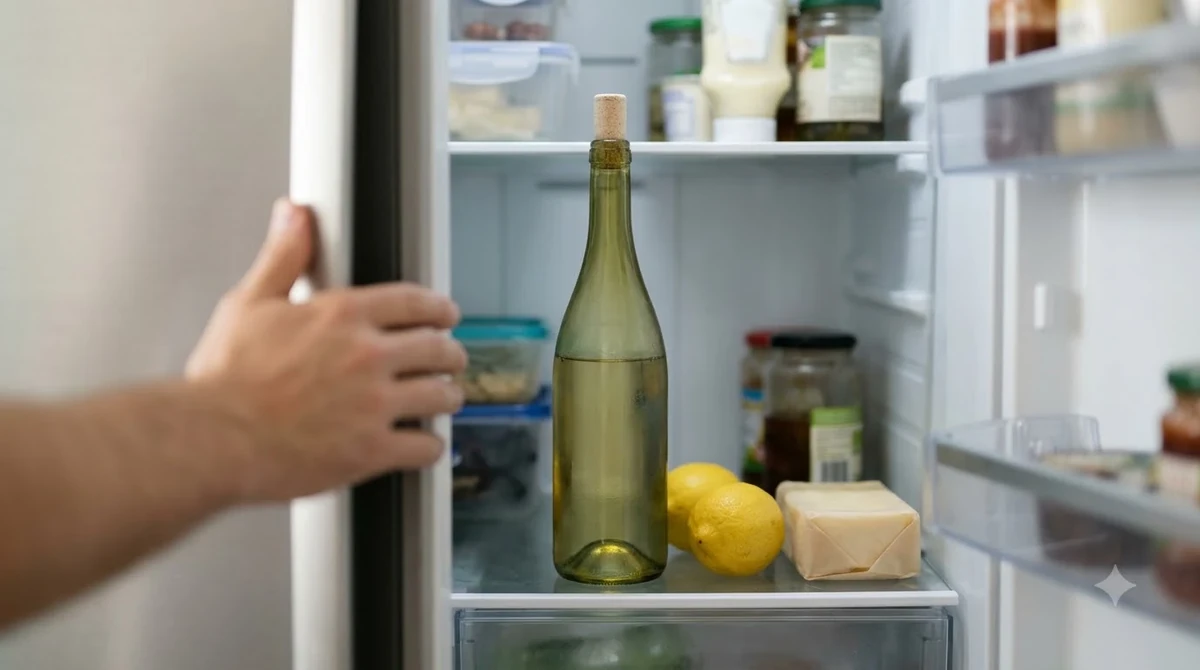
A short period in the refrigerator can cool a bottle before dinner. If a red has become too cold, allowing it to warm gradually in the glass can restore some of its aromas. Avoid leaving bottles in a hot car or beside a stove, since temperature fluctuations can damage wine quality.
Handle opened bottles thoughtfully
After opening a bottle, reseal it securely and place it in the refrigerator, including red wines. Refrigeration slows oxidation and helps preserve the wine’s freshness. As a general guideline, opened still wines remain enjoyable for approximately three to five days, although lighter whites may lose their freshest aromas sooner.
Use a suitable sparkling-wine stopper for sparkling wines, which generally keep for approximately one to three days after opening under refrigeration. Bonterra’s conventional still wines do not require a sparkling-wine stopper or special preservation system.
Pour appropriate portions
A standard wine serving is approximately 5 ounces. A 750 ml bottle contains approximately five such glasses, making it straightforward to plan quantities for a dinner. For a tasting involving multiple Bonterra varieties, smaller pours allow people to compare the differences between Chardonnay, Sauvignon Blanc, Pinot Noir, and Cabernet Sauvignon without committing to a full serving of each.
For structured young reds, decanting for approximately 30 to 60 minutes can help soften the initial impression and encourage aromatic development. This is more relevant to a substantial Cabernet Sauvignon than to a fresh Sauvignon Blanc or Rosé.
For more general recommendations covering producers, grapes, and wine styles, explore the Wine Brands section before expanding your selection beyond Bonterra.
Frequently Asked Questions
Is Bonterra wine suitable for vegans?
Bonterra identifies its Chardonnay as vegan-friendly. However, vegan suitability should be verified for each individual product rather than assumed across every wine in the wider portfolio. Winemaking clarification methods can differ between producers and individual releases.
Does Bonterra use regenerative farming?
Yes. Bonterra incorporates regenerative practices into its organic farming program, including compost applications, cover crops, and seasonal sheep grazing. Its Estate Collection also comes from estate vineyards in Mendocino County that the company identifies with its regenerative organic farming commitments.
Is Bonterra wine suitable for a wine tasting party?
Yes. A four-bottle tasting featuring Chardonnay, Sauvignon Blanc, Pinot Noir, and Cabernet Sauvignon provides a useful comparison of different grape structures and flavor profiles. Pouring approximately 2 ounces of each wine gives participants an opportunity to compare all four without using a full standard serving of each.
What is the difference between The Roost and The McNab?
The Roost is Bonterra’s single-vineyard Chardonnay, while The McNab is a single-vineyard Cabernet Sauvignon. They represent different grape varieties and vineyard expressions, rather than alternative versions of the same wine. The Roost emphasizes citrus, tropical fruit, and floral characteristics, while The McNab is associated with dark fruit, mocha, cedar, and savory herbs.
Does Bonterra make boxed wine?
Bonterra has produced boxed Chardonnay in addition to its conventional bottled wines. Its boxed Chardonnay technical information describes a format designed to remain fresh for up to 30 days after opening when kept chilled. This provides a convenient alternative for households that prefer to pour wine gradually rather than finish a bottle within several days.
Overall, Bonterra is a worthwhile brand to consider if organically farmed California wine, familiar grape varieties, and a clear commitment to sustainable agriculture are priorities. Start with Chardonnay or Sauvignon Blanc for whites and Pinot Noir or Cabernet Sauvignon for reds, then explore the Estate and Single Vineyard collections when you want more distinctive Mendocino expressions. Choosing by grape variety, structure, and occasion is the most reliable way to find a Bonterra bottle that fits your preferences.
More in Wine Brands
 Underwood Wine Price: Compare Bottles, Cans, and Pack SizesUpdated Nov 21, 2026
 Zenato Wine Price: Compare Styles and Choose the Right BottleUpdated Nov 21, 2026
 Zuccardi Wine Price: Compare Bottles and Find the Right RangeUpdated Nov 21, 2026
 Yellow Tail Moscato Review: Taste, Sweetness and Serving TipsUpdated Nov 21, 2026
 Wolf Blass Yellow Label Review: Choose Your Best StyleUpdated Nov 21, 2026
 Wolffer Estate Rose Review: Choose the Right Bottle for Your TableUpdated Nov 21, 2026