

We may earn a commission when you buy through links on this page, at no extra cost to you. Learn more.
The bonterra wine price typically ranges from about $13 to $20 for a standard 750 ml bottle, depending on the varietal, collection, and retailer. The core Bonterra range generally costs less than its Estate and Single Vineyard selections. Sauvignon Blanc, Chardonnay, and Cabernet Sauvignon are useful starting points for shoppers comparing everyday bottles, while premium vineyard selections occupy a higher price tier.
Bonterra is a recognizable name in American organic wine, offering approachable whites, reds, and rosé alongside more distinctive estate and vineyard selections. Understanding its pricing structure makes it easier to compare bottles without paying extra for a collection or style that does not match your preferences. This guide explains typical US retail costs, the differences between the ranges, and what to consider before choosing a bottle.
Who This Bonterra Price Guide Is For
This guide is for shoppers who want to understand what Bonterra wine should cost before purchasing a bottle. It is especially useful if you are comparing a familiar supermarket selection with an Estate Collection or a more specialized Single Vineyard wine.
Bonterra’s range covers several familiar grape varieties, including Sauvignon Blanc, Chardonnay, Cabernet Sauvignon, Merlot, Pinot Noir, and Zinfandel. Its official portfolio also includes Pinot Gris, Rosé, and Red Blend. That variety means shoppers can compare different styles within the same producer rather than assuming every bottle belongs in one price category.
It also helps to distinguish between the core collection and the more specialized collections. A standard Cabernet Sauvignon intended for an everyday dinner may be a more sensible purchase than a premium vineyard bottling if you simply want an accessible red wine. Conversely, shoppers looking for a more distinctive bottle for a dinner party may find the additional selection and vineyard focus of the higher collections worthwhile.
Bonterra describes its wines as being made with organically farmed grapes and says it has maintained its organic farming approach for more than 30 years. Organic farming is an important part of the brand’s identity, but it does not mean that every bottle has the same production costs, grape selection, or retail price.
Readers who want more background on the producer can explore our guide to bonterra wine. For shoppers comparing several American producers, our broader Wine Brands resource provides additional context.
Key Factors That Determine Bonterra Wine Price
The biggest pricing differences come from the wine collection, grape variety, bottle format, and retailer. Comparing those details is more useful than relying on the Bonterra name alone.
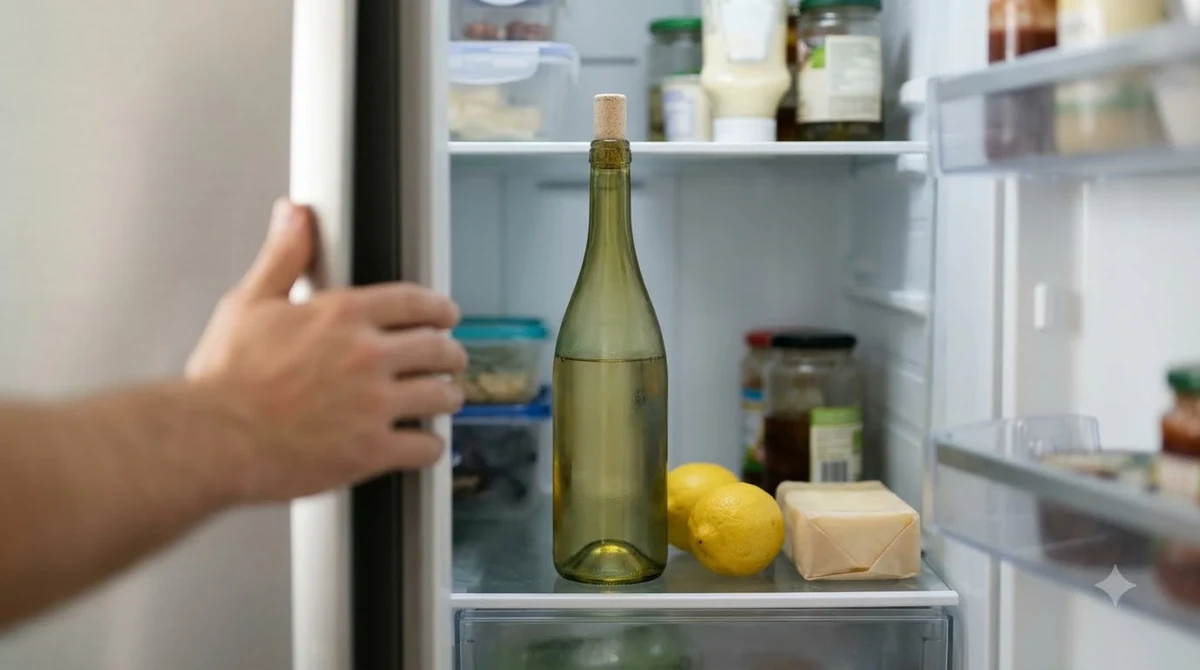
The core collection is generally the most accessible place to begin. Bonterra’s official wine portfolio lists its standard Sauvignon Blanc and Chardonnay at $14.99, its Cabernet Sauvignon at $15.99, and its Merlot, Zinfandel, and Red Blend at $15.99. The same official portfolio lists Pinot Gris at $16.99 and Pinot Noir at $19.99. These are useful reference points, although the actual checkout price depends on the retailer and location.
The Estate Collection occupies a higher tier in Bonterra’s portfolio. The producer lists its Estate Chardonnay, Estate Cabernet Sauvignon, and Estate Sauvignon Blanc at $22.99. Single Vineyard wines sit higher still, with The Roost Chardonnay listed at $35 and The McNab Cabernet Sauvignon and The Butler listed at $50 each on the official shop. These examples show why collection names matter when comparing apparently similar wines.
Retailer pricing creates another difference. Target’s selection page lists several standard 750 ml Bonterra wines at $12.99, while its Organic Estates Cabernet Sauvignon and Chardonnay appear at $19.99. The Pennsylvania Liquor Control Board’s October product list shows standard and organic Bonterra wines with different listed prices and promotional pricing. These comparisons demonstrate that the retailer and local pricing structure can influence what a shopper actually pays.
| Wine or collection | Reference bottle size | Typical US retail range | Price positioning |
|---|---|---|---|
| Core Sauvignon Blanc | 750 ml | About $13–$16 | Entry-level white |
| Core Chardonnay | 750 ml | About $13–$16 | Entry-level white |
| Core Cabernet Sauvignon | 750 ml | About $13–$17 | Everyday red |
| Core Merlot and Zinfandel | 750 ml | About $14–$17 | Everyday red |
| Core Pinot Gris | 750 ml | About $15–$17 | Mid-range white |
| Core Pinot Noir | 750 ml | About $17–$21 | Higher-priced core red |
| Estate Collection | 750 ml | About $20–$25 | Premium collection |
| Single Vineyard selections | 750 ml | About $30–$55 | Special-occasion tier |
The ranges above are rounded shopping estimates based on Bonterra’s official portfolio, Target’s listed selection, and the Pennsylvania Liquor Control Board’s product list. They are not guaranteed national prices or a promise that every listed wine is available at every retailer. Prices vary by state and retailer, and taxes, shipping, and local distribution can affect the final amount.
Another factor is bottle size. A 750 ml bottle is the standard reference size for most comparisons, but a 1.5 L bottle contains twice as much wine. Comparing a larger format directly with a standard bottle without accounting for volume can make a purchase appear less expensive or more expensive than it really is.
Tip: Compare the same grape variety, collection, and bottle size before deciding whether one retailer offers better value. A standard Bonterra Cabernet Sauvignon and an Estate Cabernet Sauvignon are not necessarily equivalent purchases.
Step-by-Step: How to Compare Bonterra Bottle Prices
A simple comparison process can help you find the right Bonterra bottle without overpaying. Start with the wine style you want, then compare the collection and final retail cost.
-
Choose your preferred wine style.
Decide whether you want a white, red, or rosé. For a crisp white, start with Sauvignon Blanc or Pinot Gris. Chardonnay is another option if you prefer a fuller white wine. For reds, consider Cabernet Sauvignon, Merlot, Pinot Noir, or Zinfandel. -
Identify the collection.
Look for the core Bonterra range first. If you are comparing bottles labeled Estate Collection or Single Vineyard, recognize that these are different tiers within the producer’s portfolio. A higher collection designation should be considered alongside the wine’s intended use and your personal taste. -
Confirm the bottle format.
Use 750 ml as your standard comparison size. If one retailer offers a 1.5 L format, calculate the equivalent cost per 750 ml before deciding which option represents better value. -
Compare at least two retailers.
Check a local wine shop, a supermarket wine department, and a retailer with online inventory. Target’s listings provide one example of retail selection, while the Pennsylvania Liquor Control Board publishes its own product price information for its market. -
Check whether the displayed price includes taxes and shipping.
Retail prices do not always include every additional charge. The Pennsylvania Liquor Control Board, for example, explains that its listed retail prices include federal tax and state liquor tax, while sales tax is added at checkout. -
Consider the occasion.
An everyday weeknight bottle does not need to be a Single Vineyard selection. A special dinner, gift, or tasting occasion may justify choosing an Estate or Single Vineyard bottle if the additional style and presentation appeal to you. -
Choose based on flavor as well as price.
The least expensive bottle is not automatically the best choice. Consider acidity, body, tannin, and the foods you plan to serve so that the wine suits the meal rather than simply matching a spending target.
This approach is particularly helpful when shopping online, where several bottles can appear together with different collection names and bottle sizes. A quick comparison of the label, volume, and final price prevents confusion between standard and premium offerings.
It is also useful to keep a record of the wines you enjoy. If you prefer a particular Bonterra white or red, comparing that same varietal across different retailers is a more meaningful way to identify value than switching between unrelated styles.
Bonterra Wine Types and Collections Explained
Bonterra offers several styles and collection levels, giving shoppers options for casual meals, entertaining, and more focused wine experiences. The core range is the natural starting point, while the Estate and Single Vineyard collections provide additional choices.
Core Bonterra Collection
The core collection is the most straightforward starting point for shoppers seeking familiar grape varieties. It includes Sauvignon Blanc, Chardonnay, Rosé, Pinot Gris, Cabernet Sauvignon, Pinot Noir, Merlot, Zinfandel, and Red Blend.
For white wine drinkers, Sauvignon Blanc generally provides a fresher profile, with citrus and herbal characteristics that suit salads, seafood, and lighter meals. Chardonnay offers a different experience, with a fuller impression that can work well with roasted chicken, creamy pasta, and richer seafood dishes.
Among the reds, Cabernet Sauvignon generally has more noticeable tannin and structure. Merlot is usually softer, while Pinot Noir tends to have lighter tannins and brighter acidity. These differences matter because two bottles with similar retail prices can deliver very different drinking experiences.
Bonterra Estate Collection
The Estate Collection is a step above the core range in Bonterra’s portfolio. The producer lists Estate Chardonnay, Estate Cabernet Sauvignon, and Estate Sauvignon Blanc among its offerings.
Its higher positioning makes this collection worth considering when you want something more distinctive than a basic everyday bottle. It can be a suitable choice for a dinner gathering where guests are interested in comparing different wines from the same producer.
However, a higher price does not automatically mean that an Estate wine will suit every palate better. Someone who prefers a crisp, straightforward Sauvignon Blanc may enjoy the core bottling more than a more expensive Chardonnay or Cabernet Sauvignon.
Single Vineyard Selections
Single Vineyard wines are the more specialized end of the range. Bonterra’s listed examples include The Roost Single Vineyard Chardonnay, The McNab Cabernet Sauvignon, and The Butler.
These bottles are worth investigating if you enjoy exploring wines with a more specific vineyard identity. Their higher price positioning makes them less obvious choices for routine purchases, but they may appeal to shoppers seeking a distinctive bottle for a celebration or a focused tasting.
For shoppers who want to compare the producer’s red options in more detail, our Bonterra red wine guide provides a useful starting point. Those interested in the farming approach behind the range can also read about Bonterra organic wine.
Understanding the Organic Label
Bonterra emphasizes organically farmed grapes throughout its portfolio. Its FAQ explains that its winemakers use regulated amounts of added sulfites to help preserve wine quality. The company therefore uses the designation made with organic grapes for its wines rather than claiming that every bottle qualifies as certified organic wine under the stricter no-added-sulfites labeling category.
This distinction is useful when comparing wine labels. Organic farming and the regulatory designation organic wine are not interchangeable terms. Shoppers who care about production methods should understand the specific wording on the bottle rather than assuming that all organic-related labels mean exactly the same thing.
The collection and grape variety should remain the main considerations when comparing prices. The organic farming approach is an important part of Bonterra’s identity, but it does not replace the need to compare the individual wines.
Common Mistakes When Comparing Bonterra Prices
Many price comparisons become misleading because shoppers focus on the displayed number rather than the details of the wine. Checking the collection, size, and retail conditions helps avoid these common errors.
Comparing Different Collections as Equivalent Bottles
A standard Bonterra Cabernet Sauvignon and a Single Vineyard Cabernet Sauvignon are not identical products. They occupy different positions in the producer’s portfolio and may have different production characteristics and intended audiences.
For example, the official shop lists standard Cabernet Sauvignon at $15.99 and The McNab Single Vineyard Cabernet Sauvignon at $50. That difference should be understood as a comparison between distinct collection levels rather than proof that one retailer is charging too much for the same wine.
Ignoring Bottle Size
A 1.5 L bottle contains twice the volume of a 750 ml bottle. If you are comparing two offers, divide the larger bottle’s price by two to establish its equivalent cost per standard bottle. This makes the comparison more accurate.
The same principle applies when buying several bottles for a party. The total quantity you need matters more than the number of bottles in the shopping basket.
Assuming Every Retailer Has the Same Price
Retail prices can vary considerably between stores and states. Different distribution arrangements, taxes, inventory levels, and local market conditions can all affect the price displayed to customers.
A bottle listed at one price on a retailer’s website may have a different price at a local store. Online availability can also differ from physical store inventory, so a listed bottle should not be treated as universally available.
Paying More Without Considering Personal Taste
Another mistake is assuming that the most expensive Bonterra bottle is always the best purchase. A shopper who prefers lighter reds may find Pinot Noir more enjoyable than a more expensive Cabernet Sauvignon.
Likewise, a person who enjoys crisp white wines may prefer Sauvignon Blanc to an Estate Chardonnay. The right bottle is the one that matches your preferences and intended occasion, not necessarily the one at the highest collection level.
Overlooking the Retailer’s Final Checkout Cost
Shipping, local sales taxes, and other charges can affect the final amount. This is particularly important when ordering wine online from a retailer that serves multiple states.
Check the complete order total before purchasing. A slightly higher shelf price from a nearby retailer may be more economical than an online purchase with additional delivery costs.
Bonterra Wine Storage and Serving Tips
Proper storage and serving temperatures help preserve the quality of a bottle and make the wine more enjoyable. Even an affordable Bonterra wine benefits from suitable storage conditions and thoughtful serving.
Store Unopened Bottles Correctly
Keep unopened bottles in a cool, dark location away from direct sunlight and strong temperature fluctuations. A storage temperature near 55°F is a useful target for wine, and bottles with cork closures are generally best stored on their sides to keep the cork from drying out.
Avoid storing wine near an oven, radiator, or other heat-producing appliance. Repeated temperature changes can negatively affect wine quality, especially if bottles remain in unsuitable conditions for extended periods.
If you buy several Bonterra bottles for future meals, organize them by varietal and intended drinking occasion. Keep everyday whites accessible for near-term use and reserve more specialized bottles for the occasions when you plan to open them.
Serve Each Wine at a Suitable Temperature
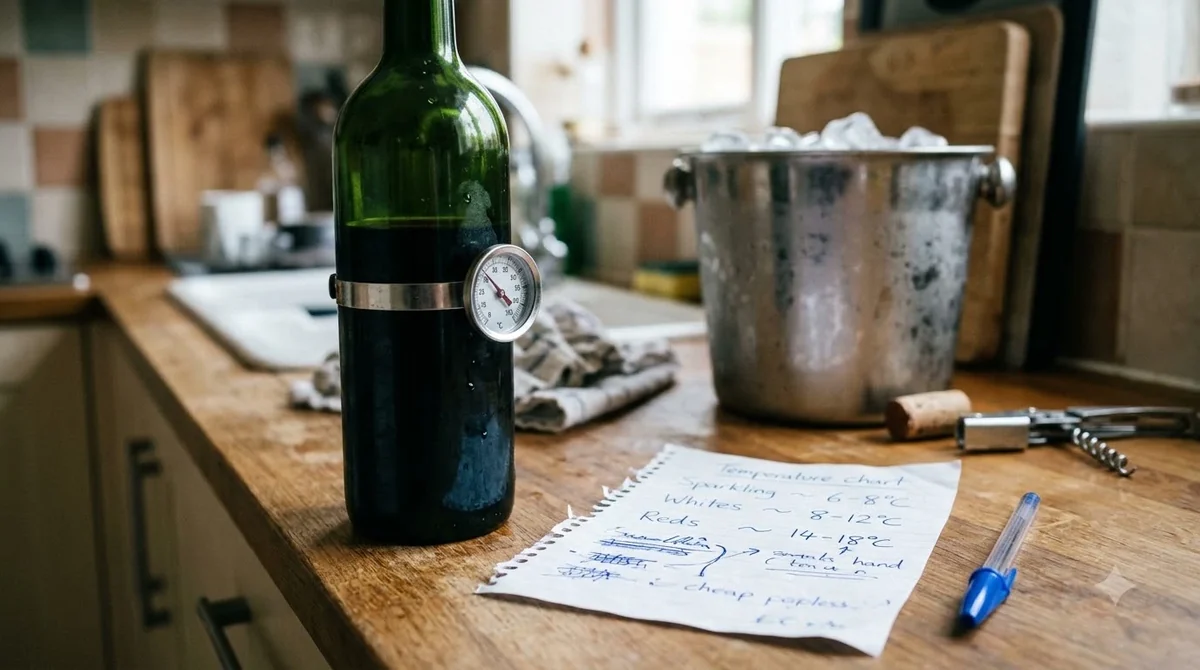
Serving temperature affects the way a wine’s aromas, acidity, and structure are perceived. Light whites and rosé are generally best served around 45–50°F, while fuller-bodied whites such as Chardonnay are often more enjoyable around 50–55°F.
For red wines, lighter styles such as Pinot Noir are generally served around 55–60°F. Fuller reds, including Cabernet Sauvignon, are commonly served around 60–65°F. Serving a red wine too warm can make its alcohol seem more prominent, while serving a white too cold can reduce its aromatic expression.
Preserve Opened Bottles
After opening a bottle, reseal it and store it in the refrigerator. Most opened still wines remain in reasonable drinking condition for approximately three to five days, although freshness depends on the wine, exposure to oxygen, and storage conditions.
Use a suitable wine stopper to reduce exposure to air. Before pouring another glass, allow a refrigerated red wine to warm slightly toward its preferred serving temperature.
Match Bonterra Wines With Food
Pairing wine with food is another way to get more enjoyment from a bottle. Sauvignon Blanc’s acidity can work well with seafood, goat cheese, and fresh salads. Chardonnay can complement roasted chicken, buttery sauces, and grilled fish.
Cabernet Sauvignon’s stronger tannins generally work well with richer foods such as grilled beef and lamb. Merlot can be a versatile choice for roast chicken, burgers, and mushroom dishes. Pinot Noir is often suitable for salmon, roasted poultry, and dishes featuring mushrooms.
For a simple gathering, serving a white, a rosé, and a red gives guests a choice without requiring a large wine selection. A 750 ml bottle provides approximately five standard 5 oz glasses, which makes planning quantities easier.
Frequently Asked Questions
Is Bonterra wine considered a good value for money?
Bonterra offers several varietals and collection levels, making it possible to choose a bottle according to both budget and style. Its focus on organically farmed grapes is a distinguishing part of its identity. Value depends on whether you enjoy the particular varietal and whether the retailer’s price is competitive for your area.
Does Bonterra use animal-derived fining ingredients?
Yes, according to Bonterra’s FAQ, its red wines are fined with organic egg whites. The producer states that its white wines are suitable for vegans, while all its wines are suitable for vegetarians. This distinction is useful for shoppers who follow specific dietary preferences.
Does Bonterra operate a winery tasting room?
Bonterra’s FAQ states that it does not currently have a public space open for visitors. Shoppers interested in the producer’s wines can instead look for retail partners and online ordering options. Availability of local retail stock depends on the area.
Can Bonterra wines be aged for several years?
Bonterra says that its red wines from previous vintages have aged well and specifically identifies its Biodynamic wines as suitable for aging. However, aging potential differs by wine, vintage, and storage conditions. A cool, dark storage location with a stable temperature is important for bottles intended for longer-term keeping.
Does Bonterra have a wine club or recurring subscription?
Bonterra states that it no longer operates its own wine club. Its official customer FAQ directs shoppers to partner retailers for online purchasing options instead. Customers looking for recurring deliveries should confirm subscription availability and terms directly with their chosen retailer.
Bonterra wine offers a range of accessible everyday bottles alongside more specialized Estate and Single Vineyard selections. Comparing the grape variety, collection, bottle size, and retailer will help you understand whether a particular bottle represents good value. Start with the core collection if you want an approachable everyday wine, or explore the higher collections when you are looking for something more distinctive.
More in Wine Brands
 Louis Latour Wine Price: Compare Bottles by Style and TierUpdated Nov 20, 2026
 Yellow Tail Moscato Price: What to Expect Before You BuyUpdated Nov 20, 2026
 Sutter Home Sweet Red Review: Find the Right Food PairingsUpdated Nov 20, 2026
 Franzia Chillable Red Review: Find the Right Serving StyleUpdated Nov 20, 2026
 Veuve Clicquot Rose Review: Flavor, Food Pairings and Buying AdviceUpdated Nov 20, 2026
 Rombauer Wine Price: Compare Bottles Before You BuyUpdated Nov 20, 2026