

We may earn a commission when you buy through links on this page, at no extra cost to you. Learn more.
The best bolgheri wineries include Tenuta San Guido, Ornellaia, Guado al Tasso, Le Macchiole, Michele Satta and Castello di Bolgheri, offering distinctive Tuscan wines, celebrated Cabernet-based blends and memorable vineyard experiences. Located along Tuscany’s Etruscan Coast, Bolgheri is particularly famous for structured red wines made with Cabernet Sauvignon, Cabernet Franc and Merlot. The right winery depends on whether you want to explore historic estates, compare prestigious Super Tuscans, discover smaller producers or enjoy an accessible guided tasting. Planning appointments in advance makes it easier to experience several different expressions of this compact wine region.
Bolgheri has earned an international reputation for wines that combine Bordeaux-inspired grape varieties with the Mediterranean character of coastal Tuscany. Its vineyards stretch between the sea and the hills surrounding Castagneto Carducci, creating conditions that support ripe fruit, freshness and substantial yet balanced red wines. Although Cabernet-based blends attract much of the attention, Vermentino, rosé and increasingly diverse single-variety bottlings make the region interesting beyond its famous reds.
For visitors choosing where to spend their tasting time, six producers make particularly useful starting points: Tenuta San Guido, Ornellaia, Guado al Tasso, Le Macchiole, Michele Satta and Castello di Bolgheri. Each represents a different part of Bolgheri’s identity, from the origins of Sassicaia to contemporary estate winemaking and traditional cellar experiences.
Who Should Visit Bolgheri Wineries
Bolgheri is especially appealing to wine enthusiasts who enjoy Cabernet Sauvignon, Merlot and Cabernet Franc, but its wineries also suit travelers interested in Tuscan landscapes, historic estates and Mediterranean food. A visit can be tailored to a single iconic producer or a broader comparison of three or four different wine styles.
Collectors interested in prestigious Italian reds should start with Tenuta San Guido and Ornellaia. Tenuta San Guido is associated with Sassicaia, one of Italy’s most recognizable Cabernet-based wines, while Ornellaia provides another important perspective on the region’s international reputation. Both are particularly relevant for visitors interested in the development of modern Bolgheri wine.
Travelers who prefer a more varied introduction can consider Castello di Bolgheri, Michele Satta and Le Macchiole. These producers provide opportunities to explore different interpretations of the appellation rather than concentrating exclusively on famous flagship labels. Castello di Bolgheri is especially useful for visitors who want an organized cellar experience, with its historic cellar and guided tasting format.
Food-focused travelers should also consider the region’s whites and rosés. Vermentino is the principal white variety, producing wines that can complement seafood, grilled vegetables and lighter Tuscan dishes. Cabernet-based reds are better suited to grilled beef, lamb, aged cheeses and other substantial foods.
Bolgheri is not necessarily the right destination for someone expecting spontaneous, walk-in tastings at every estate. Many wineries organize visits by appointment, and some prestigious producers have limited visitor access. Travelers with only one afternoon should prioritize confirmed reservations rather than attempting to visit every well-known name.
Those comparing wine destinations elsewhere in the United States may also enjoy our guides to best Temecula wineries and best Paso Robles wineries, two regions with their own approaches to warm-climate winemaking.
Key Factors to Compare When Choosing an Estate
The best winery is not necessarily the most famous one. Compare the estate’s signature wines, tasting availability, production philosophy and location before deciding which reservations deserve priority.
The first consideration is the wine itself. Bolgheri Rosso generally provides an approachable introduction to the appellation, while Bolgheri Superiore represents a more structured category with longer aging requirements. Sassicaia belongs to its own DOC designation and has particularly specific production rules. Understanding these distinctions helps visitors choose tastings that offer meaningful comparisons.
According to the Bolgheri DOC consortium, Bolgheri Superiore requires two years of aging, including at least one year in oak. Sassicaia requires at least 80% Cabernet Sauvignon and two years of aging, including at least 18 months in 225-liter barriques. These requirements help explain why the wines can offer different levels of structure, concentration and oak influence.
| Producer | Wine focus | Visitor consideration | Best suited to |
|---|---|---|---|
| Tenuta San Guido | Sassicaia and related estate wines | Do not assume winery tours are available | Iconic Bolgheri reds |
| Ornellaia | Bolgheri Superiore, Rosso and Bianco | Contact the estate before visiting | Prestigious estate wines |
| Guado al Tasso | Cabernet-based blends and Vermentino | Confirm the tasting program | Antinori estate wines |
| Le Macchiole | Single-variety wines and blends | Arrange an appointment | Modern winemaking styles |
| Michele Satta | Distinctive red and white wines | Confirm available experiences | Independent estate character |
| Castello di Bolgheri | Bolgheri Superiore, Varvàra and Flocco | Reservation; minimum 2 guests | Historic cellar visits |
Next, consider how much time you have. A guided tasting can last substantially longer than simply sampling a few wines at a wine bar. Castello di Bolgheri, for example, combines a historic cellar visit with a guided tasting of three red wines. Its published visitor information specifies a minimum group size of two people, making it a practical option for couples or small travel parties.
Location is another important consideration. The famous Viale dei Cipressi connects the San Guido area with the historic village of Bolgheri. Several well-known wineries are situated along or near the Bolgherese road, making it possible to organize a compact itinerary. However, vineyard entrances, tasting rooms and historic cellars are not always in the same place.
Finally, think about whether you want a structured educational tasting or a more informal introduction to local wines. A tasting focused on different vintages of one flagship wine provides insight into aging and vintage variation. A broader tasting of Bolgheri Rosso, Superiore and Vermentino offers a better introduction to the appellation as a whole.
Tip: Ask each winery which wines are included in its tasting before confirming. A reservation that includes a flagship Superiore, a younger Bolgheri Rosso and a Vermentino can provide a more informative introduction than tasting three similar red blends.
Step-by-Step Guide to Planning a Bolgheri Wine Visit
A successful Bolgheri wine trip begins with a manageable itinerary, confirmed reservations and a clear idea of the wines you want to discover. Two or three well-chosen estates generally provide a more rewarding day than rushing through five or six tastings.
- Choose your main wine interest. Decide whether Cabernet Sauvignon, Merlot, historic Super Tuscans or coastal white wines are your priority. Collectors may prefer Tenuta San Guido and Ornellaia, while first-time visitors may benefit from a broader selection of producers.
- Select two or three wineries. Build the itinerary around one major estate and one or two contrasting producers. For example, combine Ornellaia with Castello di Bolgheri and another appointment-based producer if the available schedules permit.
- Check the official visitor information. Visit each winery’s website or use the Bolgheri DOC consortium’s winery-experience service. Ask about tasting languages, group requirements, available wines and appointment times.
- Reserve before traveling. Send requests several days or weeks ahead, particularly during popular travel periods. Some estates have limited tasting capacity, and a reservation request should not be treated as a confirmed booking.
- Plan transportation. Arrange a designated driver, private transfer or other suitable transportation. Winery tastings involve alcohol, and distances between estates can make walking impractical.
- Leave time between appointments. Allow approximately 90 minutes to two hours for a substantial cellar visit and tasting, depending on the winery’s actual program. Include additional time for driving, photographs and lunch.
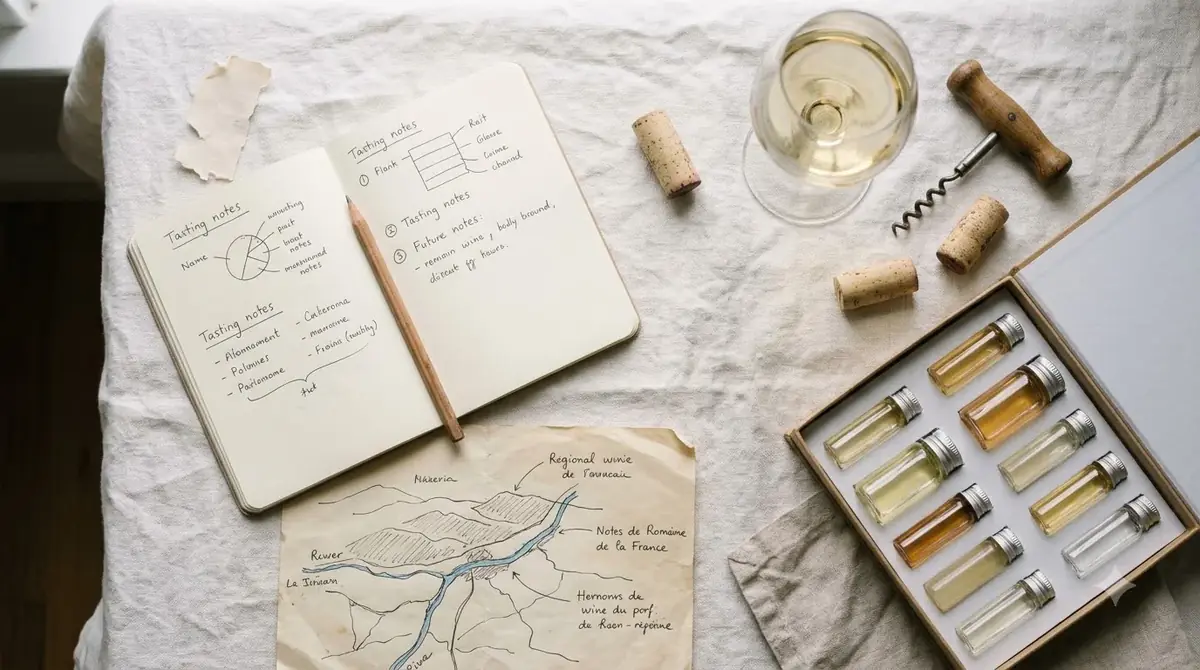
- Take tasting notes. Record grape varieties, vintage, oak influence, acidity and tannin. These details will help you compare different producers after the trip.
- Choose purchases carefully. Consider whether the wine is intended for immediate drinking or longer cellaring. Ask about bottle formats, shipping arrangements and availability in your home market.
For reservations, the official Bolgheri DOC winery experience service provides a useful starting point. Its booking request can be forwarded to selected producers, who respond directly with information about their experiences.
Travelers should also build their schedule around lunch rather than treating it as an afterthought. Tuscan food is an important part of the region’s identity, and a relaxed meal between tastings provides a natural opportunity to compare the wines with local dishes.
A simple itinerary might begin with a morning visit at one major estate, followed by lunch near Bolgheri’s historic center and an afternoon tasting at a smaller producer. This format leaves enough time to appreciate both the wine and the landscape without making the day feel overly scheduled.
Bolgheri Winery Styles and Signature Experiences
Bolgheri’s producers range from globally recognized estates to smaller wineries with individual approaches to grape varieties and cellar work. Understanding their differences makes it easier to choose an experience that matches your wine preferences.
Tenuta San Guido: The Sassicaia Connection
Tenuta San Guido is essential to understanding the development of modern Bolgheri wine. Marchese Mario Incisa della Rocchetta planted Cabernet cuttings at Castiglioncello di Bolgheri in 1942 and 1944. These plantings formed the foundation of Sassicaia, which eventually became one of Italy’s most important international wine names.
The first official Sassicaia was released in 1972 with the 1968 vintage. Its success helped demonstrate that Cabernet-based wines from coastal Tuscany could compete with internationally respected fine wines. The Bolgheri Sassicaia DOC is particularly distinctive because its production area is exclusive to the San Guido estate.
Visitors interested in Sassicaia should distinguish between tasting the wine and visiting the actual winery. Tenuta San Guido is not automatically accessible for conventional guided tours, so travelers should investigate available hospitality arrangements rather than assuming that a standard cellar appointment can be booked.
Ornellaia: Prestige and Variety
Ornellaia is another essential reference point for the region. Established in 1981 and owned by Marchesi Frescobaldi, the estate helped shape the identity of modern Bolgheri and was the first producer in the area to use Merlot, according to the regional consortium.
Its portfolio provides more than one way to explore the appellation. Ornellaia is classified as Bolgheri Superiore, Le Serre Nuove dell’Ornellaia belongs to Bolgheri Rosso, and Ornellaia also produces a Bolgheri Bianco. This combination makes the estate particularly interesting for visitors who want to understand how one producer approaches different wine categories.
The historic vineyards and cellar are located along Via Bolgherese, with additional vineyard holdings in the Bellaria area north of the town. For visitors, the important practical point is to arrange tasting details directly with the winery. The consortium lists Saturday and Sunday as closing days for visits and tastings, so weekday planning is particularly useful.
Guado al Tasso: Antinori’s Coastal Estate
Guado al Tasso offers another important perspective on the region’s development. The estate was founded by Piero Antinori, the older brother of Lodovico Antinori, who established Ornellaia. Its place in Bolgheri’s history makes it particularly relevant to visitors interested in the relationship between traditional Tuscan wine families and international grape varieties.
Its wine identity is associated with Cabernet-based blends and the wider Bolgheri appellation. Vermentino also provides a different side of the estate’s production, making it an appealing choice for visitors who do not want their entire tasting experience to consist of powerful red wines.
Rather than assuming that every visit includes the same selection, ask which wines are currently being poured and whether the program includes a vineyard or cellar component. This helps establish whether the experience is focused on the estate’s flagship wines or provides a broader overview.
Le Macchiole: A Different Interpretation of Bolgheri
Le Macchiole is particularly interesting for visitors who enjoy exploring individual grape varieties. The winery was established by Eugenio Campolmi, whom the Bolgheri DOC consortium identifies as the only native Bolgheri producer among the pioneers of the modern local wine movement.
The estate has played an important role in the region’s development of single-variety wines. Its history includes Messorio, a Merlot that was initially outside the original DOC framework because of the regulations governing varietal composition. The estate is therefore relevant to understanding how Bolgheri moved beyond traditional blended wines.
For a comparative tasting, Le Macchiole is a useful counterpoint to estates whose reputations center primarily on classic Bordeaux-style blends. Ask about the available labels and whether the tasting includes wines from different grape varieties or vintages.
Michele Satta: Independent Estate Character
Michele Satta is another significant name in the modern history of Bolgheri. According to the regional consortium, Michele Satta arrived from Varese, worked extensively with the local land and established his own winery during the period when producers were beginning to follow Sassicaia’s example.
The producer is worth considering for travelers who want to look beyond the region’s most famous labels. Its place among Bolgheri’s early modern producers makes it a useful addition to an itinerary that already includes a major estate such as Ornellaia or Guado al Tasso.
Before booking, ask which wines will be presented and whether the tasting includes both red and white bottlings. This is particularly helpful if your goal is to compare different expressions of the region rather than simply collect impressions of its flagship reds.
Castello di Bolgheri: Historic Cellar and Guided Tasting
Castello di Bolgheri is one of the most straightforward choices for travelers seeking a clearly defined winery experience. Its historic cellar was built in 1796 by the della Gherardesca family, connecting the estate’s visitor experience with the agricultural history of the surrounding village.
The winery’s published tasting program includes three red wines: Castello di Bolgheri DOC Bolgheri Superiore, Varvàra DOC Bolgheri and Flocco IGT Toscana. Tours are available in Italian and English, require advance reservations and have a minimum group size of two people.
The estate’s vineyard setting also helps explain Bolgheri’s coastal character. According to the winery, its vineyards are situated around the town and along both sides of Viale dei Cipressi. The reported vineyard altitude is 70 meters, and the soils contain sand, clay, limestone and pebbles.
The winery’s visitor information is especially useful because it specifies the actual tour format and reservation requirements. Travelers can consult the Castello di Bolgheri visits and tastings page before organizing their day.
Common Mistakes When Visiting Bolgheri Estates
The most common planning mistake is treating Bolgheri as a destination where every winery accepts spontaneous visitors. Its internationally recognized producers often operate structured hospitality programs, and a little preparation can prevent wasted travel time.
One mistake is assuming that every famous wine producer offers a public cellar tour. Tenuta San Guido’s reputation for Sassicaia does not automatically mean its winery can be visited through an ordinary appointment. Similarly, the consortium specifically states that Masseto is not open for visits. Checking access arrangements before building an itinerary is essential.
Another mistake is confusing the different Bolgheri appellations. Sassicaia has its own DOC, while Bolgheri Rosso and Bolgheri Superiore belong to the broader Bolgheri DOC framework. These distinctions are important when comparing wines because their production requirements and aging rules are not identical.
Visitors sometimes focus exclusively on expensive flagship wines. While iconic bottles deserve attention, a tasting of a producer’s second wine or entry-level Bolgheri Rosso can be just as educational. Comparing a younger red with a Superiore provides a clearer understanding of how grape selection, oak aging and blending influence the final wine.
Another frequent oversight is overlooking Vermentino. Bolgheri is widely associated with Cabernet Sauvignon and Merlot, but its white wines offer a valuable alternative. A tasting that includes Vermentino, Sauvignon Blanc or Viognier can reveal a more complete picture of the appellation.
Finally, avoid scheduling tastings too close together. A rushed itinerary makes it difficult to remember the wines and leaves little time to explore the historic village, vineyards and local restaurants. Two carefully selected visits often provide more value than a packed schedule of brief appointments.
Wine Care, Serving and Storage Tips
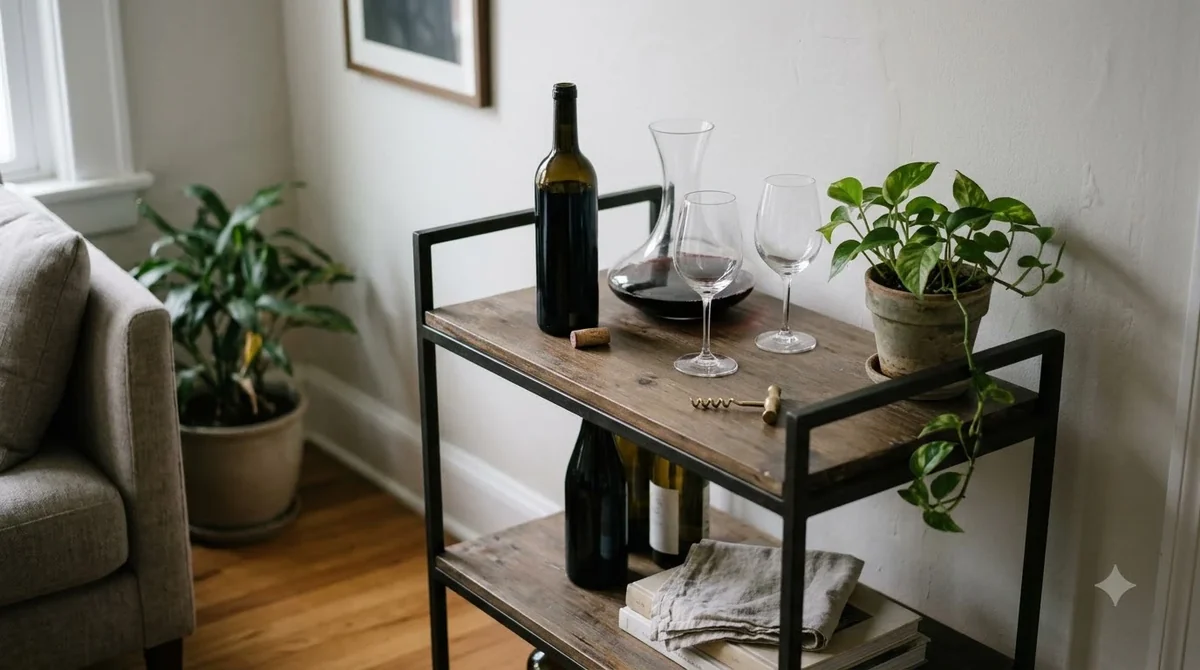
Buying bottles at a Bolgheri winery is only part of the experience; serving and storing them correctly helps preserve their character. Cabernet-based reds generally benefit from appropriate serving temperatures, suitable glassware and careful handling after opening.
Full-bodied red wines from Bolgheri are best served around 60 to 65 degrees Fahrenheit. Serving them considerably warmer can make alcohol seem more prominent and reduce the impression of freshness. If a bottle has been stored in a warm room, a short period in a cool environment before serving can help bring it closer to the recommended range.
Young, structured Cabernet Sauvignon blends may benefit from decanting for approximately 30 to 60 minutes. This allows the wine to interact with oxygen and can make its aromas more accessible. Older bottles require more care because excessive exposure to air can reduce their remaining freshness.
Choose a reasonably large wine glass with enough room to swirl the wine without spilling. A standard serving is approximately 5 ounces, and a 750 ml bottle provides about five such glasses. Pouring smaller tasting portions is particularly useful when comparing several estates in one evening.
Food pairing is another important consideration. Cabernet Sauvignon typically has high tannin, which works particularly well with fatty foods and protein-rich dishes. Grilled beef, lamb, aged Pecorino and slow-cooked Tuscan meat dishes can complement the structure of Bolgheri reds. Salt and fat soften the perception of tannin, making the overall combination feel more balanced.
Vermentino is a natural choice for seafood, grilled fish and Mediterranean vegetable dishes. Its freshness works well with foods that benefit from acidity, particularly dishes containing lemon, herbs or olive oil. Avoid pairing highly tannic reds with oily fish, as the combination can produce an unpleasant metallic impression.
For storage, keep bottles in a cool, dark environment near 55 degrees Fahrenheit with relatively stable conditions. Store cork-finished bottles on their sides to keep the cork from drying out. Avoid locations exposed to direct sunlight, strong vibrations or frequent temperature changes.
Once opened, still wines generally keep for approximately three to five days in the refrigerator, depending on their structure and storage conditions. Recork the bottle promptly and allow it to return to an appropriate serving temperature before drinking again. These basic practices help preserve the aromas and balance that make Bolgheri wines interesting.
Frequently Asked Questions
What is the difference between a Super Tuscan and a Bolgheri DOC wine?
Super Tuscan is a broad descriptive term for premium Tuscan wines, particularly those using international grape varieties or production approaches outside traditional appellation rules. Bolgheri DOC is a legally defined designation with specific geographic and production requirements. A wine can be internationally recognized as a Super Tuscan while also carrying a Bolgheri DOC designation.
Is Bolgheri part of the Chianti wine region?
No. Bolgheri is on Tuscany’s western Etruscan Coast in the province of Livorno, while Chianti is an inland wine region. Their climates, landscapes and principal grape varieties differ, with Bolgheri particularly associated with Cabernet Sauvignon and Merlot and Chianti traditionally centered on Sangiovese.
What does the name Sassicaia mean?
Sassicaia refers to a stony or gravelly place, reflecting the rocky character associated with its vineyard origins. The name is closely connected with Tenuta San Guido and has become one of the most recognizable designations in Italian fine wine.
Which grape varieties are permitted in Bolgheri white wines?
Vermentino is the principal variety, while Sauvignon Blanc and Viognier are also used in the appellation’s white wines. The proportions depend on the individual wine and its applicable production regulations. Some producers favor fresh, fruit-driven styles, while others create more structured whites.
How far is Bolgheri from the nearest major Tuscan coastal towns?
Bolgheri is close to the coastal communities of San Vincenzo and Marina di Bibbona, making it convenient to combine wine visits with a seaside holiday. The nearby town of Castagneto Carducci provides another useful base for exploring the surrounding countryside. Exact driving times depend on the starting point and seasonal traffic.
The best Bolgheri wineries offer much more than famous labels: they reveal the history, grape varieties and individual philosophies that shaped one of Tuscany’s most celebrated wine destinations. Start with Tenuta San Guido or Ornellaia for an introduction to the region’s iconic reds, then add producers such as Le Macchiole, Michele Satta or Castello di Bolgheri for a broader understanding of its character. With confirmed appointments and a relaxed itinerary, a visit to Bolgheri can become one of the most rewarding wine experiences on the Tuscan coast.
More in Wine Buying Guides
 Riesling Gift: Choose a Bottle They’ll LoveUpdated Nov 21, 2026
 Sweet Red Wine Gift: Choose a Bottle They’ll LoveUpdated Nov 21, 2026
 Malbec Gift: How to Choose a Memorable Bottle for Any OccasionUpdated Nov 21, 2026
 Sherry Gift Ideas That Match Every Wine LoverUpdated Nov 21, 2026
 Moscato Gift: How to Choose a Sweet Wine They’ll LoveUpdated Nov 21, 2026
 Merlot Gift: How to Choose a Bottle They’ll AppreciateUpdated Nov 21, 2026