


We may earn a commission when you buy through links on this page, at no extra cost to you. Learn more.
A bogle wine review shows that Bogle is a practical choice for fruit-forward California varietals and approachable blends, with options for both red- and white-wine drinkers. Its range moves from Chardonnay and Sauvignon Blanc to Cabernet Sauvignon, Merlot, Petite Sirah, and Old Vine Zinfandel. The strongest buying approach is to choose by grape, body, and food pairing rather than assume every Bogle bottle tastes alike.
Bogle is a family wine producer based in Clarksburg, California, with roots in farming that go back several generations. Its wines cover familiar styles for weeknight meals and casual gatherings, while a few reserve and specialty bottlings offer a more focused expression of individual vineyards or grapes. This guide explains what the main styles offer, which details matter on the label, and how to serve each bottle well.
Who This Is For
Bogle is worth considering if you want recognizable California grapes, a choice of red and white styles, and wines that are generally framed around ripe fruit rather than austere structure. The family released wine under its own label in 1978, and its current range spans everyday varietals as well as blends and reserve selections.
The lineup can suit several kinds of wine drinkers. A person who enjoys a fuller red can start with Cabernet Sauvignon, Petite Sirah, or Old Vine Zinfandel; someone who prefers softer tannins can look at Merlot or Pinot Noir. For white-wine drinkers, Chardonnay offers a rounder profile, while Sauvignon Blanc and Pinot Grigio are more natural choices for a crisp, refreshing style. Bogle also makes rosé and an annual Essential Red blend.
The family traces its farming story through six generations. Warren and Chris planted the first 20 acres of wine grapes at the Home Ranch in 1968; after 10 years growing grapes for other wineries, the family released its own label. That background explains the agricultural focus, but grape and bottling remain the best clues to what is in the glass.
Readers who want a wider introduction to Bogle wine can start with the brand overview, then compare individual bottles by grape and occasion.
Key Factors to Compare
Compare Bogle bottles by grape variety, winemaking approach, body, and the kind of meal you plan to serve. Two reviewed bottlings provide useful reference points: Wine Enthusiast lists both its 2023 Old Vine Zinfandel and 2024 Chardonnay at 14.5% alcohol by volume in 750 ml bottles, but their flavor profiles are quite different.
| Style | Documented producer or review detail | A useful taste expectation | Best starting point |
|---|---|---|---|
| Chardonnay | 50% barrel fermented and 50% stainless-steel fermented; lees stirred monthly. The reviewed 2024 bottle was 14.5% ABV in a 750 ml format. | Green apple, pear, baking spice, and toasty oak in the reviewed bottling. | Drinkers who like a rounded white with some oak character. |
| Old Vine Zinfandel | The producer describes a core of fruit from 60- to 80-year-old head-trained vines. The reviewed 2023 bottle was 14.5% ABV in a 750 ml format. | Blackberry, raspberry, baking spice, and a substantial, ripe-fruited palate. | Drinkers who enjoy generous fruit and a fuller red. |
| Cabernet Sauvignon | The producer describes a traditional, fruit-forward style with structure for ageability. | Expect a more structured red with dark-fruit character and firmer tannin than Pinot Noir. | Pair with grilled beef, lamb, or a rich mushroom dish. |
| Merlot | Part of the core varietal range; the producer emphasizes mature fruit and traditional techniques. | Typically softer and less tannic than Cabernet Sauvignon. | Choose for roast chicken, burgers, or tomato-based pasta. |
| Petite Sirah | The producer identifies it as its heritage varietal; the first wine grapes were planted in 1968. | A fuller red style with dark fruit and firm structure. | Serve with barbecue, short ribs, or hard aged cheese. |
| Sauvignon Blanc | The producer uses cold fermentation and reductive winemaking to retain freshness. | A fresher, more citrus- and herb-leaning white than Chardonnay. | Pair with goat cheese, seafood, or green vegetables. |
| Essential Red | An annual blend assembled to use the grapes that performed best in that vintage. | A blend-led option rather than a single-variety expression. | Choose when you want a flexible red for casual meals. |
The Chardonnay production split is useful because it explains why the wine can show both freshness and a rounded texture. The family’s portfolio page says half of the wine is barrel fermented and half stainless-steel fermented, then aged sur lie with monthly hand stirring. That method can contribute texture and subtle savory complexity without making every sip taste heavily oaked. For the bottle-level tasting profile, the Wine Enthusiast review of Bogle’s 2024 Chardonnay describes green apple, pear, cinnamon, caramel, and toasted oak.
For reds, compare tannin and weight before fruit descriptors. Cabernet Sauvignon and Petite Sirah generally bring more grip than Merlot or Pinot Noir, while Zinfandel often emphasizes ripe berry fruit and spice. The range can suit a lightly chilled red or a structured bottle with grilled meat.
Step-by-Step: How to Choose a Bogle Bottle
A good selection starts with the meal and the weight of wine you enjoy, then narrows to grape and serving style. Use the following sequence rather than choosing by label color or a single tasting adjective.
- Set the occasion. For an aperitif or a warm-weather lunch, consider Sauvignon Blanc, Pinot Grigio, or rosé. For a roast, burger night, or grilled dinner, start with a red such as Merlot, Cabernet Sauvignon, or Old Vine Zinfandel.
- Choose the body. Pick Pinot Noir or Merlot when you want a lighter or softer red impression; choose Cabernet Sauvignon or Petite Sirah for more structure. For whites, Sauvignon Blanc is the fresher direction, while Chardonnay is generally rounder.
- Match acidity to the food. A dish with lemon, vinegar, or tomato needs a wine with enough acidity to keep the pairing lively. Sauvignon Blanc is a natural option for tangy salads or goat cheese, while a ripe red can work better with grilled meat than with a sharply acidic vinaigrette.
- Account for tannin, salt, and fat. Salt and fat soften the impression of tannin, which is why Cabernet can work with a marbled steak or aged cheese. A delicate white fish or oily fish is usually a better match for a white wine or a low-tannin red than for a highly tannic red.
- Check the specific bottling. Bogle’s range includes varietal wines, blends, and reserve selections. A 2023 Old Vine Zinfandel review and a 2024 Chardonnay review describe different grapes and different flavor signatures, so use the actual grape and vintage as your guide.
- Plan the serving temperature. Serve light whites and rosé around 45–50°F, full-bodied whites around 50–55°F, light reds around 55–60°F, and fuller reds around 60–65°F. A red that is too warm can seem alcoholic and heavy, while an overly cold red can feel more closed and tannic.
Use this method when choosing between Bogle Chardonnay and Sauvignon Blanc: a creamy or grilled dish can suit the rounder Chardonnay, while citrus, herbs, or goat cheese point toward the fresher white. The dedicated Bogle Chardonnay overview can help narrow the choice.
For reds, a juicy burger with melted cheese can handle Merlot or Zinfandel; grilled ribeye has the fat and protein to stand up to Cabernet Sauvignon or Petite Sirah. Tomato-heavy pasta is often more comfortable with a red that has enough acidity.
Types and Styles Explained
Bogle’s range is broad enough that grape variety is a more reliable guide than the producer name alone. The core portfolio includes Cabernet Sauvignon, Merlot, Chardonnay, Pinot Noir, Sauvignon Blanc, Petite Sirah, Old Vine Zinfandel, Pinot Grigio, Essential Red, and rosé, with other limited and reserve bottlings appearing in the range.
Red wines: Cabernet Sauvignon and Petite Sirah suit drinkers who like firmer tannins and dark-fruit flavor; pair them with grilled steak, lamb, short ribs, or aged cheddar and serve near 60–65°F. Merlot is generally softer, while Pinot Noir is lower in tannin and higher in acidity, making it useful with roast chicken, salmon, mushrooms, or pork. Old Vine Zinfandel leans toward ripe berry fruit and spice; Wine Enthusiast describes the 2023 Bogle bottling with black fruits, Seville orange, red licorice, clove, cardamom, and mocha.
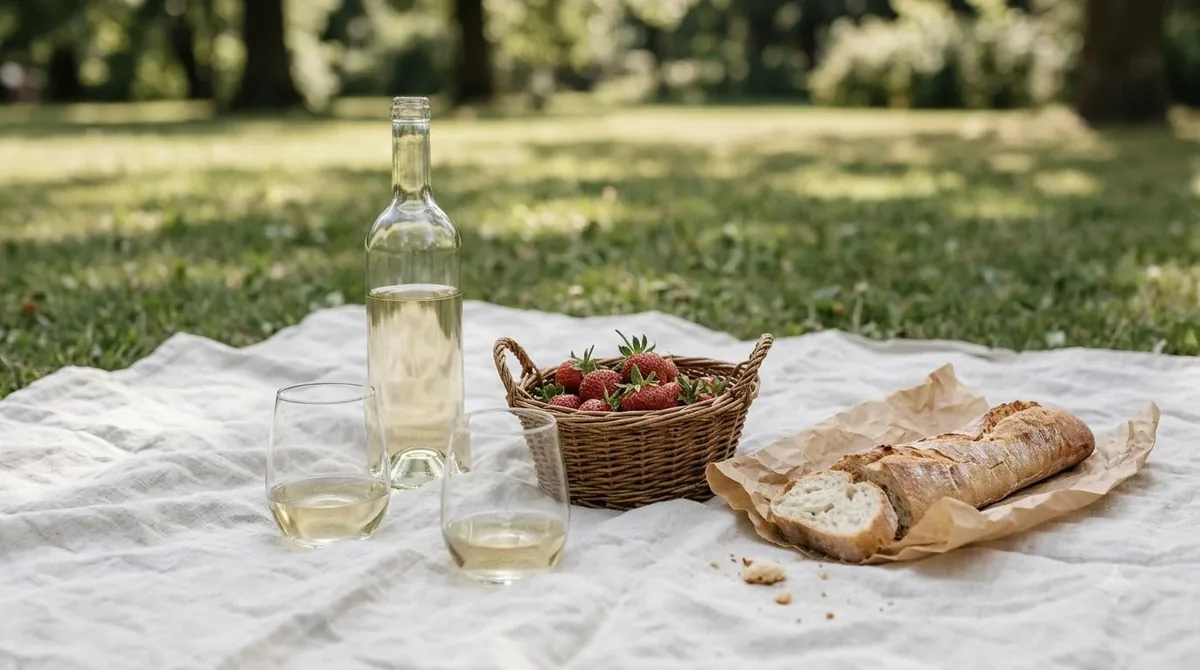
White wines, rosé, and blends: Chardonnay is rounder, with medium acidity and potential oak influence; Sauvignon Blanc is usually brighter and works with goat cheese, shellfish, herbs, and green vegetables. Pinot Grigio is another crisp option for light seafood or salads, while rosé suits picnic food and grilled vegetables. Essential Red changes with the grapes that perform best each year, so it is a flexible blend rather than a fixed varietal recipe. Retail listings also group Phantom Red with Old Vine Zinfandel, Cabernet Sauvignon, Merlot, Petite Sirah, and Pinot Noir, showing that the red selection includes both blends and varietal bottlings.
For the family’s winemaking notes on Chardonnay, Sauvignon Blanc, Pinot Grigio, and rosé, see the Bogle Family Wine Collection portfolio overview. Readers comparing labels can also browse the site’s broader Wine Brands coverage to understand how grape, region, and producer style shape a purchase.
Common Mistakes When Buying Bogle Wine
The most common mistake is treating every Bogle red or white as interchangeable. Cabernet Sauvignon, Merlot, Pinot Noir, Petite Sirah, and Zinfandel have distinct tannin levels, acidity, and body, so the best choice depends on food and personal preference rather than brand recognition alone.
Another mistake is assuming that a fruit-forward description means a wine is sweet. Berry, plum, or peach aromas can appear in a dry wine; sweetness is a separate part of the wine’s structure. This matters with spicy food and dessert. Alcohol and tannin can amplify chili heat, so a high-alcohol Cabernet or Petite Sirah may make spicy dishes feel hotter. With dessert, choose a wine at least as sweet as the food or the wine can taste sour and thin.
Do not pair a high-tannin red automatically with every fish dish. Oily fish can clash with tannic reds, while a crisp white or a lighter, low-tannin red is generally easier. Likewise, acidic foods need a wine with equal or higher acidity: a lemon-forward salad can flatten a soft, low-acid white, while Sauvignon Blanc is often better able to keep pace.
Finally, avoid serving all wine at the same temperature. A full red poured warm can exaggerate alcohol, while a Chardonnay served ice-cold can lose aroma and texture. Use the style ranges in the serving step as a starting point and let the wine warm slightly in the glass if it seems muted.
Care and Storage Tips
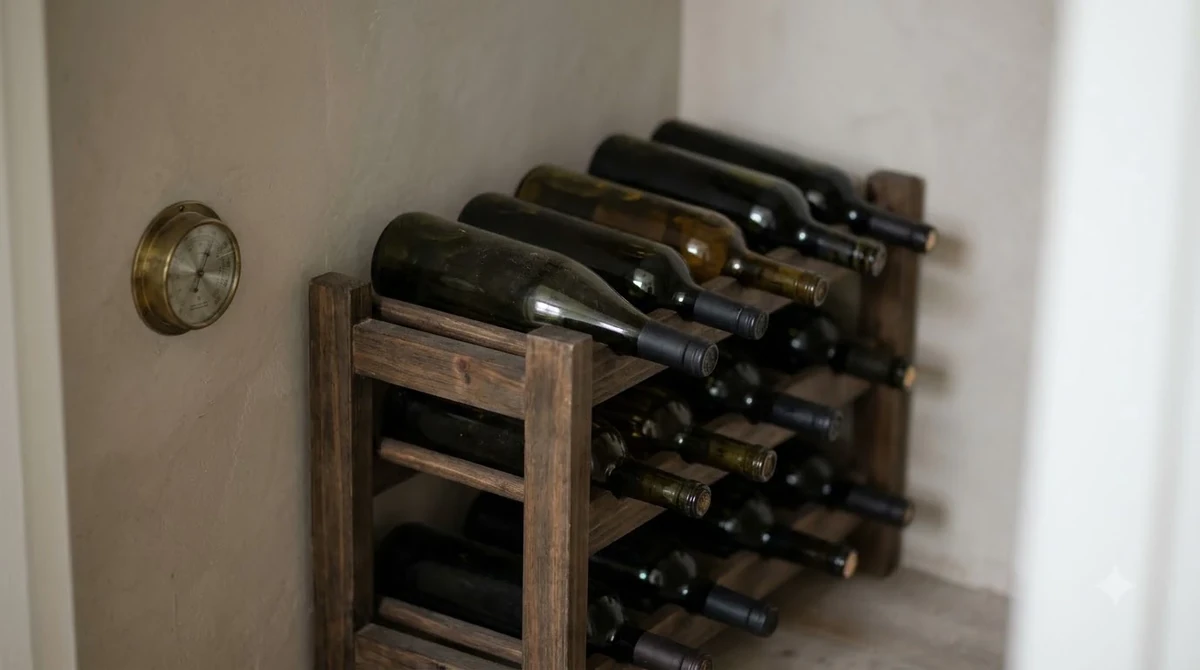
Good storage and correct serving temperature protect the fruit and balance that make a bottle enjoyable. Keep unopened bottles away from heat, sunlight, and large temperature swings; for bottles with corks, store them on their side in a cool place near 55°F.
Once opened, put still wine in the refrigerator even if it is red. Most opened still wines keep for about 3–5 days when recorked or sealed and chilled; sparkling wine is usually best within 1–3 days with a proper sparkling stopper. Bring a red toward its serving range before pouring, rather than leaving it on a warm kitchen counter for hours. A white can be taken from the refrigerator shortly before serving so it is not too cold.
A standard 5-ounce pour means a 750 ml bottle holds about five glasses. A young, full-bodied Cabernet Sauvignon or Petite Sirah can benefit from a 30–60 minute decant; lighter Pinot Noir or crisp white usually does not need the same treatment.
Tip: Chill a full-bodied red for about 15–20 minutes before serving if the room is warm, then pour a small taste. It is easier to let the wine warm in the glass than to correct a bottle that has been sitting too close to a stove or sunny window.
Do not save every opened bottle for the same length of time. Sauvignon Blanc may lose its citrus edge before a structured red loses its fruit, while sparkling wine loses bubbles more quickly than still wine. Taste a small pour after refrigeration and discard wine that has turned flat, bruised, or sharply vinegary.
Frequently Asked Questions
These quick answers cover bottle details such as 14.5% ABV and old-vine Zinfandel, along with techniques such as sur lie aging and saignée rosé. The key is to distinguish grape variety, winemaking technique, and bottle-specific alcohol information.
What does “head-trained” mean on an Old Vine Zinfandel description?
Head-trained vines are pruned and trained as low, freestanding bushes instead of being arranged along a tall trellis. This is a traditional training method used for some older Zinfandel vineyards. It describes how the vine is shaped, not a guarantee that the finished wine will taste a particular way.
What does sur lie aging mean for Chardonnay?
Sur lie means that the wine rests in contact with its spent yeast cells, called lees, after fermentation. Lees contact can add a rounder texture and subtle bread-dough or savory notes. Batonnage is the French term for stirring those lees back into the wine.
Is Petite Sirah the same grape as Syrah?
No. Petite Sirah is the common U.S. name for Durif, a grape created from a cross between Syrah and Peloursin. It is distinct from Syrah, despite sharing one parent and having a similar-sounding name.
How is rosé made with the saignée method?
Saignée means “bleeding” in French: a winemaker draws off some pink juice from a red-wine fermentation tank after a short period of skin contact. That juice is then fermented separately as rosé, while the remaining red wine has a higher ratio of skins to juice. It is one of several ways to produce rosé.
Does 14.5% ABV apply to every Bogle bottle?
No. The 14.5% figure belongs to the particular reviewed 2023 Old Vine Zinfandel and 2024 Chardonnay bottlings cited above. Alcohol content can differ among grapes, vintages, and individual wines, so it should not be treated as a brand-wide specification.
Bogle is easiest to shop when you begin with the style you like and match it to the meal, rather than treating the family name as one fixed flavor profile. Start with a familiar grape, serve it at the right temperature, and use the specific bottling details to make the final choice.
More in Wine Brands
 Underwood Wine Price: Compare Bottles, Cans, and Pack SizesUpdated Nov 21, 2026
 Zenato Wine Price: Compare Styles and Choose the Right BottleUpdated Nov 21, 2026
 Zuccardi Wine Price: Compare Bottles and Find the Right RangeUpdated Nov 21, 2026
 Yellow Tail Moscato Review: Taste, Sweetness and Serving TipsUpdated Nov 21, 2026
 Wolf Blass Yellow Label Review: Choose Your Best StyleUpdated Nov 21, 2026
 Wolffer Estate Rose Review: Choose the Right Bottle for Your TableUpdated Nov 21, 2026