

We may earn a commission when you buy through links on this page, at no extra cost to you. Learn more.
This bogle chardonnay review finds that Bogle Chardonnay is an approachable California white wine with green apple, pear, vanilla, baking spice, and noticeable oak influence. Its combination of stainless-steel and barrel fermentation creates a balance between fresh fruit and a rounded, creamy texture. It is particularly appealing to drinkers who enjoy fuller-bodied Chardonnay with familiar fruit flavors and enough freshness to accompany everyday meals.
Bogle Family Vineyards offers a recognizable California Chardonnay style that combines accessible fruit character with traditional winemaking techniques. The wine is worth considering for casual dinners, entertaining, and occasions when a richer white wine is more appealing than a crisp, lean alternative. However, vintage differences matter, particularly for alcohol content, oak expression, and the balance between fruit and acidity. Understanding those details makes it easier to decide whether this bottle matches your preferences.
Who This Chardonnay Is For
Bogle Chardonnay is best suited to drinkers who enjoy ripe orchard fruit, moderate-to-pronounced oak character, and a rounded mouthfeel. Its combination of green apple, pear, vanilla, and baking spice makes it a familiar choice for people exploring California Chardonnay rather than seeking a particularly austere or mineral-driven white wine.
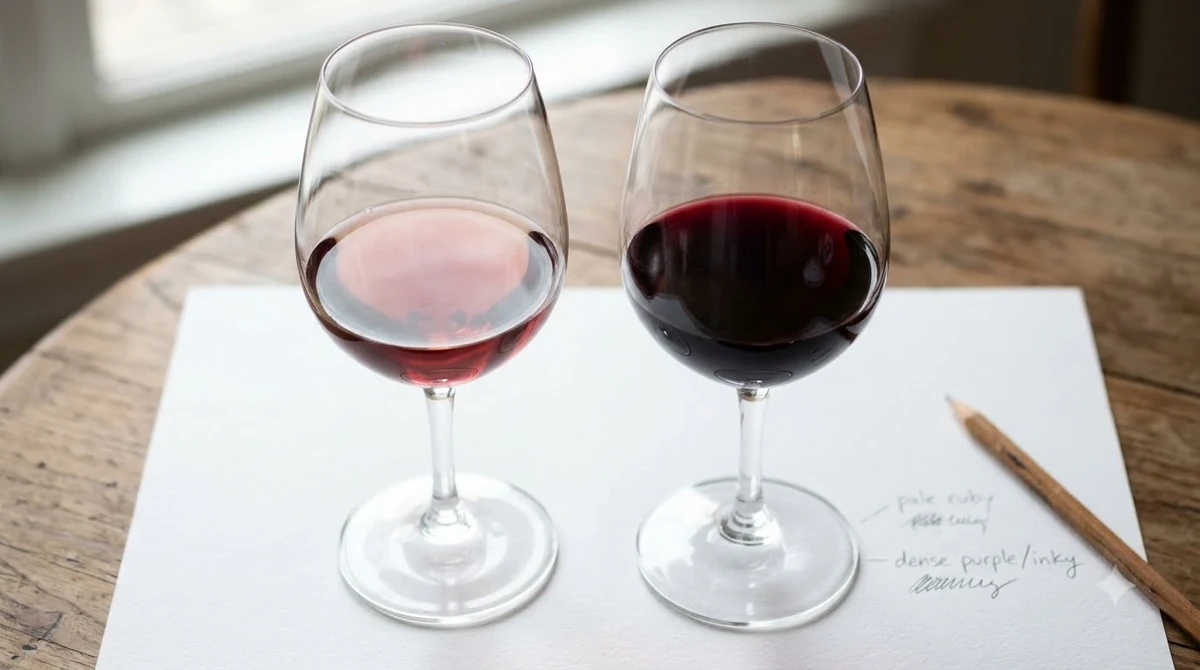
The style also works for people who want a versatile bottle for a dinner table. Bogle recommends serving its Chardonnay with grilled fish, roasted chicken, fresh green salads, and soft cheeses. These suggestions make sense because the wine’s fruit character and texture can complement both relatively delicate dishes and richer preparations. A simple roast chicken dinner, for example, provides enough savory flavor to balance the wine’s rounded fruit and oak.
There are a few drinker preferences worth considering before buying. Someone who enjoys creamy Chardonnay with vanilla and baking-spice notes will probably find the general style appealing. Someone who prefers unoaked Chardonnay, very high acidity, or delicate citrus-driven wines may find the oak and fuller texture more prominent than desired.
Vintage selection also deserves attention. The producer’s 2023 technical information describes 50% stainless-steel fermentation and 50% barrel fermentation, with eight months of sur lie aging. Its tasting description highlights citrus, apple, jasmine, stone fruit, vanilla, and clove. These characteristics suggest a wine that combines freshness with a noticeable layer of richness.
For a more detailed introduction to the wine itself, the Bogle Chardonnay overview provides a useful starting point. It is also helpful to distinguish the standard California bottling from more specialized Chardonnay styles before making a purchase.
Key Factors to Compare Before Buying
The most useful buying considerations are vintage, fermentation method, alcohol level, acidity, and oak character. These details explain why Bogle Chardonnay can feel richer in one bottle than another, even when the producer maintains a recognizable house style.
The producer’s technical information and independent tasting reviews provide complementary perspectives. The following table summarizes the principal details available for the standard bottling and explains what they mean when choosing a bottle.
| Factor | Documented detail | What it means |
|---|---|---|
| Wine type | California Chardonnay | A fruit-forward California white wine style |
| Grape | Chardonnay | Provides apple, pear, citrus, and stone-fruit character |
| Fermentation | 50% stainless steel and 50% barrel for 2023 | Combines fresh fruit with oak-derived complexity |
| Lees aging | 8 months for 2023 | Contributes texture and a rounded palate |
| Alcohol | 13.5% ABV for 2023 producer documentation | Vintage-specific alcohol level |
| Wine pH | 3.51 for 2023 | A technical measure of acidity |
| Reported acidity | 0.66 for 2023 | Indicates measured acidity in the producer’s technical information |
| Bottle size | 750 ml in independent retail listings | Approximately five standard 5-ounce pours |
| Flavor profile | Apple, pear, citrus, vanilla, and spice | Fruit-led with a noticeable oak component |
One important distinction is that technical figures should not automatically be transferred between vintages. The producer’s 2023 information lists 13.5% alcohol, while Wine Enthusiast’s review of the 2024 Chardonnay lists 14.5% ABV in a 750 ml bottle. That difference illustrates why checking the particular vintage is more useful than assuming every bottle has identical specifications.
Oak treatment is another major consideration. Bogle’s split fermentation approach means some Chardonnay develops in stainless steel while the remainder receives barrel influence. Stainless steel helps retain fresh fruit character, whereas oak fermentation contributes flavors and aromas associated with baking spices, vanilla, and toast.
Lees aging adds another dimension. The producer describes eight months of sur lie aging for the 2023 bottling. Sur lie aging means the wine remains in contact with spent yeast cells, which can contribute additional texture and complexity. Monthly stirring, also known as bâtonnage, helps redistribute the lees and develop a fuller mouthfeel.
For shoppers comparing technical details, the Bogle Chardonnay alcohol content breakdown is particularly useful. Alcohol, acidity, and body all influence how a white wine feels alongside food.
Step-by-Step: How to Choose the Right Bottle
Choosing Bogle Chardonnay is easier when you compare the available vintage and your preferred flavor profile before buying. A few simple checks can help you avoid selecting a bottle that is too rich, too oaky, or too different from the style you normally enjoy.
-
Identify the vintage.
Start by checking the year on the bottle. The producer’s 2023 Chardonnay information describes citrus, apple, white jasmine, stone fruit, vanilla, and clove. Independent reviews of other vintages show that fruit ripeness and oak intensity can vary. Do not assume a previous year’s tasting description applies exactly to a newer release.
-
Decide how much oak you enjoy.
If you like vanilla, cinnamon, toast, and richer fruit, Bogle’s barrel-influenced style may be a good match. If your preference is for a very crisp Chardonnay without obvious oak, consider whether a wine with a substantial stainless-steel component and relatively restrained oak treatment would suit you better.
-
Compare alcohol levels.
The documented 2023 Bogle Chardonnay has 13.5% ABV, while Wine Enthusiast lists 14.5% for the reviewed 2024 vintage. A higher alcohol level can contribute to a warmer impression and a fuller-feeling palate. This distinction matters if you prefer lighter-bodied white wines.
-
Look at the food you plan to serve.
For grilled fish, roast chicken, or soft cheese, Bogle Chardonnay has a useful combination of fruit and texture. For delicate shellfish or dishes with pronounced citrus, a leaner white wine may provide a more precise match. Consider the sauce and cooking method rather than choosing a wine based only on the main ingredient.
-
Consider the intended occasion.
A 750 ml bottle provides approximately five standard 5-ounce servings. That makes it practical for a small dinner with several guests or a relaxed meal for two. If the wine is intended for a larger gathering, consider how many guests will actually drink Chardonnay before deciding how many bottles to purchase.
-
Compare the producer’s notes with independent reviews.
Producer descriptions explain the intended style, while independent reviews provide another perspective on how a particular vintage presents. Comparing both helps distinguish the winery’s general style from the characteristics of an individual harvest.
Tip: Choose the vintage before comparing tasting notes. Bogle’s documented 2023 and independently reviewed 2024 bottlings have different listed alcohol levels, so vintage-specific information is more reliable than assuming every release tastes or feels exactly the same.
After choosing a bottle, plan to serve it slightly chilled rather than refrigerator-cold. A temperature that is too low can suppress the aromas of apple, pear, vanilla, and baking spice. Allowing the wine to warm slightly in the glass makes its texture and aromatic character easier to appreciate.
Types and Styles Explained
Chardonnay can range from lean, citrus-driven wines to rich, creamy examples with pronounced oak influence. Bogle’s standard California bottling sits toward the fruit-forward, fuller-textured side of that spectrum, although its balance can change between vintages.
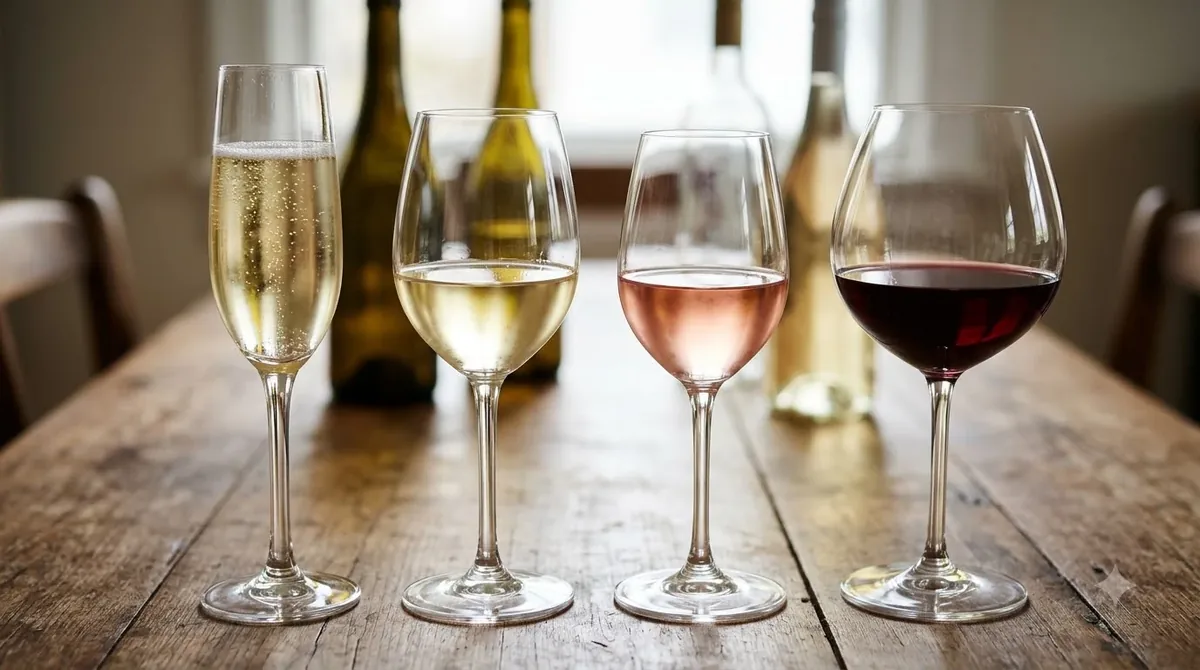
The winery’s use of both stainless steel and barrel fermentation is central to understanding the style. The stainless-steel portion helps maintain freshness, while the barrel-fermented portion adds warmth, spice, and a broader impression of texture. This is not an entirely unoaked Chardonnay, but neither is the documented 2023 version fermented exclusively in oak.
Fruit-forward California Chardonnay
The primary style is recognizable through green apple, pear, and stone-fruit flavors. These characteristics give the wine an approachable profile that works for people who enjoy familiar orchard-fruit notes. In the producer’s 2023 description, citrus and fresh apple aromas are accompanied by white jasmine, while stone fruit, vanilla, and clove appear on the palate.
Independent reviews show additional variation. Wine Enthusiast’s review of the 2024 bottling identifies green apple, pear, cinnamon, caramel, and toasted oak aromas. Its palate description includes Golden Delicious apple, yellow plum, Seville orange, and nutmeg. These notes reinforce the fruit-and-spice character associated with the wine.
Oak-influenced Chardonnay
Oak contributes flavors that are commonly associated with vanilla, baking spices, toast, and sometimes buttery impressions. The degree of influence depends on fermentation, barrel treatment, and the characteristics of the vintage.
Wine Enthusiast’s review of the 2021 Bogle Chardonnay describes a full-bodied wine with very ripe fruit and substantial new-oak notes, including cinnamon, nutmeg, and vanilla. Its review of the 2020 bottling also identifies vanilla, butter, and cinnamon. These descriptions provide useful examples of how oak and fruit ripeness can shape the wine’s character.
Freshness from stainless steel
Stainless-steel fermentation is important because it helps retain primary fruit aromas without adding the same barrel-derived flavors. In Bogle’s 2023 production information, half the wine undergoes stainless-steel fermentation. That portion provides a counterbalance to the barrel-fermented component.
The result is a more layered style than a wine produced exclusively in stainless steel. It can offer both fresh orchard fruit and a broader texture, making it suitable for drinkers who want some oak influence without choosing a completely barrel-fermented Chardonnay.
Is Bogle Chardonnay dry or sweet?
Bogle Chardonnay is generally best understood as a dry-style white wine rather than a sweet dessert wine. Its ripe apple, pear, and vanilla flavors may give an impression of sweetness, but ripe fruit aromas do not necessarily indicate substantial residual sugar.
This distinction is useful when pairing wine with food. A dry Chardonnay can accompany savory chicken, seafood, and cheese dishes without introducing the sweetness associated with dessert wines. If you prefer noticeably sweet white wines, Moscato or a sweeter Riesling may be a more appropriate direction.
Common Mistakes When Buying and Drinking Bogle Chardonnay
The biggest mistakes involve assuming that all Bogle vintages are identical, confusing vanilla and ripe fruit with actual sweetness, and serving the wine too cold. Understanding these differences helps reveal the wine’s intended balance and prevents disappointing food pairings.
Assuming every vintage has the same alcohol level
Alcohol content is not necessarily identical from one harvest to another. The producer’s 2023 documentation lists 13.5% ABV, whereas Wine Enthusiast records 14.5% for the 2024 vintage. That is a meaningful difference when comparing the expected body and warmth of two bottles.
For anyone comparing releases, vintage-specific details are more useful than relying on a general description of the brand. The same principle applies to acidity, aroma intensity, and oak expression.
Confusing oak flavors with sweetness
Vanilla, caramel-like aromas, and ripe yellow fruit can make Chardonnay seem sweeter than it actually is. These impressions are part of its aroma and flavor profile, not proof that the wine contains a high level of residual sugar.
Bogle’s documented descriptions include vanilla, baking spice, and fruit flavors. The wine is better approached as a dry Chardonnay with ripe fruit character than as a sweet white wine.
Serving it too cold
White wine is often kept in a refrigerator for convenience, but serving Chardonnay directly from a very cold refrigerator can reduce its aromatic expression. Full-bodied white wines are generally best served around 50–55°F.
At that temperature, apple, pear, and oak-derived spice become easier to recognize. If the wine warms too much, however, the alcohol may seem more prominent and the overall impression less refreshing.
Pairing it with every seafood dish
Although Chardonnay works well with many seafood preparations, not every fish dish is an ideal match. Bogle’s richer texture and oak influence are particularly appropriate with grilled fish, especially when the preparation includes butter, herbs, or a savory sauce.
Very delicate raw seafood or dishes built around sharp citrus may be better served by a lighter, higher-acidity white wine. Oily fish can also be difficult with wines whose structure does not provide enough freshness to balance the dish.
Ignoring the preparation of the food
Roasted chicken and grilled fish are useful pairing suggestions, but cooking technique makes a difference. A lightly grilled chicken breast with herbs has a different flavor profile from chicken cooked with cream, butter, and roasted vegetables.
The richer preparation will generally accommodate the wine’s oak and texture more comfortably. A simple salad with sharp vinaigrette, on the other hand, can make the wine seem less fresh because acidic food requires a wine with equal or higher acidity.
Thinking about the sauce, seasoning, and cooking method is therefore more useful than relying on a basic food-category pairing chart.
Care, Serving, and Storage Tips
Proper serving temperature and storage help preserve the fresh fruit and balanced texture of Bogle Chardonnay. The wine does not require elaborate preparation, but a few practical habits can make a noticeable difference between the first pour and the last.
Serve at 50–55°F
For a fuller-bodied white wine such as Bogle Chardonnay, a serving temperature of approximately 50–55°F is a useful target. This is slightly warmer than the temperature often used for lighter whites, which are commonly served around 45–50°F.
If the bottle has been stored in a refrigerator, give it a short period outside the refrigerator before pouring. The precise time depends on the bottle’s starting temperature and the room conditions. Rather than following a rigid schedule, adjust the temperature gradually and taste as the wine warms.
Use an appropriate glass
A standard white wine glass with a moderately sized bowl works well. The bowl provides enough room for the aromas to collect while keeping the wine at a reasonably cool temperature.
A glass with a slightly wider bowl can be useful for richer Chardonnay because it gives the wine more room to release its aromas. There is no need for specialized or expensive glassware to enjoy the wine properly.
Pour standard servings
A 750 ml bottle contains approximately five standard 5-ounce servings. This is a practical reference for planning dinner portions and estimating how much wine to open for a gathering.
Smaller pours also leave room in the glass for swirling, which helps release aromas. Avoid filling the glass to the rim, particularly if you want to appreciate the wine’s apple, pear, and spice characteristics.
Store unopened bottles correctly
Keep unopened bottles in a cool, dark location with a reasonably stable temperature. Around 55°F is a useful storage target for wine. Avoid placing bottles near ovens, radiators, sunny windows, or other sources of repeated heat exposure.
For bottles with traditional cork closures, horizontal storage helps keep the cork in contact with the wine. The aim is to minimize temperature fluctuations and excessive light exposure rather than trying to create complicated storage conditions for an everyday bottle.
Preserve an opened bottle
Once opened, reseal the bottle and place it in the refrigerator. Still white wines generally retain their best drinking quality for approximately three to five days when properly stored, although freshness can decline sooner depending on air exposure and the wine itself.
When serving again, remove the bottle from the refrigerator shortly before pouring so the wine can approach its preferred serving temperature. A small amount of oxidation is normal after opening, but pronounced stale, bruised-apple, or vinegar-like aromas suggest that the wine has deteriorated.
There is no particular advantage to leaving an everyday bottle open for extended periods. If you expect to drink only a glass or two, a reliable wine stopper can help limit air contact and preserve the remaining wine.
Frequently Asked Questions
Is Bogle Chardonnay suitable for someone new to wine?
Yes. Its familiar apple, pear, vanilla, and spice flavors make it relatively approachable for someone learning about Chardonnay. The wine also provides an opportunity to recognize how oak fermentation and lees aging influence a white wine’s texture.
Does Bogle Chardonnay contain sulfites?
Wine naturally contains some sulfites as a result of fermentation, and additional sulfur dioxide may be used during winemaking for preservation. The specific sulfite concentration of an individual Bogle bottle is not established by the general tasting information. Consult the producer’s product information for any available vintage-specific details.
Can Bogle Chardonnay be used in cooking?
Yes. A dry Chardonnay can be used in sauces for chicken, seafood, and vegetable dishes. Its apple and oak characteristics work particularly well in cream-based preparations, although prolonged reduction can concentrate the wine’s flavor and make excessive oak notes more noticeable.
Does Bogle Chardonnay need decanting?
No. Ordinary California Chardonnay generally does not require decanting before serving. Opening the bottle and pouring it into a suitable glass provides sufficient exposure to air for enjoying its fruit and oak aromas.
Can Bogle Chardonnay be kept for several years?
The standard bottling is generally intended for accessible drinking rather than extended cellar aging. Its fresh apple, pear, and citrus characteristics are central to its appeal, so drinking it while those primary fruit qualities remain prominent is a sensible approach. Long-term aging potential should not be assumed from the winery’s general product description.
Bogle Chardonnay is a worthwhile option for drinkers who enjoy California white wines with ripe orchard fruit, vanilla, oak influence, and a rounded texture. Its combination of stainless-steel and barrel fermentation makes it more layered than a simple fruit-forward white, while its food-friendly profile suits grilled fish, roasted chicken, and mild cheeses. Compare the vintage, alcohol level, and oak character before choosing a bottle, and serve it slightly chilled to appreciate its full range of flavors. For further independent tasting context, see Wine Enthusiast’s Bogle Family Vineyards Chardonnay review and the producer’s 2023 Chardonnay technical and tasting information.
More in Wine Brands
 Underwood Wine Price: Compare Bottles, Cans, and Pack SizesUpdated Nov 21, 2026
 Zenato Wine Price: Compare Styles and Choose the Right BottleUpdated Nov 21, 2026
 Zuccardi Wine Price: Compare Bottles and Find the Right RangeUpdated Nov 21, 2026
 Yellow Tail Moscato Review: Taste, Sweetness and Serving TipsUpdated Nov 21, 2026
 Wolf Blass Yellow Label Review: Choose Your Best StyleUpdated Nov 21, 2026
 Wolffer Estate Rose Review: Choose the Right Bottle for Your TableUpdated Nov 21, 2026