

We may earn a commission when you buy through links on this page, at no extra cost to you. Learn more.
The bogle chardonnay price typically falls around $8 to $15 for a 750 ml bottle at US retailers, making it an affordable option for everyday Chardonnay drinkers. Actual prices vary by state, retailer, store availability, and vintage. Bogle offers a balanced California Chardonnay with apple and citrus fruit, creamy texture, and oak-influenced spice, giving shoppers a recognizable style without moving into expensive premium-wine territory.
Bogle Chardonnay occupies a useful position in the American wine market: it is accessible enough for casual dinners but has enough winemaking detail to interest people who enjoy a more layered white wine. Its combination of stainless-steel fermentation, barrel fermentation, lees aging, and partial malolactic fermentation helps explain why the wine offers both fresh fruit and creamy, toasted characteristics.
Understanding the typical shelf price is only part of the buying decision. Bottle size, vintage, retailer pricing, flavor preferences, and the intended occasion all influence whether a particular bottle represents good value. Here is what to know before purchasing Bogle Chardonnay.
Who Should Consider Buying Bogle Chardonnay
Bogle Chardonnay is particularly suitable for shoppers looking for an affordable California white wine with both fruit freshness and noticeable oak influence. Its approachable character makes it a practical choice for casual meals, small gatherings, and regular home consumption.
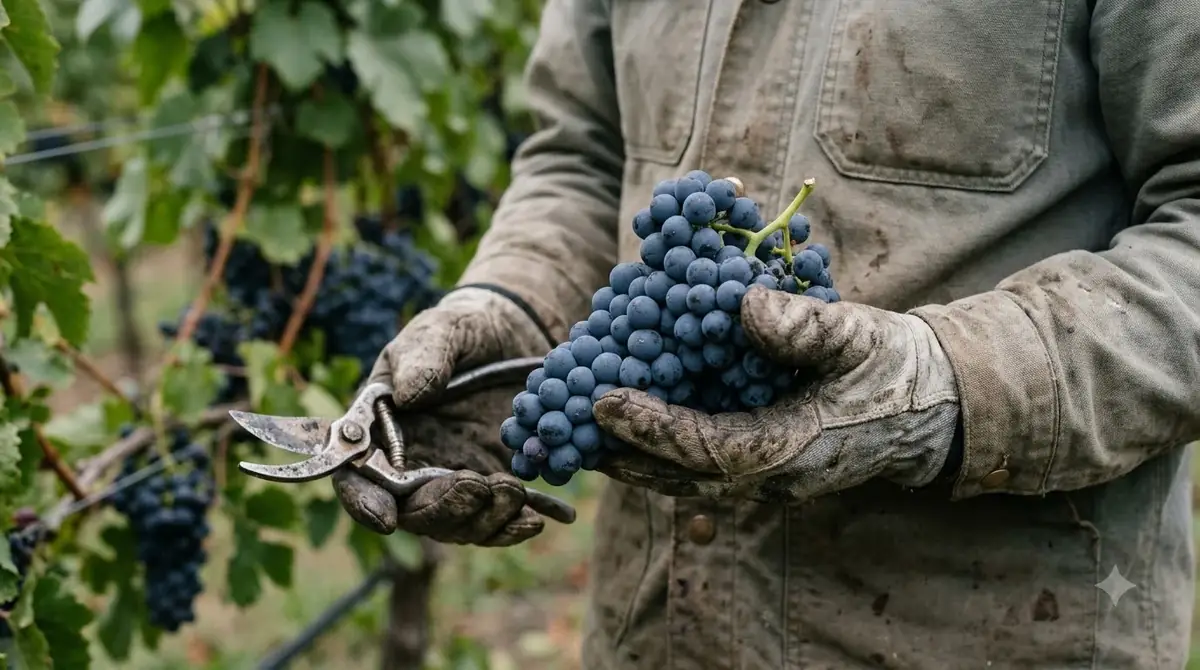
The wine is a good starting point for people who enjoy recognizable Chardonnay flavors rather than extremely lean, mineral-driven white wines. The producer’s descriptions highlight green apple, pear, citrus, vanilla, and baking spices. These characteristics create a familiar flavor profile that works across several food styles.
It is also worth considering for shoppers who prefer a middle ground between completely unoaked Chardonnay and heavily barrel-aged examples. According to the producer’s 2023 technical sheet, half of the wine is fermented in stainless steel and half in barrels. The resulting combination helps retain fruit expression while introducing richer flavors and texture.
However, Bogle Chardonnay may not suit everyone. Someone looking specifically for a crisp, completely unoaked wine may prefer a Chardonnay fermented entirely in stainless steel. Similarly, drinkers who want an exceptionally rich, full-bodied white wine with pronounced oak character may find this bottling more restrained than expected.
The bottle makes the most sense for buyers who want several useful qualities at once:
- An affordable California Chardonnay for regular drinking.
- Fresh apple, citrus, and pear flavors.
- Some creamy texture from malolactic fermentation and lees aging.
- Oak-related vanilla, clove, and toasted spice characteristics.
- A versatile white wine for chicken, seafood, salads, and mild cheeses.
It can also be a practical option when buying wine for guests because Chardonnay is a familiar grape variety with broad food-pairing possibilities. For shoppers comparing the wine with other bottles in the producer’s portfolio, the Wine Brands category offers a useful starting point for exploring different producers and styles.
Key Factors That Influence Bogle Chardonnay Price
The typical cost of Bogle Chardonnay is influenced by retailer pricing, bottle vintage, local alcohol distribution, and availability. A 750 ml bottle is the standard comparison size, but shoppers should also distinguish regular shelf pricing from temporary promotions.
Retail listings illustrate why checking more than one seller can be worthwhile. Total Wine lists a 750 ml bottle at $7.99 in its displayed regional listing, while Grocery Store Wine reports regular prices ranging from $9.99 to $15.49 across 11 store checks. The latter places the wine’s median-based shelf position in the $10 to $14.99 band. These figures are retailer-specific observations, not guaranteed national prices. Prices vary by state and retailer.
| Buying consideration | Typical information | Why it matters |
|---|---|---|
| Retail price range | About $8–$15 | Helps establish a practical shopping budget. |
| Standard bottle size | 750 ml | Provides approximately five standard 5 oz pours. |
| 2023 alcohol level | 13.5% ABV | Provides a reference for that specific release. |
| 2024 alcohol level | 14.5% ABV | Shows why vintage-specific information matters. |
| 2023 fermentation | 50% stainless steel, 50% barrel | Explains the combination of freshness and oak influence. |
| 2023 lees aging | 8 months | Contributes to texture and complexity. |
| 2023 acidity | 0.66 g/100 ml | Provides technical context for the wine’s freshness. |
Vintage is particularly important. The producer’s 2023 technical sheet lists 13.5% ABV, whereas Wine Enthusiast lists 14.5% ABV for its reviewed 2024 bottle. This is a useful reminder that technical specifications should not automatically be transferred from one vintage to another.
Retailers may also price the same bottle differently depending on regional distribution and store policies. A wine shop in one state may carry a different vintage or have a different regular shelf price from a large chain in another state. Comparing the full bottle price rather than relying on a single advertised listing provides a more realistic picture of value.
For a fair comparison, use the same bottle size and vintage wherever possible. A lower price for an older vintage is not necessarily equivalent to a better value if the wines being compared have different production specifications or availability conditions.
For more background on the standard bottling, the Bogle Chardonnay overview provides additional information about the wine itself. The producer also publishes its official Bogle Chardonnay description, which is useful for checking its production approach and general flavor profile.
Step-by-Step: How to Find a Reasonable Bogle Chardonnay Price
Finding a good retail price does not require complicated research. A few simple comparisons can help identify whether a bottle is priced competitively and whether the vintage matches the wine you intend to purchase.
-
Start with the standard bottle size.
Look for a 750 ml bottle when comparing retailers. This is the most useful reference size because it allows a straightforward comparison between listings without confusing smaller formats with standard bottles.
-
Establish a realistic budget.
Use approximately $8 to $15 as a general US retail reference for Bogle Chardonnay. This range reflects observed retailer listings and store checks rather than a fixed manufacturer price. Prices vary by state and retailer.
-
Compare at least two retailers.
Look at the displayed price from a large wine retailer and a local wine shop or grocery store. Total Wine and regional retailers can show meaningful differences because their inventory and local pricing are not identical.
-
Identify the vintage.
Determine whether the bottle is from the 2023, 2024, or another release. This matters because the published alcohol information and tasting descriptions can differ. Do not assume that every bottle has the same ABV or technical specifications.
-
Compare the wine’s style with your preferences.
Read the product description to see whether the bottle offers the combination of apple, citrus, vanilla, and oak you want. A low shelf price is less useful if the wine’s flavor profile does not suit your preferences.
-
Check the final checkout cost.
Retail listings may show a different pickup, delivery, or availability situation depending on location. Confirm the final price and whether the selected store actually has the correct bottle in stock.
-
Choose based on both price and occasion.
For casual dinners, an accessible bottle is often sufficient. For a formal wine-focused gathering, consider whether you would prefer a more distinctive Chardonnay with a different origin or winemaking approach.
Tip: Compare the vintage, bottle size, and regular shelf price before making a purchase. A $9.99 bottle from one retailer and a $12.99 bottle from another are not necessarily equivalent if they represent different vintages or inventory conditions.
This process is especially useful when buying several bottles for a gathering. Checking availability before visiting a store can prevent a wasted trip, while comparing standard bottle sizes keeps the budget calculation straightforward.
Bogle Chardonnay Styles and Winemaking Explained
Bogle Chardonnay combines stainless-steel fermentation with barrel fermentation to produce a style that balances fresh fruit and richer oak-influenced characteristics. Its approach helps explain why the wine can appeal to both drinkers who enjoy fresh white wines and those who prefer a creamy Chardonnay.
Stainless-steel fermentation
Stainless-steel fermentation is important because it helps preserve fresh fruit characteristics. In Bogle’s 2023 Chardonnay, 50% of the wine is fermented in stainless-steel tanks. This portion supports the brighter side of the wine’s profile, including citrus, apple, and other fresh fruit impressions.
Stainless steel does not contribute the vanilla or toasted flavors associated with oak barrels. Instead, it provides a relatively neutral fermentation environment that allows the characteristics of the grapes to remain prominent.
Barrel fermentation and oak influence
The other 50% of the 2023 Chardonnay is barrel fermented. The producer identifies oak-related influences in its Chardonnay descriptions, including vanilla, baking spices, and toast.
Barrel fermentation adds another dimension to the final blend. Rather than producing a wine dominated entirely by fresh fruit, this approach introduces additional aromatic and textural complexity. It is one reason Bogle Chardonnay can feel creamier than a straightforward stainless-steel white wine.
Malolactic fermentation
Malolactic fermentation is a secondary process in which sharper malic acid is converted into softer lactic acid. In Chardonnay production, it can contribute to a rounder mouthfeel and flavors often described as creamy or buttery.
The 2023 Bogle technical sheet identifies malolactic fermentation as part of its barrel-fermented portion. The resulting style combines the freshness of the stainless-steel component with a softer, richer dimension.
Lees aging and bâtonnage
Lees are the spent yeast cells remaining after fermentation. Aging wine on its lees can contribute additional texture and complexity, particularly when the winemaker periodically stirs them back into the wine.
Bogle’s 2023 Chardonnay is aged sur lie for eight months, with traditional bâtonnage included in the production process. These techniques help explain the wine’s creamy texture and layered character without requiring every part of the wine to be fermented or aged in oak.
The result is a recognizable California Chardonnay style rather than a completely unoaked or intensely barrel-driven expression. This distinction matters when deciding whether the bottle is worth its shelf price.
For a more detailed breakdown of the wine’s aromas and flavors, see the Bogle Chardonnay tasting notes. Wine Enthusiast also provides an independent assessment of a separate release in its 2024 Bogle Family Vineyards Chardonnay review.
Common Mistakes When Comparing Bogle Chardonnay Prices
Shoppers can misjudge the value of Bogle Chardonnay by comparing different vintages, assuming every retailer carries the same product, or treating the lowest displayed price as the only factor that matters. Understanding these differences makes it easier to evaluate the bottle fairly.
Assuming every vintage has identical specifications
One of the most common mistakes is assuming that the alcohol content and tasting profile remain exactly the same from year to year. The published 2023 specification lists 13.5% ABV, while Wine Enthusiast’s 2024 listing reports 14.5% ABV.
These figures demonstrate why vintage-specific information matters. Growing conditions, grape composition, and winemaking decisions can influence the finished wine. Buyers should avoid applying a technical sheet from one release to another without confirmation.
Confusing Bogle Chardonnay with other Bogle bottlings
Bogle produces multiple wine styles, and not every Chardonnay carrying the Bogle name represents the same bottling. Phantom Chardonnay, for example, is a separate wine in the producer’s portfolio.
Comparing standard Bogle Chardonnay with a different portfolio bottling solely by producer name can lead to misleading conclusions. Look at the complete wine name and product description before evaluating the price.
Ignoring the difference between oak and butter flavors
Some buyers use the words buttery and oaky interchangeably, but they describe different characteristics. Vanilla, clove, and toast are associated with oak influence, while buttery impressions are often linked to malolactic fermentation and the wine’s texture.
Bogle Chardonnay combines these characteristics, but the presence of oak does not automatically mean the wine will taste overwhelmingly buttery. Its stainless-steel component also contributes freshness and fruit expression.
Comparing temporary promotions with regular prices
A retailer’s temporary promotional listing may not reflect the usual shelf price. It is more useful to compare regular prices across several stores and distinguish a temporary advertised amount from a retailer’s normal pricing.
For example, a bottle listed at $7.99 and another listed at $12.99 may both be legitimate local listings. The difference does not necessarily indicate a change in quality or an unusual difference in the wine itself.
Expecting premium-wine complexity at an everyday price
Bogle Chardonnay is positioned as an accessible California wine. Its strengths include recognizable fruit flavors, a combination of fermentation methods, and versatile food compatibility.
It should not be judged as though it were a premium single-vineyard Chardonnay with a highly specific origin and extended cellar development. The better question is whether its style and consistency meet your expectations at the price you are paying.
Serving and Storage Tips for Better Value
Proper serving and storage help preserve the characteristics that make Bogle Chardonnay appealing. A suitable serving temperature, appropriate glassware, and careful refrigeration can make a noticeable difference when enjoying a bottle over several days.
Serve at the right temperature
Chardonnay is generally best served around 50–55°F when it has a fuller body and creamy, oak-influenced character. Serving the wine too cold can make its aromas and flavors less expressive, while allowing it to become too warm may make the alcohol feel more prominent.
If the bottle has been stored at room temperature, refrigerate it before serving. Once poured, the wine will gradually warm in the glass, allowing its fruit and oak characteristics to become more noticeable.
Use appropriate glassware
A standard white-wine glass is suitable for Bogle Chardonnay. A moderately sized bowl provides enough room for aromas to develop without requiring specialized glassware.
There is no need to purchase expensive glasses simply to enjoy an affordable bottle. Clean, clear wine glasses with a relatively narrow rim are perfectly practical for casual dinners and gatherings.
Store unopened bottles properly
For longer storage, keep unopened bottles in a cool, dark place with a relatively stable temperature near 55°F. Avoid direct sunlight, strong temperature fluctuations, and locations next to heat-producing appliances.
If the bottle has a traditional cork closure, storing it horizontally helps maintain contact between the wine and cork. A dedicated wine refrigerator can provide more consistent conditions than an ordinary kitchen cupboard.
Refrigerate opened wine
After opening Bogle Chardonnay, reseal the bottle and place it in the refrigerator. Most opened still wines retain their best characteristics for approximately three to five days when properly stored, although freshness depends on exposure to oxygen and the wine’s condition.
Use a suitable wine stopper to reduce unnecessary air exposure. If the wine develops unpleasant aromas, loses its fresh fruit character, or tastes noticeably flat, it may have passed its best drinking window.
Plan servings realistically
A standard 750 ml bottle provides approximately five 5 oz servings. This makes it relatively easy to estimate how many bottles are needed for a meal or gathering.
For a dinner with four adults who each want one glass, one bottle is generally sufficient. For a longer meal or multiple servings, having another bottle available is a practical approach.
These simple practices help preserve the wine’s fruit, acidity, and oak-related aromas. They also prevent an otherwise enjoyable affordable Chardonnay from losing quality because of poor handling.
Frequently Asked Questions
Is Bogle Chardonnay made from 100% Chardonnay grapes?
The producer identifies the wine as California Chardonnay, but the published 2023 technical sheet does not state an exact varietal percentage. It is therefore better not to assume a precise grape composition beyond the information the producer publishes for that release.
Does Bogle Chardonnay contain residual sugar?
The published 2023 technical sheet provides acidity and pH information but does not list a residual-sugar measurement. Its Chardonnay is presented as a fruit-forward California wine rather than a dessert-style white wine, but an exact residual-sugar figure should not be assumed without a release-specific specification.
Is Bogle Chardonnay suitable for vegetarian food?
Yes. Its fruit and creamy texture can work with vegetable dishes, including roasted squash, mushroom preparations, and salads with mild cheese. The producer specifically recommends its Chardonnay with fresh green salads and soft, mild cheeses.
Can Bogle Chardonnay be used for cooking?
It can be used in recipes that call for a dry white wine, particularly creamy chicken sauces, seafood preparations, and risotto. Because the wine has oak and baking-spice characteristics, those flavors may become more noticeable as a sauce reduces. Use a wine whose flavor you enjoy drinking rather than relying on cooking to disguise an unsuitable bottle.
Is Bogle Chardonnay available in half bottles?
The retailer listings reviewed for the standard bottling identify a 750 ml format. They do not establish consistent nationwide availability of a 375 ml half bottle. Shoppers looking for a smaller format should verify the actual product listing with their local retailer rather than assuming that every store carries one.
Bogle Chardonnay offers a practical combination of fresh California fruit, creamy texture, and moderate oak influence at an accessible retail price. For shoppers looking for an everyday white wine, a 750 ml bottle in the approximate $8 to $15 range is a reasonable purchasing reference, although local prices and vintages vary. Comparing the specific release, checking the retailer’s regular shelf price, and choosing a wine style that matches your preferences will help you get the most value from your purchase.
More in Wine Brands
 Louis Latour Wine Price: Compare Bottles by Style and TierUpdated Nov 20, 2026
 Yellow Tail Moscato Price: What to Expect Before You BuyUpdated Nov 20, 2026
 Sutter Home Sweet Red Review: Find the Right Food PairingsUpdated Nov 20, 2026
 Franzia Chillable Red Review: Find the Right Serving StyleUpdated Nov 20, 2026
 Veuve Clicquot Rose Review: Flavor, Food Pairings and Buying AdviceUpdated Nov 20, 2026
 Rombauer Wine Price: Compare Bottles Before You BuyUpdated Nov 20, 2026