

We may earn a commission when you buy through links on this page, at no extra cost to you. Learn more.
bogle chardonnay tasting notes point to green apple, juicy pear, warm baking spice, and a rounded Chardonnay texture shaped by both oak and stainless-steel fermentation. The winery’s 2023 profile adds bright citrus, white jasmine, vanilla, and clove, while an independent review describes brioche, yellow plum, baked pear, and a mineral finish. The result is a fruit-led California Chardonnay with a clear oak accent, not a starkly unoaked white or an aggressively buttery style.
Bogle Family Vineyards makes a California Chardonnay whose appeal comes from balancing ripe orchard fruit with barrel-derived detail. The notes below focus on the regular California bottling, especially the 2023 vintage, and distinguish the winery’s own description from differences that can show up in independent reviews and later vintages. That distinction matters because Chardonnay is strongly shaped by harvest conditions and cellar choices.
Bogle Chardonnay Tasting Notes at a Glance
The typical profile is dry-tasting, medium to full in body, and centered on apple and pear, with warm spice and a soft, rounded texture. In the winery’s 2023 description, green apple, juicy pear, and baking spices form the core; citrus, white jasmine, stone fruit, vanilla, and clove add detail.
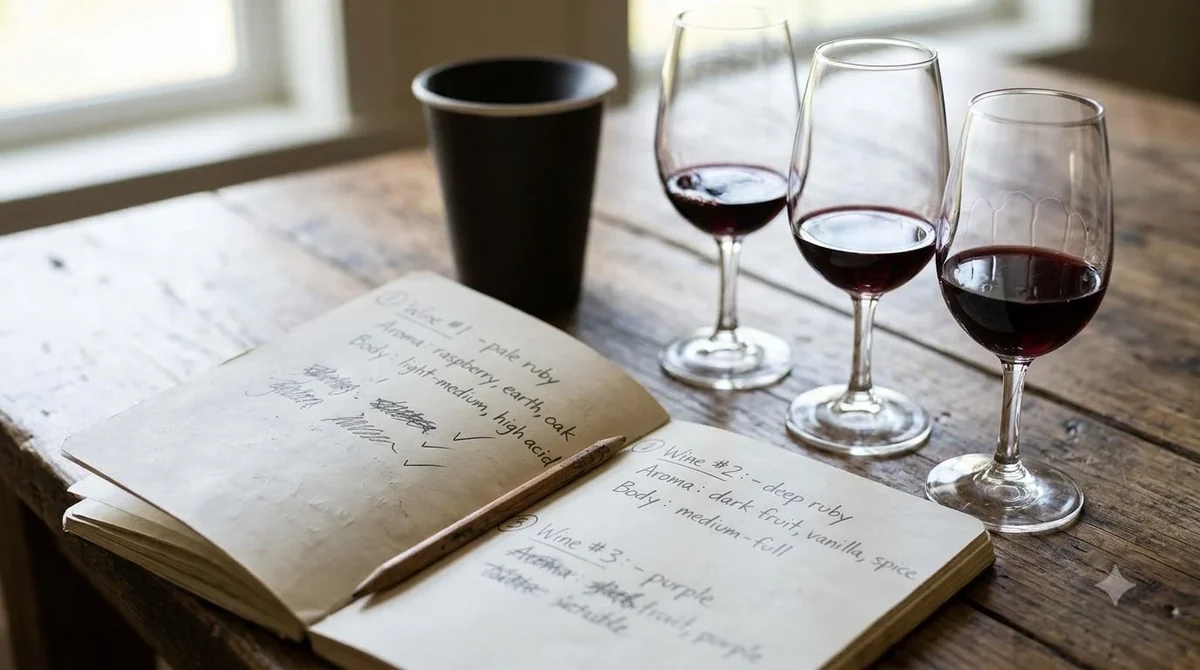
Think first of fresh orchard fruit rather than tropical fruit or a pronounced butter note. Green apple gives the wine a crisp edge, while pear broadens the middle of the palate and makes the fruit feel ripe. The baking-spice character sits behind those flavors. It can suggest cinnamon, clove, or nutmeg, but it should not be mistaken for sweetness: the fruit can smell generous while the finish remains dry.
Oak is present, but it is only one part of the profile. Bogle’s published Chardonnay profile describes a split between barrel and stainless-steel fermentation, with the wine then aged on its lees. That combination gives the wine a middle ground: more shape and warmth than a purely stainless-steel Chardonnay, with more freshness and fruit definition than a wine made entirely in new oak.
The following figures summarize the winery’s published 2023 technical details. They give a useful reference point for the style, but they are vintage-specific rather than a promise that every Bogle Chardonnay release will have identical numbers.
| 2023 detail | Published figure or method | What it suggests in the glass |
|---|---|---|
| Fermentation split | 50% barrel / 50% stainless steel | Oak texture balanced by fresh fruit character |
| Lees aging | 8 months | Added roundness and a fuller mid-palate |
| Lees stirring | Monthly bâtonnage | More contact with lees and integrated texture |
| Wine pH | 3.51 | A technical measure of acidity, not a flavor score |
| Acidity reading | 0.66 (unit not stated on sheet) | Supports freshness alongside the richer texture |
Aromas of Apple, Pear, Citrus, and Baking Spice
The nose opens in the orchard-fruit register, with green apple and pear leading the way. Citrus and delicate white-flower notes can make the aroma feel fresher, while vanilla, clove, and warm baking spice signal the influence of the barrel program.
Green apple is the most useful starting point when describing the aroma. It brings a clean, slightly tart impression, not the sharp acidity of a lemon-driven Sauvignon Blanc. Pear follows with a softer, rounder impression; depending on the vintage and serving temperature, it may seem like fresh Asian pear, ripe yellow pear, or baked pear. These descriptors are not separate ingredients. They are familiar reference points that help describe how the fruit registers in the glass.
The 2023 winery notes include bright citrus and white jasmine, with stone fruit, vanilla, and clove on the palate. Wine Enthusiast’s blind review of the same vintage found freshly baked brioche, yellow plum, brûléed orange, and elderflower honey on the nose, followed by sugared lemon rind, baked pear, and Pink Lady apple. That review adds a more layered, pastry-like dimension to the profile without replacing the central apple-and-pear character.
Give the wine a moment in the glass before deciding which aroma is strongest. A cooler first pour can make citrus and apple more apparent; as the wine warms slightly, pear, vanilla, and baking spice can become easier to pick out. A narrow tasting glass may concentrate the aromas, but a standard white-wine glass is entirely suitable. The most useful description is the one that reflects the wine in front of you, not a checklist of every possible descriptor.
Palate, Acidity, Body, and Finish
On the palate, Bogle Chardonnay combines ripe orchard fruit with a rounded, moderately rich texture and enough freshness to keep the finish from feeling heavy. Expect a broader middle than a very lean unoaked Chardonnay, followed by a finish where apple, citrus, spice, and oak notes can overlap.
The first impression is usually fruit, especially pear and apple. The middle of the sip is where the winemaking becomes more apparent: lees aging can make the wine feel smoother and more substantial, while barrel fermentation contributes width and a firmer frame. These are texture effects as much as flavor effects. You may notice a creamy or silky sensation without reading the wine as strongly buttery, particularly in a vintage whose fruit and acidity are prominent.
Acidity is important because it balances the ripe fruit and oak. The winery’s 2023 technical details list a pH of 3.51 and an acidity reading of 0.66 in the published figures. Those numbers are useful production data, but they do not translate directly into a simple “high” or “low” sensation on the tongue. In practical tasting terms, look for a wine that feels rounded at the center yet does not end flat or syrupy.
The finish may lean toward citrus peel, baked pear, vanilla, or baking spice, depending on the vintage and the temperature in the glass. Wine Enthusiast described the 2023 finish as mineral and dry, while the winery emphasizes a balanced finish with lingering toastiness. Those observations can coexist: a wine can have a dry finish and still leave a soft impression from oak and lees contact. Dryness describes the wine’s sugar impression, not whether the texture feels rich.
How Oak, Stainless Steel, and Lees Shape the Wine
Bogle’s split fermentation is central to understanding its style: half the 2023 Chardonnay was fermented in barrels and half in stainless steel, then the wine spent eight months aging on its lees with monthly stirring. Each step contributes something different, so the finished profile is not simply “oaky” or “unoaked.”
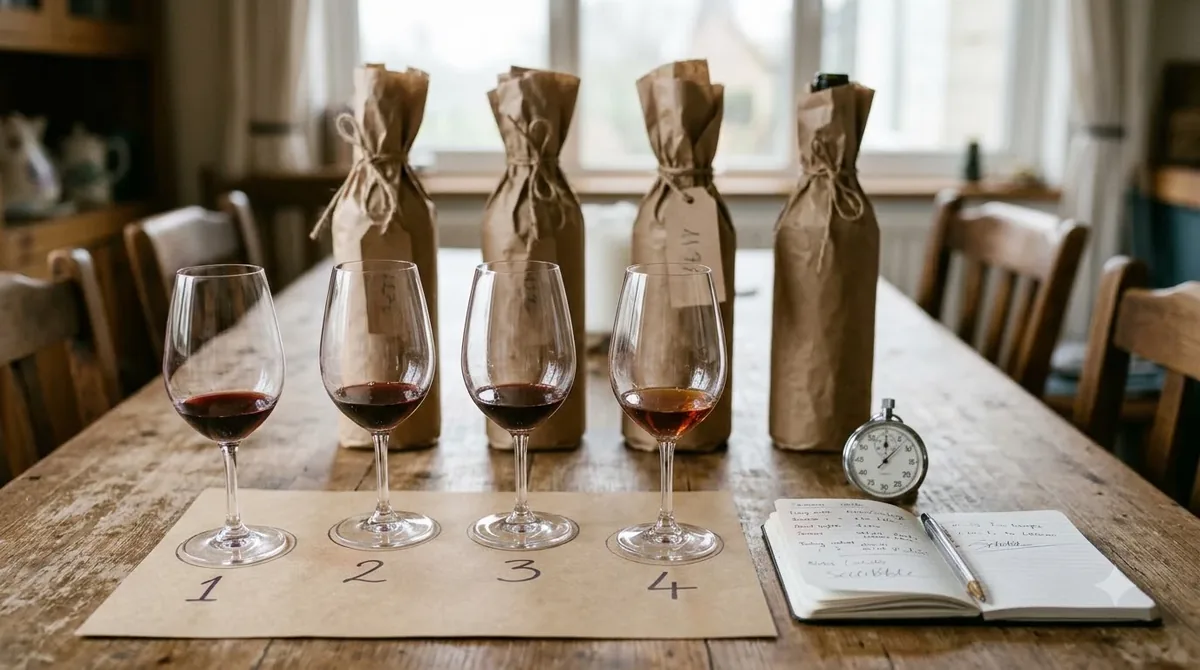
Stainless steel is a neutral vessel. It does not add vanilla or toast, so it helps retain the grape’s fresh fruit character and keeps the apple, pear, and citrus notes in focus. Barrel fermentation adds another layer, including broader mouthfeel and oak-related aromas. For Chardonnay, oak can suggest vanilla, toast, cinnamon, clove, or coconut, but the exact impression depends on the barrel’s origin, age, and toast level. The winery’s 50/50 approach allows both sets of features to appear in the same wine.
Lees are the spent yeast cells left after fermentation. Keeping wine in contact with them can make its texture fuller and rounder. Bâtonnage is the practice of stirring those lees so that more of the wine interacts with them; Bogle’s 2023 technical details specify monthly stirring. Lees contact can contribute a creamier impression and subtle bread or pastry notes, which helps explain why some tasters find brioche-like aromas alongside the orchard fruit. The process should be understood as a texture-building choice, not a flavor additive that automatically makes the wine taste sweet.
Malolactic fermentation is another part of the picture in the 2023 technical details. It converts sharper malic acid into softer lactic acid and can contribute a creamy or buttery character. That does not mean every sip must taste like butter. The finished impression depends on how much malolactic fermentation occurs, the acidity of the fruit, the barrel treatment, and how those elements are balanced. For a broader explanation of how oak and malolactic fermentation affect Chardonnay, Wine Enthusiast’s explanation of Chardonnay flavor and winemaking sets out the main distinctions.
Vintage Differences and What Reviewers Notice
Bogle Chardonnay should be read as a style with a recognizable core, not as a wine that tastes exactly the same every year. Green apple, pear, and oak-derived spice are recurring reference points, while ripeness, citrus character, pastry notes, and the weight of the finish can shift with the vintage and the final blend.
The winery describes its 2023 growing season as cooler, with slower ripening and nuanced flavors. Its notes emphasize bright citrus, fresh apple, white jasmine, stone fruit, vanilla, clove, and toast. Wine Enthusiast’s review of that 2023 bottling also found brioche, yellow plum, brûléed orange, elderflower honey, baked pear, and Pink Lady apple. The reviewer’s description is useful because it shows how a single vintage can be perceived through both fruit and savory, pastry-like details.
Older releases can show a riper, more assertive interpretation. Wine Enthusiast’s review of the 2021 California Chardonnay described very ripe fruit and prominent new-oak notes, including green apple, pear, yellow peach, banana, pineapple, cinnamon, nutmeg, and vanilla. The publication characterized that wine as full-bodied. That review should not be treated as a contradiction of the 2023 notes; it is a reminder that harvest conditions, blending, and cellar choices can move the wine’s balance from one release to another.
For shoppers comparing Bogle with other California bottlings, pay attention to the type of Chardonnay being described. A richer oak-led wine such as the profile covered in our Rombauer Chardonnay tasting notes may put more emphasis on creamy texture and ripe fruit. A more restrained expression such as the one discussed in our Cakebread Chardonnay tasting notes can provide a useful contrast in oak weight and fruit definition. The comparison is about style, not a claim that one producer makes a better wine.
Serving Temperature and Food Pairings
Serve Bogle Chardonnay cool but not ice-cold, around 50–55°F, so its apple, pear, citrus, and spice notes remain easy to identify. The wine’s rounded texture makes it especially useful with poultry, scallops, mild cheeses, and dishes with a little richness, while its acidity helps refresh the palate between bites.
If the bottle has been refrigerated for several hours, let it stand briefly before pouring rather than serving it straight from the coldest part of the refrigerator. Excessive chill can mute the aroma and make the texture seem firmer; a warmer glass can make oak and alcohol feel more prominent. Start with a small pour and allow a few minutes for the wine to open. A standard 5-ounce pour is a sensible serving, and a 750-milliliter bottle yields about five such glasses.
Pairings that suit the fruit and oak
Roasted chicken is a natural match because its savory flavor and tender texture work with the wine’s pear, vanilla, and rounded middle. Seared scallops are another good option: their gentle sweetness complements orchard fruit, while a light herb or citrus finish keeps the plate from becoming too rich. Grilled fish can work well too, especially when prepared with butter, herbs, or a mild cream sauce rather than a sharply acidic dressing. The winery also suggests butternut squash soup with Gorgonzola drizzle and scallops with chorizo pesto and tarragon basmati rice.
For vegetables, try roasted cauliflower or a green salad with a restrained vinaigrette. Soft, mild cheeses such as young Brie, Havarti, or Monterey Jack let the Chardonnay’s fruit remain noticeable. If a dish includes lemon, vinegar, or tomato, keep the acid moderate so the food does not make the wine seem dull. When comparing bottles, richer chicken with cream sauce can make the wine’s acidity feel more refreshing, while lean grilled fish may highlight fruit and oak. For broader producer context, browse the site’s Wine Brands coverage; the Far Niente Chardonnay tasting notes offer another oak-framed California comparison.
Tip: For a simple dinner pairing, serve Bogle Chardonnay at 50–55°F with roasted chicken, seared scallops, or a mild cheese plate. Keep chile heat modest: alcohol can make spicy heat feel stronger, and hot sauce may overwhelm the wine’s softer fruit and oak details.
Frequently Asked Questions
These practical details add context to the tasting profile, from Bogle’s Clarksburg beginnings in 1968 to the closure and dietary designations listed for the 2023 California bottling.
Where is Bogle Family Vineyards based?
Bogle’s roots are in Clarksburg, California, near the Sacramento River Delta. The importer profile says Warren and Chris Bogle planted the family’s first 20 acres of vines there in 1968, and that the winery began operating in its own right in 1979.
Is Bogle Chardonnay vegan friendly?
Bogle’s 2023 California Chardonnay technical sheet displays vegan-friendly and gluten-free designations. Those are producer-provided product details for that release; they should not automatically be applied to every wine in the Bogle portfolio.
Does Bogle Chardonnay use a cork or a screw cap?
The importer’s product profile for Bogle California Chardonnay identifies a natural cork closure. Closure details can differ among bottlings and markets, so the importer’s listing is specific to the wine profile it documents.
Is Bogle Chardonnay made from a single vineyard?
The importer describes Bogle as farming estate vineyards mainly around Clarksburg and Lodi while also bringing in fruit from growers across California. That description points to a broader California-sourced wine rather than a single-vineyard bottling.
Does Bogle Chardonnay contain sulfites?
The importer’s technical profile states that the wine contains sulfites. Sulfites are commonly present in wine as a natural result of fermentation, and winemakers may also use them during production and bottling.
Bogle Chardonnay is a practical choice for drinkers who enjoy apple-and-pear fruit with baking spice, a soft texture, and a measured oak presence. The 2023 release provides a useful picture of the house style, while older reviews show why vintage and serving conditions matter. Chill it to 50–55°F, pair it with simply prepared seafood or poultry, and focus on the balance between fruit, freshness, and oak.
More in Wine Brands
 Louis Latour Wine Price: Compare Bottles by Style and TierUpdated Nov 20, 2026
 Yellow Tail Moscato Price: What to Expect Before You BuyUpdated Nov 20, 2026
 Sutter Home Sweet Red Review: Find the Right Food PairingsUpdated Nov 20, 2026
 Franzia Chillable Red Review: Find the Right Serving StyleUpdated Nov 20, 2026
 Veuve Clicquot Rose Review: Flavor, Food Pairings and Buying AdviceUpdated Nov 20, 2026
 Rombauer Wine Price: Compare Bottles Before You BuyUpdated Nov 20, 2026