

We may earn a commission when you buy through links on this page, at no extra cost to you. Learn more.
Biltmore wine is made by the Biltmore Estate Wine Company at the winery on the Biltmore Estate in Asheville, North Carolina, and it is best known for red wines built on Cabernet Sauvignon and Merlot. The winery began in the early 1970s, opened to visitors in 1985, and now produces about 150,000 cases a year, according to the estate’s own timeline. Its wines are sold at the estate, online, and in shops across a growing number of states, and the estate has long been one of the most visited wineries in the country.
If you have seen Biltmore on a shelf or on a restaurant list and wondered whether it is worth buying, this guide covers the basics: where the wine comes from, what the lineup looks like, how the wines tend to taste, and how to serve and pair them. The goal is to help you decide whether a Biltmore bottle fits the occasion, rather than to rank it against every other label.
Who Makes Biltmore Wine and How It Started
The winery traces its roots to the Biltmore House, the Vanderbilt family estate in Asheville. Wine has been part of the estate for more than a century, but the modern winery began in the early 1970s, when William Cecil, a grandson of George Vanderbilt, planted French-American hybrid vines below the house. The first vintage was bottled in the estate’s Conservatory basement.
The project grew quickly. Vineyards were moved to the west side of the estate and planted with vinifera grapes in the late 1970s, and Philippe Jourdain became the first winemaster. The Biltmore Estate Wine Company was incorporated in 1983, and the original dairy was converted into the winery. The first bottling in 1984 included the 1983 vintages of Château Biltmore Merlot and Château Biltmore Cabernet Sauvignon. The winery opened to the public in 1985.
Leadership has changed over the years. Bernard Delille became winemaker in 1995, and Sharon Fenchak, who joined in 1999 and was promoted in 2003, became winemaker in 2018 when Delille retired. The official Biltmore winery timeline lists these milestones in detail.
The Vineyards and Grapes Behind the Wine
The estate says four varieties have proven well suited to its Blue Ridge Mountain terroir: Cabernet Franc, Cabernet Sauvignon, Chardonnay and Merlot. These grapes shape most of the core wines in the lineup. The winery also tests additional varieties in a separate test vineyard, though it does not name them on its vineyards page.

The vineyards sit on the west side of the estate, with a special test vineyard near the winery. Biltmore also works with select partner growers in North Carolina, California and Washington, which means not every bottle is made from fruit grown on the estate. The official vineyards page is the best source for the latest planting information.
Biltmore’s Wine Lineup
Biltmore’s lineup is broad, with estate-grown varietals, blends and special releases. The table below covers the named wines that appear in the estate’s own history, which is a useful starting point for anyone trying to place a bottle they have seen on a shelf. Check the estate’s current product pages for the full list, since releases change from year to year.
| Wine | What it is | Why it matters |
|---|---|---|
| Château Biltmore Merlot | Merlot from the estate’s early bottlings | Part of the first official release in 1984 |
| Château Biltmore Cabernet Sauvignon | Cabernet Sauvignon from the estate | Also part of the first official release in 1984 |
| 30th Anniversary Red Wine | A special red release | Marked the winery’s 30th anniversary in 2015 |
| 40th Anniversary Release Sonoma County Red Blend | A red blend sourced from Sonoma County, California | Marked the winery’s 40th anniversary in 2025 |
Tip: Anniversary releases are often limited, so check the label for vintage and region before you buy one as a gift.
What Biltmore Wine Tends to Taste Like
Biltmore’s reds are built on Bordeaux-style varieties, especially Cabernet Sauvignon and Merlot. Wines made from these grapes usually show dark fruit such as black cherry and plum, with structure from tannins and, in many cases, some oak aging. The Blue Ridge setting gives the grapes a cool growing climate compared with much of California, which can help the wines keep some acidity and freshness.
The estate’s white wines follow a similar logic. Chardonnay usually brings citrus and apple notes, with a softer texture when it is oaked. These are general patterns for the grapes, so the label and the producer’s tasting notes are the best guides to a specific bottle.
Because the lineup includes both easy-drinking everyday wines and more structured reds, Biltmore can work for a casual dinner or a special occasion. Pick a wine based on the style you want rather than the label alone.
How to Serve and Pair Biltmore Wine
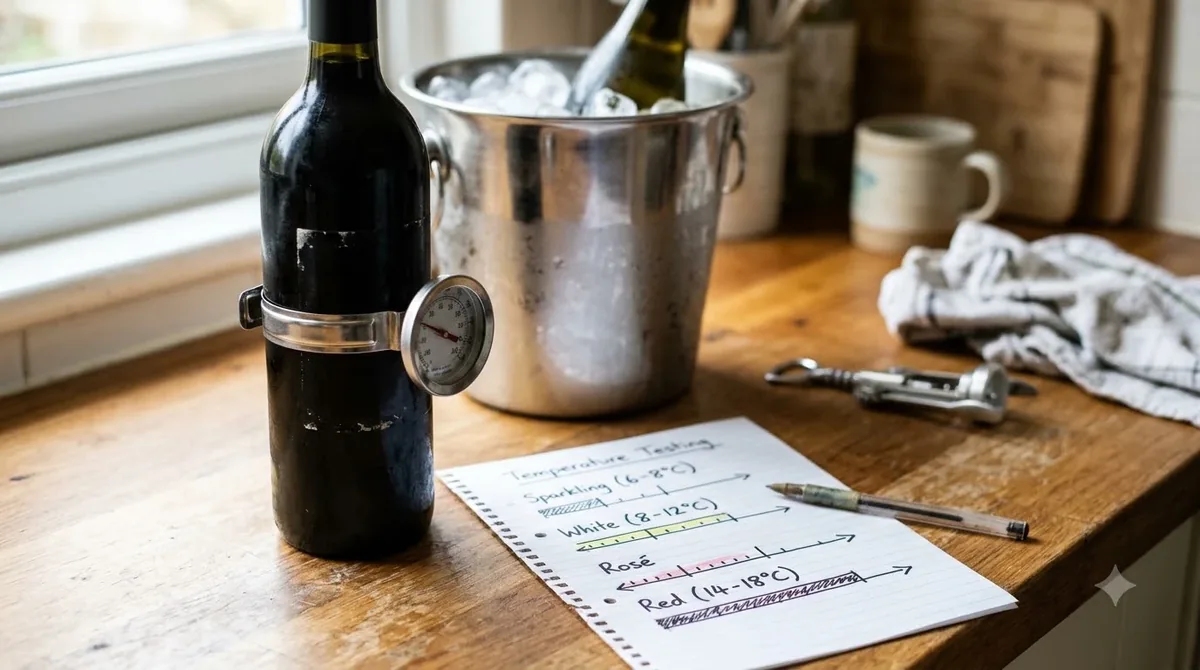
Serving temperature depends on the style. Red wines from Cabernet Sauvignon and Merlot are usually best slightly below room temperature, while Chardonnay and sparkling wine are better cold but not icy. Open reds about thirty minutes before serving if they seem tight, and decant bigger reds if they have a lot of structure.
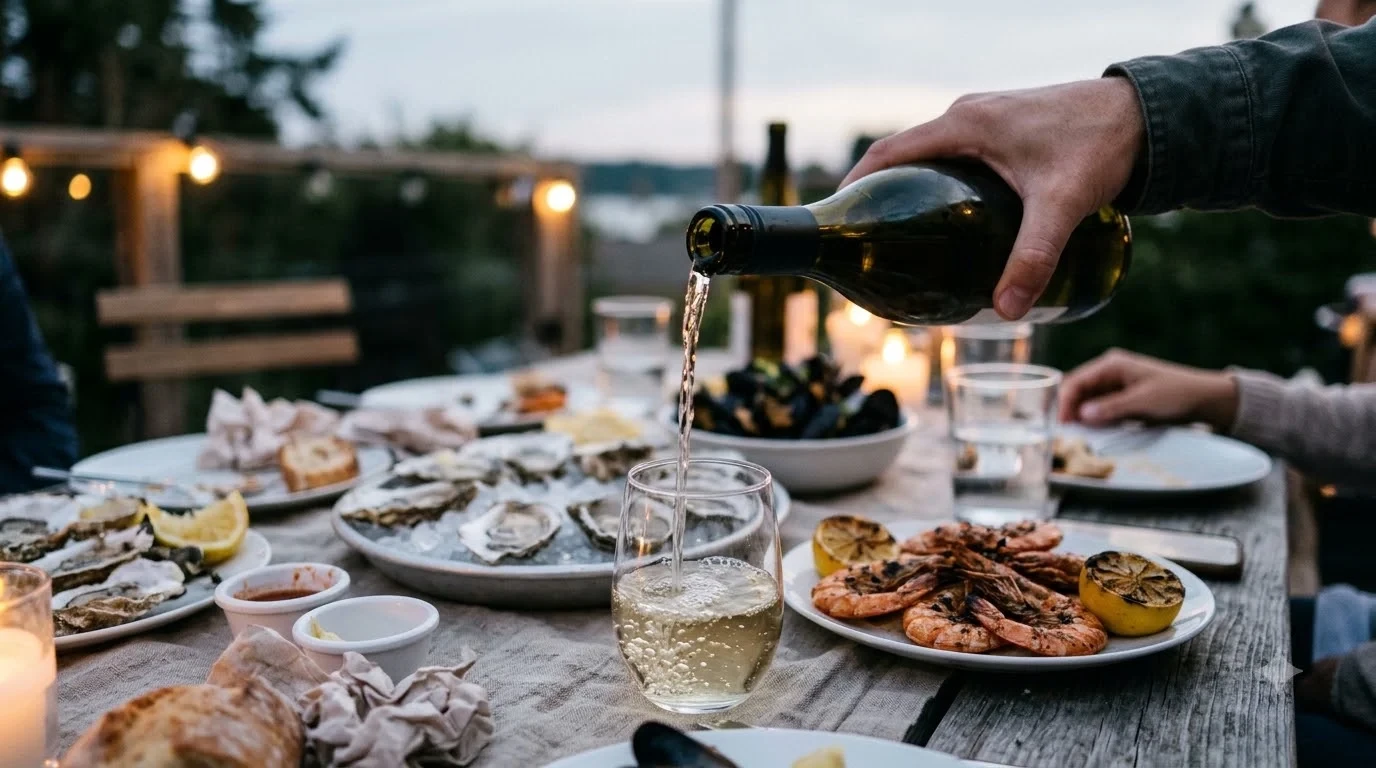
Cabernet Sauvignon pairs well with grilled steak, roast lamb and aged cheeses, while Merlot is a friendlier match for roast chicken, pork and tomato-based pasta. A Chardonnay fits seafood, creamy sauces and roast poultry. For a broader sense of how red and white styles match food, the guide to cabernet sauvignon vs pinot noir covers how structure changes the way a wine pairs with a meal.
If you are hosting, a Biltmore red makes a steady choice for a mixed group because it is familiar and widely available. Start the evening with a glass of sparkling wine if you have one, and keep a white on hand for guests who prefer something lighter.
Who Biltmore Wine Suits and Who Might Skip It
Biltmore wines suit drinkers who want a regional American wine with a clear story and a recognizable name. The estate draws many visitors, and its wines are easy to find for people who enjoy visiting a winery and bringing a bottle home. They also suit gift buyers who want a wine tied to a famous place.
Drinkers who prefer very light, crisp whites or who look for a specific European appellation may find other producers a better match. Anyone looking for a deliberately low-alcohol or low-intervention wine should read the label and check the producer’s own information, since styles vary across the range. The wine brands guide covers how to compare labels across producers, which is useful when you are choosing between several options.
Frequently Asked Questions
Who owns Biltmore wine?
Biltmore wine is produced by the Biltmore Estate Wine Company, which operates the winery on the Biltmore Estate in Asheville, North Carolina. The company was formally incorporated in 1983 and has been part of the estate’s history since the early 1970s.
Is Biltmore wine made from grapes grown in North Carolina?
Some of the grapes come from the estate’s own vineyards, and the winery also works with partner growers in North Carolina, California and Washington. Check the label or the producer’s product page to confirm where a particular wine was grown.
What are the most common Biltmore wines?
The estate is known for Cabernet Sauvignon and Merlot, including the Château Biltmore labels that were part of its first official release in 1984. Its lineup also includes blends and anniversary releases, and the current range changes over time, so check the estate’s website for the latest offerings.
Is it worth visiting the Biltmore winery?
Many people visit the winery as part of a trip to the estate, which the winery describes as one of the most visited in the country. Tasting the wines in person is a good way to find a style you like before buying a case, and it is also the easiest way to see the estate.
Biltmore wine is a good choice for drinkers who want an American estate wine with history behind it. Start with a red from the Cabernet Sauvignon or Merlot family, check the vintage and region on the label, and decide from there whether you want to explore the rest of the lineup.
More in Wine Brands
 Underwood Wine Price: Compare Bottles, Cans, and Pack SizesUpdated Nov 21, 2026
 Zenato Wine Price: Compare Styles and Choose the Right BottleUpdated Nov 21, 2026
 Zuccardi Wine Price: Compare Bottles and Find the Right RangeUpdated Nov 21, 2026
 Yellow Tail Moscato Review: Taste, Sweetness and Serving TipsUpdated Nov 21, 2026
 Wolf Blass Yellow Label Review: Choose Your Best StyleUpdated Nov 21, 2026
 Wolffer Estate Rose Review: Choose the Right Bottle for Your TableUpdated Nov 21, 2026