

We may earn a commission when you buy through links on this page, at no extra cost to you. Learn more.
Billecart-Salmon wine is Champagne from a family-owned house founded in 1818 in Mareuil-sur-Aÿ, known for its elegant Brut Réserve and a long-aged prestige cuvée. The house is one of the few major Champagne names that remains in family hands, and its wines are built around fine bubbles, precision and aging. Most bottles suit celebrations, aperitifs and a wide range of food, from shellfish to lighter main courses.
This guide explains where Billecart-Salmon comes from, what its main styles are, how to serve them, and which dishes match them. Whether you are buying a bottle for a special occasion or simply want to know what sets this house apart, the sections below cover the key points.
Where Billecart-Salmon comes from
The house was founded in 1818 through the marriage of Nicolas François Billecart and Elisabeth Salmon, and the name reflects that union. It is based in Mareuil-sur-Aÿ, a village in the Marne department of France that sits within the Champagne appellation. The house has stayed in the family for generations, which is a large part of its identity.
Since 2019, Mathieu Roland-Billecart has led the company as president. He belongs to the seventh generation of the family, a detail that tells you how long the house has been shaped by one line of owners. Continuity of this kind usually shows up in a consistent house style across vintages.
Why the Champagne appellation matters
Champagne is a protected sparkling wine that can only come from the Champagne region of France. The official Champagne site stresses that Champagne only comes from Champagne, and that is the reason the name carries a specific meaning on the label. Wines from this area are made with a second fermentation in the bottle, which gives them the fine, persistent bubbles that define the style.
For a Billecart-Salmon bottle, that origin means the wine reflects its specific village and the family’s approach to blending. The house’s vineyards and blending decisions shape the final character, so the label is worth reading carefully when you compare bottles from different producers.
The main Billecart-Salmon styles
The range is easiest to understand as a few clear families. The Brut Réserve is the core of the lineup, and it is the bottle most people will see first. It is dry and balanced, with the aging that the house is known for.
The Brut Réserve is aged in the cellars for 36 months before release, a period that adds depth and a fine, creamy texture to the wine. Longer aging tends to give Champagne more complexity, with bready and toasty notes, while keeping a clean finish. That is why the Brut Réserve often feels richer than its dry profile suggests.
When you compare the Brut Réserve with the prestige cuvée, you are looking at two ends of the same house style. The Brut Réserve shows how the house handles everyday structure and freshness, while the prestige bottle shows how far that same approach can be taken with more time in the cellar. The prestige cuvée Nicolas-François Billecart 1959 is the house’s most celebrated wine. It placed first at the 1999 “Champagne of the Millennium” competition, which drew attention to the house’s long-aged wines. Prestige cuvées like this are usually chosen for milestone dinners, gifts and collectors, and they reward careful serving.

| Style | What to expect | Best suited for |
|---|---|---|
| Brut Réserve | Dry, balanced, aged 36 months in the cellars | Aperitifs and everyday celebrations |
| Prestige cuvée (1959) | Long-aged, complex, collectible | Milestone dinners and gifts |
How the house is viewed by critics
Billecart-Salmon is often placed among the respected family houses of Champagne. La Revue du vin de France ranked the house tenth among major houses and gives it two of three stars in its Guide Vert, a rating that reflects its consistency. Rankings like these are useful context, though the best guide is still your own taste.
The house’s reputation rests on careful blending and long aging rather than on a single headline bottle. That approach appeals to drinkers who want a Champagne with precision and a clean, elegant finish, and it makes the house a useful reference point for both everyday and special bottles.
How to serve Billecart-Salmon Champagne
Serve Champagne cold but not icy. A temperature of about 6 to 8 degrees Celsius keeps the bubbles lively and lets the fruit and acidity come through. A few hours in the fridge is the simplest method, and a bucket of ice and water for about 20 minutes works well when time is short.
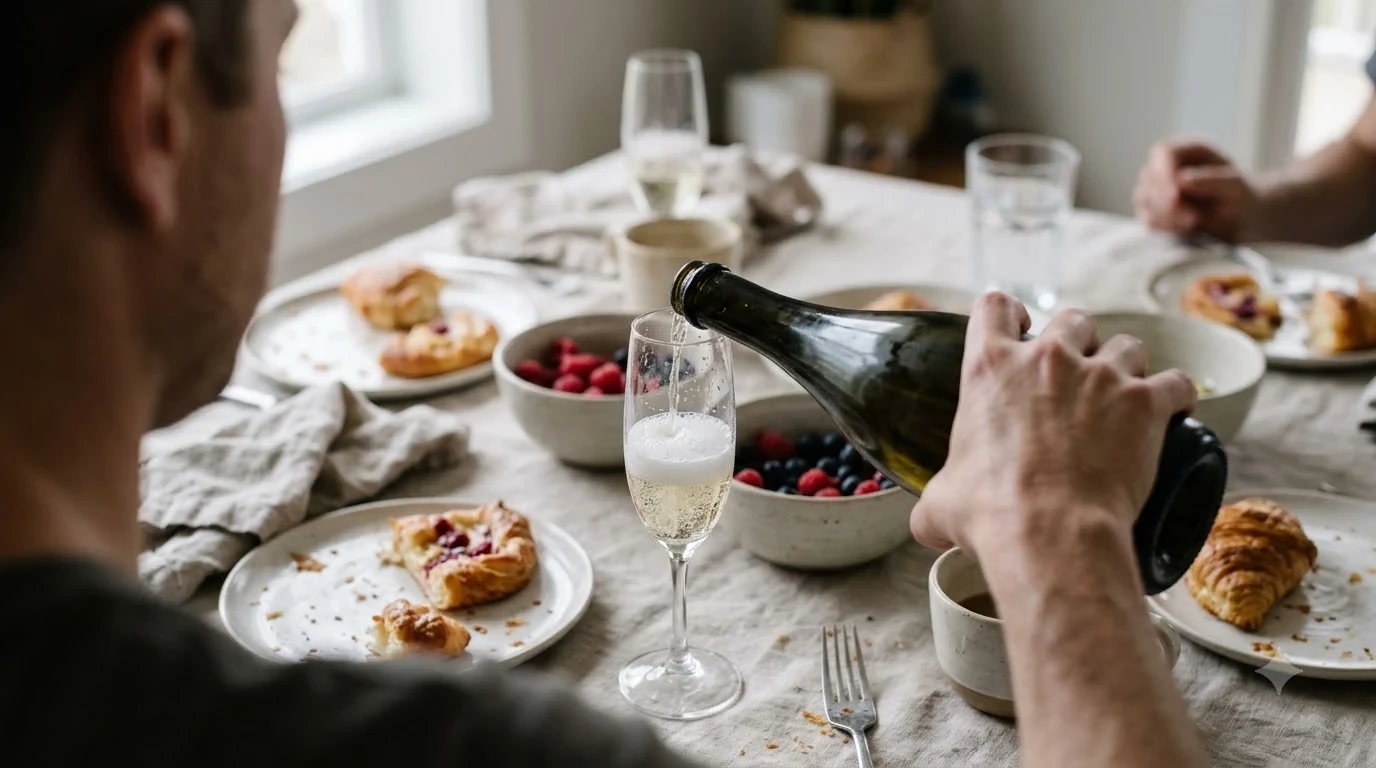
Open the bottle gently by holding the cork firmly, turning the bottle rather than the cork, and easing the pressure out slowly. Pour into a tulip glass or a white wine glass, which keeps the aromas together. Prestige bottles, in particular, benefit from a slightly larger glass, which gives the wine room to open as it warms.
Tip: For an older prestige bottle, pour a small amount first and let it sit for a minute before filling the glass. Aged Champagne often shows more character after a short rest.
Food pairing for Billecart-Salmon
The Brut Réserve is a versatile partner at the table. Its acidity cleans the palate between bites, and its bready notes complement fried snacks, soft cheeses and grilled fish. Oysters and other shellfish are a classic match for dry Champagne, and the Brut Réserve brings out the freshness of both.
Prestige styles suit richer dishes, such as roast chicken, creamy sauces or aged hard cheese. Their complexity can stand up to savory food, but they are best kept simple so the wine’s detail is not lost. For dessert, dry Champagne works best with lighter sweets, since a sweeter dish can make the wine taste thinner.
How to choose a Billecart-Salmon bottle
For an aperitif or a party, the Brut Réserve is the most practical choice because it suits most guests and most snacks. If you are buying a gift or planning a milestone dinner, a prestige bottle shows the house at its most ambitious and makes a stronger impression.
Read the label for the style and the vintage rather than focusing only on the name. Non-vintage wines show the house style across several harvests, while vintage bottles reflect the character of one year. Our wine brands guide explains how other producers present their ranges in a similar way.
Frequently Asked Questions
Is Billecart-Salmon still family owned?
Yes. The house was founded in 1818 and remains one of the few major Champagne names that is still family owned. Mathieu Roland-Billecart, of the seventh generation, has been president since 2019.
Where is Billecart-Salmon made?
The house is based in Mareuil-sur-Aÿ in the Marne department of France, within the Champagne appellation.
How long is the Brut Réserve aged?
The Brut Réserve is aged in the cellars for 36 months before release, which gives it depth and a fine, creamy texture.
Is Billecart-Salmon a good choice for a gift?
Yes. A prestige bottle from the house suits milestone celebrations and gifts, while the Brut Réserve is a practical choice for a more general occasion.
Billecart-Salmon offers a clear path from a dry, balanced Brut Réserve to prestige bottles built for long aging. Start with the style that matches your food and your guests, then explore the vintage or prestige bottles for special dinners. The house’s family history and its aging practice add useful context when you choose a bottle. For a comparison with another producer that presents its wines in a similar way, see our Antinori red wine guide.
More in Wine Brands
 Underwood Wine Price: Compare Bottles, Cans, and Pack SizesUpdated Nov 21, 2026
 Zenato Wine Price: Compare Styles and Choose the Right BottleUpdated Nov 21, 2026
 Zuccardi Wine Price: Compare Bottles and Find the Right RangeUpdated Nov 21, 2026
 Yellow Tail Moscato Review: Taste, Sweetness and Serving TipsUpdated Nov 21, 2026
 Wolf Blass Yellow Label Review: Choose Your Best StyleUpdated Nov 21, 2026
 Wolffer Estate Rose Review: Choose the Right Bottle for Your TableUpdated Nov 21, 2026