

We may earn a commission when you buy through links on this page, at no extra cost to you. Learn more.
The best wine and beer fridge is a dual-zone unit, because wine and beer are served at different temperatures and a single cold zone rarely suits both. Beer is usually served colder, while most wines sit closer to cellar temperature. A fridge with two zones lets each drink stay in its own range, and the right size and placement matter just as much as the zone setup.
Many people buy a wine and beer fridge hoping one cabinet can do everything, then find that the beer is too cold for red wine or the white wine is too warm for a crisp lager. This guide focuses on the temperature question first, since it decides whether a unit is worth buying at all. After that, it walks through five common setups so you can match a fridge to your kitchen, garage, patio, or apartment.
Quick Comparison of Wine and Beer Fridge Setups
Not every combined fridge handles both drinks equally well. The main differences are the number of temperature zones, how the cabinet is sized, and whether it is built for indoor or outdoor use. The table lays out the common setups so you can see the trade-offs before comparing individual models.
| Setup | Temperature control | Best for | Watch out for |
|---|---|---|---|
| Dual-zone wine and beer unit | Two separate zones | Mixed drinkers | Costs more than a single zone |
| Single-zone beer fridge | One cold zone | Beer and soda | Too cold for most wines |
| Single-zone wine cabinet | One steady zone | Wine-only collections | Beer must be chilled separately |
| Outdoor-rated cabinet | Varies | Patio or garage | Ambient heat affects performance |
Tip: Set the colder zone for beer and whites and the warmer zone for reds. Beer that is too cold loses flavor, so avoid setting the cold zone far below what the beer needs.
Best for a Kitchen Dual-Zone Setup
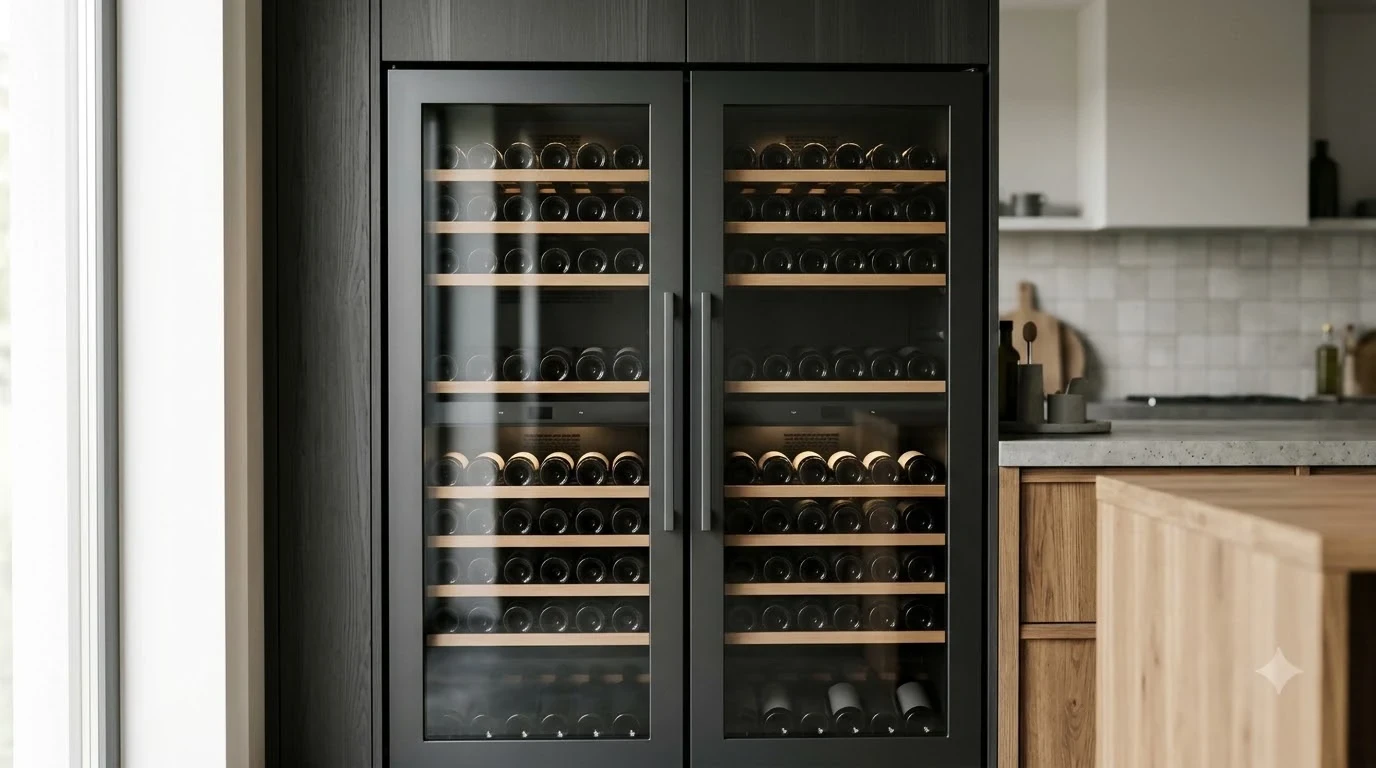
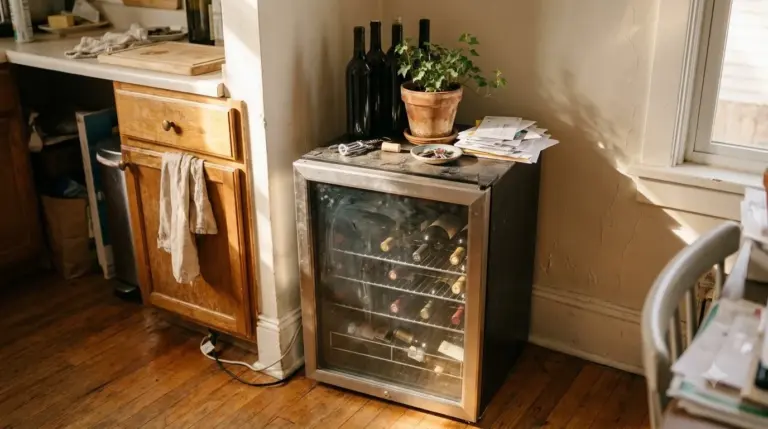
A dual-zone unit in the kitchen is the most practical setup for a household that drinks both wine and beer. It keeps the drinks close to the kitchen and lets you pull the right bottle without switching cabinets.
Serving temperatures explain why two zones help. Wikipedia’s article on beer lists a well-chilled temperature of 7 °C (45 °F) for light beers such as pale lagers, while dark lagers are served a little warmer at 9 °C (48 °F). Regular British ales, stouts, and most Belgian specialties are served at a cellar temperature of 13 °C (55 °F). For wine, the Wikipedia article on wine cellars gives 10 to 14 °C (50 to 57 °F) as the range where wines age normally. A dual-zone fridge can cover the light beers and whites in the colder zone and hold reds or heavier ales in the warmer one.
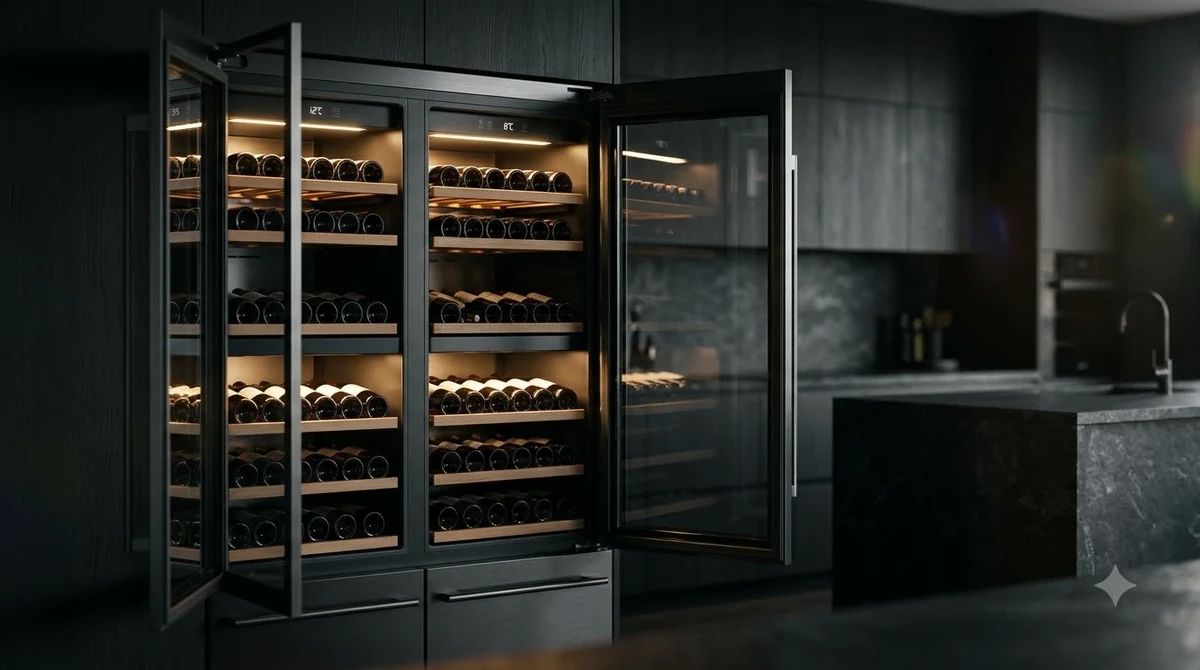
Keep the unit away from the oven and dishwasher. A cabinet that sits next to heat has to work harder, and the zone you set for beer may drift warmer than intended.
Best for a Garage or Game Room
A combined fridge in a garage or game room works for weekend gatherings, where beer is the main drink and wine appears for guests. These spaces often have more room for a larger cabinet, but the temperature can change a lot from season to season.
Garages get cold in winter and hot in summer, which can push a fridge outside its comfortable range. Look for a unit that states its ambient operating range, and avoid placing it where it will be exposed to a wall that heats up in the afternoon. Wikipedia notes that large temperature swings can make wine breathe through the cork and speed aging, so a steady cooling system matters more here than the size of the cabinet.
Best for a Patio or Outdoor Kitchen
An outdoor combined fridge is a convenient choice for a patio or outdoor kitchen, but it needs to be rated for the conditions it will face. Direct sun and outdoor heat are harder on a cabinet than indoor use.
Outdoor units should be shaded and kept off any surface that holds heat. Because beer is the more common outdoor drink, the colder zone is the one that matters most in the heat. Check whether the unit can hold its setting when the air around it is warm, and keep the door closed as much as possible during a long afternoon. Wine is more sensitive to heat than beer, so if you plan to store wine outside, place the warmer zone in the shade and keep it out of direct sun.
Best for a Small Apartment or Dorm Room
A compact unit suits a small apartment, a studio, or a dorm room where the fridge has to fit into a tight corner. These units usually hold fewer bottles and cans, so the zone setup needs to match the actual habits of the person using it.
Small units are limited in capacity, so decide which drink gets the most space. If beer is the everyday drink, set the cold zone for it and use the warmer zone for a few wines. If the unit has only one zone, choose a setting that suits the drink you open most often, and keep the other one in a cooler part of the room. Placement matters more in a small space, since the heat from a nearby heater or radiator can push the cabinet warmer than the setting shows.
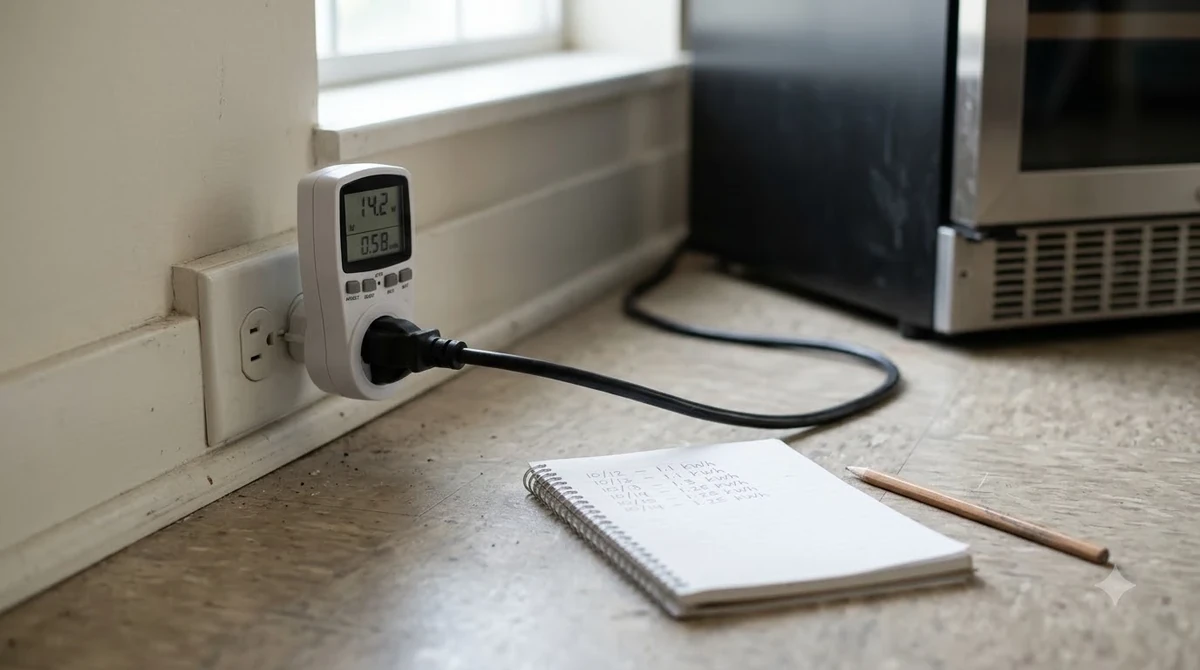
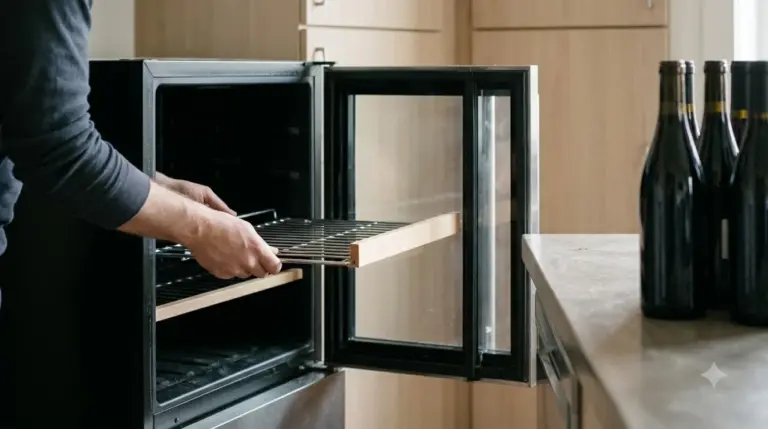
Check the door seal and the shelf layout before you buy. A tight seal keeps the cold air inside, and adjustable shelves help fit cans and tall bottles in the same cabinet.
Best for Craft Beer and Ale Collectors
A fridge built for a craft beer collection needs to handle bottles of different sizes and styles. Ales, stouts, and strong beers do not all want the same temperature, so a dual-zone unit gives more control.
Wikipedia’s beer article notes that strong dark ales and barley wine are served at room temperature of about 15.5 °C (60 °F), while British ales and stouts sit at cellar temperature around 13 °C (55 °F). Light beers and pale lagers are served colder, at about 7 °C (45 °F). It also says chilling below 15.5 °C (60 °F) starts to reduce taste awareness, and reduces it significantly below 10 °C (50 °F). For a collector, that means the colder zone should be used for light lagers, while the warmer zone holds the stouts and ales. Avoid putting a heavy stout into the coldest setting, because the cold can mute the malt and roast flavors that make it worth drinking.
Best for a Wine Collection with Some Beer
When wine is the main focus and beer is an occasional extra, a fridge with a steady wine zone and a cooler section for beer can make sense. The priority is protecting the wine, and the beer section should be treated as a bonus.
For a wine-first collection, the 13 °C (55 °F) figure in Wikipedia’s wine cellar article is a useful target for storage. It is described as ideal for short-term storage and long-term aging, which makes it a good middle setting. Keep the wine zone steady by limiting door openings and avoiding placement near heat. The beer section can run colder, but make sure the wine zone stays where it is set, since a fridge that is opened often will drift.
How to Choose the Right Wine and Beer Fridge
Start with the drinks you serve most, then decide how many zones you need and where the unit will sit. Those three decisions cover most of the choice.
| Factor | What to check | Why it matters |
|---|---|---|
| Temperature zones | One zone or two | Beer and wine are served at different temperatures |
| Capacity | Bottles and cans, not just a total number | Mixed drinks need different shelf space |
| Location | Indoor, garage, or patio | Ambient temperature changes performance |
| Door | Seal and door swing | A loose seal lets cold air escape |
| Shelves | Adjustable or fixed | Tall bottles and cans need different heights |
If you are still deciding between a combined fridge and two separate units, consider how often you open the cabinet. A single fridge with two zones saves space, but two separate units can give each drink its own space and temperature when the cabinet is opened often.
Frequently Asked Questions
Can one fridge really hold both wine and beer well?
Yes, if it has two temperature zones. Beer is usually served colder than wine, and a dual-zone unit lets each drink sit in its own range. A single-zone unit is a compromise that suits one drink better than the other.
What temperature should beer be stored at?
Wikipedia’s beer article gives serving temperatures rather than a single storage figure. Light beers are well chilled at about 7 °C (45 °F), and ales and stouts are often served at cellar temperature near 13 °C (55 °F). Home storage for bottled or canned beer is not covered by a single standard, so set the cold zone for the beer you drink most.
What temperature is best for wine in a combined fridge?
Wikipedia’s wine cellar article gives 10 to 14 °C (50 to 57 °F) as the range where wines age normally, and 13 °C (55 °F) as ideal for short-term storage and long-term aging. Keep the wine zone in that range and avoid frequent door openings.
Is an outdoor wine and beer fridge a good idea?
It can be, but only if the unit is rated for outdoor use and kept in the shade. Heat hurts wine more than beer, so put the wine in the cooler zone and keep the cabinet out of direct sun.
Once you know which drinks you serve and where the fridge will sit, compare the options in the wine fridge features section. Some buyers also look at a wine and soda fridge if soda is a regular part of the drinks mix. For a quick reference on how much wine a bottle holds when you plan serving sizes, see how many glasses are in a bottle of wine. For the serving temperatures mentioned here, the Wikipedia article on beer and the Wikipedia article on wine cellars are good references.
More in Wine Fridge Features
 Best Wine Fridge Bar Cabinet Setups for a Better Home BarUpdated Nov 20, 2026
 Wine Fridge for Champagne Bottles: Sizes and Storage GuideUpdated Nov 18, 2026
 Best Wine Fridge for Champagne Bottles: Shelf and Bottle FitUpdated Nov 18, 2026
 Best Wine Fridge with Display Shelf: Glass Doors and Open RacksUpdated Nov 18, 2026
 Best Wine Fridge With Drawers for Easy Access to Every BottleUpdated Nov 18, 2026
 Best Wine Fridge With Freezer: Combo Styles for Kitchens and BasementsUpdated Nov 18, 2026