

We may earn a commission when you buy through links on this page, at no extra cost to you. Learn more.
The best Tuscany wineries depend on what you want to taste: classic Sangiovese in Chianti Classico, age-worthy reds in Montalcino and Montepulciano, Bordeaux-style blends on the Bolgheri coast, or white wines from San Gimignano. Tuscany holds 41 DOC and 11 DOCG designations spread across its ten provinces, so a short list of estates can cover very different landscapes. This guide groups the region’s wineries by the kind of wine they make, so you can plan a visit or a purchase around the bottles you already like.
Tuscany is one of the most visited wine regions in Italy, and the number of estates can make planning hard. Some producers are famous for a single flagship wine, while others run large family estates with tasting rooms, restaurants and guided walks. The sections below explain where each style comes from and which kinds of estates are worth prioritizing. Names are included only where the producer and its area are documented, and the list is meant as a starting point rather than a ranking.
Quick Comparison
Most Tuscan wineries fall into one of a few regional styles, and the region’s overview on Wikipedia’s Tuscany wine entry lists the same core DOC and DOCG areas. The table below shows the main areas, the grapes that define them, and the kind of visitor each area suits best.
| Area | Main grape or blend | Typical style | Good fit for |
|---|---|---|---|
| Chianti Classico (between Florence and Siena) | Sangiovese | Bright, savory reds with cherry and herb notes | First-time visitors who want the classic Tuscan experience |
| Montalcino (Province of Siena) | Local Sangiovese clone | Structured Brunello, aged at least four years | Collectors and fans of age-worthy red wine |
| Montepulciano (Province of Siena) | Sangiovese, known locally as Prugnolo Gentile | Vino Nobile, with at least 80% Sangiovese | Visitors who like medium-bodied reds and hill towns |
| Bolgheri (Province of Livorno) | Bordeaux-style blends | Rich, structured red blends near the coast | Guests who prefer international-style reds |
| Maremma (Province of Grosseto) | Sangiovese-based Morellino di Scansano | Fresh, fruit-forward reds | Travelers looking for quieter estates by the sea |
| Pomino (Province of Florence) | French varieties | Elegant reds and whites with a distinct character | Visitors interested in less common Tuscan styles |
Best for Classic Sangiovese: Chianti Classico
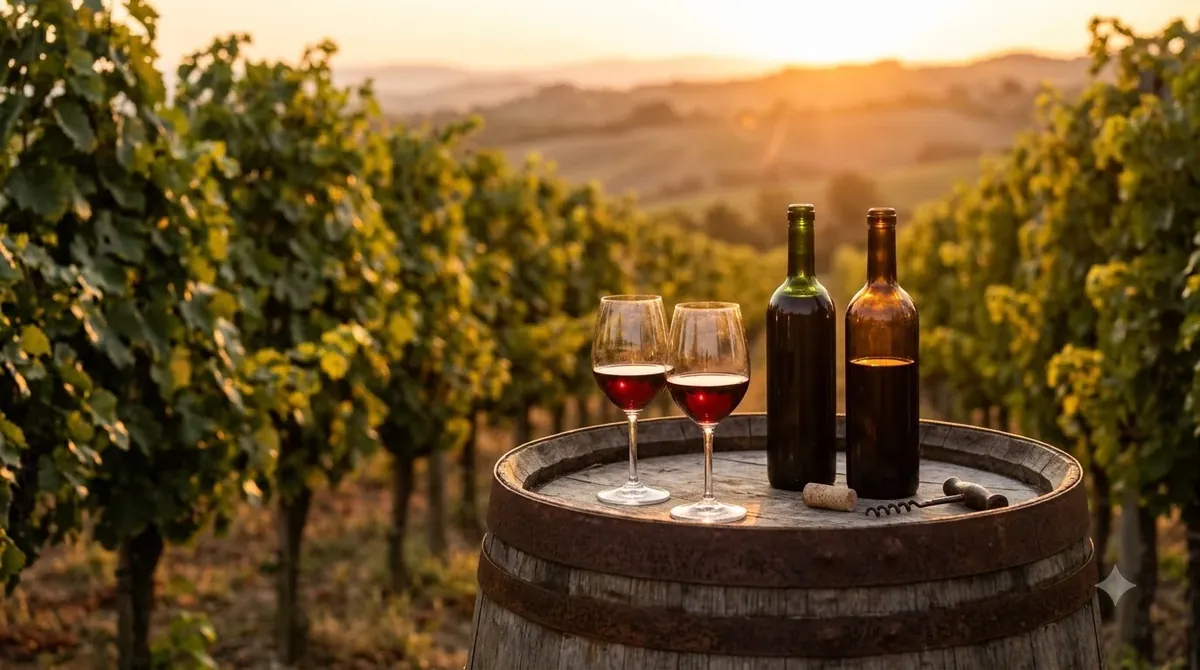
Chianti Classico is the region most people picture when they think of Tuscany. It lies between Florence and Siena and is part of Chianti, the largest classified zone in Tuscany. Its wines are built on Sangiovese, which is the region’s most prominent grape and has many local clones.
Among the estates documented in regional references, Castello di Brolio, owned by the Ricasoli family, is one of the best-known producers in the Chianti Classico zone. The area also includes sub-zones such as Rufina, Colli Senesi and Colli Fiorentini, each with its own character. If your goal is to understand classic Tuscan red wine, a visit to a Chianti Classico estate gives you the clearest reference point for the rest of the region.
Best for Age-Worthy Reds: Montalcino and Montepulciano
Montalcino and Montepulciano are both in the Province of Siena, and both are known for red wines built to last. Brunello di Montalcino is a DOCG wine made from a local Sangiovese clone, and it must be aged at least four years, or five for the Riserva. Rosso di Montalcino comes from the same grapes and vineyards but is aged for a shorter period, which makes it a more approachable entry point.
In Montepulciano, the DOCG wine Vino Nobile di Montepulciano requires Sangiovese, known there as Prugnolo Gentile, to make up at least 80% of the blend. Estates in both towns tend to suit visitors who enjoy a slower pace, long cellar tours and wines that open up with time in the glass.
Best for Bordeaux-Style Blends: Bolgheri
Bolgheri, in the Province of Livorno, is the coastal area where Tuscany produces some of its most internationally known red blends. The DOC is known for Bordeaux-style wines, and the area is closely linked to the Super Tuscan movement. Sassicaia, made by Tenuta San Guido, is often cited as the first Super Tuscan. Ornellaia is another estate in Bolgheri that is frequently mentioned in regional references.
Bolgheri suits guests who want a different experience from the hill towns of Chianti and Montalcino. The landscape is flatter and nearer the sea, and the wines tend to be richer and more structured than the typical Sangiovese bottle.
Best for Historic Estates and Less Common Styles: Pomino and Carmignano
Pomino, a DOC in the Province of Florence, is known for its French varieties rather than Sangiovese. Frescobaldi is one of the most prominent producers in the area and is often included on lists of Tuscan estates for visitors who want a broader view of the region’s wines. Carmignano, a DOCG in the Provinces of Florence and Prato, has a historic tradition of blending Sangiovese with Cabernet Sauvignon, which makes it a useful stop for anyone curious about how Tuscan growers have worked with international varieties over time.
Best for Coastal and Quieter Visits: Maremma and Elba
Maremma Toscana, in the Province of Grosseto, is home to Morellino di Scansano, a DOCG built on Sangiovese. Poggio Argentiera is one of the estates documented as making Morellino in this area. The region is a good choice for travelers who want fewer crowds and a more rural setting than the most visited hill towns.
The island of Elba adds another option. Its DOC wines include Aleatico passito, which carries its own DOCG designation. Visitors who combine a beach holiday with wine tasting often find that Elba and Maremma offer a relaxed alternative to inland Tuscany.
Best for White Wine Fans: San Gimignano and Valdichiana
Tuscany is not only about red wine. Vernaccia di San Gimignano is a DOCG white made from the Vernaccia grape in the Province of Siena, and it is one of the region’s best-known whites. Trebbiano is the most widely planted white grape in the region, followed by Malvasia, Vermentino and Vernaccia. Chardonnay and Viognier are also grown in Tuscany, though they are less central to the local identity.
In the Valdichiana area, estates such as Castello del Calcione in Lucignano and Fattoria Santa Vittoria in Pozzo della Chiana are documented producers. These estates are less often mentioned in general guides, so visitors who want a smaller, less crowded tasting may find them a good match.
How to Choose a Tuscan Winery
Start with the wine you want to drink, not with a list of famous names. If you like the bright, herb-tinged reds of Chianti, begin in Chianti Classico. If you prefer deeper, longer-aging wines, plan time for Montalcino or Montepulciano. Bolgheri suits anyone drawn to international blends, while Maremma and Elba suit travelers who want a quieter stay.
It also helps to think about the trip itself. Tuscany’s wine country is large, and driving between towns can take longer than the map suggests. Many visitors who also enjoy wine trips in the United States find it useful to compare structure before they travel. For example, readers who want a closer-to-home comparison can look at the best Paso Robles wineries or the best Temecula wineries to see how American tasting rooms organize their visits.
Tip: Tasting rooms in Tuscany may ask for advance reservations, especially at smaller estates. Confirm opening hours and whether a visit includes a cellar tour before you book.
Frequently Asked Questions
What is the most famous Tuscan wine region for visitors?
Chianti Classico is the region most visitors start with. It lies between Florence and Siena and is built around Sangiovese, which gives the area a classic Tuscan identity that is easy to recognize across estates.
What makes Brunello di Montalcino different from other Tuscan reds?
Brunello di Montalcino is a DOCG wine made from a local Sangiovese clone. It must be aged at least four years, or five for the Riserva, which gives it a more structured and long-lived profile than many other Tuscan reds.
Why is Bolgheri often compared to Bordeaux?
The Bolgheri DOC is known for Bordeaux-style blends. Sassicaia, from Tenuta San Guido, is often cited as the first Super Tuscan, and the area’s coastal estates have become closely linked with international-style red wine.
Do I need to book ahead for a winery visit in Tuscany?
Booking ahead is a sensible choice, particularly for smaller estates or for tours that include a cellar visit. Confirm the hours and the tasting format with the estate before you plan a day around it.
Tuscany rewards a planned approach. Choose one or two areas that match the wines you enjoy, and leave room for the slower pace that the region is known for. Whether you visit for a single afternoon or a longer trip, a clear plan makes it easier to taste widely and buy with confidence. For background on how regional wines are chosen and stored at home, see the wine buying basics section of this site.
More in Wine Buying Guides
 Riesling Gift: Choose a Bottle They’ll LoveUpdated Nov 21, 2026
 Sweet Red Wine Gift: Choose a Bottle They’ll LoveUpdated Nov 21, 2026
 Malbec Gift: How to Choose a Memorable Bottle for Any OccasionUpdated Nov 21, 2026
 Sherry Gift Ideas That Match Every Wine LoverUpdated Nov 21, 2026
 Moscato Gift: How to Choose a Sweet Wine They’ll LoveUpdated Nov 21, 2026
 Merlot Gift: How to Choose a Bottle They’ll AppreciateUpdated Nov 21, 2026