

We may earn a commission when you buy through links on this page, at no extra cost to you. Learn more.
The best tall wine fridge is usually a full-height unit with a stable temperature zone, enough shelves for your bottles, and a door that keeps light out. Tall models hold more bottles than countertop units and suit a larger collection. Choose between single-zone and dual-zone designs first, then check height, installation style, and how steady the temperature stays.
A tall wine fridge is a freestanding or built-in appliance that stores bottles upright or on racks at a steady temperature. People buy them to age a few cases, to keep a weeknight supply cool, or to show off a collection. This guide sorts tall models by the kind of owner they suit, so you can match one to your space and your bottles. It also covers the practical details that buyers often overlook, such as how the door seals, where the cabinet sits in a room, and how much bottle capacity you really need once you start buying by the case.
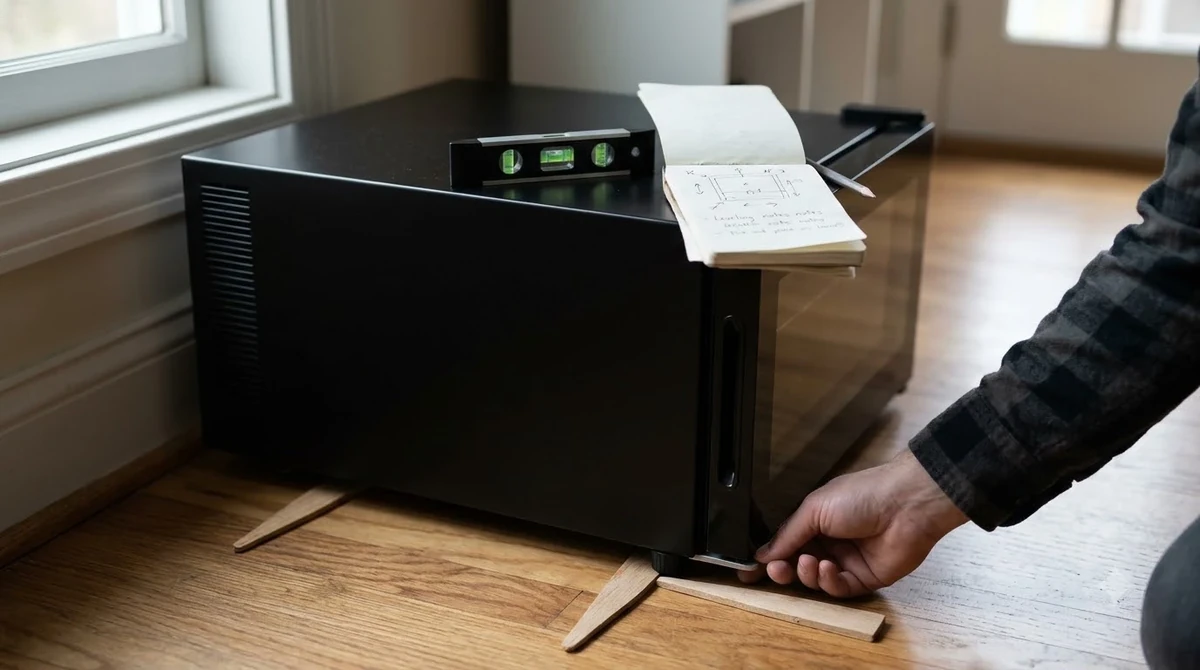
Tall units also differ from the smaller countertop models in one important way: they usually carry more weight and more stored wine, so the floor and the surrounding space matter more. A level, sturdy base keeps the shelves steady and reduces the chance of a bottle shifting when the door opens and closes.
Quick Comparison of Tall Wine Refrigerator Types
Tall wine refrigerators differ mainly in how many temperature zones they offer, whether they are built in or freestanding, and how much light and vibration reach the bottles. The table compares the common types by the collection they fit and the trade-offs that come with each.
| Type | Best collection size | Temperature control | Placement |
|---|---|---|---|
| Single-zone tall unit | Mid to large, one wine style | One set temperature | Freestanding |
| Dual-zone tall unit | Large, mixed reds and whites | Two set temperatures | Freestanding or built in |
| Built-in tall cabinet | Large, long-term storage | Usually single or dual zone | Under-counter or kitchen run |
| Glass-door display tall unit | Mid-size, for showing bottles | Usually single zone | Living room or bar |
| Tall unit with solid door | Large, low-light storage | Usually single zone | Garage-friendly placement |
Best for Mixed Reds and Whites: Dual-Zone Tall Units
Dual-zone tall units split the cabinet into two sections, each held at its own temperature. This suits a collection that includes both reds and whites, since they are usually kept at different temperatures.
Why it stands out: Two zones let you keep a cooler section for white and sparkling wine and a warmer section for reds, without running two appliances.
Keep in mind: Each zone has less room than a single-zone cabinet of the same height, so check the shelf count for each side before you buy.
Best for: Households that drink both red and white on a regular basis and want one tall appliance for everything.

- Capacity
- 179 bottles
- Zones
- Dual: 40-55°F / 55-65°F
- Cooling
- Compressor
- Install
- Easy install, 4 wheels
Two temperature zones let a mixed collection live together: the cooler upper zone runs 40 to 55 °F and the warmer lower zone 55 to 65 °F. The 24-inch cabinet holds up to 179 standard Bordeaux bottles on wood and wire shelves. A compressor, temperature memory after a power loss, a safety lock, and blue protective light round out the features.
Pros & ConsView
- Two zones for mixed red and white storage
- Holds up to 179 Bordeaux bottles
- Temperature memory and safety lock
- One door opens both zones at once
- 24 inch width needs wide floor space
Best for Long-Term Aging: Single-Zone Tall Units
A single-zone tall unit holds one temperature across the whole cabinet. For a collection of mostly red wine that will sit for years, one steady setting is often the simplest approach.
Why it stands out: A single zone is easier to set and manage, and the uniform temperature suits wines kept together in one style.
Keep in mind: If you store both white and red in the same cabinet, one temperature will suit one of them less well. Many people set a single zone at a cellar-like temperature for reds.
Best for: Collectors who mainly store red wine for aging and want a simple, reliable cabinet.
Best for Kitchens: Built-In Tall Cabinets
A built-in tall cabinet fits into a kitchen run or under a counter, so it looks like part of the cabinetry. It is a practical choice when you want the wine close to the cooking area without a separate piece of furniture.
Why it stands out: The cabinet blends into the room, and it uses vertical space that a standard counter cannot.
Keep in mind: Built-in units need the right opening and airflow. Measure the space and check the venting details before you order, because a cramped install can affect how well the unit holds temperature.
Best for: Homeowners remodeling a kitchen or building a bar area who want the appliance to look permanent.

- Capacity
- Up to 180 bottles
- Zones
- Dual zone
- Install
- Built-in or freestanding
- Door
- Double-paned thermopane glass
Kitchen layouts with a gap for a cabinet-height unit are a natural home for this model, which can be built in or left freestanding. It holds up to 180 bottles on wood and wire shelves, cools through a compressor and convection fan, and uses a double-layer glass door with blue light. Both zones have temperature control.
Pros & ConsView
- Works built-in or freestanding
- Holds up to 180 bottles
- Double-layer glass door with blue lighting
- Large 24-inch cabinet needs a dedicated space
- Dual zones mean two temperatures to set
Best for Showing Off Bottles: Glass-Door Tall Units
Glass-door tall units let you see the bottles from across the room. They work as a display piece in a living room, dining area, or home bar, and they make a collection part of the decor.
Why it stands out: The clear door shows labels and encourages you to pick a bottle to open.
Keep in mind: Glass lets light in, and light is one of the factors that can spoil wine over time. Choose a unit with UV-filtering glass or place it away from a window.
Best for: Wine lovers who want their collection visible and are less focused on long-term aging.

- Capacity
- 100 bottles
- Zone
- Single temperature
- Cooling
- Compressor, fan-forced
- Shelves
- 12 wooden slide-out
For collectors holding bottles over the long term, one precisely held temperature is the point here. The 100-bottle cabinet pairs a compressor with fan-forced circulation, an activated carbon filter, and a double-pane UV-protected glass door that keeps light off labels and corks. Twelve removable beechwood shelves hold bottles steady, and a cylinder lock plus touchscreen controls complete it.
Pros & ConsView
- UV-protected double-pane glass door
- Even fan-forced cooling with carbon filter
- Key lock and touchscreen control
- Single zone cannot store reds and whites apart
- Large cabinet needs dedicated floor space
Best for Dark, Quiet Storage: Solid-Door Tall Units
Solid-door tall units block light completely and keep the interior dark. They suit a spare room, a basement, or a corner where you do not want the bottles on display.
Why it stands out: A solid door keeps the interior dark, and the cabinet is often quieter and less exposed to daylight.
Keep in mind: You will need to open the door to check your bottles, so keep a simple inventory list if you store a lot of wine.
Best for: Collectors who want storage out of sight and who plan to keep bottles for a long time.
How to Choose a Tall Wine Fridge
Start with the number of bottles you own and the way you drink. A tall unit is a long-term investment, so measure the space and check the temperature controls before you choose a model.
- Capacity: Count your current bottles and leave room for growth.
- Zones: Choose dual zones if you store both red and white at different temperatures.
- Light: A solid or UV-filtering door protects bottles from light exposure.
- Vibration: Place the unit on a stable floor away from the washing machine or other heavy appliances.
- Placement: Freestanding units need airflow around the back. Built-in units need a matching opening.
Maintenance is simple but worth a habit. Wipe the door seal now and then, keep the vents clear of dust, and check the display after a power cut, since a long outage can change the temperature inside. Many owners also keep a short log of what they have stored and when each bottle should be opened, which turns a tall fridge into a working inventory rather than just a cabinet.
Temperature stability matters more than the exact setting. The Wikipedia entry on wine cellars notes that wine can be kept satisfactorily between 7 and 18 degrees Celsius if the changes are gradual, and that 13 degrees Celsius is described as ideal for short-term storage and long-term aging. Large temperature swings can make a cork work, which speeds aging, so a unit that holds its setting is worth more than one with fancy features.
Frequently Asked Questions
How tall is a typical tall wine fridge?
Tall units are usually full-height cabinets designed to hold many bottles in a narrow footprint. Heights vary by model and by whether the unit is built in or freestanding, so check the specifications before you order.
Is a dual-zone tall fridge worth it?
A dual-zone unit is worth it if you store both red and white wine and want each kept at its own temperature. If you only store one style, a single-zone unit is simpler and often a better value.
Where should I put a tall wine fridge?
Choose a stable, cool spot away from direct sunlight and heat sources such as ovens or radiators. Avoid placing the unit where it will be bumped or where vibration from other appliances is strong.
What temperature should a tall wine fridge be?
The Wikipedia entry on wine cellars describes 10 to 14 degrees Celsius as the range where wines age normally, with 13 degrees Celsius cited as ideal for storage. Many tall fridges can be set in that range, but whites and sparkling wines are often served cooler.
A tall wine fridge can be a practical home for a growing collection. Decide whether you need one zone or two, then choose a door and placement that protect the bottles. For smaller options, see the mini wine fridge or small wine fridge guides. For guidance on how long opened bottles keep, read how long does wine last after opening, and browse the By type section for more models.
More in Wine Fridges by Type
 Best White Wine Fridge for Reliable Chilling and StorageUpdated Nov 20, 2026
 Best Smart Wine Fridge for Steady Temperatures and Remote ChecksUpdated Nov 18, 2026
 Best Black Under Counter Wine Fridge Options for Kitchens and IslandsUpdated Nov 18, 2026
 Best Black Slim Wine Fridge for Narrow Gaps and Dark KitchensUpdated Nov 18, 2026
 Best Built In Dual Zone Wine Fridge Options by Kitchen LayoutUpdated Nov 18, 2026
 Best Slim Built in Wine Cooler: 5 Space-Saving Styles for Tight KitchensUpdated Nov 18, 2026