

We may earn a commission when you buy through links on this page, at no extra cost to you. Learn more.
The best Santa Barbara wineries are spread across a few distinct wine areas, so the right pick depends on what you want to taste: cool-climate Pinot Noir and Chardonnay from the Sta. Rita Hills and Santa Maria Valley, bigger reds and Rhône-style blends from the warmer Santa Ynez Valley and Happy Canyon, or a relaxed town-based tasting from Santa Barbara itself. This guide explains how the county’s wine areas differ, what each one tends to produce, and how to plan a visit that matches your taste.
Santa Barbara County is one of the most varied wine regions in California. Its valleys run east to west rather than north to south, which lets cool Pacific air reach deep into the countryside. That combination of geography and microclimate is why a short drive can take you from crisp, acidic whites to powerful, sun-ripened reds.
Use this page as a starting point. It covers the main wine areas, the styles they are known for, and practical ways to plan a day of tasting. For a broader look at California’s wine country, see our best Temecula wineries and best Paso Robles wineries guides, which compare other regions with different climates.
Quick Comparison
The county has several distinct areas, and each one has its own climate and typical styles. The table below compares the main ones so you can decide where to spend your time.
| Wine area | Climate | Styles it is known for | Best for |
|---|---|---|---|
| Sta. Rita Hills | Cool, with strong ocean influence | Pinot Noir, Chardonnay, Syrah | Serious Pinot Noir lovers |
| Santa Maria Valley | Cool to moderate | Pinot Noir, Chardonnay, Pinot Gris | Visitors who want a quiet, rural day |
| Santa Ynez Valley | Moderate, with warm days and cool nights | Syrah, Grenache, Cabernet Sauvignon, Rhône blends | Broad choice of tasting rooms and towns |
| Happy Canyon | Warmest of the main areas | Bordeaux-style reds, Rhône-style reds | Full-bodied reds |
| Santa Barbara urban scene | Coastal city | Tasting-room wines from several areas | Visitors without a car |
How the Wine Areas Differ
The county’s appeal comes from its range of climates. The cooler western areas receive more marine fog and wind, and their growing seasons run longer and slower. Wines from these areas usually show brighter acidity, more savory character, and a lighter body. The warmer eastern areas get more sun, which ripens grapes further and produces riper fruit and fuller texture.
The Santa Barbara County wine tourism site lists seven recognized appellations and nine wine trails, which shows how many distinct areas a single visit can cover. Reviewers at Wine Enthusiast have recognized the county’s diversity, citing its geography, geology, and climate as the reasons behind it.
Best for Cool-Climate Pinot Noir and Chardonnay
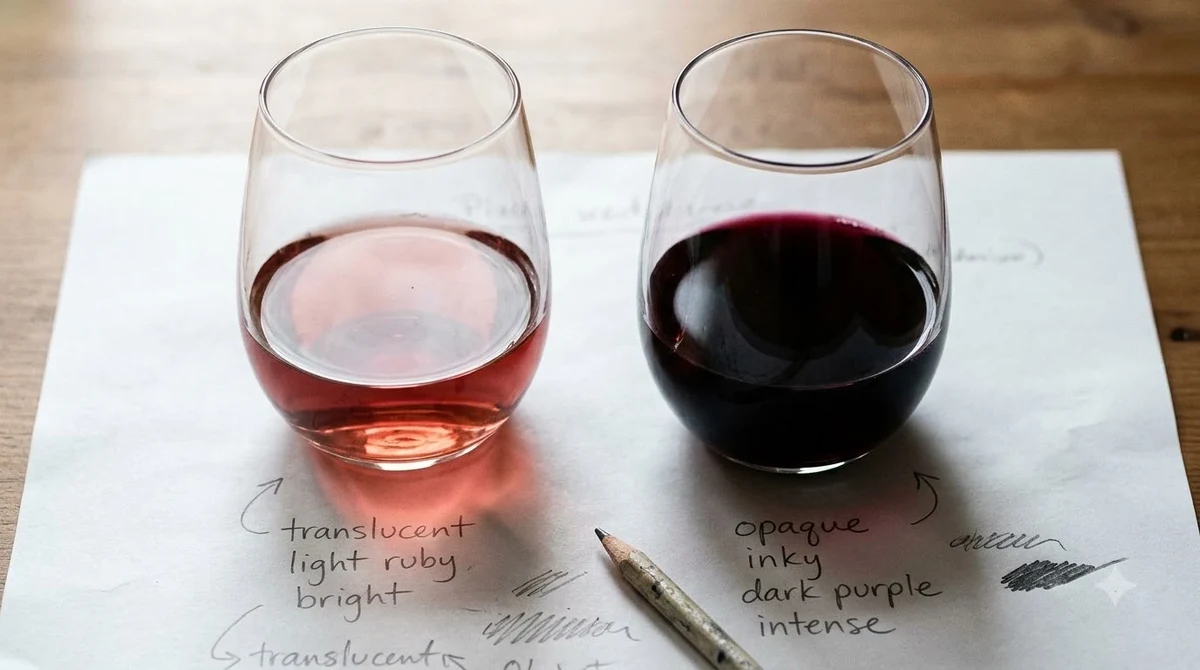
The Sta. Rita Hills and Santa Maria Valley are the areas most often linked with cool-climate wines. The county’s tourism materials describe the Sta. Rita Hills as a source of world-class Pinot Noir, Syrah, and Chardonnay, and they contrast its cool conditions with the heat of Happy Canyon.
Cool-climate Pinot Noir tends to be more savory and restrained than warm-climate versions. The Wine Folly Pinot Noir guide describes cool-climate Pinot Noir as having more tartness and earthiness, with red fruit that leans toward cranberry and cherry. If you prefer lighter, food-friendly reds, these areas are a good place to start. Many tasting rooms in Sta. Rita Hills and along the Foxen Canyon area are set up for small-group visits, so booking ahead is worth it on weekends.
Best for Rich, Sun-Ripened Reds
The Santa Ynez Valley and Happy Canyon produce bolder wines. The warmer days in these areas give Syrah, Grenache, and Cabernet Sauvignon more ripeness and body. Happy Canyon is the warmest area named in the county’s materials, and its reds tend to be fuller and more structured than those from the coastal valleys.
Rhône-style blends are a strong part of the Santa Ynez identity. If you like dark fruit, spice, and a warm finish, plan a tasting day that focuses on the eastern valley and its Syrah-based wines. Expect the reds here to be more concentrated than the Pinot Noir from the western areas.
Best for a Town-Based Tasting Day
If you do not want to drive between vineyards, the Santa Barbara urban wine scene offers a practical alternative. Tasting rooms in the city pour wines sourced from several areas, so you can compare styles without covering long distances. This works well for visitors staying in town who want a relaxed afternoon.
The Santa Ynez Valley also has a walkable option. The county’s materials list a wine walk in Solvang and tasting districts in Los Olivos, so you can park once and visit several rooms on foot. For a longer stay, combining a town base with one or two rural tasting days gives you the widest range of wines.
Best for Relaxed, Scenic Visits
Several of the county’s valleys are known for their scenery as much as their wine. Visitors often describe the Santa Ynez Valley in terms of its landscape and hospitality, and smaller towns such as Los Alamos are described in local materials as quiet places to taste.
A scenic day works best with a slower pace. Plan two or three stops rather than five or six, and build in time to walk and eat between tastings. This also helps you enjoy the wines more, since tasting fatigue sets in quickly after the third or fourth pour.
How to Choose
Start with the style you want, then pick the area that produces it. A simple way to choose is to match your preference to the climate of each area, as shown below.
| If you prefer | Look for | Why |
|---|---|---|
| Light, bright, savory reds | Sta. Rita Hills, Santa Maria Valley | Cool climate keeps acidity high |
| Full-bodied, ripe reds | Happy Canyon, Santa Ynez Valley | Warmer days ripen the fruit |
| Ease and convenience | Santa Barbara urban rooms, Solvang | Short walks, no long drives |
| Quiet and scenery | Foxen Canyon, smaller valley towns | Rural roads and slower pace |
Tip: Pinot Noir from cool areas is often best served slightly cool, around 55 to 60°F (12 to 15°C), according to Wine Folly. Ask your server whether a red needs a short stay in the fridge before pouring.
Frequently Asked Questions
Which Santa Barbara wine area is best for Pinot Noir?
The Sta. Rita Hills and Santa Maria Valley are the areas most often associated with cool-climate Pinot Noir. Their cool conditions and marine influence favor a lighter, more savory style of red.
Do I need a car to visit Santa Barbara wineries?
A car is the easiest way to reach the rural areas, since the valleys are spread out. If you want to avoid driving, focus on the urban tasting rooms in Santa Barbara or the walkable areas in Solvang and Los Olivos.
How many days do I need for a good tasting trip?
Two to three days lets you cover at least two different wine areas without rushing. A single day works if you focus on one valley and plan only a few stops.
Is it better to book tastings in advance?
Booking ahead is a good idea, especially on weekends and during harvest season. Many smaller rooms offer limited, appointment-based tastings, so check each room’s policy before you go.
Santa Barbara County rewards curiosity. Pick one or two wine areas that match the style you enjoy, plan a realistic number of stops, and leave room to explore. For more on buying and tasting wine, visit our wine buying guide, and remember to drink responsibly and arrange a designated driver or ride service for the day.
More in Wine Buying Guides
 Riesling Gift: Choose a Bottle They’ll LoveUpdated Nov 21, 2026
 Sweet Red Wine Gift: Choose a Bottle They’ll LoveUpdated Nov 21, 2026
 Malbec Gift: How to Choose a Memorable Bottle for Any OccasionUpdated Nov 21, 2026
 Sherry Gift Ideas That Match Every Wine LoverUpdated Nov 21, 2026
 Moscato Gift: How to Choose a Sweet Wine They’ll LoveUpdated Nov 21, 2026
 Merlot Gift: How to Choose a Bottle They’ll AppreciateUpdated Nov 21, 2026